A brand-new induction cooktop often sparks excitement, promising faster heating, precise control, and modern efficiency. At the same time, many kitchens already hold cast iron skillets passed down through generations.
The practical question arises: can cast iron cookware be used on an induction cooktop without damaging the surface or compromising performance?
Induction cooking relies on electromagnetic fields to heat pans directly, making it more efficient than traditional electric or gas methods. Reports show that induction technology is up to 20% more energy efficient than standard electric cooktops and nearly 70% more efficient than gas.
This efficiency has driven growing adoption in households worldwide. At the same time, cast iron remains one of the most purchased and trusted cookware types, valued for its durability and heat retention.
When these two cooking technologies meet, cooks must understand compatibility, safety, and care. Cast iron works beautifully with induction, but there are considerations for performance and protection.
Why Cast Iron Is Compatible with Induction
Induction cooktops require cookware that contains iron, which interacts with the electromagnetic field beneath the glass surface. Cast iron is ferromagnetic, meaning it naturally responds to induction energy. As a result, it is among the most compatible cookware materials for induction cooking.
When placed on an induction zone, cast iron heats quickly and retains heat for extended periods. This combination is perfect for searing steaks, frying, and baking. However, while compatibility is high, success depends on practical details such as flat bottoms and careful handling.
How Induction Cooking Works with Cast Iron
Induction cooktops create a magnetic field under a smooth glass surface. The field interacts directly with the iron molecules in the pan, generating heat inside the cookware itself. Unlike electric coils or gas flames, the glass surface does not heat first. Instead, the pan becomes the heat source.
This direct heating method makes induction one of the fastest cooking technologies available. Cast iron responds exceptionally well because of its heavy mass and strong magnetic properties. Once the skillet is hot, it holds heat evenly, making it ideal for tasks that require steady, consistent temperatures.
Manufacturer Guidance and Precautions
Appliance manufacturers generally recommend cast iron and enameled cast iron for induction cooktops. However, they emphasize specific safety measures.
Flat bottoms are essential because warped or rounded pans may not make consistent contact, leading to reduced performance or error messages on the cooktop.
Rough or unfinished bases can scratch the glass surface. This makes it important to keep both the cooktop and the underside of the pan clean before use. Many manuals stress a simple rule: always lift cookware instead of sliding it across the glass. With this approach, scratches and chips can be avoided.
Risks of Scratching and Surface Damage
One of the most common concerns about using cast iron on induction is the risk of scratching. Bare cast iron often has a textured bottom that can trap particles. If dragged across the surface, even small grains of salt or sugar can leave scratches.
The weight of cast iron also adds to this risk. Setting a heavy Dutch oven down roughly may chip or crack glass. While induction cooktops are designed to be durable, repeated misuse shortens their lifespan. Practicing gentle placement and lifting pans carefully prevents costly damage.
Cooking Performance and Heat Behavior
On induction cooktops, cast iron often heats faster than on electric coils or gas burners. The electromagnetic energy transfers directly to the pan, reducing wasted heat. Once warmed, cast iron excels at holding temperature, making it excellent for searing and frying.
However, cast iron does not distribute heat as evenly as stainless steel or aluminum. Hot spots can form directly over the induction coil if the pan is not preheated thoroughly. Allowing extra time for even heating minimizes this effect and ensures consistent cooking results.
Advantages of Enameled Cast Iron on Induction
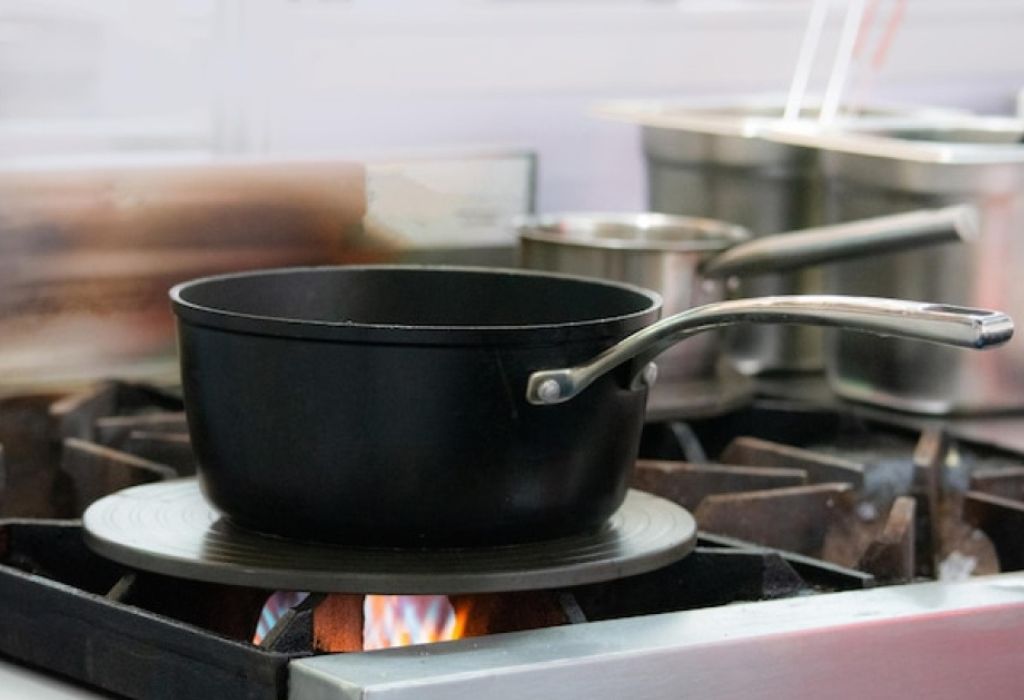
Enameled cast iron cookware, such as Dutch ovens, works seamlessly on induction cooktops. The enamel coating provides a smooth base that reduces scratching risk and eliminates the need for ongoing seasoning.
Enameled surfaces also resist reactivity with acidic foods like tomato sauce or wine-based reductions.
The drawback is that enamel can chip if mishandled. Once damaged, the exposed iron may rust, and the cookware’s appearance suffers. Still, for many households, enameled cast iron offers a safer, low-maintenance option for induction use.
Bare Cast Iron on Induction — Benefits and Drawbacks
Bare cast iron skillets provide excellent searing power and oven-to-stovetop versatility. When seasoned properly, they deliver a semi-nonstick surface that performs well for frying, baking, and roasting. On induction, they heat quickly and hold temperature with exceptional strength.
The disadvantages are mostly related to care. Seasoning must be maintained to prevent rust. Acidic foods can strip the patina and alter flavor.
The rough base of bare cast iron requires extra caution on glass surfaces. With proper cleaning, drying, and oiling after each use, these issues can be managed effectively.
Noise, Buzzing, and Induction Quirks
Some users notice a faint humming or buzzing sound when heavy cast iron is used on induction. This occurs when the magnetic field interacts with the dense metal, creating vibrations. While unusual, this noise is normal and not harmful to cookware or cooktop.
Buzzing is often reduced by adjusting power settings, using heavier lids, or choosing pans with thicker bases. Most induction manufacturers note this effect in their user manuals as a harmless byproduct of magnetic energy transfer.
Testing Compatibility at Home
For anyone unsure whether a pan will work on induction, a simple magnet test provides the answer. If a magnet sticks firmly to the bottom of the cookware, it is compatible with induction cooking. This test applies to bare cast iron, enameled cast iron, and even some stainless-steel pans with magnetic bases.
Flatness also matters. Cookware with rounded or warped bottoms may not be recognized by the induction sensors. When purchasing new cast iron, check for flat bases designed for modern cooktops.
Care and Maintenance on Induction Cooktops
Using cast iron on induction requires attention to both the cookware and the glass surface. Before cooking, ensure the pan bottom is clean and dry. After cooking, allow the glass to cool before wiping with a soft cloth and approved cleaner.
For bare cast iron, follow traditional care: hand-wash, dry immediately, and apply a thin oil layer. For enameled cast iron, avoid sudden temperature shocks, such as rinsing a hot pan with cold water, to prevent enamel cracking. Following these practices ensures longevity for both cookware and cooktop.
Storage and Handling Considerations
Because cast iron is heavy, storing it safely matters when used on induction cooktops. Pans should not be stacked directly on the glass, and protective liners or cloths help avoid accidental scratches. Hanging racks or sturdy shelves are better suited to the weight of multiple cast iron pieces.
When moving cast iron to and from the cooktop, always lift with two hands if possible. This reduces the risk of dropping or dragging. Simple habits like these make cast iron safer and easier to manage on fragile induction surfaces.
Practical Cooking Scenarios with Cast Iron and Induction

Induction and cast iron complement each other in specific cooking scenarios. High-heat searing is one of the strongest combinations, as induction brings skillets to temperature quickly and cast iron locks in heat for restaurant-quality crusts.
Baking cornbread or skillet pizza also works beautifully because of even oven-to-cooktop transitions.
For more delicate dishes, patience is required. Eggs, fish, and sauces benefit from preheating the skillet fully and using medium power settings. With practice, induction makes cast iron more versatile, though other cookware may still be better for tasks requiring quick heat adjustments.
Where Statistics and Data Add Context
Statistics about induction’s efficiency demonstrate why compatibility matters. Induction is often cited as the fastest method of stovetop cooking, saving both time and energy. Cast iron’s ability to absorb this efficiency makes it a valuable partner for home cooks.
Market data also shows a steady rise in enameled cast iron sales, reflecting consumer demand for induction-friendly cookware with easier maintenance. This shift highlights the growing intersection of traditional materials and modern cooking technologies.
Conclusion
So, can cast iron cookware be used on an induction cooktop safely? The answer is yes. Cast iron is naturally induction-compatible, heating quickly and holding temperature exceptionally well.
Both bare and enameled varieties work, though they require flat bases, careful handling, and proper maintenance.
The disadvantages are practical rather than fundamental: risks of scratching glass, heavier weight, and seasoning care for bare pans. With safe habits like lifting instead of sliding and cleaning surfaces before use, these challenges are manageable.
Induction cooking represents efficiency and precision, while cast iron represents tradition and strength. Together, they form a powerful partnership for modern kitchens. With knowledge and care, cast iron can continue its role as a timeless tool on the most advanced stovetops.

I’m Emma J. Caldwell, the founder, lead writer, and home-cooking enthusiast behind KitchenGuideCo.com. With a background in culinary arts and over a decade of cooking experience in both professional and personal kitchens, I created this platform to demystify recipes, offer smart kitchen gadget reviews, and guide readers through meal prep with confidence and clarity.