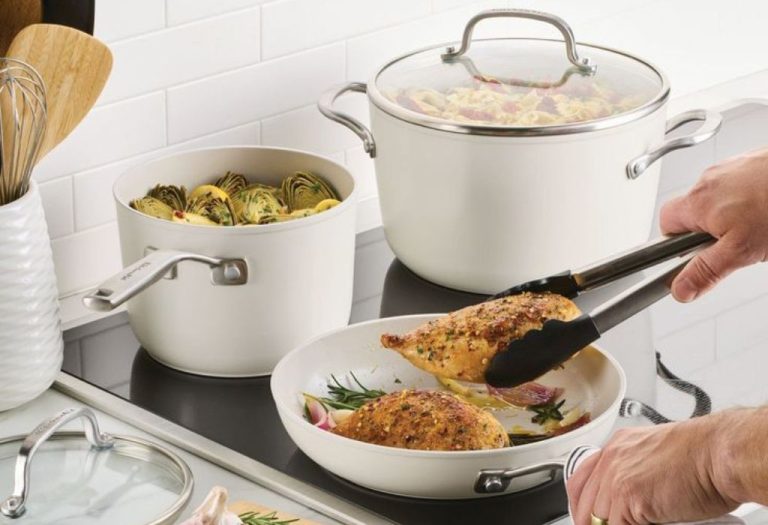
Copper cookware has long been prized for its unmatched heat conductivity and stunning aesthetic appeal. Many chefs and home cooks alike choose copper pots and pans to achieve precise cooking results and elegant kitchen displays.
However, the convenience of a dishwasher raises an important question: can copper cookware go in dishwasher safely at home? Improper cleaning can cause tarnishing, scratches, or even damage to the lining, significantly reducing the cookware’s lifespan.
Statistics reveal that over 60% of home cooks mistakenly put delicate cookware in the dishwasher, unaware of the risks to premium materials like copper. This common mistake can lead to permanent discoloration or corrosion, making cookware less effective and visually unappealing.
Understanding the proper care of copper cookware is essential to preserve both performance and beauty. Hand washing, appropriate drying, and polishing techniques can extend the life of these kitchen investments while maintaining their shine.
Understanding Copper Cookware
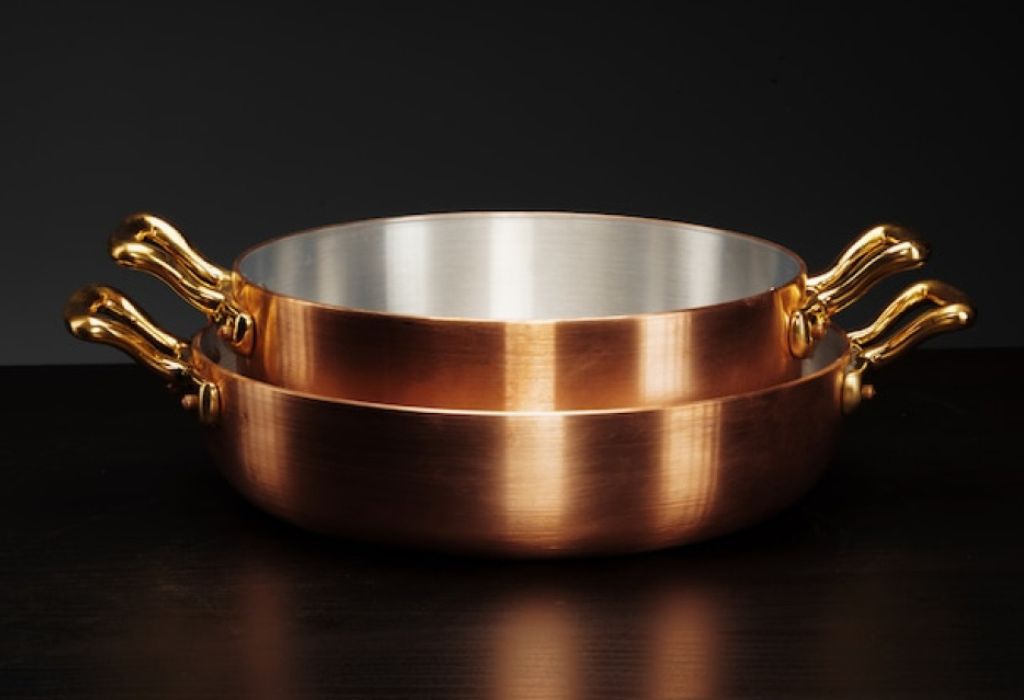
Copper cookware has earned its reputation for both elegance and functionality in kitchens worldwide. Its key advantage lies in its exceptional heat conductivity, allowing for even cooking and precise temperature control.
Unlike stainless steel or aluminum, copper reacts quickly to changes in heat, giving cooks greater control over delicate recipes like sauces and chocolate.
There are several types of copper cookware, each with its own characteristics and care requirements.
Unlined copper is made entirely of copper and offers optimal heat response but can react with acidic foods, potentially affecting flavor and color.
Lined copper, often coated with stainless steel or tin, prevents direct contact with food while preserving the cooking benefits of copper. This lining also reduces the risk of chemical reactions and simplifies cleaning.
Beyond functionality, copper cookware adds a visually appealing element to any kitchen. Its warm metallic sheen and polished surfaces elevate both presentation and aesthetic.
However, this beauty comes with maintenance responsibilities. Exposure to harsh detergents, high heat, or prolonged moisture can dull the surface, cause tarnishing, or damage any internal lining.
Proper handling and care are critical to maximizing the longevity of copper cookware. Routine hand washing, immediate drying, and periodic polishing help maintain both its performance and shine.
By understanding the types and benefits of copper cookware, cooks can make informed decisions about cleaning practices and usage, ensuring these investment pieces remain effective and beautiful for years.
The Dishwasher Dilemma
Using a dishwasher might seem like a convenient way to clean cookware, but copper items require special consideration. High heat, strong detergents, and prolonged exposure to water in dishwashers can accelerate tarnishing and damage the metal surface.
Copper cookware is particularly vulnerable because the dishwasher’s harsh environment can strip away protective coatings or lining. For lined copper, such as tin or stainless steel interiors, the heat and chemical exposure can cause blistering, peeling, or discoloration over time.
Even polished copper exteriors are at risk. The abrasive cycle and detergent residues can leave scratches, water spots, or a dull finish that reduces the cookware’s aesthetic appeal.
Regular dishwasher use can transform a gleaming copper pot into a tarnished and worn-looking piece in a matter of months.
Experts consistently advise hand washing as the safest method to preserve both the performance and appearance of copper cookware.
Warm water, mild soap, and a soft cloth or sponge effectively clean the cookware without exposing it to the damaging effects of a dishwasher.
Understanding the risks of dishwashing copper highlights why proper care is essential. By avoiding the dishwasher, cooks can maintain the cookware’s longevity, visual appeal, and reliable performance for years.
Proper Care and Maintenance
Maintaining copper cookware requires attention to cleaning, drying, and periodic polishing. Hand washing with warm water and mild dish soap is the most effective way to remove food residues while protecting the metal from harsh chemicals and abrasive materials.
After washing, it is essential to dry copper cookware immediately. Water spots or prolonged moisture can accelerate tarnishing and dull the surface, reducing both the cookware’s visual appeal and functional lifespan.
Polishing is another key step in maintaining copper cookware. Using a copper-specific cleaner or natural solutions like a mixture of vinegar and salt can restore shine and prevent discoloration.
Regular polishing not only preserves appearance but also helps prevent corrosion and maintains even heat distribution.
Proper care also extends to lined copper cookware. Tin or stainless steel linings should be cleaned gently to avoid scratches or peeling, ensuring food safety and consistent cooking performance.
By combining hand washing, thorough drying, and periodic polishing, copper cookware can remain both functional and visually stunning for decades.
Routine maintenance offers additional benefits beyond aesthetics. Well-maintained copper cookware retains superior heat conductivity, allows for precise cooking control, and maximizes the investment in high-quality kitchen tools.
Following these practices ensures that copper remains a durable and attractive component of any kitchen setup.
Common Mistakes When Caring for Copper Cookware
Copper cookware is elegant and highly functional, but improper handling can shorten its lifespan. Many home cooks unintentionally accelerate tarnishing or cause scratches by using abrasive sponges, harsh detergents, or leaving the cookware wet after washing.
Even small mistakes, repeated over time, can compromise both the cookware’s aesthetic appeal and its thermal performance.
One common mistake is using dishwashers for convenience. As discussed, high heat and strong detergents can dull the copper surface and damage the lining, whether tin or stainless steel.
Another frequent error is storing cookware while it is still damp, which encourages water spots, corrosion, and discoloration.
Using the wrong cleaning agents is also problematic. Some commercial cleansers contain chemicals that can react with copper, leading to streaks, dullness, or permanent tarnish.
Abrasive scrubbing pads or metal brushes can create scratches that are difficult to remove, especially on polished or lacquered surfaces.
Neglecting regular polishing is another oversight. Without periodic polishing, copper can develop a patina that may be undesirable for some cooks. While a natural patina is not harmful, it changes the appearance and may affect heat conduction in unlined copper cookware.
Even lined copper requires attention. Tin or stainless steel interiors can peel or blister if exposed to high heat or harsh detergents. Using metal utensils inside lined cookware can also cause scratches and reduce the lifespan of the lining.
Awareness of these mistakes allows cooks to adopt better habits. Hand washing with mild soap, drying immediately, polishing regularly, and using gentle utensils are simple steps that prevent damage.
By avoiding these common errors, copper cookware retains its shine, cooking efficiency, and durability over time, making it a long-term kitchen investment.
Natural Cleaning Solutions for Copper Cookware
Maintaining the shine of copper cookware can be achieved using natural, non-abrasive cleaning methods. Vinegar, lemon juice, and salt are highly effective for removing tarnish and restoring brightness without harming the metal.
These ingredients are widely available, safe, and eco-friendly alternatives to harsh chemical cleaners.
For light tarnish, sprinkling salt over a cut lemon and gently rubbing the surface can remove discoloration and restore luster. Vinegar mixed with flour and salt can create a paste suitable for polishing heavily tarnished copper.
After applying, let the mixture sit briefly, then rinse and dry thoroughly to prevent water spots or corrosion.
Regular use of mild dish soap and warm water is recommended for routine cleaning. This approach removes grease and food residues while minimizing the risk of scratches or damage to any lining.
Soft cloths or non-abrasive sponges are preferred over steel wool or scouring pads, which can harm both polished and lined surfaces.
Polishing is essential even after natural cleaning. Specialized copper cleaners or homemade solutions maintain the cookware’s brilliance and prevent future tarnishing.
For lined copper, care must be taken to avoid abrasive treatments that could compromise tin or stainless steel interiors.
These natural methods also offer long-term benefits. They preserve the heat conductivity and durability of copper while ensuring safety for cooking.
Combining hand washing, immediate drying, and regular natural cleaning helps keep copper cookware looking like new, maximizing its lifespan and performance in the kitchen.
Benefits of Investing in High-Quality Copper Cookware
High-quality copper cookware offers advantages that justify the investment. Copper’s exceptional thermal conductivity ensures rapid, even heating, allowing for precise temperature control, especially for delicate dishes such as sauces, custards, and chocolates. Chefs rely on this precision to prevent scorching or uneven cooking.
Copper cookware is also visually striking. Polished copper pieces add elegance to the kitchen, enhancing presentation and making a statement as functional art. This aesthetic appeal increases the cookware’s desirability for both professional and home kitchens.
Durability is another benefit of quality copper cookware. When properly maintained through hand washing, drying, and polishing, copper pots and pans can last for decades, outperforming less expensive alternatives.
Lined copper further improves safety and usability by preventing reactions with acidic foods while maintaining heat conduction benefits.
Beyond cooking performance, high-quality copper promotes consistent results. Even heat distribution prevents hotspots, reducing the risk of food sticking or burning.
This efficiency saves both time and energy in the kitchen, which can be especially valuable for frequent cooks or professionals.
Investing in copper cookware also encourages proper maintenance habits. Regular hand washing, drying, and polishing are simple practices that prolong life while ensuring optimal performance.
Over time, these routines protect the investment, allowing cooks to enjoy both functional and aesthetic benefits for years.
In summary, premium copper cookware combines superior heat control, long-lasting durability, and visual appeal. Proper care enhances these benefits, making it a worthwhile choice for anyone serious about cooking or kitchen presentation.
Alternatives to Dishwashing
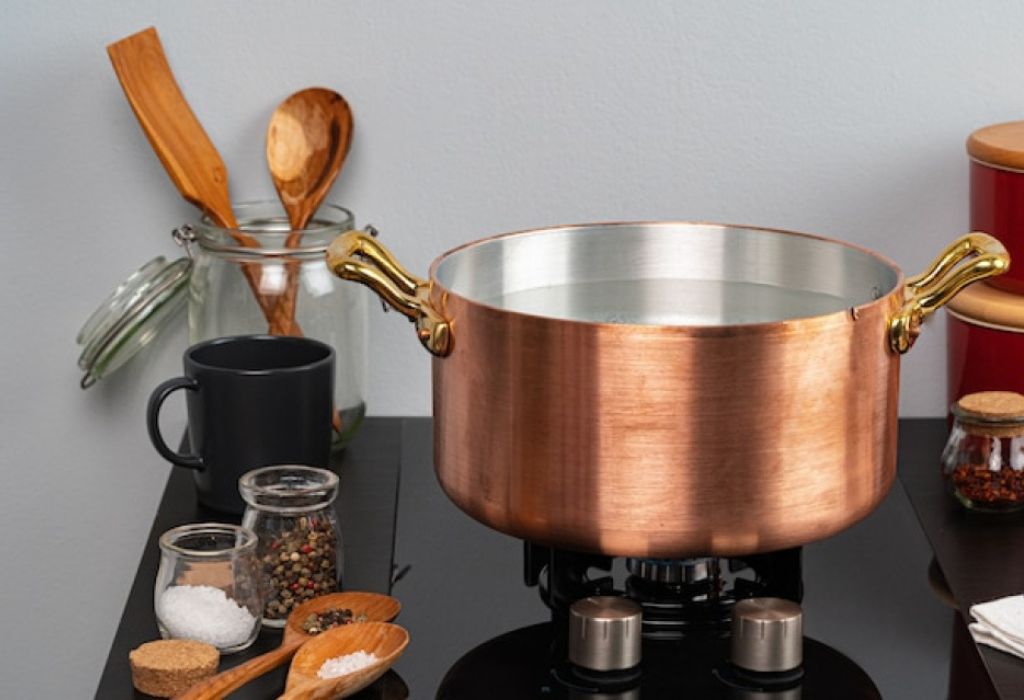
For those seeking convenience without risking damage, considering alternatives to dishwashing copper cookware is essential.
One option is to use cookware specifically labeled as dishwasher-safe, which is designed to withstand higher heat and detergent exposure without tarnishing or scratching.
Another approach is to minimize deep cleaning needs through regular maintenance. Consistent hand washing, immediate drying, and periodic polishing reduce the buildup of food residue and tarnish, making the cookware easier to clean over time.
Some cooks also use protective coatings or liners to shield copper exteriors from corrosion and discoloration. These measures help maintain both the functionality and aesthetic appeal of the cookware, while still allowing for occasional use in a controlled dishwasher environment if absolutely necessary.
Ultimately, understanding the limitations of copper in dishwashers empowers cooks to make informed choices. By combining careful cleaning practices with appropriate cookware selection, copper pots and pans can remain durable, visually appealing, and fully functional for many years.
Can copper cookware go in the dishwasher safely?
No, copper cookware should not be placed in the dishwasher. The harsh detergents and high heat can discolor the copper surface and damage its protective lining.
Why is it unsafe to put copper cookware in the dishwasher?
Dishwasher detergents contain chemicals that react with copper, leading to dullness, pitting, and corrosion. The high water pressure and heat can also loosen the lining.
Can lined copper pans go in the dishwasher?
Even lined copper pans (with stainless steel or tin) should be hand-washed. The dishwasher can still damage the exterior finish and weaken the bond between copper and lining.
What happens if I accidentally washed copper cookware in the dishwasher?
If it happens once, it may only lose its shine. Repeated dishwasher cycles can cause permanent discoloration, oxidation, or even lining separation.
Can dishwasher detergent remove copper polish?
Yes, strong detergents strip away protective polish and coatings, leaving the copper surface exposed to oxidation and dullness.
Does copper discolor after being washed in a dishwasher?
Yes, dishwashing can turn bright copper into a dull brown or pinkish color due to chemical reactions with detergent and moisture.
Is it safe to wash copper cookware by hand instead?
Yes, handwashing is the best method. Use warm water, mild dish soap, and a soft sponge to preserve the finish and lining integrity.
Can I restore shine to copper cookware after dishwasher damage?
You can restore some shine using a copper cleaner or a homemade polish of lemon juice and salt, but deep discoloration may require professional polishing.
Why do manufacturers recommend handwashing copper cookware?
Because the materials used—especially copper and tin—are sensitive to heat and chemicals, which can shorten the cookware’s lifespan when exposed to dishwashers.
Are there any dishwasher-safe copper pans on the market?
A few modern copper-look or copper-core pans claim to be dishwasher-safe, but these are usually not pure copper. Always check the manufacturer’s care label.
How should I dry copper cookware after washing?
Always dry it immediately with a soft towel. Leaving it wet can cause oxidation spots and tarnish to form quickly.
Can I use a dishwasher for copper mugs or cups?
No, avoid washing copper mugs in the dishwasher. The acids in beverages and dishwasher detergents can corrode the interior and affect taste and safety.
Does frequent dishwashing damage copper handles or rivets?
Yes, constant exposure to hot water and detergent can corrode copper handles and loosen rivets over time.
What’s the best way to keep copper cookware shiny?
Polish it regularly using copper-safe polish or natural cleaners like lemon and baking soda to maintain its brilliance and prevent tarnish.
What’s the final rule about dishwashing copper cookware?
Never place pure or lined copper cookware in the dishwasher. Handwashing is the safest, most effective way to protect both its beauty and longevity.
Conclusion
While dishwashers offer convenience, they are not suitable for copper cookware. High heat, harsh detergents, and abrasive cycles can cause tarnishing, scratches, and damage to any lining, reducing both appearance and performance.
Proper care through hand washing, immediate drying, and periodic polishing preserves the cookware’s shine and functionality. Understanding these practices ensures that copper pots and pans remain durable, effective, and visually appealing for years to come.
Investing time in maintenance maximizes the benefits of copper cookware, allowing cooks to enjoy precise heat control and elegant kitchen aesthetics. Following these guidelines transforms routine cleaning into a simple habit that protects both the cookware and the cooking experience.

I’m Emma J. Caldwell, the founder, lead writer, and home-cooking enthusiast behind KitchenGuideCo.com. With a background in culinary arts and over a decade of cooking experience in both professional and personal kitchens, I created this platform to demystify recipes, offer smart kitchen gadget reviews, and guide readers through meal prep with confidence and clarity.