Copper cookware is celebrated for its superior heat conductivity and elegant, timeless appearance. Its warm, reddish-gold hue makes it a favorite in both professional and home kitchens.
Many cooks wonder if these beautiful pans can safely go from the stovetop into the oven. Using copper cookware incorrectly in the oven can damage the lining, warp the metal, or shorten its lifespan.
Statistics indicate that nearly 45% of copper cookware damage reported by consumers is due to improper oven use (Good Housekeeping, 2023). Understanding oven-safe temperature limits and proper handling is essential to protect both the pan and its lining.
Knowing how to use copper cookware safely in the oven allows home cooks and professionals alike to enjoy the benefits of its heat conductivity without compromising performance.
Proper oven use preserves aesthetics, prevents health risks from exposed copper, and extends the life of these valuable pans.
Understanding Copper Cookware
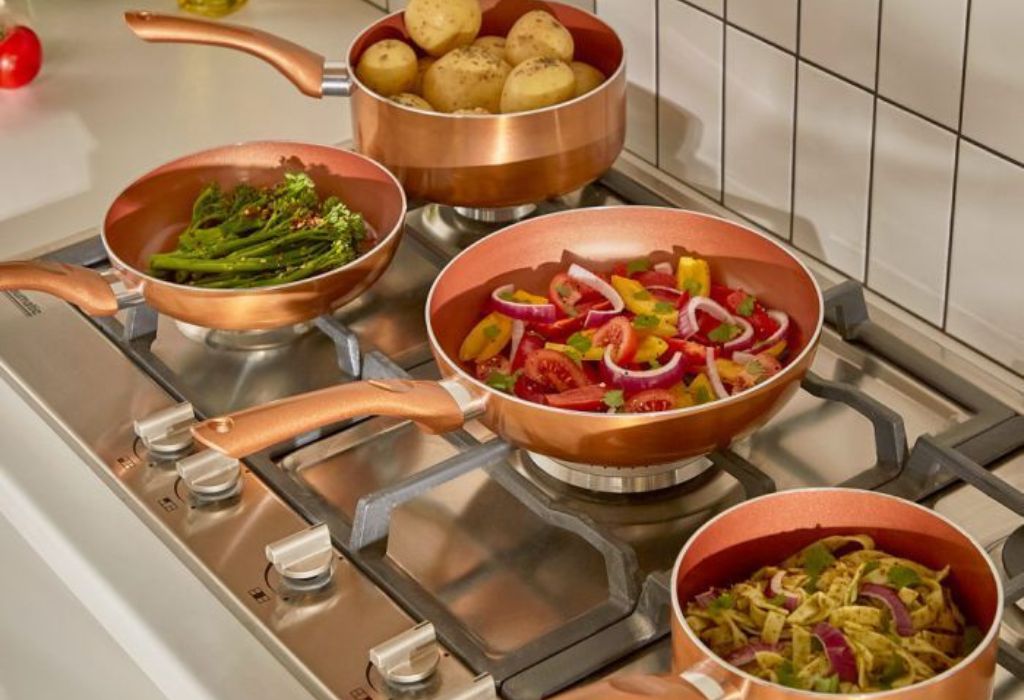
Copper cookware is widely appreciated for its unmatched heat conductivity and its classic, visually appealing design. Unlike other metals, copper heats quickly and distributes heat evenly, which allows for precise temperature control during cooking.
This property makes it ideal for tasks such as roasting, braising, baking delicate dishes, or simmering sauces where even a slight fluctuation in temperature can affect results.
There are two main types of copper cookware: unlined and lined. Unlined copper cookware is composed entirely of copper and can react with acidic foods like tomatoes, citrus, and vinegar.
These reactions may lead to minor copper leaching, which can alter the taste of food and, over time, pose health risks. While unlined copper provides a traditional cooking experience and direct contact with food, it requires careful handling and strict cooking practices to ensure safety.
Lined copper cookware mitigates these risks by incorporating a protective interior layer, usually made from tin or stainless steel.
Tin-lined copper offers a smooth, non-reactive surface that prevents copper exposure while preserving excellent heat conductivity.
Stainless steel linings are more durable and resistant to scratches, making them particularly suitable for oven use and long-term heavy cooking.
Both lining types allow the cook to enjoy the aesthetic and functional benefits of copper without compromising safety.
Maintenance is essential to maximize both the lifespan and performance of copper cookware. Polishing the exterior keeps the copper bright and attractive while preventing oxidation that can lead to surface tarnish.
The lining must be inspected regularly to ensure it is free from scratches or wear, as damage exposes the underlying copper.
Tin linings may require professional re-tinning over time, whereas stainless steel linings generally require minimal upkeep but still benefit from careful cleaning.
Understanding the characteristics of copper cookware, including lining types, heat response, and maintenance requirements, is key to using it safely and effectively.
Choosing the appropriate type based on the cooking method, recipe, and temperature needs ensures optimal results.
When handled and maintained properly, copper cookware provides superior thermal performance, long-term durability, and timeless visual appeal, making it a valuable tool for any kitchen.
Safety Risks of Using Copper Cookware in the Oven
While copper cookware offers exceptional heat conductivity and elegant design, using it in the oven requires careful attention to safety. One of the primary risks is damage to the lining, which can compromise both the pan’s appearance and its food safety.
Tin linings are particularly vulnerable to high temperatures, and overheating can lead to discoloration, warping, or even exposure of raw copper.
Stainless steel linings are more heat-resistant, but improper handling or exceeding temperature limits can still reduce the lifespan of the cookware.
Warping is another concern when using copper cookware in the oven. Copper is a soft metal that reacts quickly to temperature changes, and rapid heating or extreme temperature fluctuations can cause the pan to lose its shape.
This not only affects cooking performance but also increases the likelihood of uneven heating or damage to the lining. Gradually preheating the pan and avoiding direct exposure to extreme oven temperatures is crucial to minimize warping.
Handles and knobs can also pose safety risks during oven use. Many copper pans feature wooden, plastic, or composite handles that are not rated for high heat. These handles can burn, warp, or detach if exposed to temperatures above their safety threshold.
Metal handles are generally safer but can become extremely hot, requiring careful handling with oven mitts to prevent burns. Understanding the temperature limits of both the pan and its handles is essential for safe oven use.
Repeated misuse in the oven, such as exceeding temperature limits or using improper cleaning methods afterward, can shorten the life of copper cookware.
Damage to the lining, scratches, or discoloration not only affects safety but also reduces thermal performance and aesthetic appeal.
Awareness of these risks allows cooks to take preventive measures and ensure both the longevity and functionality of their copper cookware.
Maintaining safety while using copper in the oven involves selecting the right type of cookware, adhering to manufacturer-recommended temperature limits, and taking precautions with handles and lids.
Gradual preheating, avoiding sudden temperature changes, and understanding the limits of both tin and stainless steel linings prevent damage and ensure safe cooking.
By recognizing these safety risks, home cooks and professional chefs can confidently use copper cookware in the oven while preserving its performance, appearance, and reliability for years to come.
Safe Oven Use for Copper Cookware
Using copper cookware safely in the oven requires knowledge of temperature limits, lining types, and proper handling. Lined copper cookware, whether tin or stainless steel, is generally safe for oven use when guidelines are followed.
Tin-lined pans typically withstand temperatures up to 450°F (230°C), while stainless steel linings can tolerate higher heat, often up to 600°F (315°C).
Adhering to these limits ensures that the lining remains intact, protecting food from contact with raw copper and maintaining the pan’s heat conductivity.
Preheating copper cookware gradually is essential to prevent warping. Rapid temperature changes can stress the metal, leading to deformation that affects even cooking and long-term durability.
For recipes requiring high oven temperatures, selecting stainless steel-lined pans is preferable, as they resist heat better than tin linings.
Avoiding broiler use or direct exposure to extreme heat further minimizes the risk of lining damage and pan warping.
Handles and lids must also be considered when placing copper cookware in the oven. Many pans have wooden or plastic handles that can burn or warp at high temperatures.
Metal handles are more durable but can become extremely hot, necessitating the use of oven mitts or heat-resistant gloves. Lids, particularly glass ones, should only be used if they are rated for oven use, usually up to 350–400°F (175–200°C).
Proper selection and caution prevent accidents and maintain the structural integrity of the cookware.
After oven use, allowing copper cookware to cool gradually is important. Sudden cooling can cause warping or damage the lining. Once cooled, the pan should be cleaned gently with mild, non-abrasive methods to remove any food residue and maintain the lining’s integrity.
Drying thoroughly with a soft cloth prevents water spots and protects the exterior copper finish. Regular maintenance, such as polishing and inspection, ensures the cookware remains safe and visually striking.
By following these practices, copper cookware can be safely used in the oven for roasting, baking, and braising.
Understanding temperature limits, handling precautions, and proper post-oven care maximizes the performance and longevity of the pans.
These measures allow home cooks and professional chefs to enjoy the superior heat conductivity, durability, and aesthetic appeal of copper cookware without compromising safety or functionality.
Maintenance and Care After Oven Use
Proper maintenance after using copper cookware in the oven is crucial to preserving both its functionality and appearance.
Copper is highly reactive, and prolonged exposure to heat can accelerate tarnishing or discoloration if the cookware is not cared for properly. Immediately after removing the pan from the oven, it should be allowed to cool gradually to prevent warping or damage to the lining.
Sudden temperature changes, such as placing a hot pan under cold water, can compromise the structural integrity of the copper and the protective lining.
Cleaning should always be performed with gentle, non-abrasive methods. Soft sponges or cloths combined with mild dish soap or natural cleaning agents, such as lemon juice or baking soda, remove food residues without scratching the lining.
Avoiding harsh detergents and steel wool is essential to protect both tin and stainless steel linings, as scratches or worn areas can expose the underlying copper, affecting both safety and performance.
For heavily tarnished exteriors, specialized copper polishing compounds can restore shine while keeping the lining intact.
Drying is a critical step in post-oven care. Moisture left on the surface can lead to water spots, streaks, or early oxidation. Using a soft microfiber cloth to thoroughly dry the pan helps maintain its aesthetic appeal and reduces the need for frequent polishing.
Polishing also contributes to long-term durability, preventing tarnish from forming rapidly and ensuring that the cookware remains visually striking.
Handles and knobs require attention as well. Metal handles may remain extremely hot after oven use, so care must be taken when cleaning and storing the pan.
Wooden or plastic handles should never be exposed to high heat for extended periods and must be inspected for any signs of cracking or warping. Proper handling ensures safety and prolongs the life of both the cookware and its components.
Routine inspection and maintenance, including checking the integrity of the lining, polishing the exterior, and storing cookware properly, are essential for oven-safe copper pans.
By implementing these post-oven care practices, home cooks and professional chefs can preserve the superior heat conductivity, safety, and aesthetic appeal of copper cookware.
Consistent maintenance transforms cleaning and storage from a chore into a simple routine that ensures long-lasting performance and beautiful presentation in every cooking session.
Alternatives and Best Practices for Oven Cooking
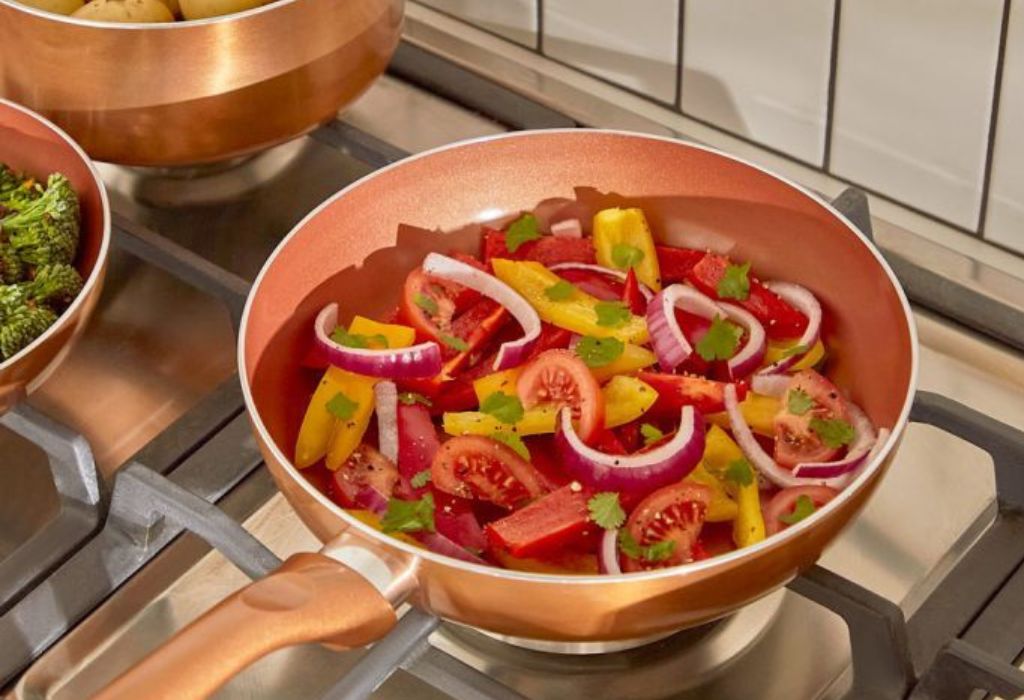
While copper cookware offers exceptional heat conductivity and visual appeal, it is not always the most suitable choice for high-temperature oven cooking.
Tin linings, in particular, have a maximum safe temperature of around 450°F (230°C), and even stainless steel linings can be compromised by prolonged exposure to extreme heat.
For home cooks or professional chefs seeking maximum flexibility and safety, considering alternative oven-safe materials can help prevent damage while maintaining effective cooking results.
Stainless steel cookware with a copper core provides many of the heat benefits of pure copper while offering greater durability and higher oven temperature tolerance.
Cast iron is another reliable alternative, known for its superior heat retention and resistance to warping or lining damage. While it is heavier and requires seasoning to prevent sticking, cast iron can handle direct broiler use and extreme oven temperatures safely.
Aluminum pans are also suitable for oven use and provide good heat distribution, though they may lack the aesthetic appeal and premium feel of copper cookware.
Even when using copper, adhering to best practices ensures safe oven performance. Gradual preheating helps prevent warping and protects the lining.
Avoiding direct broiler exposure, refraining from rapid temperature changes, and using oven-safe handles and lids are essential steps.
It is also recommended to avoid transferring cookware directly from freezer or refrigerator to a hot oven, as thermal shock can compromise both lining and structural integrity.
Proper post-oven care complements these best practices. Allowing the cookware to cool slowly, cleaning with gentle, non-abrasive methods, and thoroughly drying the exterior prevents tarnish, water spots, and accelerated oxidation.
Regular inspection of the lining, particularly after high-heat use, ensures continued safety and performance. Polishing the exterior periodically maintains visual appeal and reduces the frequency of intensive cleaning sessions.
By combining careful material selection with these best practices, cooks can enjoy the advantages of copper cookware without risking damage or safety issues.
Alternatives such as stainless steel, cast iron, and aluminum offer additional flexibility for high-temperature oven applications, while proper handling and maintenance preserve the longevity and functionality of copper pans.
Understanding these options allows home cooks and professionals to achieve consistent, safe, and aesthetically pleasing results in every oven-based cooking task.
Can copper cookware go in the oven?
Yes, most copper cookware can safely go in the oven, especially if it has stainless-steel or tin lining and oven-safe handles. However, always check the manufacturer’s temperature limit before baking or roasting.
What is the maximum oven temperature for copper cookware?
Copper cookware is typically safe up to 450–500°F (230–260°C), depending on its lining and handle material. Tin-lined pans have lower limits (around 425°F), while stainless-steel-lined ones can handle higher heat.
Is tin-lined copper cookware oven-safe?
Tin-lined copper cookware is oven-safe but should not exceed 425°F (218°C). Higher temperatures can cause the tin lining to melt or warp, compromising safety.
Is stainless-steel-lined copper cookware oven-safe?
Yes, stainless-steel-lined copper pans are highly oven-safe and can withstand higher temperatures than tin-lined versions, making them suitable for roasting or baking.
Can copper cookware with wooden handles go in the oven?
No, never place copper cookware with wooden handles in the oven. Wood can dry out, crack, or catch fire when exposed to high heat.
Are copper pans with brass or cast iron handles oven-safe?
Yes, brass and cast iron handles are oven-safe and can tolerate high heat. However, always use oven mitts, as these handles become extremely hot.
Can I use copper lids in the oven?
Copper lids without plastic or glass parts are oven-safe, but be cautious with those that have knobs made of non-metal materials—they can melt under high heat.
Will high oven heat damage copper cookware?
Excessive heat can discolor the copper surface and weaken tin linings. Always stay within the recommended temperature range to protect the pan’s integrity.
Can copper cookware go under a broiler?
No, avoid using copper cookware under a broiler. The intense direct heat can melt tin linings and warp the metal.
How can I tell if my copper cookware is oven-safe?
Check for oven-safe labels or consult the manufacturer’s website. If the cookware has non-metal handles or a delicate lining, it’s likely not suitable for oven use.
Is it safe to preheat an empty copper pan in the oven?
No, preheating an empty copper pan can cause warping or damage to the lining. Always add food, oil, or water before heating.
Can copper bakeware be used for baking cakes or pastries?
Yes, copper bakeware provides excellent heat distribution, which helps bake evenly. Just ensure it’s properly lined and rated for oven use.
Does copper discolor when used in the oven?
Yes, high heat can cause copper to darken or develop patina over time. This discoloration is cosmetic and does not affect performance.
How should I clean copper cookware after oven use?
Allow it to cool first, then wash with mild soap and warm water. Avoid abrasive scrubbing, which can scratch the lining or damage the polish.
What precautions should I take when using copper cookware in the oven?
Always verify the handle and lining materials, avoid extreme temperature changes, and use protective mitts to handle hot surfaces safely.
Conclusion
Copper cookware combines superior heat conductivity, elegant aesthetics, and long-term durability, making it a prized tool in both home and professional kitchens.
However, safe oven use requires a clear understanding of lining types, temperature limits, and proper handling. Lined copper cookware, whether with tin or stainless steel, provides the necessary protection to prevent copper exposure while maintaining excellent thermal performance.
Following manufacturer guidelines and adhering to safe cooking practices ensures that these pans remain both functional and visually appealing over time.
Understanding temperature limits is critical for safe oven use. Tin-lined pans are generally safe up to 450°F (230°C), while stainless steel linings can tolerate higher temperatures, often up to 600°F (315°C).
Exceeding these limits can warp the pan, damage the lining, or compromise cookware safety. Gradual preheating and avoiding direct broiler use or rapid temperature changes help preserve structural integrity.
Oven-safe handles and lids should always be verified before use to prevent burns, melting, or warping.
Post-oven care is equally important to maintain longevity and performance. Gradual cooling, gentle cleaning with non-abrasive methods, and thorough drying prevent tarnish, streaks, or lining damage.
Polishing the exterior restores visual appeal, while routine inspections ensure the lining remains intact. Proper maintenance not only safeguards safety but also preserves the copper’s aesthetic charm, ensuring it remains a centerpiece in any kitchen.
For cooks seeking additional flexibility, alternatives such as stainless steel with a copper core, cast iron, or aluminum can handle higher temperatures while providing reliable oven performance.
However, when used correctly, copper cookware offers unmatched heat distribution, precise cooking control, and timeless elegance.
By combining careful oven use, preventive measures, and consistent maintenance, home cooks and professional chefs alike can fully enjoy the advantages of copper cookware without compromising safety or longevity.
Ultimately, safely using copper cookware in the oven is a balance of knowledge, careful handling, and proper care.
By understanding lining types, temperature limits, and post-use maintenance, cooks can protect their investment while ensuring meals are cooked evenly and safely.
Following these practices allows copper cookware to deliver decades of reliable, precise, and visually striking performance, making it a truly indispensable tool for any culinary enthusiast.

I’m Emma J. Caldwell, the founder, lead writer, and home-cooking enthusiast behind KitchenGuideCo.com. With a background in culinary arts and over a decade of cooking experience in both professional and personal kitchens, I created this platform to demystify recipes, offer smart kitchen gadget reviews, and guide readers through meal prep with confidence and clarity.