Cuisinart food processors make cooking easier, faster and more efficient, but cleaning the parts afterward often feels like the hardest step.
Many people wonder if they can simply place the parts inside a dishwasher and let the machine handle the work. The idea sounds convenient, especially after preparing large meals or chopping ingredients that leave sticky residue behind.
Confusion begins when people read mixed advice online or see warnings printed on certain parts. Some pieces look sturdy enough for a dishwasher, while others seem too delicate for high heat or strong water pressure.
Without clear guidance, homeowners worry about damaging their food processor or shortening its lifespan.
Cuisinart designs its food processors with various materials including plastic, stainless steel and metal blades.
Each of these materials reacts differently inside a dishwasher, and knowing which pieces can handle heat and detergent is essential. Understanding these differences keeps your appliance working smoothly.
This guide explains exactly which Cuisinart parts are dishwasher safe, which ones you should wash by hand and how to avoid damage during cleaning.
By the end, you will know the safest, quickest and most effective way to clean your entire food processor properly. This prevents mistakes and helps your appliance last much longer.
Which Cuisinart Food Processor Parts Are Dishwasher Safe
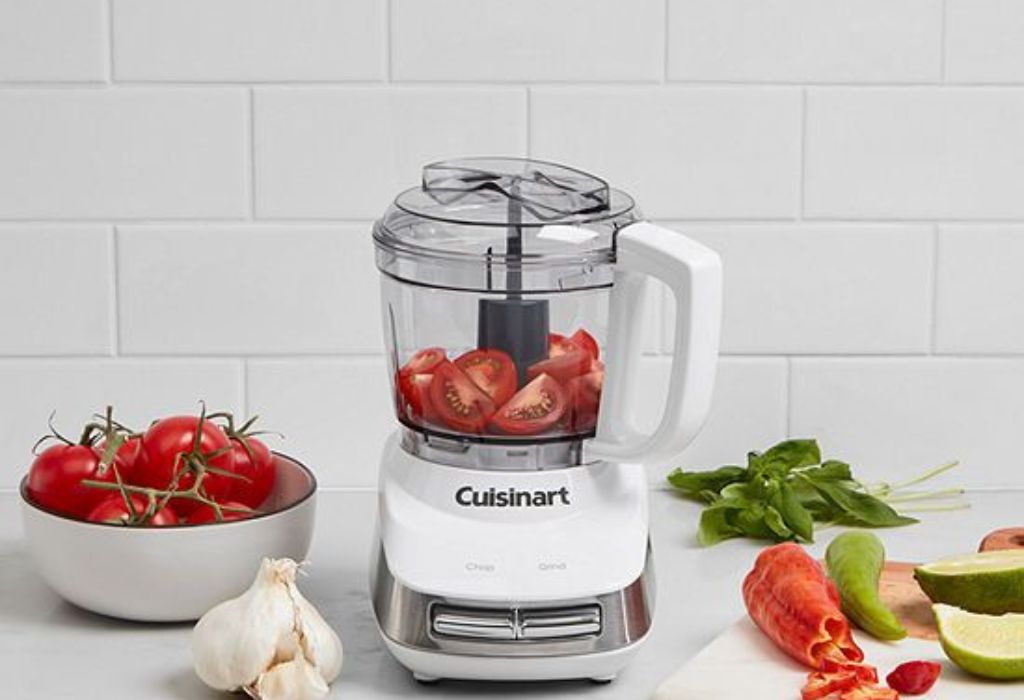
Cuisinart allows many parts of its food processors to be placed in the dishwasher safely. Most removable plastic bowls are top rack dishwasher safe. This includes work bowls, small bowls and nesting bowls.
The lids and feed tubes are also generally dishwasher safe. They can handle mild detergent and moderate temperatures without warping. However, placing them on the top rack is always recommended.
The pusher assembly is usually safe for dishwasher cleaning. It contains no metal components that might rust. The plastic tolerates heat well when placed on the upper rack.
Some specialty attachments such as slicing discs and shredding discs may be dishwasher safe depending on the model. Cuisinart often designs these with durable stainless steel. Checking the manual ensures accuracy.
Dishwasher safe components make cleaning easier. However, even dishwasher safe parts last longer when washed gently. Using mild detergent and avoiding harsh cycles helps preserve clarity and shape.
Not all Cuisinart components are meant for dishwashers. Certain parts require hand washing to maintain sharpness and durability. Knowing which ones helps prevent long term damage.
Parts You Should NEVER Put In The Dishwasher
The chopping blade and metal cutting blades should not be placed in a dishwasher. High heat and harsh detergent dull the sharp edges quickly. Dishwashers also promote rust on metal components if moisture lingers.
Any motor base should never be washed in a dishwasher. The motor contains electrical wiring that must remain dry at all times. Water exposure can permanently damage the appliance.
Some Cuisinart models include dough blades made of softer plastic. These blades may warp under dishwasher heat. Hand washing protects their shape and performance.
Rubber gaskets and seals should also be washed by hand. Dishwashers may cause the rubber to dry out and crack over time. This affects the processor’s ability to form a tight seal.
Older Cuisinart lids may contain metal hinges. These hinges cannot handle dishwasher moisture. Rust development is likely with repeated exposure.
Hand washing extends the life of delicate components. The dishwasher’s hot water and powerful jets are too aggressive for certain items. Treating sensitive parts carefully protects your appliance.
Can dishwasher detergent damage blades?
Yes, harsh detergent dulls sharp edges quickly.
Is it safe to put the motor base in the dishwasher?
No, electrical components must never get wet.
Do dough blades warp in dishwashers?
Yes, softer plastics can deform under high heat.
Are rubber gaskets dishwasher safe?
No, dishwashers dry out and crack the rubber.
Will metal hinges rust in dishwashers?
Yes, repeated moisture exposure causes rust.
Heat And Detergent Effects On Cuisinart Plastic Parts
Plastic Cuisinart bowls can withstand dishwasher cleaning when placed on the top rack. However, repeated exposure to high heat cycles may cause cloudiness. Cloudy plastic does not affect performance but reduces clarity.
Dishwasher detergent contains strong cleaning chemicals. These chemicals are designed to break down food residue on dishes. Some plastics react to these detergents with slight discoloration.
Top rack placement reduces exposure to intense heat. The bottom rack is closer to the heating element. Heat concentration there may warp certain plastics.
Pulsing hot water from dishwasher jets can also stress delicate edges. Lightweight parts may shift during cycles. This affects long term durability.
Some Cuisinart parts are more heat resistant than others. Transparent bowls tend to be more sensitive. Opaque components handle dishwashers better.
To preserve appearance, many owners wash plastic components by hand. Mild soap and warm water keep surfaces clear and scratch free. This method ensures long lasting quality.
Why Blades Must Be Hand Washed Only
Food processor blades rely on sharp edges to perform efficiently. Dishwashers dull these edges faster than hand washing. Strong jets and detergent weaken the blade’s cutting ability.
The blades contain metal that can rust if left damp. Dishwashers often trap moisture in hidden areas. Rust compromises both performance and safety.
Dishwasher movement may cause blades to bang against other items. This leads to chipping and misalignment. Blades become unsafe for food preparation.
Hand washing blades prevents unnecessary dulling. Gentle cleaning preserves sharpness. This reduces the need for frequent replacements.
Drying blades immediately after washing prevents rust. Air drying increases moisture exposure. Using a towel ensures long term stability.
Cuisinart recommends hand washing in all manuals. Following these guidelines keeps the appliance working at maximum efficiency. Sharp, clean blades are essential for good results.
How To Safely Load Cuisinart Parts Into The Dishwasher
Always place Cuisinart plastic bowls on the top rack. The upper rack protects them from excessive heat. This reduces the risk of warping or cloudiness.
Lids and feed tubes should also go on the top rack. Their shapes allow water flow around edges. Proper placement ensures complete cleaning.
Avoid crowding items. Overloading prevents water from reaching all surfaces. Spread components out evenly.
Never place parts near the heating element. Heat exposure damages plastic. Positioning correctly protects sensitive areas.
Select a gentle dishwasher cycle. Heavy duty cycles use higher temperatures. Gentle cycles provide adequate cleaning without stress.
Use mild detergent if possible. Strong detergents affect plastics more aggressively. A softer formula helps preserve material quality.
Should Cuisinart bowls go on the top rack?
Yes, top rack placement protects them from heat.
Can dishwasher jets damage plastic parts?
Yes, strong jets may stress thin edges.
Is crowding the dishwasher bad for cleaning?
Yes, crowding prevents complete water flow.
Can I use heavy duty dishwasher cycles?
No, strong cycles increase heat and risk damage.
Should I use mild or strong detergents?
Mild detergents are safer for plastic parts.
Tips For Washing Cuisinart Food Processor Blades
Always wash blades immediately after use. Food residue dries quickly. Dried residue makes cleaning difficult.
Use a soft sponge to clean the blade edge. Avoid abrasive scrubbing pads. Abrasives dull metal quickly.
Hold blades carefully during washing. Sharp edges require attention. Handle with safety in mind.
Rinse blades thoroughly with warm water. Soap residue may affect food taste. Rinsing removes all leftover detergent.
Dry blades immediately after washing. Towels work better than air drying. Moisture accelerates rust formation.
Store blades in a safe place. Keeping them separate prevents accidental cuts. Proper storage extends their lifespan.
Hand washing blades takes only a few minutes. This small effort protects a valuable component. Sharp blades ensure the food processor performs well.
How Dishwashing Affects Rubber And Silicone Cuisinart Parts
Rubber seals prevent leaks between components. Dishwashers expose these seals to strong heat. Heat causes rubber to dry out and crack.
Silicone parts withstand heat better than rubber. However, repeated exposure still reduces elasticity. Flexibility decreases over time.
Dishwasher detergent contains chemicals not suitable for rubber. These chemicals degrade rubber surfaces. This leads to reduced performance.
The pusher’s silicone edges may lose shape in dishwashers. This affects fit and function. Hand washing protects structure.
Rubber feet under some components may loosen. Dishwasher conditions weaken adhesive bonds. Loose rubber pieces may detach.
Keeping rubber and silicone parts out of dishwashers ensures longer life. Warm water and mild soap clean them effectively. Gentle cleaning maintains flexibility.
Do rubber seals survive dishwasher cycles?
No, heat and detergent damage rubber seals.
Are silicone parts dishwasher safe?
Some are, but repeated exposure reduces elasticity.
Can rubber lose flexibility in dishwashers?
Yes, heat causes rubber to dry and crack.
Will detergent damage silicone surfaces?
Detergent may wear down silicone over time.
Should I hand wash all rubber components?
Yes, hand washing protects them best.
How To Clean Hard To Reach Areas On Cuisinart Parts
Some parts contain narrow grooves where food gets trapped. Dishwashers cannot always reach these areas. Manual cleaning is necessary.
Use a small brush to scrub tight spaces. Brushes designed for bottle cleaning work well. They reach deeper than sponges.
Warm water loosens food residue. Rinse components thoroughly before brushing. This makes scrubbing easier.
Avoid metal brushes. Metal scratches plastic. Scratches weaken surfaces over time.
For stubborn residue, soak parts in warm soapy water. Soaking softens the food. Gentle brushing completes the cleaning.
Proper cleaning prevents buildup. Buildup affects component alignment. Consistent care ensures smooth operation.
Hand cleaning ensures precision. Dishwashers lack accuracy for small spaces. Manual effort improves cleanliness.
How To Avoid Cloudiness On Plastic Cuisinart Parts
Repeated dishwasher exposure causes cloudiness. This happens due to detergent abrasion. Cloudiness does not affect performance but changes appearance.
To prevent cloudiness, wash plastic parts by hand. Warm water and mild soap clean effectively. Gentle sponges preserve transparency.
Avoid abrasive scrubbing pads. Abrasives scratch interior surfaces. Scratches accelerate cloudiness.
Dishwasher heat contributes to discoloration. Top rack placement minimizes heat exposure. Bottom rack placement increases risk.
Using mild detergent reduces surface damage. Harsh detergents break down clear coatings. Softer formulas protect clarity.
Dry plastic parts with a towel. Air drying leaves water spots. Towels ensure a clean finish.
Plastic clarity matters for appearance. Maintaining it requires small adjustments. Proper care extends the life of plastic parts.
Why do plastic bowls turn cloudy?
Heat and detergent abrasion cause cloudiness.
Can cloudiness be removed?
Not easily, prevention is better.
Does top rack placement reduce cloudiness?
Yes, it limits heat exposure.
Are harsh detergents harmful to plastics?
Yes, they accelerate discoloration.
Can hand washing prevent cloudiness?
Yes, hand washing keeps plastics clear.
Should You Wash Cuisinart Parts Immediately After Use
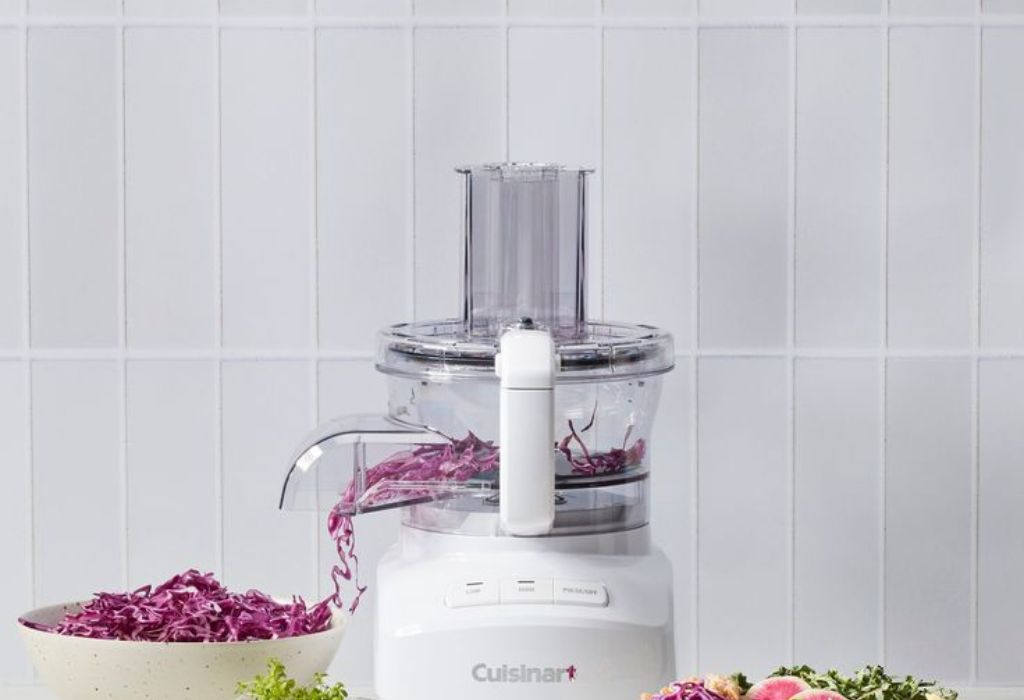
Cleaning parts immediately prevents drying. Dried residue becomes difficult to remove. Immediate washing saves time and effort.
Food processors handle sticky ingredients. These ingredients cling to surfaces. Early cleaning prevents buildup.
Hot water works best for fresh residue. Residue softens quickly. This makes washing easier.
Dishwashers cannot remove hardened material effectively. Hand washing before dishwashing improves results. Pre rinsing is essential.
Immediate cleaning prevents staining. Certain foods leave strong marks. Avoiding stains protects appearance.
Timely cleaning may extend component lifespan. Buildup strains delicate edges. Clean parts work more smoothly.
Best Practices For Long Term Cuisinart Maintenance
Deep cleaning each component regularly improves performance. Dishwashers alone cannot clean everything. Manual cleaning plays an important role.
Inspect parts periodically for cracks. Plastic may weaken over time. Early detection prevents bigger issues.
Lubricate moving parts if recommended. This helps ensure smooth operation. Only use manufacturer approved products.
Avoid exposing the food processor to extreme temperatures. Heat affects plastic and rubber. Consistent temperature helps durability.
Store parts properly when not in use. Keeping them organized prevents damage. Proper storage extends lifespan.
Follow manufacturer guidelines carefully. Manuals provide essential information. These instructions maintain warranty protection.
Caring for your Cuisinart helps it run like new. Consistent maintenance prevents unexpected problems. Good habits ensure long lasting performance.
Conclusion
Cleaning a Cuisinart food processor correctly is essential for maintaining its performance, longevity and safety.
While many parts such as bowls, lids and pushers are dishwasher safe when placed on the top rack, other components like blades, seals and motor bases must always be hand washed.
Understanding which pieces can tolerate dishwasher heat and detergent prevents accidental damage and ensures your appliance stays in excellent condition.
Dishwashing offers convenience, but not every part responds equally to aggressive water pressure, strong detergent and high temperatures.
Blades stay sharp longer with gentle hand washing, rubber seals remain flexible with mild cleaning and plastic parts maintain clarity when handled carefully. Following these simple guidelines helps protect your investment.
With proper cleaning habits, a Cuisinart food processor can last for many years. Using the dishwasher wisely and hand washing the delicate components ensures optimal performance.
By applying the detailed steps in this guide, you can maintain your processor safely, efficiently and without unnecessary wear.

I’m Emma J. Caldwell, the founder, lead writer, and home-cooking enthusiast behind KitchenGuideCo.com. With a background in culinary arts and over a decade of cooking experience in both professional and personal kitchens, I created this platform to demystify recipes, offer smart kitchen gadget reviews, and guide readers through meal prep with confidence and clarity.