Using a food processor to make smoothies feels unusual at first because it doesn’t have the tall narrow shape that blenders use to swirl ingredients smoothly.
I once watched someone pour fruits and milk into a processor expecting blender-like results, only to end up with a thick puree stuck to the sides.
But after learning the proper layering method and liquid adjustments, the same processor produced surprisingly creamy, drinkable smoothies.
Most people assume a food processor cannot make smoothies because the blade is designed for chopping rather than swirling.
But with enough liquid, smaller fruit pieces, and patient pulsing, a processor can break down ingredients effectively. The key is to respect the limitations of the machine while using its strengths for smooth blending.
If you understand how the bowl shape, blade size, and liquid movement work together, a food processor becomes a useful backup when a blender isn’t available. You may need to scrape the sides more often, but the final drink can still turn out delicious.
This guide explains exactly how and when to use a food processor to make smoothies successfully.
Can a Food Processor Really Be Used to Make Smoothies
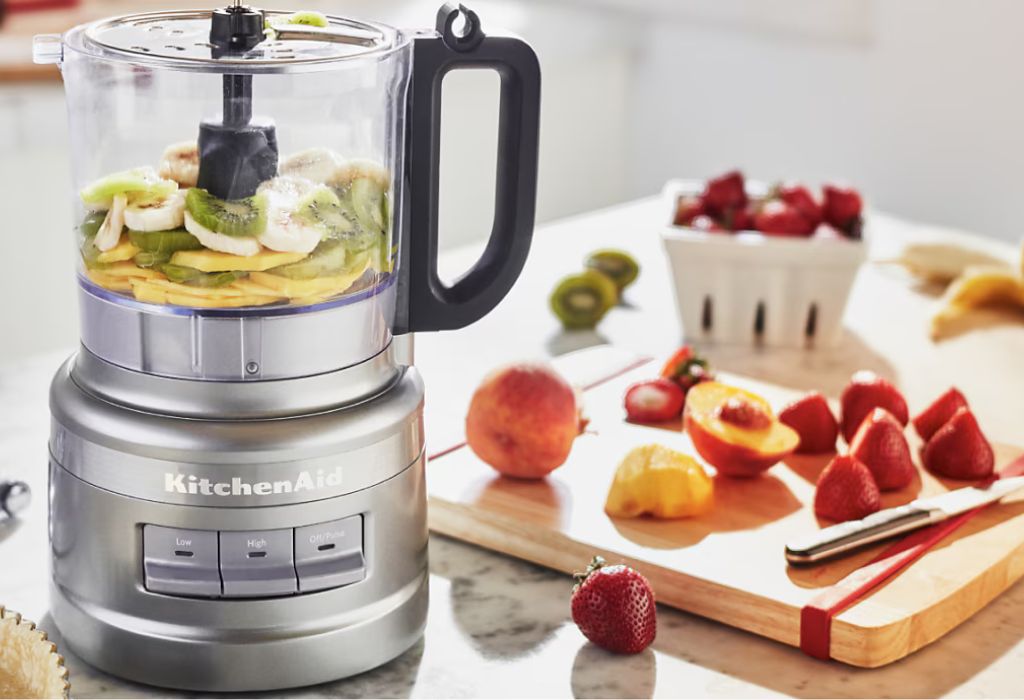
A food processor can make smoothies, but the process is different from a blender. Blenders pull ingredients downward into a vortex, but processors simply spin ingredients around the bowl. This means you need more liquid and more scraping to achieve a smooth drinkable texture.
Food processors have wider bowls, which prevents liquids from swirling deeply. Instead, liquids spread flat and require manual repositioning. Because of this, the technique matters more than the machine.
Smoothies made in food processors often begin thicker. You must add liquid gradually until the mixture reaches drinking consistency. This helps the blade catch all ingredients evenly.
Food processors are powerful enough to break down fruits, vegetables, andnut pieces. However, they do not naturally liquefy ingredients as efficiently as blenders. Pulse control becomes essential to avoid large chunks.
If your ingredients are soft and cut small, results improve significantly. Small pieces blend faster and require fewer pauses. Proper prep makes processor smoothies creamy and consistent.
Most failures occur when the bowl is overloaded. A crowded bowl prevents even distribution of liquids and fruit pieces. Working in small batches increases smoothness.
With correct technique, food processors can create smoothies that taste just like blender-made ones. It requires patience and proper liquid balance. Once mastered, it becomes a reliable method.
Can a food processor make a smooth smoothie?
Yes, but you need extra liquid and more scraping.
Why is my smoothie too thick?
Food processors flatten ingredients, so add more liquid to loosen it.
Does a food processor overheat with smoothies?
It can if run continuously, so always pulse instead.
Can I blend leafy greens in a processor?
Yes, but chop them small first for better breakdown.
Does a processor change smoothie taste?
No, only texture control differs.
How a Food Processor Handles Fruits and Vegetables
Food processors chop fruits and vegetables instead of pulling them downward like a blender. This chopping motion works well for dense ingredients such as bananas, apples, and carrots. But soft fruits blend faster because they break apart under minimal pressure.
Processors require ingredients to be cut smaller from the start. Large fruit pieces sit on the bowl edges and do not reach the blade often. Small pieces move around more easily for smoother results.
The bowl shape matters because foods spread sideways. As they spread outward, pockets of uneven texture develop. Scraping helps combine these pockets for even mixing.
Watery fruits like watermelon or orange help thinning the mixture. These fruits create natural liquid during processing. Adding them early helps activate smoother blending.
Fiber-heavy vegetables require patience. The blade cuts them into tiny pieces first before forming a puree. Continuous pulsing helps soften fibers gradually.
Processors can puree nearly any fruit if liquid is present. Even berries with seeds break down well in the bowl. Mangoes, peaches, and pineapples become creamy when softened.
Vegetables require more liquid than fruits. Their fibers resist breakdown more strongly. Adding water, milk, or juice helps the process.
Using a Food Processor for Ice and Frozen Ingredients
Food processors can handle ice better than many small blenders. Their strong blades crush ice through sharp chopping action. However, ice must be used in small amounts or it will jam the bowl.
Frozen fruit behaves like small ice chunks. It breaks down slowly into a thick puree. Adding liquid early helps prevent blade resistance.
If the mixture becomes too frozen, the processor’s motor may strain. You should pulse slowly to avoid overheating. Overworking the motor is one of the biggest smoothie mistakes.
Crushed ice blends well when mixed with soft ingredients. Soft fruits cushion the blades and create smoother transitions. Frozen bananas, berries, and peaches blend nicely with added milk.
Avoid dumping full ice trays into the processor. Always start with small handfuls. Gradual addition produces smoother consistency.
Frozen ingredients create a creamier smoothie texture. They thicken mixtures naturally without ice-cream-like heaviness. Many people prefer frozen fruit smoothies for this reason.
Processors do not create a vortex to pull ice downward. Therefore, you must scrape and stir between pulses. This ensures even crushing of ice chunks.
Can a food processor crush ice?
Yes, but only in small amounts with pulsing.
Why does frozen fruit get stuck?
Too little liquid prevents movement, so add more.
Can I add ice first?
No, add it after liquids and soft fruits for smoother blending.
Is frozen fruit better than fresh for smoothies?
Frozen fruit gives creaminess and better chill.
Why does my processor make loud noises with ice?
Ice hitting the bowl causes impact, so reduce quantity.
Tips for Making Smoothies in a Food Processor
Always start with liquids first to help ingredients move. Without a liquid base, fruit stays stuck on the bowl edges. Pour at least half a cup to start the process.
Cut fruit into smaller pieces before adding them. Smaller chunks reach the blade more often and blend evenly. This prevents random unblended pieces.
Pulse the mixture instead of running continuously. Pulsing keeps the blade cool and offers more control. It also prevents overheating that alters smoothie flavor.
Scrape the bowl frequently. Food processors lack the swirling motion of blenders, so scraping is essential. This ensures everything blends uniformly.
Use soft ingredients for faster results. Bananas, mangoes, berries, and yogurt create naturally smooth textures. Adding nuts or oats requires more liquid.
Choose chilled liquids for icy texture. Milk, almond milk, coconut water, or fruit juices work well. Chilled liquids also reduce heat during processing.
Taste the smoothie midway. Adjust sweetness, thickness, or fruit amounts before finishing. This helps achieve the perfect texture every time.
Differences Between a Blender and a Food Processor
Blenders are designed for liquids, while food processors are designed for solids. Blenders create a vortex that pulls ingredients downward repeatedly. Food processors simply spin ingredients across the bowl.
Blenders typically produce smoother drinks. They liquefy ingredients more effectively because of blade angle and bowl shape. Processors require more liquid to match that result.
Food processors excel at thick mixtures such as nut butters or dips. They handle dense ingredients better than blenders. But thin drinks are easier in a blender.
Blenders trap liquids at the bottom. Food processor bowls flatten liquids across a wider surface. This is why processor smoothies require scraping and layering.
Blenders create consistent textures with fewer pauses. Processors need manual adjustment for smooth outcomes. Patience improves texture significantly.
Processors are easier to clean because of wider surfaces. Blenders require more detailed cleaning around the blade tower. Both tools have advantages depending on task.
A processor can replace a blender temporarily. It cannot fully replicate blender smoothness but comes close with proper technique. Understanding differences helps you choose the right tool.
Why do blenders make smoother smoothies?
Their vortex motion blends ingredients deeper and faster.
Which is better for thick shakes?
Food processors handle thick mixtures more easily.
Why does my processor smoothie feel grainy?
You need more liquid or longer pulsing.
Can I blend hot ingredients in a processor?
No, heat causes pressure buildup and is unsafe.
Does a food processor use more liquid than a blender?
Yes, processors need more liquid for swirl movement.
Best Ingredients to Use for Processor Smoothies
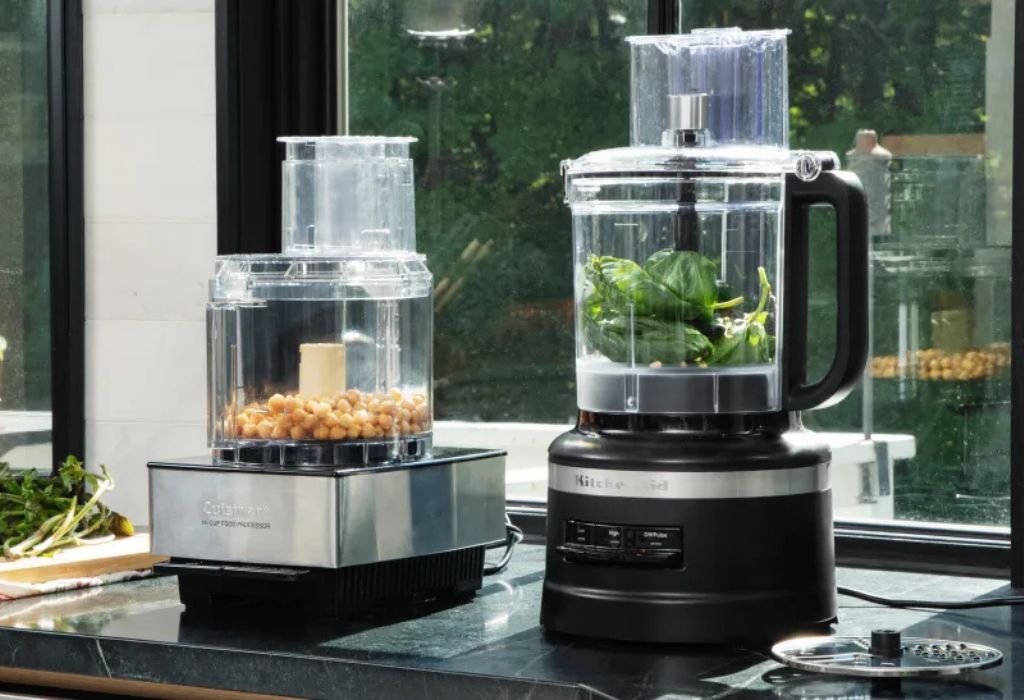
Soft fruits blend best in a food processor. Bananas, berries, kiwi, and peaches break down quickly. These fruits give naturally creamy textures.
Yogurt and milk help smooth out the mixture. They add creaminess while improving ingredient movement. Yogurt especially helps reduce grainy texture.
Nut butters are excellent for thickness. Peanut butter or almond butter adds protein and richness. Add them near the beginning for even blending.
Frozen fruit works well with liquid adjustments. It thickens the smoothie naturally and adds a cold, refreshing texture. However, it must be combined with enough liquid to avoid motor strain.
Oats and chia seeds add fiber. They absorb liquid and add body to the smoothie. Soaking oats beforehand improves smoothness.
Honey and maple syrup blend easily. They dissolve quickly and add sweetness without altering texture. These ingredients improve flavor without resisting the blade.
Leafy greens blend well when chopped small. Spinach breaks down easily, but kale requires extra liquid. Pre-chopping ensures they blend more evenly.
When You Should Not Use a Food Processor for Smoothies
Avoid making smoothies in a food processor when the recipe is extremely thin. Thin liquids splash around and do not blend completely. Blenders handle watery smoothies better.
Processors are not ideal for protein shakes. Protein powder can clump against the bowl walls. Blenders dissolve powders more consistently.
Avoid using processors for large smoothie batches. Wide bowls make it difficult to create even blending for multiple servings. You may need to blend in batches instead.
Do not use processors when you need silky, juice-like texture. Food processors rarely match blender smoothness. They produce thicker, pulpier results.
If your ingredients are mostly ice, processors may struggle. They can crush ice but not swirl it into a drink. Too much ice leads to uneven texture.
When time is limited, blenders are faster. Processors require scraping and pulsing repeatedly. This adds extra steps during preparation.
Food processors are excellent but not universal. Knowing their limits helps choose correctly. Some drinks simply need a blender’s vortex.
Conclusion
A food processor can absolutely be used to make smoothies, as long as you understand how to work with its wider bowl and chopping-style blades.
Unlike blenders, food processors do not create a vortex that pulls ingredients downward, so they rely more on pulsing, scraping, and proper liquid balance to create a drinking consistency.
With enough liquid, smaller fruit pieces, and patient mixing, a processor can transform fruit, yogurt, and ice into a creamy, refreshing smoothie.
Using a food processor for smoothies becomes easier when you embrace its strengths. It excels with thick mixtures, frozen fruit, and dense ingredients that might overwhelm small blenders.
At the same time, spacing out ingredients, layering correctly, and adding cold liquids can significantly improve smoothness and reduce motor strain.
By starting small, adding liquid gradually, and pulsing instead of blending continuously, you protect both the texture and temperature of your drink.
Although a blender outperforms a processor for thin, silky smoothies, the processor is a great alternative for everyday recipes. It allows you to stay flexible in the kitchen and still enjoy nutrient-rich drinks without requiring additional appliances.
Whether your blender breaks, isn’t available, or you simply want to experiment, a food processor can help you prepare delicious smoothies with just a few smart adjustments.

I’m Emma J. Caldwell, the founder, lead writer, and home-cooking enthusiast behind KitchenGuideCo.com. With a background in culinary arts and over a decade of cooking experience in both professional and personal kitchens, I created this platform to demystify recipes, offer smart kitchen gadget reviews, and guide readers through meal prep with confidence and clarity.