Whipping cream is something most people associate with a hand mixer or whisk, but many don’t realize a food processor can do the job remarkably well.
The speed of the blades and the enclosed environment create fast, consistent aeration. When done correctly, the cream becomes fluffy, thick, and stable in just seconds.
Most beginners hesitate because the food processor seems too powerful for delicate cream. They worry the cream will turn to butter instantly or splash around the bowl.
However, with the right technique, a food processor provides more control and achieves faster results than traditional tools.
This guide explains how a food processor whips cream, the best methods to use, common mistakes to avoid, and how to achieve perfect whipped cream every time.
Whether you need it for desserts, frosting, fruit bowls, or coffee, whipped cream made in a food processor is smooth and delicious. With proper timing and temperature, the process becomes simple and reliable.
Why a Food Processor Can Whip Cream Effectively
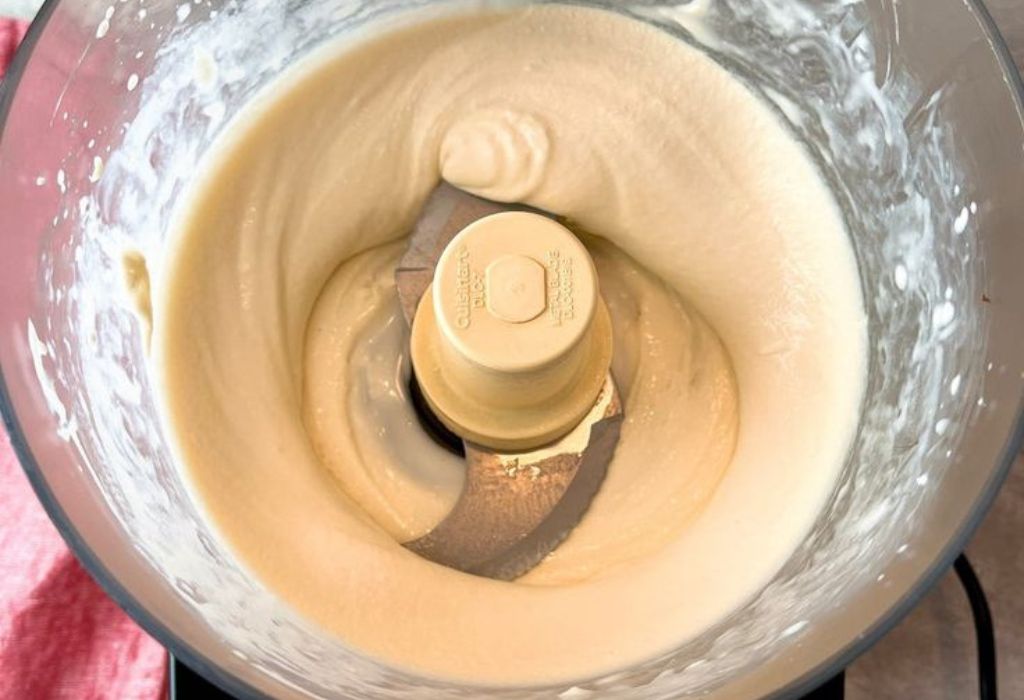
A food processor works by spinning the blade at high speed, creating rapid movement inside the bowl. This movement traps air into the cream, which increases volume. As air mixes with fat, the cream thickens and becomes fluffy.
The enclosed bowl design keeps the cream from splashing, which makes whipping cleaner and easier compared to open bowls. Even small amounts whip efficiently because the blades reach all areas evenly. This produces consistent results.
The sharp blades cut through the cream and distribute air faster than manual whisks. This means the whipping process happens in seconds instead of minutes. For those in a hurry, this method is extremely convenient.
The wide surface area inside the bowl helps the cream circulate smoothly. Proper circulation ensures that the entire batch thickens at the same time. This prevents uneven textures that happen with slow or inconsistent mixing.
A food processor also allows better control over overwhipping. You can stop the machine quickly as soon as the cream reaches soft or stiff peaks. This helps prevent turning cream into butter by mistake.
Finally, the processor handles chilled cream better than many mixers. Cold cream thickens faster and responds well to high-speed whipping. This combination makes it ideal for whipping cream quickly.
Tools and Ingredients Needed to Whip Cream in a Food Processor
You will need heavy cream or heavy whipping cream with at least 30 percent fat. Higher fat content creates better stability and volume. Lower-fat creams do not whip well.
A food processor with a standard metal blade works perfectly. You do not need a whisk attachment or special blade. The standard S-blade provides ideal aeration.
Sugar is optional depending on your recipe. Powdered sugar mixes more smoothly than granulated sugar. You can also use vanilla extract for flavor.
A chilled bowl is helpful because cold temperatures speed the whipping process. Cold cream thickens faster and produces better structure. If possible, chill the bowl for 10 minutes before use.
Cutting boards, spatulas, or measuring cups help prepare ingredients. A spatula helps scrape the sides to ensure even whipping. Measuring tools help maintain consistent results.
A freezer-safe container is useful for storing whipped cream. Homemade cream stays fresh longer when chilled properly. A clean container prevents flavor transfer.
Gloves or towels ensure a firm grip on the food processor. Handling cold equipment sometimes makes surfaces slippery. Using protection prevents accidents.
Understanding How Whipping Works Inside the Food Processor
Whipping cream depends on incorporating air into the liquid. The food processor blades move at high speed and push air through the cream consistently. This process traps tiny bubbles inside the fat molecules.
As more air enters the cream, the texture becomes thicker and more stable. Whipped cream increases in volume significantly. This is why a small amount of cream becomes a large amount of whipped topping.
Temperature plays a major role. Cold cream holds air better and stabilizes faster. Warm cream stays liquid and refuses to form peaks.
The fat content of cream also affects whipping. Too little fat prevents thickness, while enough fat creates a soft but stable structure. Heavy cream is ideal for food processor whipping because it reacts quickly.
During the whipping process, cream goes through stages. It begins as liquid, becomes frothy, then forms soft peaks, then stiff peaks. If mixing continues, fat separates and turns into butter.
Understanding these stages helps you stop at the right time. The food processor works very fast, so monitoring the texture is important. Precision ensures perfect results without accidental churning.
How to Prepare Cream Before Whipping
Start by chilling the cream thoroughly in the refrigerator. Cold cream thickens more quickly inside the food processor. This ensures maximum volume with minimal whipping time.
Chill the food processor bowl and blade if possible. A cold environment prevents cream from warming too fast. This helps achieve perfect peaks.
Measure your cream accurately to match your recipe. Overfilling the processor bowl may create uneven whipping. A half-full bowl generally works best.
Add sugar and vanilla before whipping if you want flavored or sweetened cream. Mixing ingredients beforehand ensures even distribution. Powdered sugar dissolves smoothly into cold cream.
Keep a spatula nearby to scrape the sides if needed. Although food processors mix evenly, small amounts sometimes cling to the edges. Scraping ensures consistent texture.
Avoid shaking or stirring the cream before placing it in the food processor. Unnecessary movement warms the cream slightly. Keeping it cold provides better results.
Once the cream, bowl, and blade are ready, place everything inside the food processor. Proper preparation ensures the cream whips faster and more consistently.
Step by Step Method to Whip Cream in a Food Processor
Pour the chilled heavy cream into the food processor bowl. Make sure the fill level stays below halfway. This prevents splashing and uneven mixing.
Secure the lid tightly before starting. The closed design keeps the cream inside and allows even aeration. A secure lid also prevents spills.
Pulse the cream for a few seconds to start incorporating air. Short pulses help you control texture. This approach reduces the risk of overmixing.
Switch to continuous processing for a few seconds once the cream thickens slightly. The cream will transform quickly during this stage. Always observe the texture through the lid.
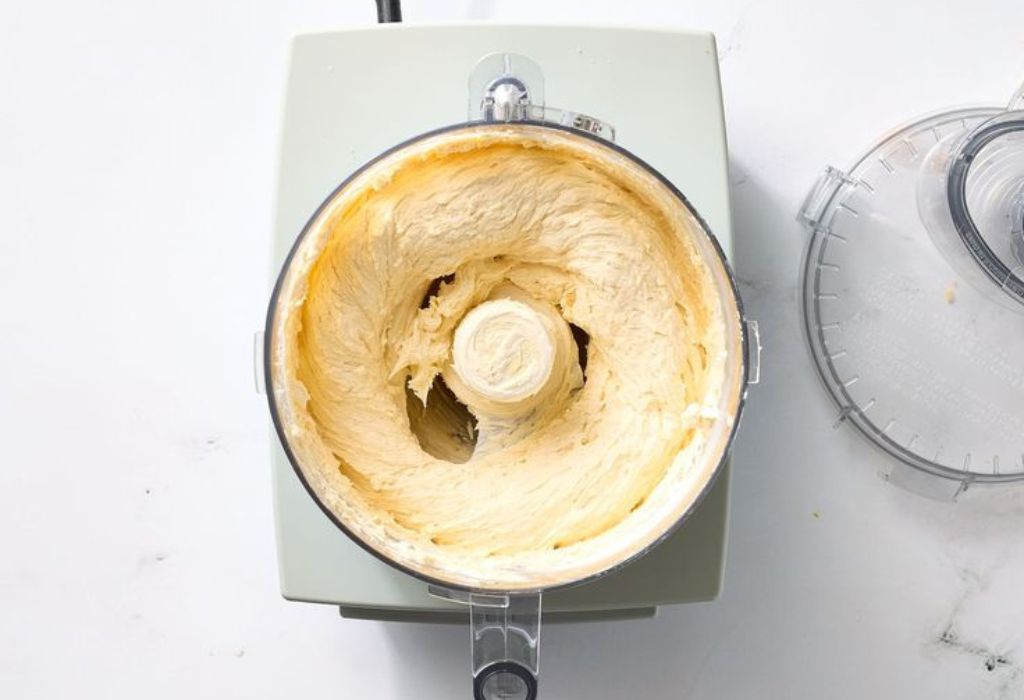
Stop the machine and check the consistency. If soft peaks are forming, whip for a few more seconds to reach stiff peaks. The cream should hold shape without falling.
If the cream appears slightly grainy, stop immediately. Graininess indicates the cream is close to turning into butter. Ending at this stage ensures perfect whipped cream.
Scrape the whipped cream into a bowl with a spatula. Avoid overhandling, as extra movement may deflate the cream. Serve immediately or chill for later use.
How to Achieve Perfect Soft or Stiff Peaks
Soft peaks form when the cream thickens but still bends gently when lifted. These peaks look smooth and light. Soft peaks are perfect for mousses or fruit toppings.
Stiff peaks hold their shape firmly when lifted. They stand tall without bending. Stiff peaks are ideal for piping, frosting, or decorative toppings.
To achieve soft peaks, stop whipping as soon as the cream thickens and starts forming waves. Light, fluffy texture is the goal. Avoid extra mixing after this point.
To achieve stiff peaks, continue pulsing until ridges form in the cream. The peaks should stand upright on a spoon. Check frequently to avoid overwhipping.
The difference between soft and stiff peaks depends on timing. Food processors work fast, so checking every few seconds is vital. Proper timing ensures consistent results.
Temperature affects peak formation. Warmer cream reaches soft peaks but struggles to reach stiff peaks. Cold cream reaches both easily.
Understanding peak stages helps you choose the right consistency for your recipe. Each texture adds its own charm to desserts and toppings.
Common Mistakes When Whipping Cream in a Food Processor
Whipping warm cream is a major mistake because warm liquid refuses to thicken. The cream will remain runny no matter how long you whip. Always use chilled cream.
Running the food processor too long can turn the cream into butter. Overwhipping breaks the fat structure. This creates lumps instead of smooth whipped cream.
Filling the processor bowl too much causes uneven whipping. Cream needs space to move and aerate. Overfilling makes the whipping process slow and inconsistent.
Using low-fat cream instead of heavy cream results in poor texture. Light creams do not whip properly. The fat content must be high enough for proper aeration.
Adding sugar too late may create grainy texture. Sugar must dissolve early in the process. Adding it at the wrong time affects consistency.
Not monitoring the whipping stages causes mistakes. Cream changes quickly inside the processor. Checking frequently prevents unwanted butter formation.
Skipping bowl chilling slows down the process. Cold bowl and blade increase efficiency. Chilling improves stability and texture.
Safety Tips When Using a Food Processor for Whipped Cream
Always secure the lid tightly before whipping. Liquid cream can splash easily at high speed. A locked lid prevents mess and accidents.
Keep your hands away from the blades at all times. Food processor blades are extremely sharp. Handle them only when unplugged.
Do not open the lid while the processor is running. Moving parts create air turbulence that can push cream out. Opening only after stopping ensures safety.
Use a steady surface to support the machine. Vibrations during whipping can shift the food processor. A stable foundation prevents tipping.
Unplug the machine before removing the blade or cleaning. This prevents accidental activation. A safe approach reduces risks.
Avoid using cracked or damaged processor bowls. Pressure from whipping may worsen cracks. Replace damaged parts immediately.
Clean blades carefully after use. Leftover cream hardens quickly. Cleaning ensures better performance next time.
Questions About Whipping Cream in Food Processors
Can a food processor really whip cream?
Yes, it can whip cream quickly and effectively using the standard blade.
How long does it take to whip cream in a food processor?
Usually between 10 and 30 seconds, depending on speed and cream temperature.
Why does my cream turn into butter?
It means you overwhipped the cream and broke down the fat.
Can I add sugar to the cream before whipping?
Yes, adding powdered sugar before whipping creates smooth texture.
Does the bowl need to be cold?
A cold bowl helps the cream whip faster and hold its shape better.
Can light cream be whipped in a food processor?
No, low-fat cream will not whip properly due to insufficient fat content.
What speed should I use?
Start with pulses, then switch to short bursts of continuous processing.
Can I make flavored whipped cream?
Yes, you can add vanilla, cocoa, or other flavorings before whipping.
Why is my whipped cream too runny?
The cream was not cold enough or was not whipped long enough.
How do I fix overwhipped cream?
Add a small amount of fresh cream and fold it gently to restore smoothness.
Conclusion
Whipping cream in a food processor is a fast and effective method when done correctly. The process requires cold cream, proper timing, and short bursts of processing. Following these steps ensures smooth, fluffy whipped cream every time.
A food processor gives you more control and speed compared to traditional methods. By monitoring the texture closely, you can achieve soft or stiff peaks easily. This makes the tool a great alternative for whipping cream.
Whether you are preparing desserts, beverages, or frosting, whipped cream from a food processor delivers excellent results. With practice and awareness, the process becomes simple and reliable. This guide provides everything you need for perfect whipped cream at home.

I’m Emma J. Caldwell, the founder, lead writer, and home-cooking enthusiast behind KitchenGuideCo.com. With a background in culinary arts and over a decade of cooking experience in both professional and personal kitchens, I created this platform to demystify recipes, offer smart kitchen gadget reviews, and guide readers through meal prep with confidence and clarity.