Imagine preparing a morning smoothie only to realize there’s no blender on the counter. The food processor sits ready, but a question arises: can food processors be used as blenders for smoothies? Many home cooks face this dilemma when craving a quick, nutrient-rich drink.
At first glance, both appliances appear to perform similar tasks—chopping, blending, mixing—but their design and purpose are not the same.
While a blender is built to liquify ingredients into silky, drinkable textures, a food processor focuses on chopping and mixing thicker or drier foods. This difference often sparks curiosity about how interchangeable they really are.
According to consumer data, over 80% of American households own at least one blending appliance (Statista), yet a large portion also owns food processors. With kitchen counter space limited, many people wonder whether one tool can replace the other effectively.
The benefit of understanding this distinction goes beyond convenience. Knowing when a food processor can replicate a blender’s function can save both time and money while improving your food’s final texture.
The real secret lies in ingredient preparation, liquid ratios, and how the blade interacts with your mix.
Understanding the Differences Between Food Processors and Blenders
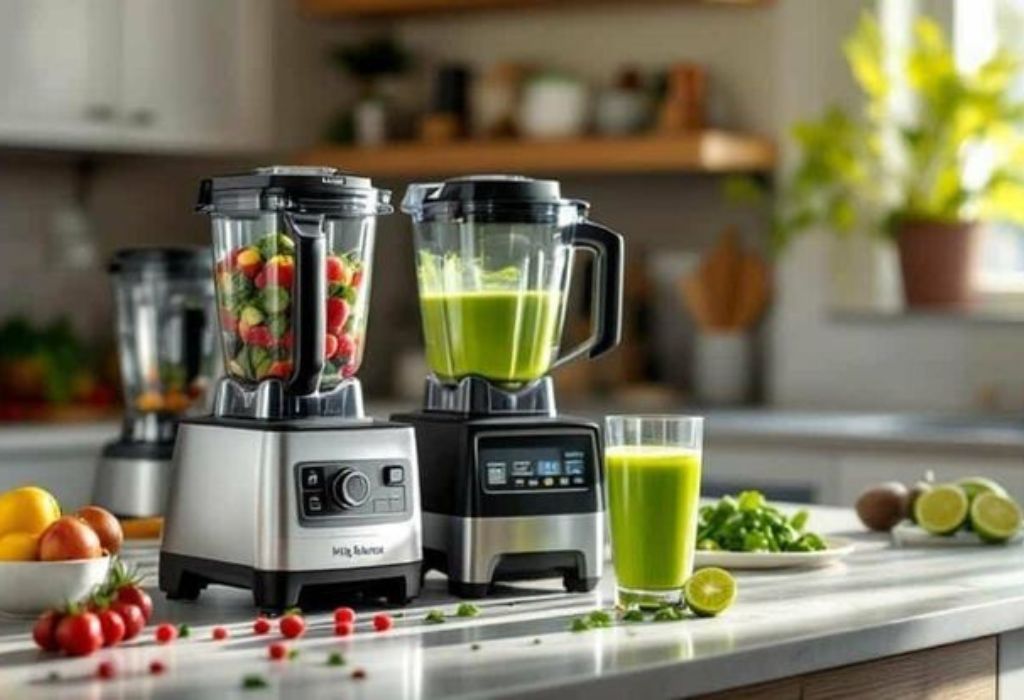
A kitchen often holds both a food processor and a blender, yet their roles differ more than most realize. This section uncovers why their design, power, and purpose are not the same—and why that matters when asking, can food processors be used as blenders for smoothies.
A blender is engineered to liquify ingredients. Its tall jar, fixed blades, and high-speed motor create a vortex that pulls food into the blades for a silky finish.
A food processor, in contrast, features a wide work bowl, an S-shaped blade, and adjustable discs meant for chopping, slicing, and mixing with minimal liquid.
The difference lies in motion and texture. A blender continuously circulates liquid, while a processor tosses ingredients around, creating thicker blends.
This explains why a food processor can mix ingredients well but may struggle to deliver the same smooth texture a blender achieves.
According to culinary experts at Epicurious and Serious Eats, blenders operate at higher RPMs and are optimized for emulsifying liquids, while processors rely on torque for cutting and kneading. This fundamental contrast determines the answer to whether a food processor can truly stand in for a blender.
what type of blade does a blender use?
A blender uses a fixed stainless-steel blade designed for high-speed rotation and liquid blending efficiency.
what about a food processor’s blade and bowl?
It relies on a removable S-shaped blade in a wider bowl, ideal for thicker foods and small liquid amounts.
why does the bowl shape matter?
The tall, narrow jar of a blender helps create a strong vortex, while the wide bowl of a processor disperses ingredients unevenly.
does motor power differ between them?
Yes. Blenders emphasize speed and suction; processors emphasize torque and control for solid foods.
what does this mean for smoothies?
It means food processors can blend soft ingredients but may leave texture or chunks unless used with extra liquid.
When the Answer “Yes” Is Realistic
While many assume a food processor cannot replace a blender, the truth is more nuanced. In certain situations, the answer to can food processors be used as blenders is a confident yes — provided you understand its limits and adjust your technique.
Food processors perform best when blending soft or pre-cut ingredients with enough liquid. Smoothies made with ripe bananas, berries, yogurt, or milk blend surprisingly well when these conditions are met.
By avoiding hard frozen chunks or too little fluid, you can achieve a texture that closely resembles a blender-made drink.
Kitchen experts note that the key lies in patience and preparation. Cutting fruits into smaller pieces, thawing frozen ingredients, and layering liquids first help the blades circulate ingredients efficiently. When done right, the result is a creamy blend suitable for breakfast smoothies or protein shakes.
However, the wide bowl of a food processor lacks the vortex motion that blenders naturally create. That means you may need to stop and scrape down the sides more often to ensure even blending. The process takes a bit longer but still delivers a satisfactory texture for most soft-ingredient smoothies.
can a food processor handle soft fruits and yogurt?
Yes, it blends soft ingredients easily when combined with enough liquid.
does using a food processor for smoothies require more liquid?
Yes, adding extra liquid helps compensate for the lack of a continuous vortex.
what about leafy greens or frozen fruit?
They are more difficult to process and may lead to uneven texture or small chunks.
will it pour easily from the processor bowl?
Not always. Food processor bowls are wider and lack a spout, making pouring slightly messier.
is cleanup harder when using a processor for smoothies?
It can be. The wide bowl and removable blades may trap residue, requiring a quick rinse and wipe after blending.
Practical Guide: How to Use a Food Processor for Smoothies
For those who prefer efficiency over perfection, learning how food processors can be used as blenders effectively can save both money and countertop space. With the right sequence and adjustments, a food processor can create smooth, drinkable results that rival a standard blender.
The key is to control liquid ratios, ingredient order, and blending time. Food processors work best when there’s enough liquid to allow circulation but not so much that it leaks or splashes. Think of it as coaxing the appliance into blending mode rather than forcing it.
Start by adding liquids such as milk, juice, or yogurt first. This forms a cushion that helps the blades move freely.
Next, layer in soft fruits like bananas, mangoes, or strawberries, followed by small portions of leafy greens or thawed frozen fruits. Pulsing in intervals creates a more uniform texture while preventing motor strain.
Experts suggest blending in smaller batches for optimal control. If your processor includes a pouring spout or mini bowl, use it for better handling. Once the mixture reaches a semi-smooth consistency, check for lumps, add a bit more liquid if needed, and blend again for a finer texture.
what’s the best sequence of ingredients?
Liquids first, followed by soft fruits, greens, and frozen items last for even blending.
should frozen fruit or ice be added?
It’s possible but challenging. Thaw them slightly before blending to reduce strain on the blades.
how full should the bowl be?
Keep it below halfway to prevent overflow and allow better circulation.
should you pulse or blend continuously?
Begin with short pulses, then blend steadily once ingredients move freely.
how to check consistency?
Stop occasionally, scrape the sides, and test texture. If it’s thick or chunky, add more liquid and continue blending.
Tips for Best Results When Using a Food Processor as a Blender
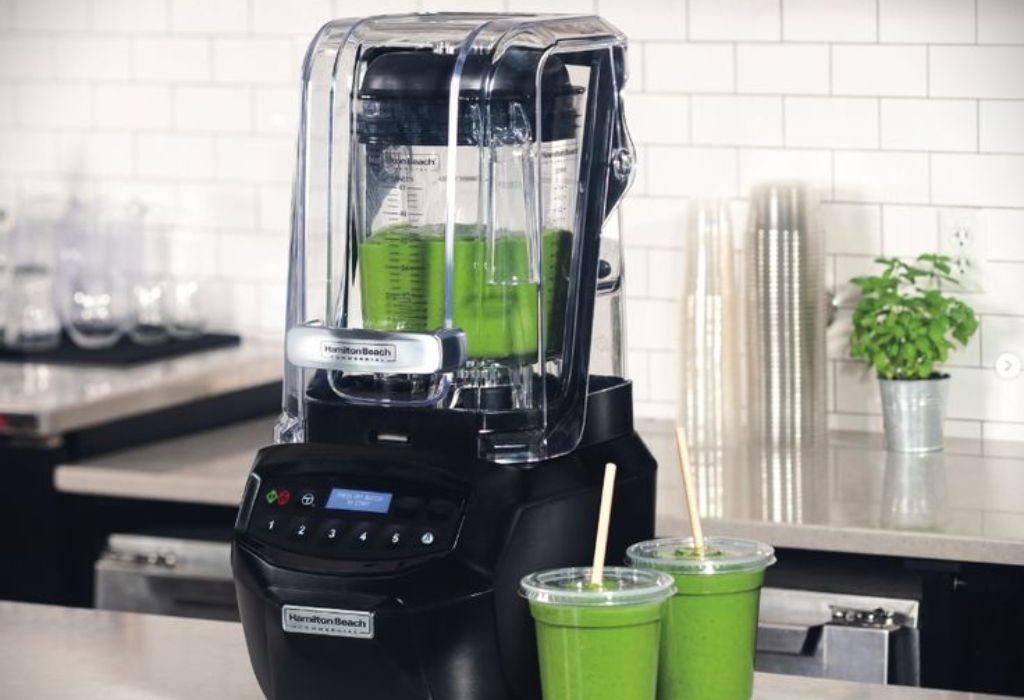
Getting smooth, drinkable results from a food processor is all about technique. While the question can food processors be used as blenders has a conditional yes, these small adjustments can dramatically improve your results and reduce frustration.
Start with properly prepared ingredients. Chop fruits and vegetables into smaller pieces to help the blades reach everything evenly. Always add enough liquid — a higher liquid-to-solid ratio ensures smoother consistency and prevents the mixture from sticking to the sides.
Avoid overloading the bowl. A food processor performs best when only half full, giving ingredients enough room to circulate. Too much volume causes uneven blending and unnecessary strain on the motor. If making larger batches, blend in stages for better control.
For leafy greens or fibrous ingredients, pre-pulsing them before adding fruits and liquids helps break down fibers early. Scraping the sides halfway through the process ensures nothing is left unblended. Once done, a quick rinse and soft sponge wash prevent sticky residue buildup.
why cut large fruit into smaller pieces?
Smaller pieces blend evenly and reduce stress on the motor.
why avoid too much ice?
Most food processors aren’t designed to crush ice efficiently, which can dull the blades.
how to manage leafy greens?
Pre-pulse them before adding liquids or mix them with softer fruits for smoother blending.
how to clean the food processor afterward?
Rinse immediately, fill the bowl with warm water and a drop of dish soap, then run for 10 seconds to loosen residue.
what is the ideal liquid-to-solid ratio?
Aim for about one part liquid to two parts solids for the smoothest, drinkable texture without over-thinning the blend.
Limitations and When to Avoid Using a Food Processor for Smoothies
Although food processors can be used as blenders, there are moments when they simply fall short. Understanding these limits prevents disappointment, extends the life of your appliance, and ensures you always get the best possible results.
A food processor’s design is not optimized for high-liquid recipes. The wide bowl doesn’t create a consistent vortex, causing ingredients to sit along the edges instead of circulating evenly. This often leads to a grainy or chunky texture, especially when working with fibrous vegetables or frozen fruits.
Another issue is leakage. Unlike a blender, which seals tightly at the base, a food processor may leak when overfilled with liquid. The lid and central spindle aren’t meant to handle high-volume liquids, so even small spills can occur during blending.
Durability also becomes a concern. Prolonged blending of thick or frozen mixtures can strain the motor and dull the blades. If smoothies are part of your daily routine, a high-speed blender is a smarter long-term investment.
Lastly, cleanup can be more tedious. Since food processor bowls have multiple parts, they’re slightly harder to rinse when compared to blender jars designed for liquid use.
will a food processor give the same smoothness as a blender?
No, the texture is often thicker or slightly grainy due to less consistent circulation.
what about using ice and frozen fruit?
Food processors can crush them in small batches, but it’s not ideal for frequent use.
is pouring from the bowl difficult?
Yes, the wide bowl lacks a spout, so transferring liquids can be messy.
can using a processor for smoothies wear it out faster?
Yes, overusing it for liquids can weaken seals and reduce blade sharpness.
when should you choose a dedicated blender instead?
If you make smoothies or shakes often, invest in a high-speed blender for smoother, faster results.
Which Appliance Should You Ultimately Choose?
Deciding between a food processor and a blender depends on how often you prepare liquid recipes like smoothies versus solid or semi-solid foods. The core question can food processors be used as blenders becomes less about capability and more about convenience, texture, and frequency of use.
If smoothies are an occasional treat, your food processor can handle the task with minor adjustments. It’s perfect for simple blends containing soft fruits, milk, or yogurt. However, for daily smoothie lovers or those using frozen fruits and protein powders, a dedicated blender remains the better investment.
Blenders excel at creating silky textures because they’re designed for continuous liquid motion. Their tall jars, sharper blade angles, and higher RPMs outperform the wider, slower food processor bowl. This is why high-performance blenders are common in smoothie bars and fitness kitchens.
When deciding which appliance fits best, consider your kitchen routine, available space, and budget. A multi-tasking food processor offers versatility for slicing, chopping, and mixing, while a blender focuses on achieving a consistent liquid blend. For some, owning both ensures maximum flexibility and efficiency.
do you need both a blender and a food processor?
Yes, if your cooking includes both smoothie-making and food prep tasks like dough kneading or shredding.
can a high-powered blender replace a food processor?
Sometimes, but it lacks slicing discs and control for solid ingredients.
what if kitchen space is limited?
Choose based on your main need—smoothies call for a blender; chopping and prep call for a processor.
does budget affect the choice?
Absolutely. High-end blenders cost more but deliver unmatched liquid smoothness.
what features matter most?
For blenders: tall jar, pour spout, and power. For food processors: large capacity, pulse control, and multiple attachments.
Maintenance, Safety, and Efficiency Tips
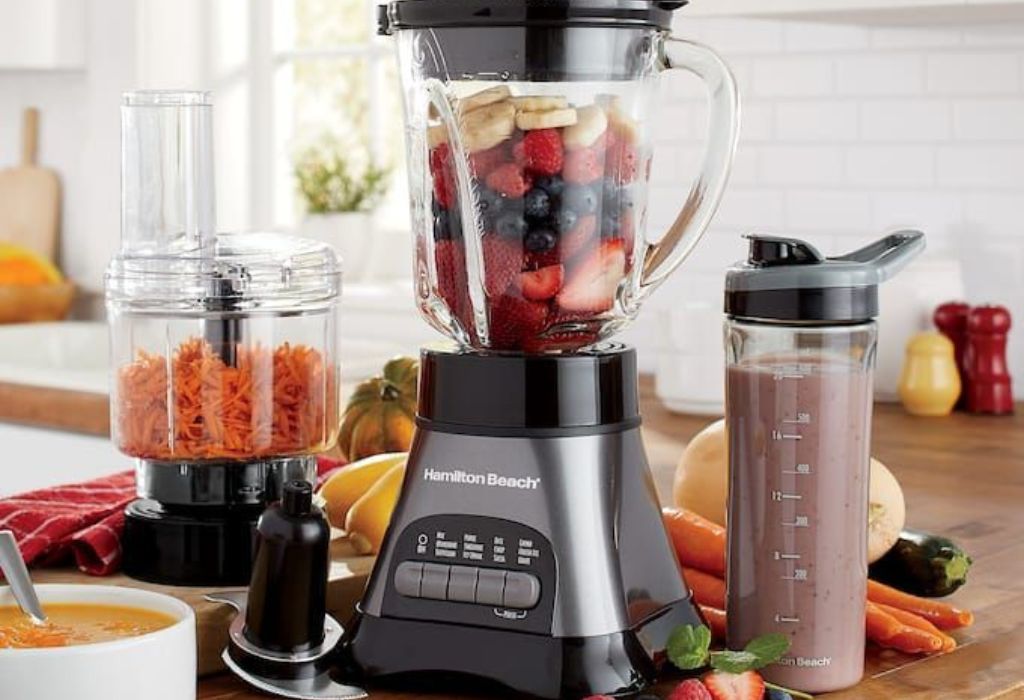
Once you’ve mastered how food processors can be used as blenders, keeping your appliance in top condition is essential. Proper maintenance ensures smooth performance, reduces mess, and helps extend the machine’s lifespan.
The first rule is to avoid overfilling. Food processors are designed for thicker mixtures, not large volumes of liquid. Filling beyond the maximum line can cause leaks through the lid or central spindle. Always process smaller batches if the mixture is very fluid.
Blade care is equally important. Regular cleaning with warm soapy water prevents residue buildup that can dull edges or trap odors. Check the sealing ring and base for leftover smoothie residue — even small traces can affect the next recipe or cause wear over time.
Motor safety should never be ignored. Continuous blending for more than a few minutes can overheat a food processor’s motor, especially when dealing with dense ingredients. Allow short breaks between blending cycles to cool the unit.
For storage, keep the bowl and blades completely dry before reassembling. A moisture-free setup prevents rust and extends durability.
can you overfill a food processor with liquid?
Yes, it may leak or blend unevenly since the bowl isn’t built for large liquid quantities.
can you crush ice in a food processor?
It’s possible but not ideal — frequent ice crushing can damage blades and strain the motor.
how to clean the blade and bowl after smoothies?
Rinse immediately, then run warm soapy water in the bowl for a few seconds before drying.
how to extend the life of your appliance?
Avoid forcing it to handle heavy frozen mixes and clean all parts after each use.
does processing liquids heat the motor?
Yes, it can. Always allow cooling intervals between blending sessions for safety and longevity.
Conclusion
After exploring design, technique, and performance, the answer to can food processors be used as blenders becomes clear — yes, but only within limits. Food processors can handle soft fruits, yogurt, and moderate liquid recipes effectively, yet they can’t fully replicate the silky texture produced by a high-speed blender.
For occasional smoothie-making, a food processor offers a practical and budget-friendly solution. By following the right steps—cutting ingredients smaller, adding enough liquid, and blending in intervals—you can achieve surprisingly smooth results without investing in extra equipment.
However, if smoothies, shakes, or soups are part of your daily routine, a dedicated blender remains the superior option. Its design, power, and jar shape make it more efficient for liquefying ingredients consistently.
Ultimately, the choice depends on how often you blend, your texture preference, and your kitchen setup. Both appliances have their strengths, but knowing when to use each one ensures better performance, less frustration, and a longer appliance lifespan.
For now, experiment with your food processor using the techniques shared here. You may find it does more than expected — giving you creamy, refreshing smoothies straight from the same appliance you already own.

I’m Emma J. Caldwell, the founder, lead writer, and home-cooking enthusiast behind KitchenGuideCo.com. With a background in culinary arts and over a decade of cooking experience in both professional and personal kitchens, I created this platform to demystify recipes, offer smart kitchen gadget reviews, and guide readers through meal prep with confidence and clarity.