Modern dishwashers are designed not only to save water and time but also to enhance kitchen efficiency. With straightforward connections and improved design standards, many homeowners wonder:
Can I install a dishwasher myself? The short answer is yes—if you have the right tools, patience, and attention to detail.
Professional installation offers convenience, but it often adds $150 – $250 to the cost. Performing the installation yourself can save that money while giving you control over placement, connections, and testing.
However, improper installation can lead to leaks, electrical hazards, and water damage. That’s why understanding the full process—from preparation to final inspection—is critical before starting.
This detailed guide explains how to safely install a dishwasher on your own, covering preparation, electrical and plumbing requirements, drainage setup, and testing. You’ll also learn the safety codes and manufacturer standards that professional installers follow.
By the end, you’ll know exactly what tools to use, how to connect the water line and drain hose properly, and when to call a professional if complications arise.
Understanding the Dishwasher Installation Basics
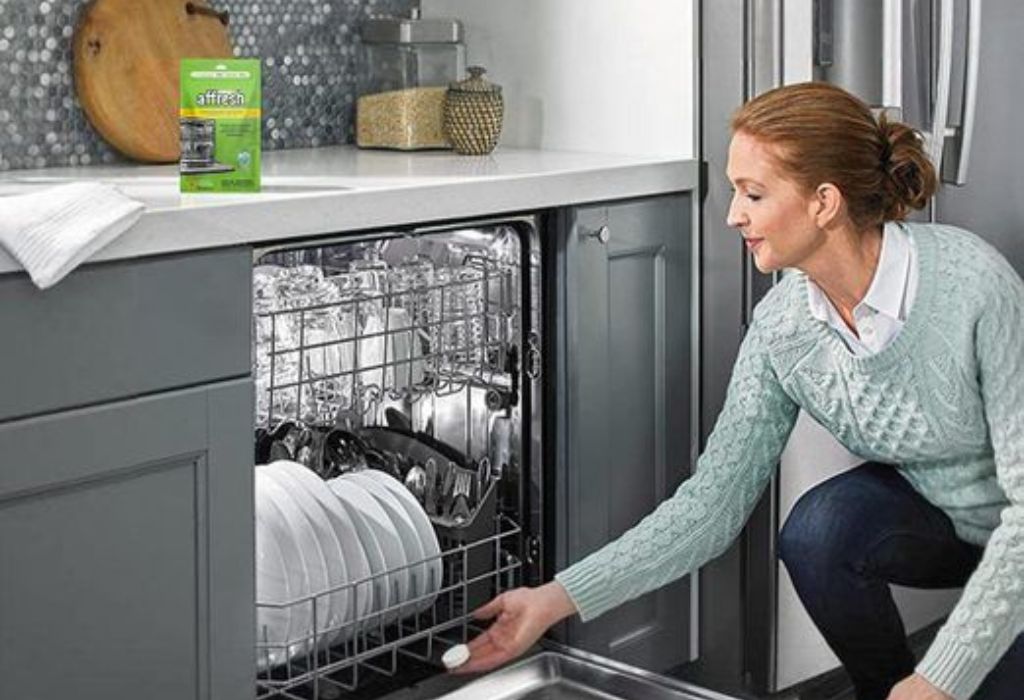
Installing a dishwasher yourself may seem challenging at first, but once you understand how the three key systems—electrical, plumbing, and drainage—work together, the process becomes much more manageable. Each system plays a vital role in ensuring your dishwasher functions safely and efficiently.
The electrical system provides power to the motor, heating element, and control board. Most dishwashers operate on a 120-volt, 15- or 20-amp dedicated circuit. Depending on your model, it may connect through a grounded plug or a direct hardwire.
If your kitchen circuit already powers other appliances, it’s best to install a dedicated line to avoid electrical overloads or frequent tripped breakers. Proper grounding and circuit protection are essential to prevent shocks and ensure code compliance.
The water supply system delivers hot water directly from the sink’s shut-off valve to the dishwasher inlet using a 3/8-inch compression fitting. Always use a flexible stainless-steel braided hose instead of rubber or plastic tubing.
Stainless steel resists heat, pressure, and corrosion, reducing the risk of leaks. Ensure the supply valve is accessible and in good condition before connecting it to avoid issues during maintenance or repair.
The drainage system is equally critical. It directs wastewater from the dishwasher into your home’s plumbing through either a sink drain or garbage disposal.
To prevent dirty water from flowing back into the unit, the drain hose must be installed with a high-loop or air-gap. These prevent cross-contamination and comply with most local plumbing codes. Securing the hose with clamps ensures it stays firmly in place during operation.
Before beginning installation, verify that your dishwasher space is level, stable, and correctly sized—typically 24 inches wide, 24 inches deep, and 34 inches high.
Ensuring proper access to electrical, plumbing, and drainage connections sets the foundation for a smooth, leak-free, and code-compliant installation.
Preparing Your Kitchen for Dishwasher Installation
Proper preparation saves time and prevents costly errors. Start by turning off both the water and power supply to the kitchen. Shut off the hot-water valve beneath the sink and flip the dedicated breaker for the dishwasher circuit. This ensures you’ll be working safely throughout the project.
Next, inspect your cabinet opening. The space must be level, dry, and free from debris. Uneven floors can cause vibration, noise, or door misalignment once the dishwasher is in place.
If you’re replacing an older unit, remove it carefully while noting how the hoses and electrical lines were connected — this helps when attaching the new one.
Check the condition of the existing plumbing and electrical setup. Look for corrosion on the shut-off valve, frayed wiring, or brittle drain hoses. Replace worn parts before proceeding. This preventive step prevents leaks, improves efficiency, and ensures your installation meets local code requirements.
If your kitchen has new cabinetry or flooring, make sure the dishwasher space is cut to the correct height. Leave enough clearance under the countertop for proper sliding and alignment.
Finally, protect the surrounding area. Place towels, cardboard, or a drop cloth on the floor to prevent scratches and absorb spills during setup. Having a clean, accessible workspace ensures your dishwasher will slide in easily and connect properly the first time.
Gathering the Right Tools and Materials
A smooth installation depends on having the right tools before you start. You’ll need: an adjustable wrench, screwdriver set, channel-lock pliers, a drill with a hole-saw bit, a level, Teflon tape, and compression fittings. These allow you to tighten, align, and secure connections safely.
For plumbing, use a braided stainless-steel supply line, typically five to six feet long, and a drain hose kit with clamps. A small bucket and a few towels are essential to catch excess water during connection. Keep a flashlight nearby for under-sink visibility.
If your dishwasher uses a plug instead of hardwiring, ensure a grounded outlet is available nearby. For hardwired models, verify you have 12-gauge wire and a junction box.
Preparation also includes reading the manufacturer’s installation manual thoroughly. Each brand—Bosch, GE, Whirlpool, or Samsung—may have unique connection angles or valve locations. Review diagrams carefully to avoid unnecessary disassembly later.
Gathering these tools in advance prevents mid-project delays and ensures every joint is sealed correctly, giving you a professional-grade finish.
Electrical Requirements and Safety Considerations
Dishwashers rely on steady, dedicated electrical power for safe operation. Always confirm that your circuit meets requirements: 120 volts, 60 Hz, and 15–20 amps, with grounding. Never share this circuit with other high-demand appliances such as microwaves or disposals.
If your model is hardwired, check that the wiring runs through a protective conduit and enters the junction box cleanly.
Connect the black (hot), white (neutral), and green (ground) wires following the wiring diagram. Use UL-listed wire connectors and secure the strain relief to prevent cable movement.
For plug-in models, ensure the outlet is properly grounded and accessible, not hidden behind cabinetry where the cord could overheat. Avoid using extension cords—these are unsafe for continuous appliance loads.
Before restoring power, test with a voltage detector to verify there’s no live current. Electrical safety isn’t optional; an incorrect setup can cause tripped breakers or serious shock hazards.
If you’re unfamiliar with residential electrical work, it’s always safer to hire a licensed electrician. They can verify compliance with the National Electrical Code (NEC) and prevent costly mistakes.
Connecting the Water Supply Line
Water supply connection is the most critical step for leak prevention. Use only stainless-steel braided hoses, as they’re flexible, heat-resistant, and long-lasting.
Wrap Teflon tape around the valve’s male threads to ensure a watertight seal. Hand-tighten the compression nut onto the valve, then turn it an additional quarter-turn using a wrench. Avoid overtightening — excessive force can damage the fitting or crack the valve.
Feed the hose through the cabinet opening toward the dishwasher’s inlet, typically located near the bottom-left corner. Attach it carefully, ensuring no kinks or bends restrict flow. Once secured, open the shut-off valve slowly and inspect all connections for leaks.
If you notice moisture, tighten gently until the leak stops. Always keep a dry towel under the connection while testing to detect small drips early.
Proper water-line connection ensures consistent flow, prevents heat loss, and reduces pressure surges that could damage your dishwasher’s internal valves.
Setting Up the Drain Line Properly
A correctly installed drain system ensures wastewater exits efficiently without contaminating clean dishes. Modern dishwashers rely on gravity and backflow prevention to maintain hygiene.
Connect the drain hose to either the sink drain tailpiece or garbage disposal inlet. If connecting to a disposal, remove the knockout plug first to allow proper drainage. Use stainless-steel clamps to secure the hose firmly.
To prevent backflow, form a high-loop by fastening the hose under the countertop before it connects to the drain. Alternatively, install an air-gap, a small cylindrical fitting mounted near the sink that provides a physical break between the dishwasher and home plumbing.
Check that the drain hose is free from twists or pinches, as these restrict flow. During testing, listen for gurgling or slow draining—both signs of improper alignment.
A well-designed drain setup keeps the dishwasher sanitary and protects your kitchen from potential water damage.
Positioning and Leveling the Dishwasher
Once all connections are made, carefully slide the dishwasher into its space. Guide the water, drain, and electrical lines through the cabinet openings without crimping or pinching them.
Use a carpenter’s level to check both front-to-back and side-to-side alignment. Adjust the leveling feet until the dishwasher sits perfectly even beneath the countertop. This ensures the door seals evenly, prevents vibration, and allows proper drainage.
Once level, secure the dishwasher to the countertop or side cabinet using the manufacturer’s mounting brackets. These prevent shifting during operation, especially on tile or hardwood floors.
After positioning, recheck all connections for tension or interference. A balanced, secure installation extends the appliance’s life and prevents performance issues later.
Testing the System for Leaks and Function
Before closing up, it’s crucial to run a full leak and performance test.
Start by opening the water supply valve slowly. Inspect all fittings under the sink and at the dishwasher inlet for signs of moisture. Tighten gently if needed. Next, restore power and run a short wash cycle. Watch as the machine fills, washes, and drains.
Check under the unit during the first five minutes for leaks or dripping. Pay attention to the sound of the pump and spray arms — unusual noises could signal loose components or air pockets. When the drain cycle activates, confirm that water exits freely through the sink drain or disposal.
Finally, inspect the door seal after the first cycle. Any moisture on the floor indicates leveling or gasket alignment issues. Once all systems check out, replace the kick plate and cleanup is complete.
Common Mistakes to Avoid During Installation
Even a minor oversight during installation can lead to expensive repairs later. Common DIY mistakes include leaving the disposal knockout plug intact, which blocks drainage completely.
Failing to install a high-loop or air-gap can cause contaminated water to flow back into the dishwasher. Over-tightening fittings often damages threads and causes slow leaks. Another frequent error is improper electrical grounding — always ensure all wires connect securely inside a junction box.
Avoid pushing the dishwasher in too forcefully, as this can kink hoses or crush wires. Ensure the drain hose runs smoothly without sharp bends.
A final check of all water, power, and drain connections before use ensures long-term reliability.
When to Hire a Professional
While most standard installations can be handled by homeowners, certain conditions require professional expertise. If your kitchen layout needs new plumbing or electrical lines, hire a licensed technician.
Relocating a dishwasher to a different cabinet space or installing it far from the sink involves extending water and drain lines—tasks best left to professionals. Additionally, if your home wiring is outdated or ungrounded, a certified electrician should handle the upgrade.
Many manufacturers also require professional installation to maintain warranty coverage. Hiring an expert ensures compliance with local codes and prevents long-term performance issues.
Everything You Need to Know Before Installing a Dishwasher Yourself
Can I install a dishwasher without plumbing experience?
Yes, if existing hookups are present and in good condition. Follow manufacturer guidelines closely.
Do I need special tools to install a dishwasher?
No special tools—basic plumbing and electrical tools are sufficient.
Can I connect a dishwasher to cold water?
No. Dishwashers require hot water (120 °F minimum) for proper cleaning and sanitizing.
How long does DIY installation take?
Usually 1.5 – 3 hours, depending on your skill level and kitchen layout.
Can a dishwasher run on an extension cord?
No. Always use a dedicated outlet or hardwired connection for safety.
Do I need a water hammer arrestor?
Yes, if your plumbing system experiences banging or vibration when valves close.
Should I install an air-gap or a high-loop?
Follow local code. Air-gaps are mandatory in some areas for backflow prevention.
Why is my dishwasher not level after installation?
Uneven floors or incorrect adjustment of front feet cause tilting.
Can I reuse the old water line?
Only if it’s braided stainless steel and undamaged. Otherwise, replace it.
How do I connect to a garbage disposal?
Remove the disposal knockout plug, then secure the drain hose with a clamp.
Why is there a plastic plug inside the drain port?
It’s a factory seal meant to prevent shipping leaks. Remove it before use.
What if the power cord is too short?
Use an appliance-rated replacement cord of proper length from the manufacturer.
Can I connect a dishwasher and sink to the same drain?
Yes, as long as a proper high-loop or air-gap is installed.
Why is my dishwasher vibrating or moving?
It’s not level or the mounting brackets are loose. Re-check alignment.
Should I use Teflon tape on every fitting?
Only on metal threaded connections—not on compression fittings with rubber seals.
Conclusion
Installing a dishwasher yourself is both practical and rewarding if approached with care, preparation, and technical understanding.
Modern dishwashers are engineered for accessibility — with standardized fittings, flexible hoses, and intuitive electrical connections that make DIY installation entirely achievable for most homeowners.
However, success depends on methodical precision. Every connection, from the water inlet to the drain hose, must be sealed correctly, leveled accurately, and tested thoroughly to ensure reliable, long-term performance.
A single loose clamp or ungrounded wire can cause leaks, electrical issues, or appliance failure — problems that are easily avoided through careful adherence to installation best practices.
Beyond the savings on professional labor, doing the job yourself gives you complete control over quality and setup details. You’ll understand exactly how your appliance operates, how it’s connected, and how to maintain it in the future. That knowledge makes troubleshooting and upkeep far easier over time.
The goal isn’t just to complete the installation — it’s to do it safely, efficiently, and in compliance with modern plumbing and electrical codes.
By following manufacturer instructions, using the right materials, and double-checking each step, you can achieve a level of craftsmanship comparable to a professional.
In the end, a properly installed dishwasher represents more than convenience; it’s a long-term investment in your home’s efficiency and functionality.
With patience, precision, and respect for safety standards, you can confidently say that yes — you can install a dishwasher yourself and do it right the first time.

I’m Emma J. Caldwell, the founder, lead writer, and home-cooking enthusiast behind KitchenGuideCo.com. With a background in culinary arts and over a decade of cooking experience in both professional and personal kitchens, I created this platform to demystify recipes, offer smart kitchen gadget reviews, and guide readers through meal prep with confidence and clarity.