Many people wonder if an immersion blender can fully replace a food processor in the kitchen. Both tools look similar in function, but they are built for different tasks and textures. Understanding their strengths helps you decide which one is right for your cooking needs.
An immersion blender specializes in liquid-based mixing. It blends soups, sauces, smoothies, and purees quickly and directly in the pot. This makes it convenient for fast, mess-free blending tasks.
A food processor handles tough, dry, and solid ingredients more effectively. It slices, shreds, chops, kneads, and grates far better than an immersion blender. This difference becomes important when preparing certain recipes.
Knowing how each appliance works helps determine when an immersion blender can substitute for a food processor. In some tasks, it performs well, while in others it falls short. This guide explains the differences in detail.
Whether you cook occasionally or prepare meals daily, choosing the right appliance makes food preparation easier. Once you understand their roles, you can use both tools more efficiently. This article helps you make a confident decision.
Understanding the Purpose of an Immersion Blender
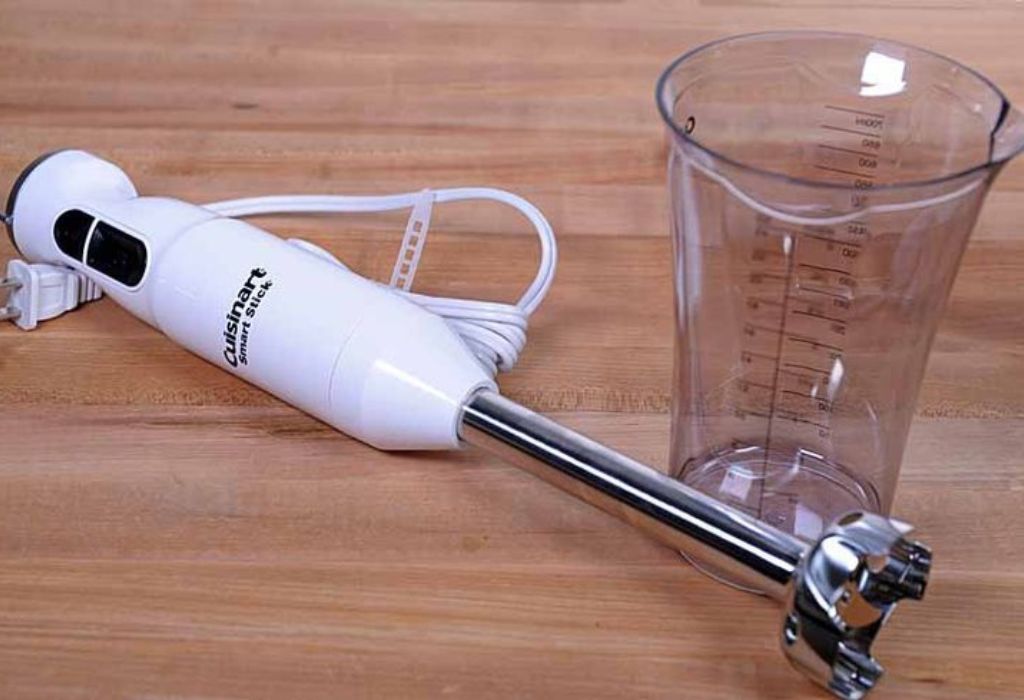
An immersion blender is designed for blending liquids directly in their containers. It offers convenience because you can blend soups or sauces right in the pot. This avoids transferring hot liquids to another device.
The blade lies at the bottom of the stick, which creates a vortex that pulls food inward. This method works best for smooth textures. It is perfect for purees, smoothies, baby food, and creamy soups.
Immersion blenders are lightweight and easy to clean. They take up very little space compared to food processors. This makes them ideal for small kitchens.
They can handle soft fruits, cooked vegetables, and light sauces. These foods blend quickly because the blade moves rapidly through liquids. The tool does not work well on dry ingredients.
Most immersion blenders come with adjustable speeds. These speeds help control thickness and smoothness. They allow better handling of different liquid textures.
Some models include additional attachments like whisks or small choppers. While useful, these attachments still cannot replace the full capability of a processor. Immersion blenders are mainly for blending.
Their simplicity makes them good for fast blending tasks. However, they are not designed for chopping or shredding heavy ingredients.
Understanding the Purpose of a Food Processor
A food processor is designed for handling solid foods and complex tasks. It chops, slices, shreds, kneads, and grinds ingredients efficiently. This makes it useful for a wide range of recipes.
The bowl holds ingredients while the blades rotate at high speed. This creates consistent chopping and cutting. Unlike immersion blenders, food processors handle both wet and dry ingredients equally well.
Food processors are ideal for making dough, chopping onions, shredding cheese, and preparing vegetables. Their strong blades and high torque motors break down tough foods easily. They deliver uniform texture.
Most processors include multiple blade attachments. Each attachment performs specific tasks with precision. This versatility is unmatched by immersion blenders.
Processors can handle large batches of food. Their design supports continuous processing without splashing or spilling. They can mix ingredients that do not contain enough liquid for blending.
They offer better control for solid textures. You can pulse ingredients to get perfect consistency. This level of control is essential for many recipes.
Because processors do so many tasks, they take up more space. However, their multifunction design replaces many other tools.
Can an Immersion Blender Replace a Food Processor?
In some situations, an immersion blender can replace a food processor. When blending soups, smoothies, sauces, or purees, it performs just as well. These tasks involve enough liquid for smooth blending.
However, it cannot perform the cutting or shredding jobs that a processor handles. Solid foods require stronger, broader blades that immersion blenders do not have. This limits their use in food preparation.
Immersion blenders work well for quick mixing. But they struggle with chopping vegetables, nuts, meat, or cheese. Without proper bowl support, ingredients scatter instead of chopping.
When recipes require dry mixtures, a food processor is essential. Blenders rely on liquid to create motion. Dry ingredients clog the blade and prevent proper mixing.
You can use immersion blenders for soft foods only. Like mashed potatoes, cooked carrots, or cooked beans. But the texture will be softer than processor results.
Food processors excel at making doughs, crusts, and pastry mixes. Immersion blenders cannot knead or combine dense materials. They lack the power and blade structure.
Overall, an immersion blender can replace a food processor only in liquid blending tasks. For chopping, slicing, shredding, or dough making, it cannot substitute fully.
Can I chop nuts with an immersion blender?
No, nuts require a processor.
Can an immersion blender make hummus?
Yes, if enough liquid is added.
Is a food processor better for vegetables?
Yes, it handles vegetable chopping more evenly.
Can immersion blenders handle frozen fruit?
Only if softened slightly.
Does an immersion blender puree better than a processor?
Yes, for soups and sauces.
Where an Immersion Blender Works Better Than a Food Processor
An immersion blender is more convenient for hot foods. You can blend soup directly in the pot without transferring it. This reduces cleanup and saves time.
It also works better for small liquid batches. Food processors struggle with small amounts because ingredients spread apart. Immersion blenders blend even small portions smoothly.
They work well for emulsifying dressings and sauces. The narrow blending head creates strong suction. This mixes oil and liquid quickly.
Smoothies and milkshakes are easier with immersion blenders. The tall glass shape helps blend drinks faster. Food processors are not built for liquids.
Baby food becomes smooth quickly in immersion blenders. Since babies need fine texture, the blender provides ideal consistency. Small portions are easier to manage.
Whisk attachments help with light tasks like whipping cream or mixing eggs. These tasks are simpler with immersion blenders. Food processors overmix delicate foods.
For traveling or small kitchens, immersion blenders offer compact convenience. They deliver fast results without taking up counter space.
Where a Food Processor Works Better Than an Immersion Blender
Food processors excel at chopping onions, carrots, nuts, and herbs. Their wide blades cut evenly and quickly. Immersion blenders cannot make uniform cuts.
Processors are better for shredding cheese and slicing vegetables. Their attachments create perfect slices. Blenders cannot slice or grate.
Making dough is easier with a food processor. The strong motor and sturdy blades knead dough efficiently. Immersion blenders cannot knead thick mixtures.
Processors handle dry mixtures like breadcrumbs or cookie crumbs. They grind ingredients evenly. Blenders need liquid to function properly.
They are perfect for making nut butters. Processors grind nuts into smooth, creamy texture. Immersion blenders struggle with dense materials.
Food processors handle large quantities at once. Their bowl size supports batch cooking. Blenders are best for smaller preparations.
For recipes requiring precision texture, processors perform better. They create uniform cuts and controlled chopping.
Can I slice vegetables with an immersion blender?
No, slicing requires processor discs.
Can a food processor make smoothies?
Not as effectively as blenders.
Can I make dough with an immersion blender?
No, the motor is not strong enough.
Do I need both tools in my kitchen?
It depends on your cooking style.
Can immersion blenders crush ice?
Only small softened pieces.
Which Tool Should You Choose for Daily Use
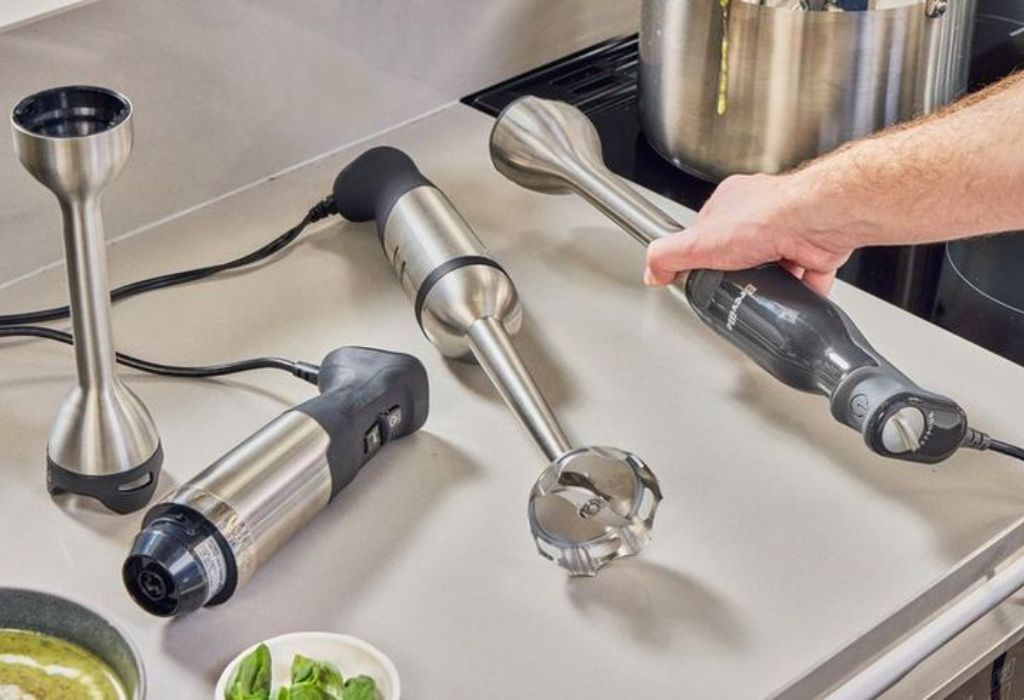
If you prepare soups, sauces, and purees regularly, an immersion blender is a great choice. It saves time and reduces cleanup. Its light design makes it easy to use every day.
If your cooking requires chopping, slicing, or shredding, a food processor is more useful. It handles solid foods efficiently. It also works well for holiday meal prep.
For small kitchens, an immersion blender fits easily. It stores in drawers without taking up space. Processors need larger storage areas.
Families who cook large meals benefit more from food processors. The bowl helps process big batches quickly. Blenders cannot handle volume.
For mixing dough or baking, a food processor is essential. Bakers rely on strong blades. Immersion blenders overmix or fail.
If you want versatility, owning both tools is ideal. They complement each other well. Each handles different tasks effectively.
Choosing depends on your cooking habits. Understanding your needs helps determine the right tool.
Safety Tips When Using Immersion Blenders and Food Processors
Always unplug the appliance before cleaning. Blades are sharp and can cause injury. Safety begins with disconnecting power.
Keep hands away from moving blades. Never reach inside while running. Using tools avoids accidents.
Do not blend ingredients that exceed capacity. Overfilling creates spills or uneven mixing. Staying within limits protects the appliance.
Avoid processing very hot liquids without caution. Steam can spray upward. Let liquids cool slightly.
Ensure attachments click securely. Loose attachments cause shaking. Proper installation prevents damage.
Store blades safely when not in use. Improper storage leads to dulling or injury. Keeping blades covered helps.
Clean appliances immediately after use. Dried food affects performance. Regular cleaning maintains quality.
Is an immersion blender safer than a processor?
Both need careful handling.
Does an immersion blender save time?
Yes, for small liquid tasks.
Is a processor harder to clean?
It has more parts to wash.
Can I blend soup in a processor?
Only if cooled first.
Is a blender enough for baking tasks?
No, processors perform better.
Conclusion
An immersion blender can replace a food processor only for liquid-based tasks like purees, soups, and sauces.
It cannot perform chopping, slicing, shredding, or kneading jobs that processors are designed for. Both tools serve different purposes and strengths.
Choosing the right tool depends on what you cook most often. If you prepare a lot of liquids, the immersion blender is ideal. For solid foods, meal prep, and baking tasks, a food processor is essential.
Each tool has unique advantages, and using them correctly makes cooking easier. Understanding the differences helps you select the appliance that suits your kitchen needs best.

I’m Emma J. Caldwell, the founder, lead writer, and home-cooking enthusiast behind KitchenGuideCo.com. With a background in culinary arts and over a decade of cooking experience in both professional and personal kitchens, I created this platform to demystify recipes, offer smart kitchen gadget reviews, and guide readers through meal prep with confidence and clarity.