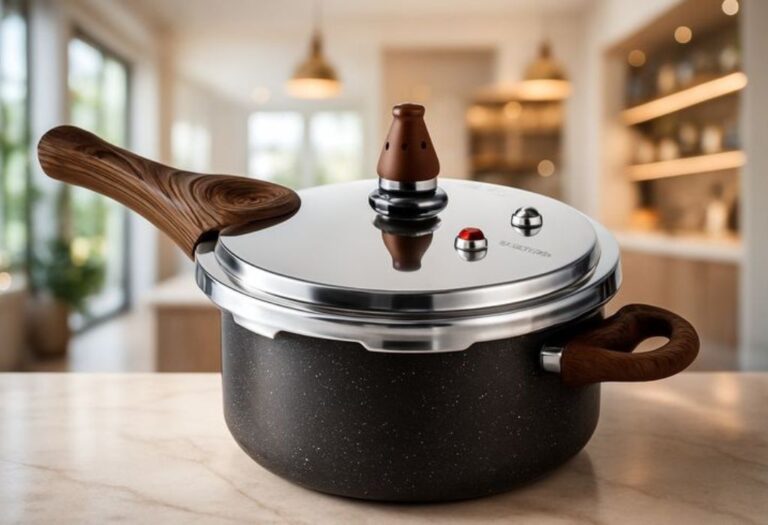
Nonstick pans are kitchen favorites because they make cooking easier and cleaning faster. Many people rely on them every day for eggs, pancakes and quick meals that would otherwise stick to traditional pans.
But when it comes time to clean up, confusion begins about whether these pans can safely go into the dishwasher. Some brands claim dishwasher safety while others warn against it.
Dishwasher heat, detergent and strong water pressure raise concerns about damaging the nonstick coating. A single incorrect wash may shorten a pan’s lifespan dramatically.
People often place their pans in the dishwasher out of convenience, only to notice scratches, dull surfaces or peeling coating later. These changes affect both performance and safety.
Because nonstick pans vary in material, thickness and coating type, not all pans respond the same way to dishwasher conditions. Understanding these differences helps avoid unintended damage.
Knowing how to clean nonstick pans properly protects them and keeps them working smoothly for years.
Can Nonstick Pans Go In The Dishwasher
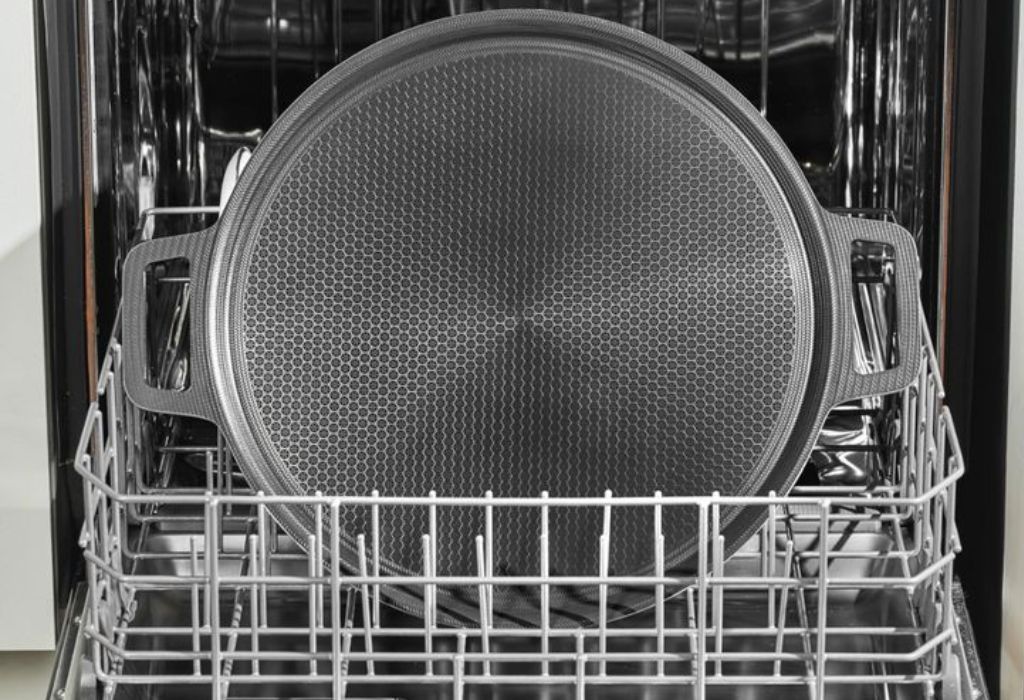
Most nonstick pans are not recommended for the dishwasher. Even if the label says dishwasher safe, handwashing is usually safer.
Dishwasher detergents are abrasive and wear down protective coatings. Over time, this leads to peeling and reduced nonstick performance.
Dishwasher heat causes expansion and contraction of the pan’s surface. These temperature shifts weaken the nonstick layer.
Spray jets inside the dishwasher strike pans with force. This pressure breaks down the coating faster than gentle handwashing.
Dishwasher safe labels often mean the pan can survive occasional washes, not daily cleaning.
Are all nonstick pans dishwasher safe
No, most are safer when handwashed.
Does detergent damage coating
Yes, strong detergent wears down nonstick layers.
Can dishwashers cause peeling
High heat and pressure speed up deterioration.
Are dishwasher safe labels reliable
They allow occasional use, not constant exposure.
Is handwashing always better
Yes, gentle cleaning preserves the coating.
How Dishwashers Damage Nonstick Coating
Dishwasher detergent contains harsh cleaning agents for heavy grease removal. These agents can erode nonstick coating over repeated cycles.
High water temperature inside the dishwasher softens the coating. This makes it easier for chemicals to break it down.
Prolonged heat causes pans to warp slightly. Warping separates the coating from the metal surface underneath.
Water jets hit the surface repeatedly during the wash. These impacts weaken and dull the coating.
Drying cycles apply even stronger heat, causing additional stress.
Dishwasher Safe Nonstick Pans Explained
Some nonstick pans are labeled dishwasher safe because they use stronger coatings. These coatings resist light abrasiveness and mild heat.
However, even enhanced coatings eventually degrade in dishwashers. Repeated cycles reduce effectiveness.
Dishwasher safe pans may tolerate top rack placement only. This avoids extreme heat near the machine’s heating element.
Manufacturers design these pans to survive occasional dishwasher use. They are not meant for daily high heat exposure.
Understanding this distinction helps maintain the coating longer.
Does dishwasher safe mean damage proof
No, coatings still weaken over time.
Can stronger coatings survive better
They last longer but still degrade eventually.
Is top rack washing safer
Top rack reduces heat intensity.
Should dishwasher use be limited
Yes, occasional cycles only.
Do warranties cover dishwasher damage
Most warranties exclude abrasive or heat related damage.
Why Manufacturers Recommend Handwashing
Manufacturers encourage handwashing to preserve the nonstick coating. Gentle handwashing avoids abrasive contact.
Nonstick pans rely on smooth surfaces to function well. Rough treatment causes micro scratches that reduce performance.
Dishwasher detergents are formulated for stainless steel and glass. These formulas are too strong for delicate coatings.
Handwashing reduces long term wear and extends the pan’s lifespan. A few seconds of extra cleaning prevents costly replacement.
Protecting the coating keeps food from sticking and burning.
How To Clean Nonstick Pans Safely
Use warm water and mild dish soap for everyday cleaning. A soft sponge protects the coating from scratches.
Avoid steel wool or abrasive pads. These tools damage nonstick surfaces immediately.
Clean the pan shortly after cooking. Cooling grease becomes harder to remove gently.
For stubborn residue, let the pan soak briefly in warm soapy water. Soaking loosens stuck food without scrubbing.
Always dry the pan completely to prevent water spots.
Can nonstick pans soak in water
Yes, brief soaking helps remove residue.
Is steel wool safe
No, it scratches coatings instantly.
Can soap damage nonstick surfaces
Mild soap is safe and recommended.
Should pans cool before washing
Avoid washing hot pans to prevent warping.
Do soft sponges work best
Yes, they clean without harming the surface.
Are Nonstick Pan Lids Dishwasher Safe
Glass lids are usually dishwasher safe. Glass withstands heat and detergent better than nonstick coatings.
However, lids with rubber or silicone edges require caution. Heat may cause these materials to weaken or loosen.
Metal lids may fade or discolor from strong detergents. Mild cycles reduce the risk of damage.
Vented lids with steam holes collect food residue. Dishwashers clean them well on gentle settings.
Always check lid instructions separately from the pan.
What Happens When Nonstick Pans Go In The Dishwasher
The coating becomes dull after a few washes. Dull coating reduces slick performance and increases sticking.
Edges and corners may peel. Peeling indicates coating breakdown.
Warping may occur from extreme temperature changes. Warped pans cook unevenly and lose effectiveness.
Metal underneath the coating may become exposed. Exposed metal reacts to heat differently.
A weakened coating can flake into food during use.
Is peeling reversible
No, once coating peels it cannot be repaired.
Can warped pans be reshaped
Warping is permanent.
Is dull coating harmful
It reduces performance but is not dangerous.
Do flakes enter food
Damaged coating may release flakes.
Should damaged pans be replaced
Replacement is recommended for safety.
How To Extend The Life Of Nonstick Pans
Avoid high heat cooking because heat weakens nonstick layers. Medium heat preserves durability.
Use silicone, wooden or plastic utensils instead of metal. Metal utensils scratch the coating easily.
Never store pans stacked without padding. Stacking scratches the surface.
Oil the surface occasionally to maintain smoothness. A light coating restores slipperiness.
Alternate handwashing with deep cleaning as needed.
Eco Friendly And Safer Nonstick Alternatives
Ceramic coated pans offer nonstick performance with fewer chemical concerns. They tolerate gentle dishwasher cycles but still prefer handwashing.
Cast iron becomes naturally nonstick when seasoned properly. It resists harsh cleaning conditions.
Stainless steel is durable and safe for dishwashers. It requires more skill to cook without sticking.
Carbon steel pans develop a natural nonstick layer over time. Proper care makes them long lasting.
Choosing alternatives depends on cooking style and maintenance preference.
Are ceramic pans safer
They use natural mineral coatings.
Is cast iron dishwasher safe
No, cast iron must be washed by hand.
Do stainless steel pans stick
They require technique to prevent sticking.
Is carbon steel durable
Yes, it becomes slick with seasoning.
Are alternatives long lasting
Proper care ensures longevity.
Conclusion
Nonstick pans may be labeled dishwasher safe, but repeated dishwasher use shortens their lifespan by breaking down the coating, fading surfaces and causing warping. High heat, harsh detergents and strong water pressure are too intense for delicate nonstick layers.
Handwashing with mild soap and a soft sponge protects the coating, keeps the pan slick and prevents premature peeling. Following proper cleaning methods ensures nonstick pans last longer and cook more efficiently.
Avoiding metal utensils, high heat and abrasive cleaning tools keeps the nonstick surface smooth and safe. When cared for properly, nonstick pans perform well for years and remain a reliable part of your kitchen.
Treating them gently is the key to preserving quality, safety and durability.

I’m Emma J. Caldwell, the founder, lead writer, and home-cooking enthusiast behind KitchenGuideCo.com. With a background in culinary arts and over a decade of cooking experience in both professional and personal kitchens, I created this platform to demystify recipes, offer smart kitchen gadget reviews, and guide readers through meal prep with confidence and clarity.