Dishwasher problems always seem to appear at the most inconvenient moment, especially when the sink is full of dishes after a long day.
Many people immediately wonder whether they should call a plumber or an appliance technician to fix the issue. The confusion happens because dishwashers involve both plumbing and electrical components.
The machine looks simple on the outside, but underneath it has water lines, drain hoses and valves that connect directly to your home’s plumbing system.
When something goes wrong, it can be difficult to know which type of professional can handle the repair. This uncertainty leads to delays that make the situation worse.
Homeowners often start by trying small DIY checks, but the problem usually returns or becomes more complicated.
At that moment the question becomes more urgent and people want a clear answer about who to call. Understanding the difference helps you save time, prevent water damage and fix the issue quickly.
This guide explains exactly what a plumber can repair, what belongs to an appliance technician and how to recognize which professional you need. The information is written in a simple and practical way so you can make the right decision immediately.
By the end you will feel more confident handling any dishwasher problem that appears in your kitchen.
Why Dishwasher Problems Confuse Homeowners
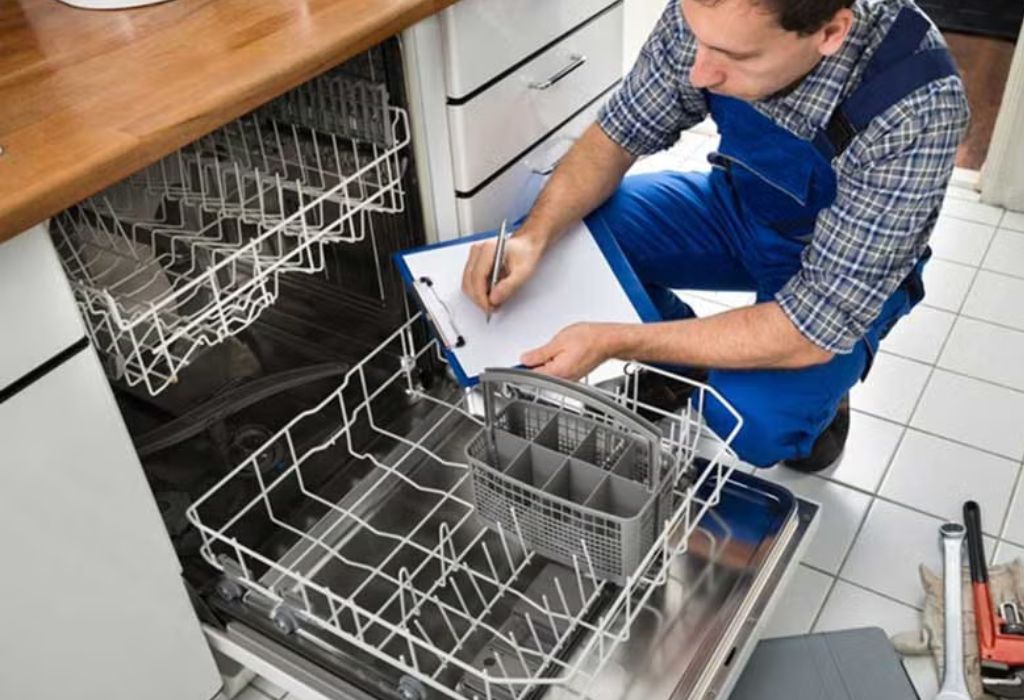
Dishwashers look like simple appliances, but their internal components combine plumbing, mechanics and electronics. This mixture makes it difficult for homeowners to identify the root cause. When water stops draining or starts leaking, people cannot easily tell whether the issue is mechanical or plumbing related.
Modern dishwashers also include sensors, control boards and heating elements. When any of these parts malfunction, the symptoms can look similar to plumbing failures. This adds another layer of confusion for the average user.
Some problems begin small and gradually become more complex. A slow draining issue can turn into a complete blockage. This makes people unsure of who to call at the early stages of the problem.
Dishwashers connect directly to water supply lines. When the water does not enter properly, homeowners often assume the machine is broken. In reality, the issue may simply be a blocked valve or a kinked hose.
Different brands also behave differently when something goes wrong. Some machines show error codes while others give no warning. This inconsistency makes troubleshooting confusing and time consuming.
Many people do not realize how much plumbing work is involved in dishwasher installation. Because of this, they underestimate how often plumbers are required for repairs. Understanding the connection helps reduce confusion and leads to faster solutions.
Can A Plumber Actually Fix A Dishwasher
Yes, a plumber can fix many common dishwasher problems because the appliance depends heavily on plumbing connections.
Dishwashers use water supply lines, drain hoses and shut off valves that belong to the plumbing system. When these parts develop issues, plumbers are the best professionals to handle them.
Plumbers are trained to diagnose leaks around the machine. They know how to check seals, hose fittings and pipes that lead to and from the dishwasher. This helps prevent water damage and ensures safe operation.
Clogs are another area where plumbers excel. Dishwashers drain into the same lines as kitchen sinks. When the line becomes clogged, both the sink and dishwasher may show symptoms.
Plumbers can also check your home’s water pressure. Low pressure affects how well the dishwasher fills with water. High pressure may cause leaks or damage to hoses.
Some dishwashers refuse to start if water flow is limited. Plumbers can identify whether the issue comes from the home’s plumbing or from the appliance itself. This helps determine whether an appliance technician is needed afterward.
Not every dishwasher problem requires a technician. In many cases a plumber solves the issue entirely. Knowing when each professional is needed prevents unnecessary service calls.
What Types Of Dishwasher Problems Plumbers Can Repair
Plumbers can fix leaks coming from hoses or connections. These leaks often appear under the dishwasher and can spread into cabinets or floors. Fixing them quickly prevents damage.
Plumbers also handle clogged drain lines. Dishwashers drain through the same pipe as the kitchen sink. A blockage in this line stops the dishwasher from draining properly.
Water supply issues are another common repair. If the machine is not filling, a plumber checks the shut off valve, pressure and supply line. Often the fix is simple and inexpensive.
Plumbers can repair or replace drain hoses. These hoses sometimes develop cracks or disconnections. A damaged hose causes large leaks that plumbers can repair safely.
They also fix air gap problems. Air gaps prevent dirty water from flowing back into the dishwasher. If the air gap is clogged, the dishwasher cannot drain.
Plumbers can inspect the garbage disposal connection. If the knockout plug was not removed during installation, the dishwasher cannot drain. This is one of the most common installation mistakes.
Can plumbers unclog dishwasher drain lines?
Yes, plumbers can clear clogs in both the drain hose and the main line.
Do plumbers replace dishwasher hoses?
Yes, they can replace cracked, old or leaking hoses safely.
Can a plumber fix slow filling issues?
Yes, they can inspect water valves and pressure levels to restore normal filling.
Can a plumber fix leaks under the dishwasher?
Yes, they can repair supply line leaks and drain hose problems.
Should I call a plumber if my dishwasher backs up into the sink?
Yes, this usually means a shared drain line is clogged.
When You Should Call An Appliance Technician Instead
Some dishwasher problems are beyond plumbing and require an appliance technician. Electrical malfunctions such as faulty control boards need a technician who understands circuit behavior. Plumbers do not repair electronic components.
The heater inside the dishwasher is another example. When dishes come out cold or wet, the heating element may be failing. This is a job for a technician rather than a plumber.
If the dishwasher will not start, the cause may be a door latch issue. Plumbers do not fix latch sensors. A technician can diagnose and replace these parts.
Strange noises can also indicate mechanical issues. Grinding sounds may come from worn motors or broken pumps. This type of repair requires specialized appliance tools.
Spray arm failures often confuse homeowners. If the arms stop spinning, the issue usually lies inside the appliance. A technician is trained to replace these parts.
Error codes also require technician support. Each brand uses a unique coding system. Technicians know how to interpret them and find the exact cause.
Signs That Your Dishwasher Has Plumbing Related Issues
Slow draining is a major sign that plumbing may be involved. If water pools at the bottom of the dishwasher, the drain line may be blocked. This often affects the kitchen sink as well.
Water leaking underneath the machine indicates a plumbing connection issue. Supply line leaks are common in older installations. Plumbers can spot these problems quickly.
If your dishwasher does not fill with water, the valve may be restricted. Low water pressure can delay cycles or stop them entirely. Plumbers are trained to measure pressure and adjust valves.
Gurgling noises from the sink during dishwasher operation are another clue. This usually means a partial clog in the shared drain line. Plumbers can clear the line to restore smooth drainage.
If dirty water flows back into the dishwasher, the air gap or disposal pipe may be blocked. This is a plumbing problem, not an appliance issue. Cleaning the line prevents contamination.
Dishwashers that shut off mid cycle may lack enough water. This is often caused by supply issues. A plumber can diagnose the restriction and fix it.
Step By Step What A Plumber Does During A Dishwasher Repair
A plumber begins by inspecting the supply and drain connections. They check for leaks, loose fittings and visible damage. This helps determine where the problem started.
Next, they test water pressure and verify that the valve is functioning. Low or restricted pressure prevents normal dishwasher performance. Adjusting the valve often solves the issue.
Plumbers then evaluate the drain hose. If it is blocked, they clear it using professional tools. If it is damaged, they replace it.
If the dishwasher drains through a garbage disposal, plumbers inspect the connection. Sometimes the knockout plug was never removed. This prevents drainage and is easy to fix.
They also check the main kitchen drain line. A slow sink drain affects the dishwasher. Clearing the line restores proper flow.
Once all connections are tested, the plumber runs the dishwasher. This confirms whether the issue is resolved or if an appliance technician is required.
How long does a plumbing inspection take?
Most inspections take thirty to sixty minutes depending on the issue.
Do plumbers test the dishwasher after repairing it?
Yes, they run a cycle to confirm proper flow and drainage.
Can plumbers fix dishwasher installation mistakes?
Yes, they correct wrong connections and poorly installed hoses.
Do plumbers remove the dishwasher during repairs?
Only if necessary to reach hidden connections.
Is it safe to use the dishwasher right after plumber repairs?
Yes, as long as the plumber confirms the repair is complete.
Cost Of Hiring A Plumber For Dishwasher Troubleshooting
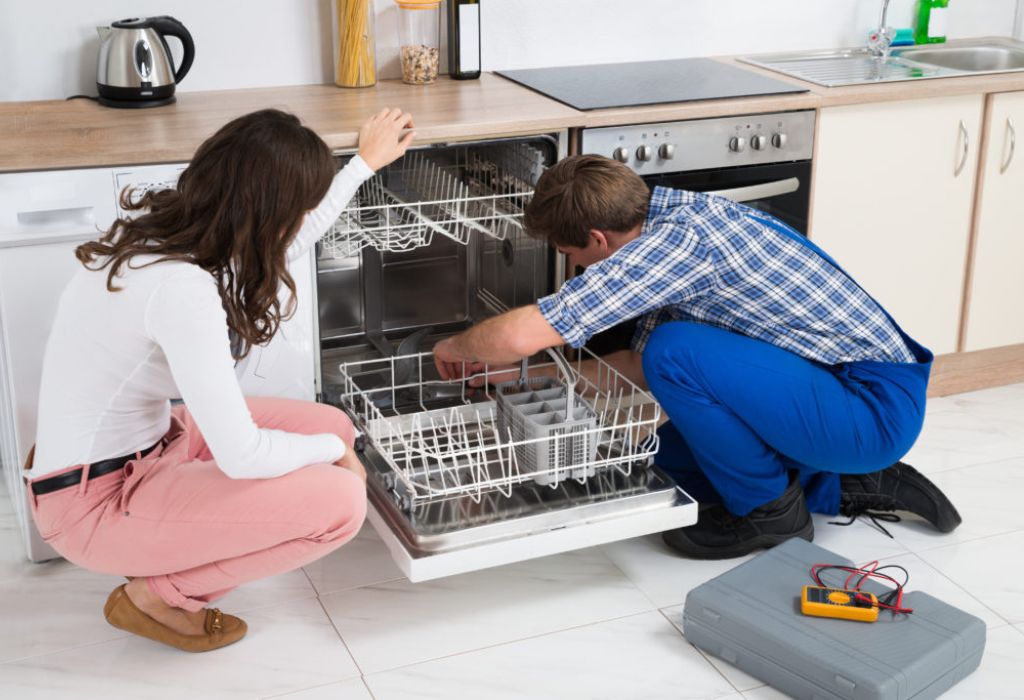
The cost depends on the type of repair needed. Simple fixes like clearing a blockage cost less than replacing lines. The time required for diagnosing the issue also affects the price.
Emergency service costs more than scheduled appointments. Evening and weekend visits add extra fees. Planning ahead helps avoid higher rates.
Replacing a drain hose is usually inexpensive. The cost increases when supply lines or valves need replacement. Materials and labor both factor into the total price.
Clog removal is often affordable. Most homeowners report paying a moderate fee. The amount varies based on location and severity.
Leak repairs may cost more depending on the damage. If the leak has spread, cleanup may add to the expense. Addressing leaks early reduces cost.
Plumbers typically offer upfront quotes. This helps homeowners understand the cost before work begins. Transparent pricing makes the process easier.
Mistakes Homeowners Make Before Calling A Plumber
Many homeowners try to run the dishwasher repeatedly hoping the problem will fix itself. This often makes drainage issues worse. Running cycles repeatedly also increases water leakage.
Some people use strong chemicals to clear blockages. These chemicals can damage hoses and seals. Plumbers do not recommend using them for dishwashers.
Another mistake is ignoring small leaks. Even tiny drips can grow quickly. Water damage spreads beneath cabinets and flooring.
People often remove the dishwasher without turning off the water. This leads to sudden leaks and more costly repairs. Plumbers always shut off water before starting work.
Some homeowners try forcing clogged hoses. This can break the connection entirely. A broken line leaks heavily and requires professional repair.
Guessing the cause without proper inspection is another common issue. Misdiagnosis leads to wasted time. Calling a professional early avoids complications.
Is it safe to pour chemicals into dishwasher drains?
No, chemicals can damage hoses and seals.
Can I fix a leak under the dishwasher myself?
Small leaks may be manageable, but most require professional tools.
What if I smell burning plastic?
Turn off the dishwasher immediately and call a technician, not a plumber.
Should I remove the dishwasher before a plumber arrives?
No, leave it in place so the plumber can inspect connections.
Can I run the dishwasher if it drains slowly?
No, it may overflow or cause backflow into the sink.
How To Prevent Plumbing Related Dishwasher Problems
Cleaning the filter regularly keeps food particles from entering the drain line. This lowers the risk of blockages. A clean filter improves water flow and cycle performance.
Running hot water before starting the dishwasher also helps. It ensures the machine fills with warm water quickly. This reduces strain on internal components.
Avoid pouring grease into the sink. Grease solidifies in drain lines and causes major blockages. This affects the dishwasher’s drainage system.
Check hoses for cracks every few months. Early detection prevents leaks. Replacing hoses before failure saves money.
Making sure your garbage disposal is clean also helps. The dishwasher drains through this system. A clogged disposal restricts water flow.
Scheduling routine plumbing inspections is another good habit. Professionals can catch issues early. This prevents sudden breakdowns and expensive repairs.
Safety Tips Before Scheduling A Dishwasher Repair
Always turn off the water supply before inspecting the dishwasher. This prevents accidental leaks. It also keeps you safe while examining the machine.
Unplug the dishwasher if you notice electrical problems. Water and electricity are a dangerous combination. Safety should always come first.
Keep children away from the area during repairs. Tools, hoses and sharp parts can cause injuries. A clean workspace helps professionals work efficiently.
Clear out the area under the sink before the plumber arrives. This gives the plumber easy access to the drain line and valves. It also speeds up the diagnostic process.
Avoid using the dishwasher if you notice standing water. It may cause flooding. Waiting for the plumber is the safest option.
Prepare a list of symptoms. This helps the plumber identify the issue faster. Clear communication saves time and reduces repair costs.
Should I turn off power to the dishwasher before a plumber arrives?
Yes, turning off power is a good safety precaution.
Can I still use the sink if the dishwasher is leaking?
It is better to avoid it until the plumber checks the system.
Do plumbers need access behind the dishwasher?
Sometimes, but not always. It depends on the issue.
Will a plumber move the dishwasher safely?
Yes, they are trained to handle heavy appliances carefully.
Can a plumber disconnect the dishwasher entirely?
Yes, they can disconnect it if replacement is needed.
Conclusion
Many dishwasher problems leave homeowners unsure about whether to call a plumber or an appliance technician. Understanding the differences helps you solve issues faster and prevents unnecessary stress.
Plumbers handle leaks, clogged lines, water supply problems and installation errors, while technicians repair electrical and mechanical failures.
This guide explains the signs of plumbing related issues and when a technician is needed instead.
With this knowledge, you can act quickly and prevent damage to cabinets, floors and the dishwasher itself. The step by step details also show what a plumber checks during a repair, helping you feel prepared before scheduling a visit.
Preventive maintenance makes a big difference over time. Clearing filters, avoiding grease buildup and checking hoses helps keep your dishwasher working smoothly.
Calling the right professional at the right time ensures safe operation and extends the life of one of the most important appliances in your kitchen.

I’m Emma J. Caldwell, the founder, lead writer, and home-cooking enthusiast behind KitchenGuideCo.com. With a background in culinary arts and over a decade of cooking experience in both professional and personal kitchens, I created this platform to demystify recipes, offer smart kitchen gadget reviews, and guide readers through meal prep with confidence and clarity.