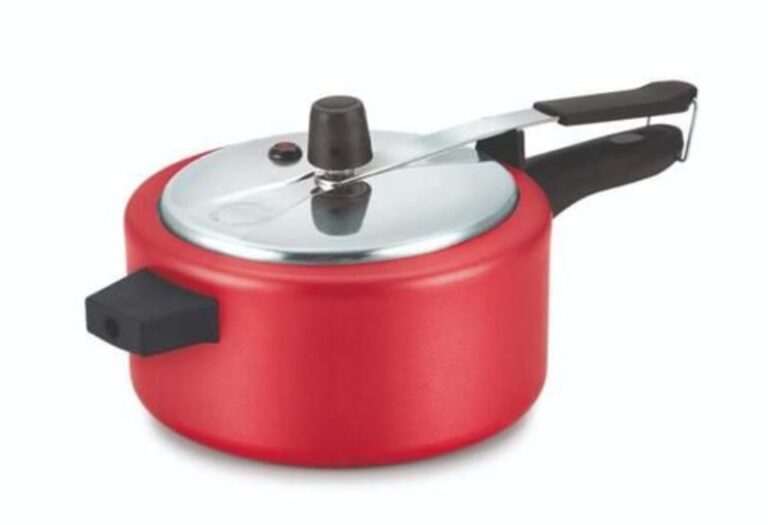
Yes, pressure cookers can absolutely be used for “baking,” offering a fantastic way to create deliciously moist desserts and savory dishes without an oven. Instead of traditional dry heat, this method leverages steam under pressure, resulting in incredibly tender cakes, custards, and cheesecakes that are perfectly cooked through. Discover the innovative techniques to expand your culinary repertoire with this versatile kitchen appliance.
Can Pressure Cooker Be Used For Baking? Yes Here’s How
Ever found yourself craving a warm, homemade cake but didn’t want to fire up the oven? Or perhaps you’re in a tiny kitchen without a conventional oven, wondering about alternatives? Well, my friend, I’m here to tell you something exciting: yes, a pressure cooker can absolutely be used for baking – though it’s a unique kind of “baking” that yields wonderfully moist results! Think of it less like traditional oven baking and more like a super-efficient steaming method that creates delicious, tender treats.
I’ve experimented with this technique quite a bit, especially when I needed a quick dessert or didn’t want to heat up the entire house. It’s a fantastic trick to have up your sleeve, transforming your humble pressure cooker into a versatile dessert maker. So, let’s dive into how you can make it work for you!
Can you really use a pressure cooker for baking, and what’s the best way to do it for delicious results?
Absolutely, you can use a pressure cooker for baking, but it’s important to understand the process is different from conventional oven baking. Instead of dry heat that crisps and browns, a pressure cooker uses moist, pressurized steam. This means you won’t get that golden, crispy crust, but what you will get is incredibly moist, tender, and evenly cooked “baked” goods, often in a fraction of the time. It’s especially brilliant for items that thrive in a humid environment, almost like a giant bain-marie.
Here’s how I typically approach pressure cooker baking and what I’ve found works best:
- Understand the “Baking” Style: Think moist and dense. This method excels with things like cheesecakes, custards, puddings, brownies, and dense cakes like a rich chocolate cake or a banana bread. It’s less suited for airy sponge cakes, cookies, or anything that relies on browning or a crispy exterior, as it simply won’t achieve that texture.
- The Essential Setup:
- Trivet or Steamer Rack: This is non-negotiable! You need to elevate your baking pan above the water.
- Water: Add 1 to 1.5 cups of water to the bottom of your pressure cooker. Just enough so it doesn’t dry out during cooking, but not so much that it touches your baking dish.
- Oven-Safe Pan: Use a pan that fits comfortably inside your pressure cooker with enough space around the sides for steam to circulate. Small bundt pans, loaf pans, or springform pans (for cheesecakes) are ideal. Make sure it’s oven-safe metal or ceramic.
- Cover Your Pan: To prevent condensation from dripping onto your cake, cover your baking pan tightly with aluminum foil or use a pan with its own lid (if it fits). This is crucial for a smooth top!
- My Step-by-Step Process:
- Prepare Your Batter: Mix your cake, brownie, or cheesecake batter just as you normally would.
- Grease and Flour Your Pan: Prepare your chosen baking pan by greasing and flouring it well (or lining with parchment paper), just as you would for oven baking. Pour in your batter.
- Setup in the Pressure Cooker: Place your trivet in the pressure cooker and add the measured water. Carefully lower your covered baking pan onto the trivet.
- Seal and Cook: Secure the pressure cooker lid and set it to high pressure. My general rule of thumb for cakes is to start with 20-30 minutes for a denser cake (like a 6-inch cheesecake) and adjust from there. For something smaller like mug cakes, it might be 10-15 minutes. Remember, every pressure cooker is different, so a little experimentation helps!
- Natural Release is Key: Once the cooking time is up, let the pressure release naturally. This is important to prevent the cake from deflating or cracking due to a sudden temperature change.
- Cooling and Checking: Carefully remove the pan. The cake might look pale on top, which is normal. Let it cool completely before unmolding. You can check for doneness with a skewer; it should come out clean.
- Benefits I’ve Experienced: It’s faster than an oven for many items, especially individual servings. Your kitchen stays cooler, which is a huge bonus in summer. And the moist texture? Simply divine for cheesecakes and steamed puddings.
- A Little Word of Caution: Don’t expect a crunchy crust or golden-brown edges. If that’s what you’re after, stick to your oven. But for luscious, melt-in-your-mouth moistness, using a pressure cooker for baking is a game-changer!
So, the next time you’re looking for an alternative baking method, give your pressure cooker a try. You might just discover a new favorite way to whip up some incredibly moist and delicious treats!