No, a pressure cooker is emphatically not designed or safe for deep frying. While it can brown foods using minimal oil, its sealed environment and high temperatures create dangerous conditions for large quantities of hot oil, leading to severe splash risks and potential appliance damage. Experts universally advise against this practice due to significant safety hazards.
Hey there, fellow home cooks! Ever stood in front of your pressure cooker, perhaps a little impatiently, and wondered, “Can I just use this thing for frying too?” It’s a tempting thought, especially when you’re trying to minimize kitchen cleanup and maximize efficiency. We all love our pressure cookers for making quick work of stews, beans, and grains, right? But when it comes to frying, it’s a bit of a different story.
Let’s get straight to it: traditional deep frying in a pressure cooker is a definite no-go for safety reasons. However, that doesn’t mean your trusty appliance is completely out of the picture when oil is involved. There are certainly safe and effective ways to use your pressure cooker for preliminary cooking steps that involve a little oil, like sautéing or browning. Let’s dive deeper and get those expert insights!
So, can I really use my pressure cooker for frying food?
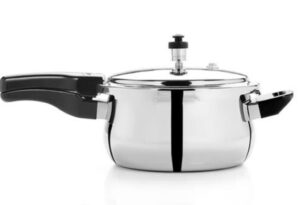
Alright, let’s break down the truth about pressure cooker frying. The short and critical answer is: you should never attempt deep frying in a sealed and pressurized pressure cooker. This is a serious safety hazard and could lead to severe accidents, including oil fires or explosions. High-temperature oil combined with the immense pressure inside the cooker is a recipe for disaster.
Think about it: when you deep fry, you’re heating oil to extremely high temperatures—often 350-375°F (175-190°C). If you then seal that pot and let pressure build, you’re creating an incredibly volatile environment. Opening the lid, even carefully, would be incredibly dangerous due to superheated oil erupting. Plus, pressure cookers simply aren’t designed to handle the sustained high heat required for deep frying effectively or safely.
What You Can Do Safely and Effectively (and I do all the time!)
While deep frying is out, your pressure cooker is incredibly versatile for other oil-based cooking methods. I use these techniques almost every time I cook a meal:
- Sautéing and Browning Ingredients: This is where your pressure cooker shines before it even gets sealed! Most electric pressure cookers have a “Sauté” function, and stovetop models work perfectly fine over medium heat. I use this all the time to brown meat, sauté onions, garlic, and spices for curries, stews, or chili right in the pot. It helps build incredible flavor foundations without needing an extra pan. For example, when I make my famous beef stew, I’ll brown the beef cubes and then sauté the aromatics directly in the pressure cooker pot before adding liquids and sealing it up. It’s a huge time-saver and makes cleanup so much easier!
- Shallow Frying (Before Pressure Cooking): Similar to sautéing, you can use a small amount of oil to shallow fry ingredients to get a nice crust or texture before you add liquids and close the lid. Think about quickly browning chicken pieces for a recipe or searing vegetables. The key here is “shallow” – use just enough oil to coat the bottom of the pot, keep the lid off, and treat it like a regular pot or Dutch oven during this stage. Remember, you’re not pressurizing it while you’re shallow frying.
- Crisping After Pressure Cooking (with Special Lids): Now, here’s a modern twist! Some newer electric pressure cookers (like certain Instant Pot models) come with or have separate “Air Fryer” or “Crisping” lids. These are designed to turn your pressure cooker pot into an air fryer *after* the pressure cooking process is complete. This allows you to achieve crispy textures on things like chicken wings, fries, or roasted vegetables that were first cooked under pressure. This is a fantastic innovation for getting those fried-like results safely, but it’s important to remember it’s a separate function with a different lid and not traditional deep frying. My friend swears by hers for getting perfectly crispy, juicy chicken after pressure cooking.
Why Pressure Cookers Aren’t Ideal for Frying (Beyond Safety)
Even if safety wasn’t the biggest concern, pressure cookers aren’t designed for optimal frying. They typically have a narrower base and higher sides compared to a dedicated frying pan or deep fryer. This means uneven heat distribution for oil, making it harder to get consistently fried results. Plus, traditional pressure cookers lack precise temperature control for frying, which is crucial for perfect results.
So, while your pressure cooker is an absolute rockstar for speedy, delicious meals, it’s best to let it do what it does best. For serious frying, whether deep or shallow, reach for a heavy-bottomed pot, a cast iron skillet, or a dedicated deep fryer. Using the right tool for the job always leads to the best (and safest!) results.
In conclusion, when it comes to pressure cooker frying, remember safety first! Deep frying in a sealed pressure cooker is a big no. But don’t shy away from using it for fantastic sautéing, browning, or shallow frying before you lock down that lid and build pressure. And if you have a model with an air fryer lid, go ahead and crisp to your heart’s content after the pressure cooking is done. Happy and safe cooking everyone!