Many people first think about using bleach in a dishwasher when they notice a stubborn smell or see mold around the door seal. They want a quick solution, and bleach seems strong enough to remove anything that regular detergents cannot handle.
But the moment they hold the bleach bottle, doubt sets in because dishwashers contain metals, rubber parts and sensors that may react differently to strong chemicals.
This uncertainty makes users wonder whether bleach will clean the machine or permanently damage it.
They may remember how bleach can discolor clothes or corrode certain surfaces, and those memories make them even more hesitant. The question quickly turns into a mix of curiosity and caution.
A dishwasher feels like a sealed system, but it is actually a combination of stainless steel walls, plastic racks, heating elements and exposed metal parts.
These materials react differently depending on the chemical involved. Knowing how bleach interacts with each part is the key to safe deep cleaning.
Once people understand when bleach is safe, when it is unsafe and how much to use, the entire process becomes easier. They stop guessing and start cleaning with confidence. A little knowledge removes confusion and keeps both the dishwasher and the user safe.
Why People Consider Using Bleach in a Dishwasher
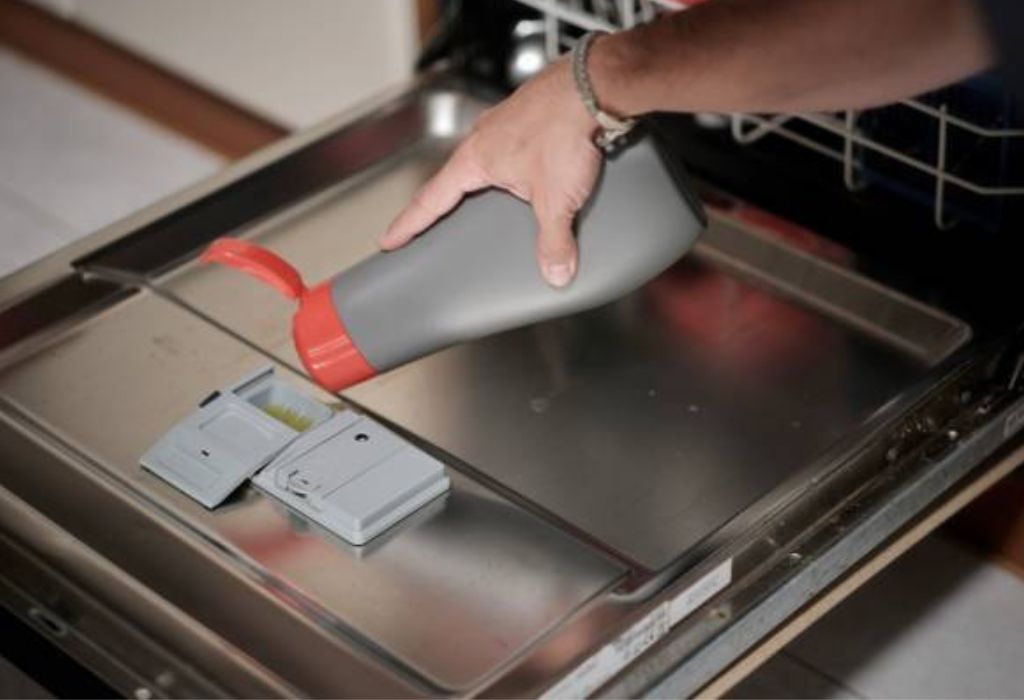
People often think about using bleach in their dishwasher when they notice strong odors that regular detergent cannot remove. Bleach seems powerful enough to kill mold, bacteria and stubborn residue. This makes it an appealing choice for a deep clean.
Another reason people consider bleach is discoloration inside the dishwasher. Food stains, tea residue and detergent buildup can create yellow or brown patches. Bleach feels like a quick fix for restoring the original appearance.
Some users try bleach because they assume a dishwasher is similar to a washing machine. They believe that if bleach works for laundry, it should also work for dishes. This comparison leads to confusion.
People with hard water also explore bleach as a cleaning option. Mineral buildup makes dishwashers smell musty, and bleach is known for breaking down tough deposits. It becomes a tempting option when other cleaners fail.
Bleach is also associated with disinfecting, which attracts users who want a sanitized system. They want to ensure the machine stays hygienic, especially after washing heavily soiled items. Sanitizing feels essential in these situations.
Sometimes users try bleach after seeing mold near the door gasket. This area can trap moisture and develop dark spots. Bleach appears effective for removing mold stains.
Dishwashers with plastic tubs may develop lingering odors more easily. Users assume bleach will neutralize these smells instantly. The strong scent of bleach adds to that belief.
The desire for a fast and powerful cleaning solution often leads people to consider bleach. But understanding how bleach interacts with dishwasher materials is crucial for safety. This knowledge prevents accidental damage.
Is It Actually Safe to Put Bleach in a Dishwasher
Bleach can be safe in certain dishwashers, but only when specific conditions are met. Not all dishwashers are designed to handle harsh chemicals. Understanding your machine’s materials is the first step.
Dishwashers with a stainless steel interior should never be exposed to bleach. Bleach reacts chemically with stainless steel and can cause pitting or corrosion. This damage is permanent and weakens the machine.
Dishwashers with plastic tubs may tolerate bleach better. Plastic surfaces do not react the same way and remain stable during cleaning. However, the amount of bleach must still be controlled.
Using only a small amount of diluted bleach is essential for safety. Concentrated bleach can damage rubber seals and gaskets. Gentle dilution prevents these problems.
Bleach should never be mixed with dishwasher detergent or vinegar. Mixing bleach with other cleaners can create harmful fumes. Safe use requires bleach to be used alone.
Ventilation also matters when using bleach inside a dishwasher. The fumes become stronger when the door is opened after a cycle. Allowing adequate airflow protects the user.
Some manufacturers strictly warn against bleach in their manuals. Ignoring these warnings may void warranties. Always checking the manual prevents costly mistakes.
Using bleach safely depends on materials, dilution and proper conditions. When used incorrectly, bleach can cause corrosion, damaged seals and harmful fumes. Understanding the rules helps avoid serious problems.
Can stainless steel dishwashers handle bleach?
No, bleach corrodes stainless steel and causes permanent damage.
Is bleach safe for plastic tub dishwashers?
It can be safe in small diluted amounts, but caution is still needed.
Can I mix bleach with dishwasher detergent?
No, mixing bleach with other cleaners creates harmful fumes.
Will bleach damage rubber parts in the dishwasher?
Strong bleach concentrations can weaken seals and gaskets.
Does using bleach void the warranty?
Yes, many manufacturers advise against bleach and may void coverage.
How Different Dishwasher Materials React to Bleach
Dishwashers are made from materials that react differently to bleach. Stainless steel, a common interior material, is highly sensitive to bleach and corrodes quickly when exposed. This corrosion creates permanent pits and weakens the metal.
Plastic interiors react much better to bleach. Plastic does not corrode or break down in the same way metal does, which makes it safer for occasional diluted bleach cleaning. Even then, proper dilution is still necessary to protect seals and hoses.
Rubber gaskets and seals are vulnerable to strong bleach. Concentrated bleach can dry out rubber, causing cracks and leaks. Diluting the bleach helps reduce the risk.
Metal components inside the dishwasher, such as screws, hinges and spray arm parts, can also suffer damage. Even small metal pieces react with bleach and corrode over time. These components are vital for proper functioning.
Heat from a dishwasher accelerates bleach reactions. When the machine heats the water, bleach becomes more reactive and can damage sensitive materials faster. This is why controlled dilution is important.
Dishwashers with glass components, such as certain windows or panels, usually tolerate bleach well. Glass does not react chemically with bleach. However, bleach residue must still be rinsed properly.
Plastic racks coated with protective materials may discolor when exposed to strong bleach. The coating can fade or peel. Mild dilution helps prevent cosmetic damage.
Understanding how each material reacts helps users make safer cleaning decisions. Using bleach without considering the dishwasher’s materials creates long term damage. Awareness prevents unnecessary repairs.
The Correct Way to Use Bleach for Dishwasher Cleaning
Using bleach correctly begins with identifying whether your dishwasher has a stainless steel interior. If it does, bleach should never be used at any concentration. This prevents corrosion and expensive damage.
If the dishwasher has a plastic interior, bleach must always be diluted. A small amount of bleach mixed with warm water provides enough cleaning strength. This diluted solution reduces the risk of harming rubber parts.
Remove all dishes before using bleach. Bleach should never come in contact with utensils or plates, even accidentally. It is meant only for cleaning the machine.
Pour the diluted bleach solution into the bottom of the dishwasher, not the detergent dispenser. Dispensers are designed for detergents and may be damaged by bleach. Pouring directly avoids internal complications.
Run the dishwasher on a short, non heated cycle. Avoiding high heat keeps the bleach from reacting too strongly with internal parts. A brief cycle is enough to sanitize the interior.
After the cycle, run another rinse cycle with plain water. This removes any leftover bleach from the machine. Proper rinsing ensures no harmful residue remains.
Keep the kitchen well ventilated during and after bleaching. Bleach fumes may become strong when the door is opened. Ventilation protects the user from inhaling chemicals.
Following these steps allows safe bleach use in approved dishwashers. Proper technique reduces risks and provides effective cleaning. Careful attention keeps the dishwasher functioning at its best.
Common Mistakes When Using Bleach in Dishwashers
One common mistake is using bleach in a stainless steel dishwasher. Bleach reacts quickly with stainless steel and creates corrosion that cannot be repaired. This mistake often leads to permanent interior damage.
Another mistake is using bleach in full strength. Concentrated bleach damages rubber seals, hoses and small internal components. Dilution is essential for safe cleaning.
Some users mix bleach with dishwasher detergent or vinegar. Mixing chemicals creates dangerous fumes that can irritate the lungs and eyes. Bleach should always be used alone.
People also make the mistake of running bleach on a heated cycle. High heat makes bleach more reactive and increases the risk of material damage. A non heated cycle is much safer.
Placing dishes inside the machine while using bleach is another error. Bleach residue on utensils or plates is unsafe for consumption. The machine must be completely empty.
Users sometimes forget to run a clear rinse cycle afterward. Leaving bleach inside the dishwasher can damage parts and create strong odors. A thorough rinse removes all remaining solution.
Storing bleach near the dishwasher’s heating element is also risky. Heat can affect the bleach container and cause fumes. Safe storage avoids these problems.
Many mistakes come from rushing the process or skipping steps. Understanding each step helps avoid damage and ensures a safe deep clean. Proper technique protects both the machine and the user.
Can I use bleach with stainless steel interiors?
No, bleach corrodes stainless steel and causes permanent damage.
Is it safe to mix bleach with vinegar?
No, mixing creates harmful fumes that are dangerous to breathe.
Can bleach be used with dishes inside the machine?
No, bleach should only be used in an empty dishwasher.
Does bleach need to be diluted before use?
Yes, diluted bleach reduces the risk of damaging parts.
Why is a rinse cycle important after bleaching?
It removes leftover chemicals and prevents long term damage.
When You Should Never Use Bleach in a Dishwasher
Bleach should never be used in dishwashers with stainless steel interiors. Stainless steel reacts chemically with bleach and corrodes rapidly. This corrosion weakens the metal and turns into long term damage.
Avoid bleach entirely if your dishwasher has damaged seals or old rubber parts. Bleach dries out rubber and creates cracks that lead to leaks. Weak seals become a safety hazard.
Bleach is unsafe when mixed with any other cleaning product. Combining bleach with detergent, vinegar or general cleaners creates toxic fumes. These fumes are harmful when inhaled.
Dishwashers containing aluminum parts should also avoid bleach. Aluminum reacts strongly with bleach and creates discoloration or degradation. This affects the machine’s performance.
Never use bleach during high heat, sanitizing or drying cycles. Heat multiplies the chemical reaction rate and increases the risk of material damage. A cool or non heated cycle is safer.
Bleach should not be used if the dishwasher has a persistent chemical smell. This may mean that previous cleaners are still inside the system. Adding bleach could create unsafe chemical reactions.
Do not use bleach to clean food residue or stains on dishes. Bleach is unsafe for consumption and must never touch plates or cookware. Only the interior machine surfaces should be exposed when necessary.
Avoid bleach completely if the manufacturer advises against it. Many brands clearly warn users in the manual. Following these guidelines protects the dishwasher and warranty.
Safer Alternatives to Bleach for Deep Cleaning
Many people look for safer alternatives to bleach because bleach can damage certain dishwasher materials. One effective option is using white vinegar, which helps remove odors and mineral buildup. Vinegar cleans without harming metal or plastic surfaces.
Baking soda is another gentle cleaning choice. It helps remove stains and loosen residue inside the dishwasher. When sprinkled on the bottom of the machine, it leaves the interior smelling fresh.
Dishwasher cleaning tablets provide a convenient and safe solution. These tablets are designed specifically to dissolve grease, soap scum and food debris. They work well without exposing the dishwasher to harsh chemicals.
Lemon juice is also popular for natural cleaning. Its acidity breaks down grime and leaves a clean scent. It is safe for both plastic and metal interiors when used properly.
Hydrogen peroxide offers disinfecting power without the corrosive effects of bleach. It removes bacteria and eliminates odors effectively. A diluted mixture is gentle and safe for most dishwasher components.
A combination of vinegar and baking soda cleans deeply without generating harmful fumes. These natural ingredients react safely and help lift stubborn residue. This method is ideal for monthly maintenance.
Using hot water cycles alone can also sanitize the dishwasher. Heat naturally kills many bacteria and helps remove stuck debris. This method requires no chemicals at all.
Choosing safer alternatives protects the dishwasher and reduces health risks. These options provide strong cleaning results without the dangers of bleach. Regular use keeps the machine fresh and efficient.
Troubleshooting Problems After Using Bleach
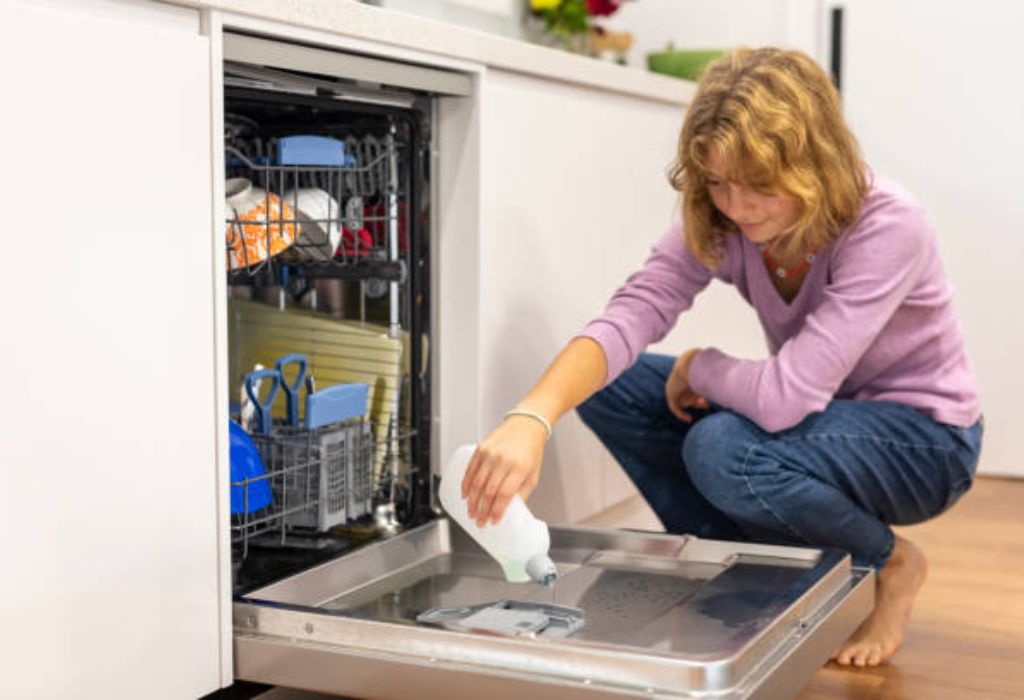
If the dishwasher smells strongly of bleach after cleaning, it means some residue remains inside. Running a full rinse cycle with warm water usually fixes this. Proper ventilation also helps reduce the odor.
If you notice metal parts becoming dull, bleach may have reacted with exposed metal components. This reaction causes discoloration or pitting. It indicates that bleach should not be used again.
Cloudy spots on plastic racks or interior surfaces can appear after strong bleach exposure. This is a cosmetic reaction caused by chemical stress. It does not usually affect performance but may be permanent.
If the dishwasher leaks after bleaching, the seals may have been damaged. Bleach can dry out older rubber parts and cause cracks. Replacing the affected seals prevents further problems.
Weak spray pressure can occur if bleach residue clogs the spray arm holes. Running a hot rinse cycle helps clear any buildup. Manual cleaning may also be necessary.
Bleach fumes may linger inside the dishwasher if the door was closed immediately after washing. Leaving the door open for a few minutes helps the fumes escape. Airflow restores normal conditions.
If the dishwasher shows error codes after bleaching, sensors may have been affected by chemical exposure. Resetting the dishwasher may clear the error, but repeated exposure weakens sensitive parts. Avoiding bleach prevents sensor damage.
Most problems can be fixed with rinsing, airing out and gentle cleaning. But repeated bleach use increases the risk of long term issues. Proper troubleshooting keeps the machine safe and functional.
Why does my dishwasher smell like bleach after cleaning?
Leftover residue usually causes strong bleach odor.
Can bleach damage metal spray arms?
Yes, bleach corrodes exposed metal parts over time.
Why did my dishwasher start leaking after bleaching?
Bleach may have weakened old rubber seals.
Is cloudy discoloration normal after using bleach?
Yes, strong bleach can cause cosmetic cloudiness.
Can bleach trigger dishwasher error codes?
Chemical exposure may affect sensors and cause errors.
How Often Should a Dishwasher Be Deep Cleaned
Regular deep cleaning keeps your dishwasher running efficiently and prevents odors. Most dishwashers benefit from a deep clean every one to two months depending on usage. Frequent use can cause faster buildup of residue and grease.
Homes with hard water may need more frequent cleaning. Mineral deposits collect on the spray arms, filter and interior walls. These deposits reduce water flow and weaken cleaning performance.
If you wash heavily soiled dishes often, your dishwasher may smell sooner. Food particles can get trapped in corners and filters. Deep cleaning removes these hidden residues.
Running a monthly maintenance cycle helps prevent mold and mildew. Dark and moist areas inside the door gasket trap bacteria easily. Routine cleaning protects these areas from growth.
Dishwashers that clean large family loads daily experience faster wear. Grease, detergents and small debris build up inside the machine. Cleaning more often helps maintain efficiency.
Households that rinse dishes thoroughly before loading may not need cleaning as frequently. Lightly soiled loads create less residue. Even then, periodic cleaning keeps the machine fresh.
Listening to unusual noises can signal the need for a deep clean. Clogged spray arms or filters create strain on the pump. Cleaning clears blockages and restores proper function.
Establishing a regular cleaning schedule prevents major issues. A few simple steps each month keep the dishwasher performing smoothly. Consistency helps extend the appliance’s lifespan.
Conclusion
Always read the manufacturer’s manual before using any cleaning product. Different brands use different materials and safety rules. Understanding these guidelines protects your appliance from damage.
Use mild cleaners whenever possible to avoid stressing sensitive parts. Dishwashers contain metal, plastic and rubber components that react differently to chemicals. Gentle products clean effectively without risk.
Avoid using bleach if your dishwasher has a stainless steel interior. Bleach corrodes stainless steel and causes permanent pitting. Choosing safer alternatives protects your appliance.
Keep the filter clean to maintain strong water flow. Filters collect food particles that can create odors and slow down washing. Rinsing the filter regularly keeps the machine efficient.
Check the spray arms for clogs or mineral buildup. Clear spray arms improve cleaning power and detergent distribution. Regular maintenance prevents performance issues.
Allow the dishwasher to dry fully after cleaning. Leaving the door open for a short time helps moisture escape. This reduces the growth of mold and unpleasant smells.
Inspect rubber seals for cracks or dryness. If seals become damaged, leaks may occur and cleaning performance may suffer. Replacing worn parts maintains safe operation.
Following proper maintenance habits keeps your dishwasher clean, safe and long lasting. Good care minimizes repairs and ensures better results. Consistent attention protects your investment.

I’m Emma J. Caldwell, the founder, lead writer, and home-cooking enthusiast behind KitchenGuideCo.com. With a background in culinary arts and over a decade of cooking experience in both professional and personal kitchens, I created this platform to demystify recipes, offer smart kitchen gadget reviews, and guide readers through meal prep with confidence and clarity.