Many people reach for their crockpot on busy weekdays because it makes slow cooking feel effortless, and cleaning it afterward seems just as simple.
After a long day, the idea of placing everything in the dishwasher can feel like the fastest way to wrap up the evening. But the moment someone wonders whether the crockpot can handle high heat and strong detergent, hesitation immediately appears.
The question becomes even bigger after hearing stories of cracked inserts or damaged gaskets caused by dishwasher cycles. Some users discover conflicting advice online, which makes them even more unsure about what their specific model can safely withstand.
The confusion grows because different crockpots are built differently, and not all parts react the same way to hot steam and detergent.
This uncertainty makes people search for a clear and reliable answer before placing the crockpot into the dishwasher. They worry about voiding the warranty, ruining the ceramic insert, or damaging the heating base that keeps the device functioning well.
Understanding how each part behaves inside a dishwasher helps remove all doubts and prevents unwanted damage.
Understanding How a Crockpot Is Built

A crockpot may look simple, but it is made from several specialized materials that react differently to heat and moisture.
The ceramic insert is heavy and designed to distribute heat evenly throughout long cooking sessions. Its glazed finish protects food from sticking and adds a smooth layer that withstands repeated cleaning.
The heating base is the most sensitive part of the appliance because it contains electrical wiring. This base includes metal coils that warm the insert slowly and safely during cooking.
When these electrical parts encounter moisture, they are at risk of damage or dangerous malfunction.
On top of the base sits the temperature control mechanism. Some crockpots use manual knobs, while others rely on digital panels with sensors. These controls are highly sensitive to steam, making them unsuitable for dishwasher conditions.
The lid is typically made from thick tempered glass that traps heat and moisture inside the pot. Many lids include a small silicone or rubber gasket around the edges to create a tight seal. These parts are generally durable but can weaken if exposed to extremely high temperatures.
Rubber feet on the bottom of the base keep the crockpot steady during cooking. These small components are not designed to withstand boiling hot water or aggressive detergent. Keeping them away from dishwashers protects the stability and lifespan of the appliance.
Because each part has a different purpose and material, understanding how each reacts in a dishwasher becomes essential. This knowledge helps you decide which pieces can go in safely and which ones must always stay out.
Which Crockpot Parts Are Dishwasher Safe
The ceramic insert is usually the safest part to place in the dishwasher. It is made from thick, oven safe ceramic that can tolerate heat, pressure and moisture without losing its shape. Most brands label this insert as dishwasher safe for convenience.
The glass lid is also built to handle dishwasher cycles. Tempered glass withstands high temperatures and strong water pressure with ease. Many lids have steam vents or stainless steel rims that also hold up well inside dishwashers.
Some crockpots include removable silicone or rubber gaskets around the lid. These gaskets help trap steam during cooking and are generally washable. They can go in the dishwasher, although repeated exposure may shorten their lifespan over many years.
Many brands stamp dishwasher safe symbols on the bottom of their ceramic inserts. These symbols offer clear guidance for users who lost the original manual. It helps prevent confusion and reassures users that washing the insert will not cause damage.
Even dishwasher safe parts benefit from careful loading. Avoid stacking heavy items on top of the ceramic insert because excessive pressure may cause small cracks over time. Gentle placement helps extend the life of every dishwasher safe part.
Slow cooker brands like Crockpot, Hamilton Beach and Black and Decker typically follow similar dishwasher guidelines. Still, checking your model’s manual ensures absolute accuracy and helps avoid unexpected issues.
Crockpot Parts You Should Never Put in the Dishwasher
The heating base must always stay out of the dishwasher. It contains electrical wiring, heating coils and delicate components that cannot survive exposure to moisture. Even a small amount of steam can seep inside and cause long term damage.
Digital control panels are extremely sensitive to heat and water. These buttons and sensors are designed only for handling cooking temperatures, not dishwasher conditions. If exposed to hot steam, the controls can stop responding or malfunction during use.
The wiring inside the heating base is protected only by thin insulation. Dishwasher detergent and boiling water can weaken or crack this insulation over time. Damaged wiring increases the risk of electric shock or appliance failure.
Metal connectors or contacts located under the insert can corrode if exposed to moisture. These connectors ensure stable heating and proper temperature regulation. Corrosion can cause uneven heating or even complete heating failure.
Rubber feet on the bottom of the base also react poorly to dishwasher temperatures. These feet can melt, warp or detach when exposed to extreme heat. Without them, the crockpot can become unstable on countertops.
The power cord and plug must never encounter dishwasher heat or chemical detergent. These parts are designed for electrical safety, not immersion in water. Keeping them dry ensures safe operation every time you cook.
How Heat and Detergent Affect Crockpots in Dishwashers
Dishwashers use extremely hot water to sanitize dishes. This heat can shock certain crockpot materials and cause them to crack unexpectedly. Ceramic, although durable, can still react to sudden changes in temperature.
Dishwasher detergent is stronger than regular dish soap. It contains abrasives that help remove grease and food particles. However these chemicals can slowly weaken the glaze on ceramic inserts when used repeatedly.
Steam inside dishwashers can seep into small gaps or openings. If it reaches electrical parts, it creates long term damage that is not immediately visible. Over time this moisture can lead to rust or electrical failure.
High pressure spray arms create forceful streams of water. These streams can strike delicate crockpot parts like gaskets and cause them to dislodge or wear out faster. This reduces the effectiveness of the lid during cooking.
Extended heat cycles can also affect rubber components. Gaskets can dry out, lose elasticity and eventually crack or tear. Maintaining these parts properly helps keep your crockpot functioning well.
Dishwasher cycles may also leave cloudy residue on glass lids. Minerals from hot water can cling to the surface and create a dull appearance. Hand washing often keeps glass clearer and more polished.
Step by Step Guide to Cleaning a Crockpot Safely
Cleaning a crockpot safely starts with unplugging the appliance and allowing it to cool completely. Placing a hot ceramic insert in cold water creates thermal shock that can cause cracks. Waiting a few minutes protects the material and makes the cleaning process safer.
Once the crockpot is fully cooled, remove the ceramic insert and the glass lid. These two parts can be washed separately without affecting the heating base. Keeping them apart makes it easier to clean leftover food and stains from different angles.
If food is stuck on the insert, soaking it in warm soapy water helps loosen everything. This method prevents the need for excessive scrubbing that might damage the glaze. A gentle sponge usually removes most stains once they have softened.
Using baking soda on stubborn spots helps lift burnt residues without scratching the surface. This mild abrasive works well because it cleans without damaging ceramic. Letting the paste sit for a few minutes makes tough areas easier to clean.
The lid can be washed with warm soapy water or placed in the dishwasher if the manufacturer approves. Make sure to clean around the rim where grease often collects. A soft brush can reach into grooves and remove leftover food particles.
The gasket around the lid also needs occasional washing. Removing it and cleaning separately keeps odors away and maintains its flexibility. Keeping the gasket clean helps prevent leaks during cooking.
After washing each part, allow everything to dry completely. Avoid placing damp ceramic back into the heating base because moisture can cause hidden damage. A fully dry crockpot ensures safe and efficient use every time.
Deep Cleaning Tips to Remove Odor and Stubborn Stains
Sometimes a crockpot develops odors after cooking strongly scented meals. Baking soda works well for neutralizing these smells because it absorbs lingering scents. Sprinkling it inside the insert and leaving it overnight helps refresh the surface.
Vinegar is another useful cleaning option. Mixing equal parts vinegar and warm water can lift stains and remove sticky residue. This natural solution also helps eliminate unwanted smells without harsh chemicals.
For extremely stubborn stains, soaking the ceramic insert in a vinegar and baking soda mixture can help. This combination creates a gentle fizz that loosens deep stains. Allowing it to sit for several hours makes scrubbing much easier.
If the glass lid develops cloudiness from mineral deposits, lemon juice can help restore clarity. Rubbing lemon on the surface dissolves minerals and brightens the glass. Rinsing well afterward leaves the lid looking clean and clear.
Odors hidden in the gasket can be removed with a simple soak. Warm water mixed with a small amount of dish soap helps loosen grease and buildup. Scrubbing gently with a soft brush keeps the gasket in good condition.
For burned food stuck to the bottom, boiling water inside the insert can help. Pouring hot water and letting it sit softens dried food and makes it easier to lift. This method avoids scratching and preserves the glaze.
Once deep cleaning is complete, let all parts dry thoroughly. Allowing air circulation helps remove remaining moisture and keeps the crockpot fresh. Proper drying prevents mold and ensures a clean cooking experience.
Can a Dishwasher Damage the Ceramic Insert
Ceramic inserts are strong, but they are not completely indestructible. Sudden temperature changes inside dishwashers can create tiny cracks that grow over time. These cracks weaken the insert and make it more vulnerable during cooking.
Harsh dishwasher detergents can slowly wear down the smooth glaze. This glaze protects the ceramic from absorbing food odors and stains. Once the glaze thins, the ceramic becomes more fragile and prone to chipping.
High pressure water jets inside dishwashers can strike the surface with force. This impact can cause small chips or weaken the edges if the insert knocks against other dishes. Keeping the insert separate prevents these unnecessary accidents.
Extremely hot water cycles also affect ceramic durability. Some dishwashers use very high temperatures during sanitizing modes. Repeated exposure to these settings can stress the ceramic material and reduce its lifespan.
When overload happens inside the dishwasher, the insert may bang against other heavy items. This collision creates small impact marks that slowly grow worse. Proper spacing prevents this kind of accidental damage.
Over time the bottom of the insert may also develop hairline cracks. These cracks often start small and may not be visible at first. Eventually they can spread enough to cause the insert to break during cooking.
This is why many people prefer hand washing to extend the life of their crockpot. Hand washing is gentler and gives more control over the cleaning process. It keeps the ceramic stronger and safer for long term use.
Is Every Brand of Crockpot Dishwasher Safe
Different brands use slightly different materials for their inserts and lids. Crockpot branded slow cookers often label their ceramic inserts as dishwasher safe. However the glaze thickness may vary across models, affecting how well they handle dishwasher cycles.
Hamilton Beach offers many dishwasher safe slow cooker components. Their lids and inserts are generally sturdy, but some models include delicate gaskets. These gaskets may wear down faster if washed frequently in dishwashers.
Instant Pot slow cooker inserts differ from traditional ceramic ones. Some inserts are stainless steel and can easily handle dishwasher cleaning. Others include nonstick coatings that may lose quality if exposed to harsh detergent.
Black and Decker models often include dishwasher safe inserts and lids. However their heating bases are never dishwasher safe because they contain sensitive electrical parts. Keeping them dry is essential to prevent malfunction.
Less known brands may use cheaper glazing materials. These glazes can fade or crack faster inside dishwashers. Checking product manuals helps ensure proper cleaning and avoids unintentional damage.
Even within the same brand, different models may follow different cleaning guidelines. Older models may not tolerate dishwasher heat as well as newer ones. Always checking the specific manual gives the most accurate advice.
When unsure about dishwasher safety, hand washing remains the safest choice. It reduces wear and protects fragile parts from unexpected damage. This approach keeps any brand of crockpot functioning well for years.
How to Know if Your Crockpot Is Dishwasher Safe
The easiest way to know if your crockpot is dishwasher safe is by checking the bottom of the ceramic insert. Many manufacturers place clear symbols that indicate whether the part can handle dishwasher temperatures. These markings remove guesswork and help users clean confidently.
The user manual is another reliable source of information. Manuals often include detailed cleaning instructions for each part of the crockpot. If the manual states that the insert or lid is dishwasher safe, it means the manufacturer tested it for that purpose.
If your crockpot has no visible symbols, looking up the model number online can help. Most brands publish cleaning guidelines on their websites for each model they produce. This ensures you follow the correct cleaning method without risking damage.
Some models include a sticker or label near the cord that also provides cleaning instructions. These labels sometimes fade over time, especially with frequent use. Checking early helps you avoid losing this helpful information.
Reviews from other users can offer real experiences. Many people share whether their crockpot survived repeated dishwasher cycles or experienced cracks. This feedback helps guide decision making for specific models.
The lid may include a separate dishwasher safe symbol. Glass lids often have different cleaning rules from ceramic inserts. Checking both pieces helps ensure proper care.
If none of these sources provide clear answers, choosing to hand wash becomes a safe approach. Hand washing protects the materials and extends the life of the crockpot. This conservative choice helps prevent unexpected damage from dishwasher heat.
Common Mistakes People Make When Washing Crockpots
One common mistake is placing the entire crockpot in the dishwasher. The heating base should never be exposed to water because it contains electrical wiring. Doing so can lead to permanent damage and serious safety risks.
Another mistake is putting the insert into the dishwasher while it is still hot. Sudden exposure to cooler water can cause thermal shock. This thermal shock leads to cracks that may not appear immediately but worsen over time.
Some users overload the dishwasher, causing heavy dishes to bump against the ceramic insert. These collisions can chip the glaze or damage the edges. Allowing enough space prevents accidental contact.
Using extremely hot dishwasher cycles can shorten the lifespan of ceramic and gasket materials. Sanitizing settings often exceed the temperatures recommended for crockpot components. Sticking with normal cycles reduces stress on the materials.
Neglecting the gasket during cleaning is another common issue. Gaskets collect grease and absorb odors if not washed regularly. Forgetting to clean them can affect the performance of the lid during cooking.
Using abrasive scrubbers on ceramic inserts can also cause damage. These scrubbers scratch the glaze and expose the ceramic underneath. Gentle cleaning tools maintain the smooth finish.
Storing the crockpot while it is still damp can trap moisture. This moisture can cause odors or mold if the insert and lid are not fully dried. Allowing proper air drying ensures a fresh smelling appliance.
Best Practices to Extend the Life of Your Crockpot
Hand washing ceramic inserts helps protect the glaze from wearing down. Gentle soap and warm water keep the surface clean without causing long term damage. This method prevents scratches and minimizes stress on the material.
Allowing the crockpot insert to cool before washing prevents thermal shock. Cold water against a hot surface can cause cracks to form. Cooling naturally helps preserve the strength of the ceramic.
Cleaning the gasket regularly with warm soapy water helps maintain its flexibility. A clean gasket seals better and keeps moisture inside during cooking. Proper care ensures it lasts longer without splitting.
Drying all parts completely before reassembling prevents trapped moisture. Moisture can damage electrical components if it reaches the heating base. Air drying is usually the safest and easiest method.
Storing the crockpot with the lid slightly open prevents odors from building up. Proper air circulation helps keep the inside fresh. This practice reduces unwanted smells from lingering meals.
Avoiding extremely high heat settings in dishwashers extends the life of glass lids. High temperatures can cloud the glass or weaken silicone edges. Using standard cycles provides gentle yet effective cleaning.
Always lifting the ceramic insert with two hands avoids accidental drops. These inserts are heavy and can slip when wet. Careful handling keeps them in good condition for many years.
Frequently Reported Problems After Dishwashing Crockpots
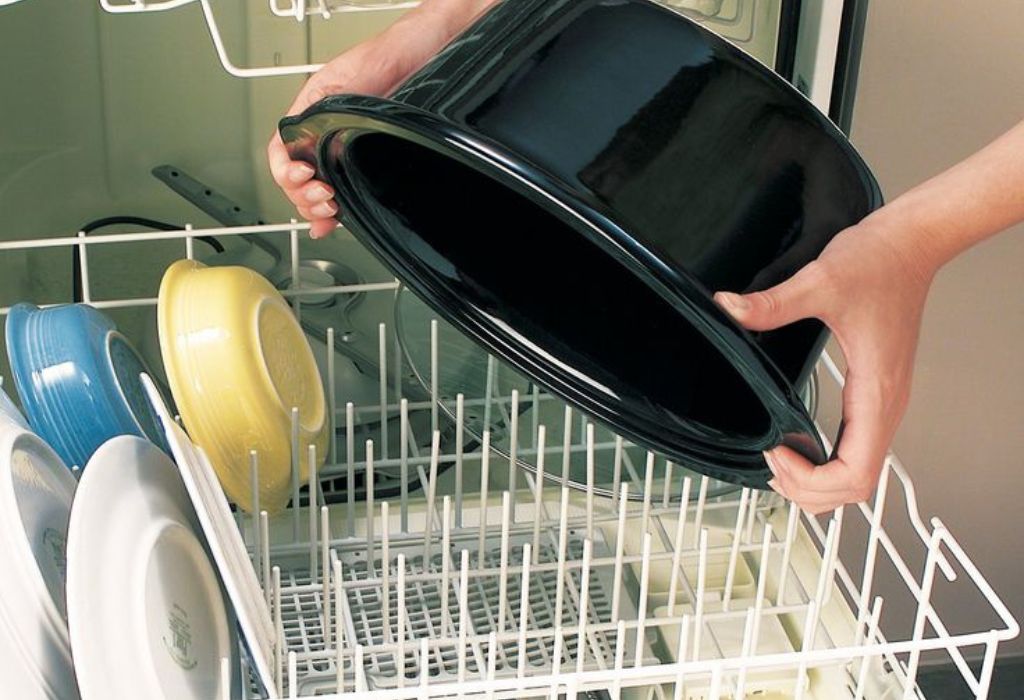
Some users report hairline cracks forming on their ceramic inserts after repeated dishwasher cycles. These cracks often start small and gradually spread. Once they become large, the insert may no longer be safe for cooking.
Others notice cloudy film developing on the glass lid. This cloudiness usually comes from mineral deposits in hot water. Although it looks concerning, it can often be cleaned with vinegar or lemon.
Many users experience weakened gaskets after frequent dishwashing. The rubber can dry out or lose elasticity from exposure to heat. When the gasket stops sealing properly, steam escapes and affects cooking performance.
Some people report that their inserts become slightly rough over time. This happens when the glaze wears down from strong dishwasher detergent. A weakened glaze increases the chance of stains sticking to the ceramic.
Digital controls may malfunction if the heating base is accidentally exposed to moisture. Even small amounts of steam from dishwashers can enter through gaps. This leads to unresponsive buttons or temperature issues.
Noise or rattling inside the heating base can occur if water reaches metal components. Rust may develop and cause internal parts to loosen. This reduces the stability and safety of the crockpot.
In some cases, people notice lingering odors inside the ceramic insert. Dishwasher detergent sometimes leaves residue that absorbs into the ceramic surface. Hand washing typically helps remove this buildup more effectively.
Frequently Asked Questions About Washing a Crockpot
Can the entire crockpot go in the dishwasher
No, the heating base should never go in the dishwasher because it contains electrical components that can be damaged by moisture.
Is the ceramic insert always dishwasher safe
Most ceramic inserts are dishwasher safe, but some models may have special glaze coatings that require hand washing for long term durability.
Can the crockpot lid go in the dishwasher
Yes, most glass lids are dishwasher safe, although high heat cycles may affect silicone or rubber gaskets attached to the lid.
Why did my ceramic insert crack after using the dishwasher
Thermal shock or extremely hot water cycles can cause small cracks that expand over time, especially if the insert was placed inside while still hot.
Does dishwasher detergent damage crockpot glaze
Strong detergents can wear down the glaze slowly and make the ceramic more prone to stains and hairline cracks.
Can I wash the lid gasket in the dishwasher
Yes, most silicone gaskets are safe for dishwashers, but frequent exposure to high heat may cause them to dry out or weaken.
Why does the glass lid become cloudy after washing
Mineral deposits from hot water can leave a cloudy film on the lid, which can usually be removed with vinegar or lemon.
Can dishwasher heat ruin the crockpot insert
Repeated exposure to very high heat cycles can weaken the ceramic and increase the risk of cracking or chipping.
Is it safe to wash a nonstick crockpot insert in the dishwasher
Nonstick coatings may wear down faster in a dishwasher, so hand washing is usually recommended to preserve the coating.
How often should I deep clean my crockpot
Deep cleaning once every few weeks helps remove odors, grease and buildup, especially if you cook strong flavored foods.
Conclusion
Crockpots are durable kitchen tools, but not every part can survive the intensity of dishwasher cleaning. The ceramic insert and glass lid are often dishwasher safe, but repeated exposure to high heat and strong detergent can shorten their lifespan.
Understanding how each part reacts inside a dishwasher helps prevent cracks, weakened gaskets and other avoidable problems.
Hand washing remains the safest way to clean most crockpots because it preserves the glaze, protects delicate components and reduces long term wear.
Allowing the insert to cool before washing, cleaning the gasket regularly and avoiding abrasive tools all contribute to better care. With the right habits, your crockpot will continue delivering warm, flavorful meals without suffering unnecessary damage.
Learning which parts can safely go into the dishwasher removes confusion and helps keep your appliance in excellent condition.
By following gentle cleaning practices and avoiding common mistakes, you ensure your crockpot stays functional and reliable for years. Proper care not only extends its lifespan but also keeps every meal tasting just the way you expect.

I’m Emma J. Caldwell, the founder, lead writer, and home-cooking enthusiast behind KitchenGuideCo.com. With a background in culinary arts and over a decade of cooking experience in both professional and personal kitchens, I created this platform to demystify recipes, offer smart kitchen gadget reviews, and guide readers through meal prep with confidence and clarity.