Owala bottles have become extremely popular because they feel durable, look modern and keep drinks cold for long hours in both indoor and outdoor settings.
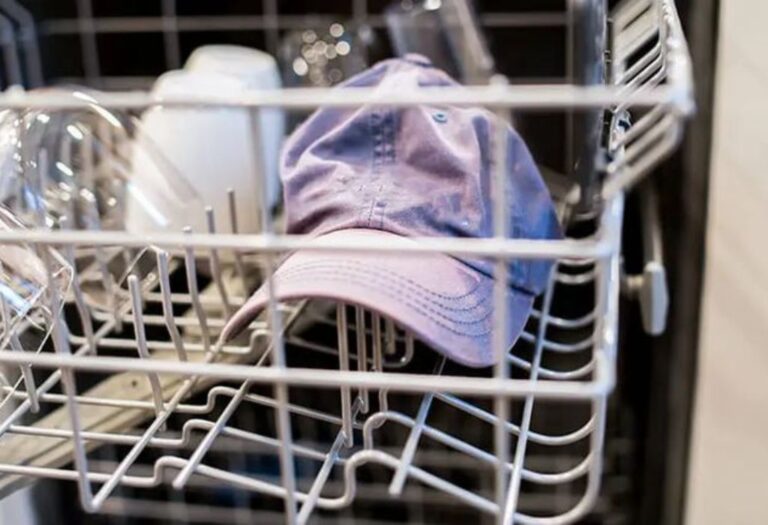
Many people carry them to the gym, office or school and eventually wonder whether they can simply toss the bottle into the dishwasher after a long day. That moment of convenience often raises questions because different parts of the bottle react differently to heat and moisture.
Some users have placed their Owala bottle in the dishwasher only to discover warped lids, faded colors or weakened seals afterward. Others notice a rattling sound inside the insulated body and become confused about what caused the problem.
These small unexpected changes lead many people to search for a clear explanation about whether Owala bottles can truly handle dishwasher cleaning safely.
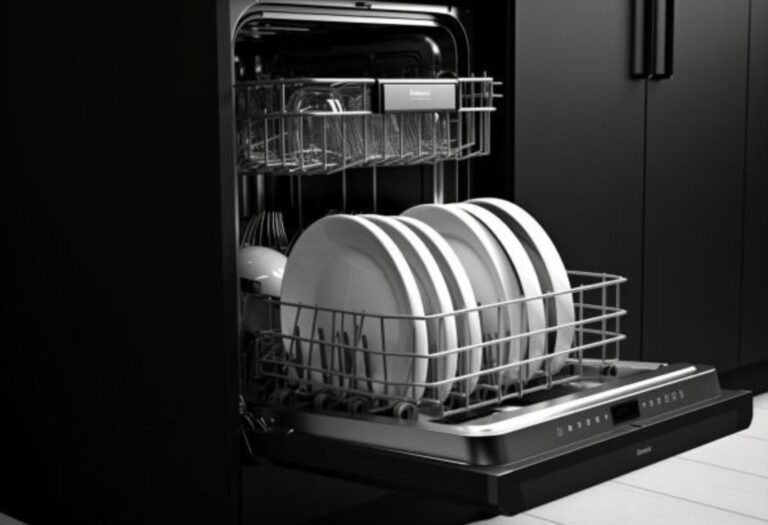
Dishwashers use a strong combination of high heat, constant water pressure and chemical detergents to clean dishes quickly.
While this process works perfectly for plates and glasses, insulated bottles experience a very different reaction because they contain multiple layers of metal and plastic.
Understanding what happens inside a dishwasher helps reveal why Owala bottles need more specific care than many people expect.
Keeping the bottle hygienic is also a major concern because users drink directly from the spout or straw. Some people assume that high dishwasher temperatures guarantee proper sanitation, but the truth is more complicated because certain bottle parts trap moisture easily.
Learning the safest way to clean an Owala bottle ensures long lifespan, fresh taste and reliable performance every time you refill it.
Are Owala Bottles Dishwasher Safe or Not
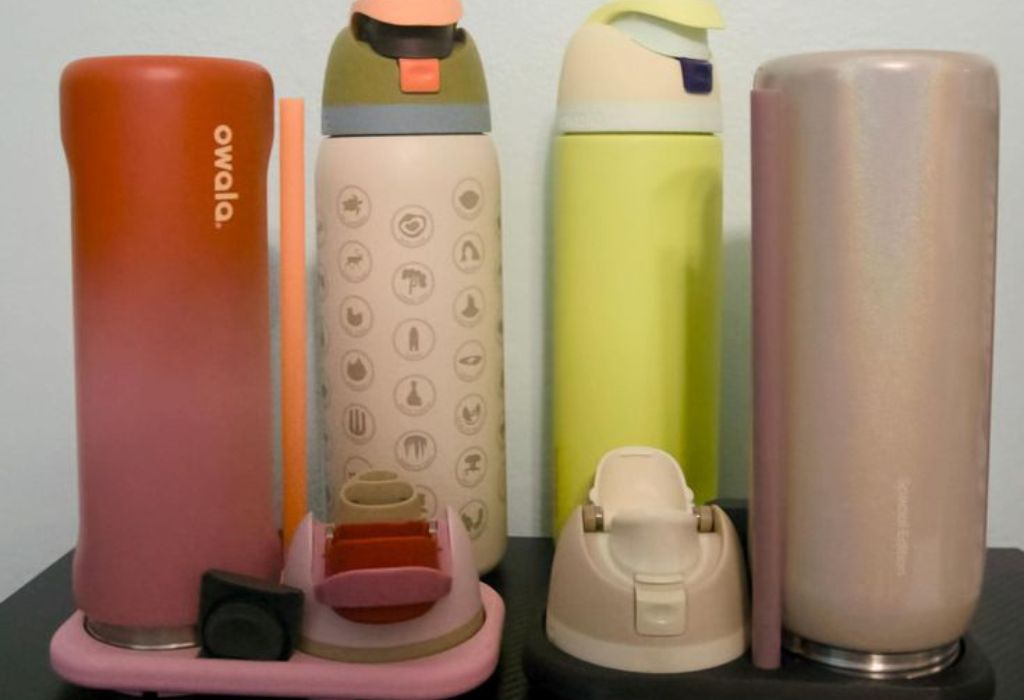
Most Owala bottles are top rack dishwasher safe for the lid and straw, but the stainless steel bottle body is recommended for hand washing. The insulation inside reacts differently to heat and can become damaged by repeated dishwasher cycles. This slow internal damage often goes unnoticed until the bottle stops performing well.
Some plastic Owala models are fully dishwasher safe, but they still come with temperature limits. Plastic can warp if placed near the heating element at the bottom of the dishwasher. This makes placement inside the machine extremely important to avoid deformation.
Manufacturers warn that double wall stainless steel bottles should not be placed in high heat environments. The insulation layer may separate, causing the bottle to lose its temperature retention ability. Dishwashers create rapid heating and cooling cycles that stress the interior walls.
Owala lids contain rubber gaskets that help prevent leaks during travel. These gaskets can wear out faster when exposed to strong detergent and high heat. Once the seal weakens, the bottle may begin leaking unexpectedly.
Straws and sip mechanisms are usually dishwasher safe but can trap moisture inside their narrow channels. When moisture does not dry completely, it can lead to mold or odor issues. Proper drying becomes just as important as proper washing.
Owala bottle coatings can fade or scratch when washed in a dishwasher repeatedly. The outer finish is more vulnerable to strong chemical detergents. Over time the bottle may lose its original appearance.
Hand washing remains the safest method for keeping the bottle body in good condition. Gentle cleaning helps maintain insulation and prevents unnecessary wear on seals and surfaces. Following the manufacturer’s care guide ensures longer bottle life.
What Happens to Owala Bottles Inside a Dishwasher
Dishwashers expose bottles to high heat during the wash and dry cycles. This heat can weaken the vacuum sealed space inside stainless steel Owala bottles. Once weakened, the bottle begins losing its insulation performance.
Strong detergents inside dishwashers contain chemicals that break down oils and residues. These chemicals can damage rubber gaskets that keep Owala bottles leak proof. When the gasket loses elasticity, water begins to seep through.
Water jets inside the machine strike bottles from many angles. This pressure can force moisture into small crevices around the lid or straw. Moisture that becomes trapped takes longer to dry and increases the risk of mold growth.
The drying cycle creates rapid temperature changes that affect the bottle exterior. Stainless steel expands and contracts with heat, but the internal vacuum layer cannot adjust as quickly. This difference leads to structural stress inside the bottle.
Plastic parts on the lid may soften or warp if placed too close to the heating element. Warped parts fit less securely and cause loose lid mechanisms. Once warped, these pieces are difficult to repair.
Dishwasher steam surrounds the bottle throughout the cycle and penetrates small gaps. This steam leaves moisture behind even after the cycle finishes. Trapped moisture affects the bottle’s cleanliness and smell over time.
Repeated dishwasher cycles increase the chance of fading the bottle’s color. Strong detergents and heat slowly wear off protective coatings. This cosmetic change does not affect performance but reduces the bottle’s appearance.
Which Owala Parts Are Dishwasher Safe and Which Are Not
The plastic lid on most Owala bottles is top rack dishwasher safe. It can handle moderate heat and gentle water pressure without losing shape. However placement on the top rack is crucial to avoid exposure to extreme temperatures.
The straw mechanism is also safe for the dishwasher. It benefits from the deep cleaning effect that removes residues stuck inside the narrow tube. The straw still needs proper air drying after the wash.
Rubber gaskets should not be exposed to strong dishwasher detergents too frequently. These detergents remove flexibility from the gasket material. A weakened gasket reduces the bottle’s leak proof performance.
The stainless steel bottle body is not recommended for dishwashers. Its double wall insulation can warp or separate after repeated heat cycles. This damage reduces how long the bottle keeps drinks cold or hot.
Painted or coated bottle surfaces can fade when exposed to dishwasher chemicals. Over time the bottle looks dull and loses its original color. Hand washing keeps the coating intact and shiny.
Some Owala models include flip mechanisms or sliding spouts. These parts are safe for the dishwasher but can become loose with repeated cycles. Hand washing preserves the smooth movement of these components.
Checking the model specific care instructions ensures proper cleaning. Not all Owala bottles share the same dishwasher guidelines. Following the manufacturer’s recommendations keeps each part performing correctly.
How Dishwasher Heat Affects Owala Color, Coating and Print
High heat inside dishwashers causes surface coatings on Owala bottles to soften. When the coating softens, strong detergents begin removing the protective layer that keeps the bottle looking new. Over several cycles the finish loses its smoothness and begins fading.
Printed designs on special edition bottles are especially sensitive to heat. These prints rely on ink layers that are not meant for prolonged high temperature exposure. When exposed repeatedly, the ink begins to peel or lose sharpness.
Dishwasher steam affects the outer surface by forcing moisture under the paint. Moisture that seeps beneath the coating causes small bubbles that eventually result in flaking. Once the paint begins detaching, the damage becomes permanent.
The drying cycle exposes the bottle to higher temperatures than the washing stage. This intense heat accelerates color fading and weakens the bond between coating and metal. Repeated cycles create uneven discoloration across the surface.
Harsh chemical detergents used in dishwashers strip away protective top layers. These chemicals are designed for hard materials like ceramic and steel but not for painted bottles. Their strength causes gradual dullness in color intensity.
Even if the bottle does not show damage immediately, microscopic changes begin after the first cycle. These small imperfections grow larger with every wash. Eventually the bottle loses its original vibrant appearance.
Hand washing preserves the coating because it avoids chemical and temperature stress. Gentle care helps maintain the finish for years. For aesthetic longevity, avoiding the dishwasher is always the safest choice.
Why Dishwashers Can Damage Owala Stainless Steel Bottles
Stainless steel Owala bottles contain a vacuum insulated layer between two metal walls. Dishwashers expose this layer to extreme temperature changes. These changes weaken the seal and reduce cooling performance.
The metal expands when heated and contracts when cooled. Dishwashers cause this cycle to repeat rapidly within a single wash. Frequent expansion strains the internal walls and leads to separation.
Moisture can seep into the small gap between the walls when the seal weakens. This trapped water creates a rattling sound inside the bottle. Once this happens the insulation is permanently compromised.
The bottle exterior coating is vulnerable to harsh detergents. Chemical cleansers scrape away the protective layer slowly over time. This dulls the appearance and weakens the surface.
Heat from the drying cycle causes internal pressure inside the bottle. The vacuum reacts strongly to pressure changes and becomes unstable. This instability shortens the bottle’s lifespan.
Stainless steel reacts differently to steam compared to plastic or glass. Steam saturates the outer metal surface and cools rapidly when the cycle ends. These rapid temperature drops shock the metal.
Repeated dishwasher exposure increases long term wear on the bottle’s structure. Insulated bottles require stable environments to maintain performance. Dishwashers create conditions that disrupt this stability completely.
How to Deep Clean Owala Bottles Without a Dishwasher
Deep cleaning begins by separating every removable part of the Owala lid. Removing the straw, gasket and sliding mechanism exposes hidden areas where residue collects. This ensures every section gets proper cleaning.
Filling the bottle halfway with warm water and baking soda helps loosen stubborn smells. Swirling the mixture inside coats all surfaces evenly. After letting it sit, scrubbing removes any remaining residue.
Vinegar can be added to dissolve mineral deposits inside the bottle. When baking soda reacts with vinegar, it lifts trapped debris from tiny crevices. This gentle chemical reaction restores freshness without damaging insulation.
For deep internal cleaning, a long handled bottle brush reaches areas regular sponges cannot. The brush removes dried juice, milk or protein drink residue effectively. Reaching the bottom ensures full cleanliness.
Small lid parts can be soaked in a bowl with warm soapy water. This helps loosen sticky buildup around the straw opening and flip mechanism. Gently brushing afterward removes all remaining debris.
Hydrogen peroxide can sanitize the bottle when deeper disinfection is needed. Pouring a small amount inside kills bacteria safely without harsh chemicals. Rinsing thoroughly afterward removes the peroxide taste completely.
Deep cleaning should be done weekly if the bottle is used for flavored drinks. Regular maintenance prevents stains and odors from forming. Consistent cleaning keeps the bottle fresh and hygienic.
Safest Ways to Clean an Owala Bottle by Hand
Warm water and mild dish soap work perfectly for cleaning the inside of an Owala bottle. This gentle approach protects the insulation and keeps the bottle free from residue. A soft sponge or bottle brush helps clean the interior thoroughly.
Using a long bottle brush allows you to reach deep into the bottle. The brush removes dried drink residue that may cling to the walls. Cleaning regularly prevents odors from forming.
Lids should be separated into different pieces before washing. Removing the straw and small components helps reach hidden spots. This prevents bacteria from hiding under the parts.
Rinsing the bottle with warm water removes all soap traces. Soap residue can affect the taste of future drinks if not removed completely. Proper rinsing ensures a clean and fresh interior.
Drying the bottle upside down on a rack prevents moisture from staying at the bottom. Air circulation helps dry the interior without trapping water. This reduces the risk of mold and odor formation.
Rubber gaskets should be washed gently with mild soap. Harsh cleaners make them brittle and reduce their flexibility. Elastic gaskets help prevent leaks when maintained correctly.
Oiling or conditioning the gasket is not necessary but keeping it clean and dry helps extend its life. Reinstalling the gasket only after full drying prevents moisture buildup. Proper care ensures a leak free bottle experience every day.
How to Keep Owala Lids, Straws and Gaskets Clean
Straws accumulate residue quickly because liquids pass through narrow channels. Dishwashing or brushing removes buildup that sticks inside the straw. Proper cleaning prevents bacteria from growing inside the tube.
The sip or chug mechanism on Owala lids should be opened and separated before washing. This lets water flow through every part easily. Hidden residue becomes easier to remove.
Rubber gaskets need special attention because they trap moisture under the ring. Removing the gasket helps clean the groove thoroughly. This prevents mold from growing hidden beneath the seal.
Warm water with mild soap works best for cleaning plastic lid components. Harsh detergents weaken the plastic and cause discoloration. Gentle washing preserves the strength of the lid.
Rinsing the lid under running water removes lingering soap. Soap residue affects the taste of your drink and creates a slippery surface. Clean rinsing ensures a fresh drinking experience.
Drying each part individually prevents moisture from collecting. Air drying helps avoid bacterial growth inside the small components. Reassembling only when everything is fully dry keeps the bottle safe.
Cleaning the lid after every use prevents odors and sticky residue. Regular maintenance keeps the drinking mechanism smooth and hygienic. This simple practice extends the lifespan of the lid.
Tips to Increase the Lifespan of Your Owala Bottle
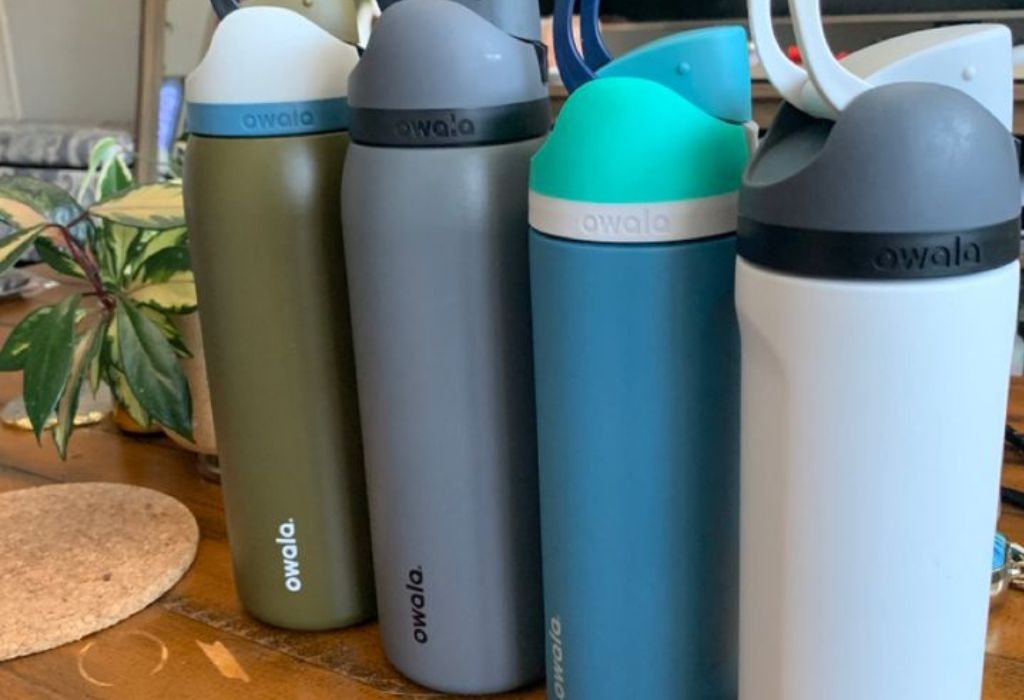
Avoid exposing the bottle to high heat environments such as dishwashers or hot car interiors. Extreme temperatures strain the insulation and weaken its performance. Keeping the bottle at stable temperatures helps maintain durability.
Regularly cleaning the gasket prevents mold and unwanted smell. A clean gasket maintains a secure seal and reduces leakage risks. Preventing buildup increases the lifespan of the lid.
Using soft brushes instead of abrasive pads keeps the bottle scratch free. Scratches invite bacteria and wear down protective coatings. Gentle cleaning tools maintain a smooth and safe drinking interior.
Oiling the sliding lid mechanism lightly with food safe oil improves movement. Smooth movement reduces stress on the plastic parts. Maintaining this area prevents cracking in the long term.
Avoid dropping the bottle from high places because impact damages the internal insulation. Even if the exterior looks fine, the inner layers may separate. Protecting the bottle from heavy impacts ensures longer performance.
Store the bottle with the lid open to prevent moisture buildup. Leaving it closed traps humidity and encourages mold growth. Proper ventilation keeps the interior fresh.
Rotating between multiple bottles reduces wear on a single one. Using one bottle constantly puts repeated stress on seals and insulation. Having two bottles increases overall lifespan and convenience.
Common Questions About Cleaning Owala Bottles
Is the stainless steel Owala bottle body dishwasher safe
No because the dishwasher heat can weaken the vacuum insulation and damage internal layers. Hand washing is recommended to maintain performance.
Can Owala lids go in the dishwasher
Yes most lids are top rack dishwasher safe but should be placed away from the heating element. Proper drying is still important after washing.
Do Owala gaskets get damaged in the dishwasher
Strong detergents and heat can reduce their flexibility and cause leaks. Hand washing helps the gasket last longer.
Why does my Owala bottle smell after dishwasher use
Moisture becomes trapped inside the lid or straw when drying is uneven. This trapped moisture leads to odor and bacterial growth.
Can the Owala straw go in the dishwasher
Yes the straw is dishwasher safe but must dry completely before reassembly. Moisture trapped inside can cause mold.
Will the Owala bottle lose color in the dishwasher
Painted or coated bottles may fade due to detergent and heat. Hand washing protects the exterior finish.
Can putting Owala in the dishwasher ruin insulation
Yes repeated heat cycles can break the vacuum seal inside the stainless steel body. Once compromised the bottle loses its cooling ability.
Why is the lid safe but the bottle not
Plastic handles heat differently from insulated metal walls. Insulation reacts strongly to temperature changes and becomes damaged.
How should I dry my Owala properly
Dry upside down on a rack and separate all lid parts. Air drying prevents trapped moisture and odors.
Can I use boiling water to clean an Owala bottle
You can pour hot water for sanitizing but avoid extremely high temperatures that stress insulation. Warm water is usually enough for safe cleaning.
Conclusion
Owala bottles offer excellent insulation and stylish designs, but they require proper cleaning to stay in the best condition for everyday use.
Dishwashers expose stainless steel bodies, plastic parts and rubber seals to high heat, strong detergents and rapid temperature changes that can weaken insulation and shorten the lifespan of the bottle.
Understanding how each component reacts to these dishwasher conditions helps prevent accidental damage and keeps your bottle functioning properly for years.
Hand washing remains the safest and most effective way to clean an Owala bottle because it protects the internal vacuum, preserves the external coating and maintains the flexibility of rubber gaskets.
Cleaning the lid, straw and small parts thoroughly ensures proper hygiene without risking warping or seal failure. Proper drying also helps prevent odors and mold growth inside smaller components and narrow channels.
With the right care routine, an Owala bottle stays durable, leak proof and visually appealing while keeping drinks cold or hot throughout the day. Following manufacturer guidelines and avoiding dishwasher use for the metal body preserves the bottle’s performance and longevity.
Choosing gentle cleaning methods ensures you enjoy the best possible experience every time you use your Owala bottle.

I’m Emma J. Caldwell, the founder, lead writer, and home-cooking enthusiast behind KitchenGuideCo.com. With a background in culinary arts and over a decade of cooking experience in both professional and personal kitchens, I created this platform to demystify recipes, offer smart kitchen gadget reviews, and guide readers through meal prep with confidence and clarity.