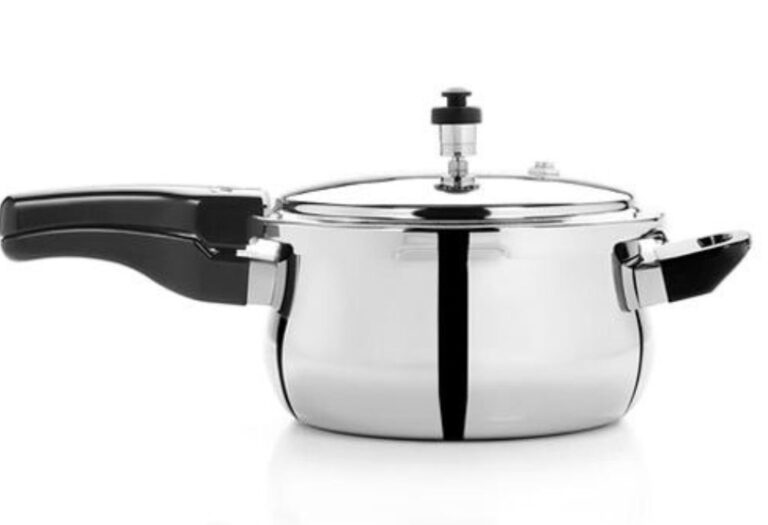
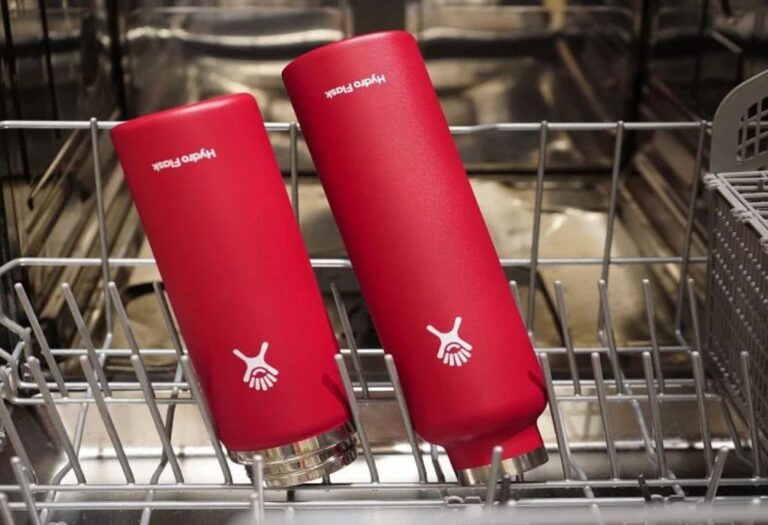
Pots are used every day in the kitchen, and they take on boiling soups, fried meals and long simmering dishes with ease. After cooking, they often carry stuck food, oil stains and burnt corners that take effort to remove by hand.
This makes the dishwasher feel like the perfect solution, but many people hesitate and wonder whether their pots can actually be washed safely inside it.
That confusion grows when users see discoloration on metal pots, loose handles after repeated washing or unexpected scratches that appear over time.
These issues do not happen every day, but when they do, they leave people wondering whether the dishwasher played a role. Stories of warped bottoms, damaged coatings or dull finishes make the decision even harder.
Pots are made from different materials such as stainless steel, aluminum, cast iron, copper and nonstick coatings. Each of these materials reacts to heat, detergent and water pressure in different ways.
Knowing how each material behaves in the dishwasher helps prevent accidents and keeps the pot in good condition for years.
Once people understand dishwasher safety, loading positions, mild settings and manufacturer guidelines, they gain confidence in how to clean their cookware. The dishwasher can be a huge time saver when used correctly, and it helps maintain a more organized kitchen.
By learning the right washing habits, users can enjoy clean pots without worrying about losing quality or damaging the cookware they rely on.
Why Pots Are Difficult To Clean
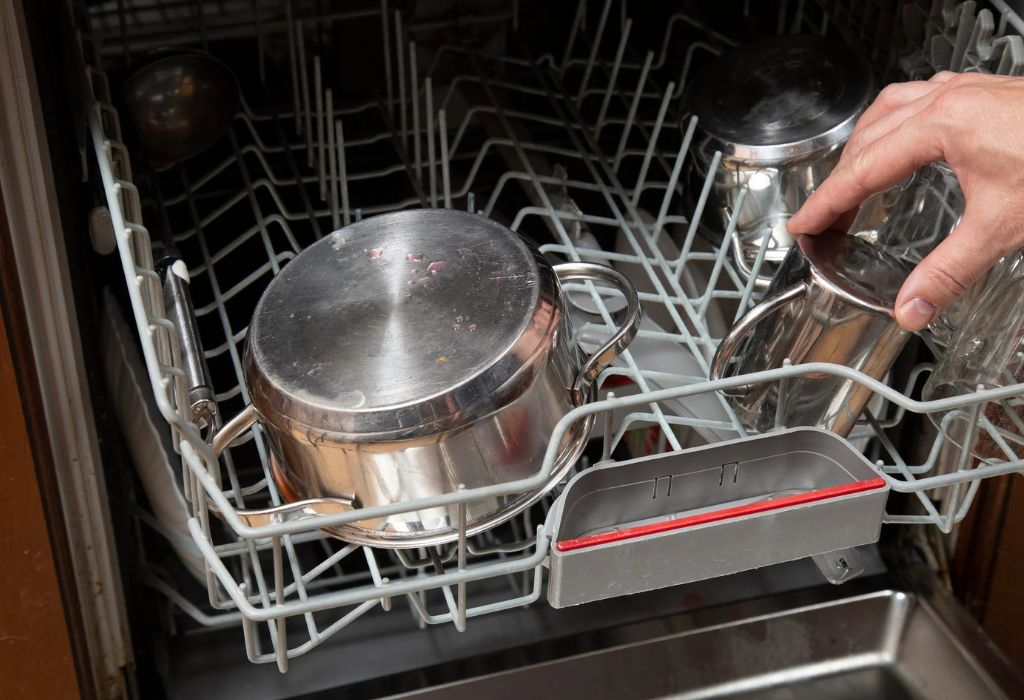
Pots often accumulate thick layers of grease during cooking. High heat causes oils to stick tightly to the surface. Removing these layers requires patience and technique.
Food particles settle at the bottom and sides of pots. As the pot cools, these particles harden and cling stubbornly. This makes cleaning more time consuming.
Some pots have textured surfaces that trap debris. These textures improve cooking performance but complicate cleaning. Gentle scrubbing is needed to maintain the surface.
Burnt residue is one of the biggest challenges. When food burns, it forms a hard shell on the metal. This layer resists normal washing methods.
Deep pots hold more food and liquid. This increases the area that needs cleaning. Larger surfaces require more soap and water contact.
Materials like aluminum or copper react to acidic foods. This reaction leaves stains or dark spots on the pot. Proper cleaning restores the shine.
Residue hides around rivets and handles. These spots are difficult to reach by hand. Effective cleaning requires extra attention.
Understanding these challenges helps users choose the right cleaning method. Good cleaning habits protect pots from long term wear.
Can You Put Pots In The Dishwasher Safely
Many pots are labeled as dishwasher safe but not all can tolerate heat and detergent equally. Stainless steel pots generally perform well in normal settings. They resist heat and maintain shape over time.
Aluminum pots react differently. Dishwasher detergent may cause the metal to oxidize. This results in black or dull patches.
Nonstick pots require extra care. The coating may weaken under high heat or aggressive detergent. Gentle washing is necessary to keep the surface smooth.
Copper pots are usually not dishwasher safe. Heat and soap strip away their shine. These materials require handwashing.
Cast iron should never go in the dishwasher. Moisture causes rust and damages seasoning. Proper handwashing protects the surface.
Stainless steel remains the most reliable option for dishwasher cleaning. Its durability supports everyday washing.
Understanding which pots can handle dishwasher conditions prevents damage. Manufacturer instructions give the safest guidance.
Are all pots dishwasher safe?
No, different materials react differently to heat and detergent.
Do dishwashers damage nonstick pots?
Strong detergent may weaken the coating.
Can aluminum pots go in the dishwasher?
They often oxidize and turn dull.
Is stainless steel safe for dishwashers?
Yes, it handles heat and detergent well.
Can cast iron be washed in dishwashers?
No, it rusts immediately.
How Dishwasher Heat Affects Pots
Dishwasher heat impacts pots based on their materials. High temperatures may cause metal expansion. This expansion sometimes leads to warping.
The drying cycle produces intense heat. This heat reacts strongly with thin metal pots. Thinner materials deform more easily.
Nonstick coatings soften under strong heat. Repeated heating reduces coating strength. This affects cooking performance.
Aluminum reacts chemically to heat and detergent. Oxidation appears as dark patches. This reaction changes the pot’s appearance.
Copper loses its shine in strong heat. Heat strips away its outer coating. This results in dull surfaces.
Stainless steel handles heat better but may develop rainbow stains. Mineral deposits cause these marks. Gentle cleaning removes them.
Handles may loosen from temperature changes. Screws expand and contract under heat. Regular tightening prevents accidents.
Understanding heat reactions helps users choose safe cleaning methods. Proper care prevents unwanted damage.
The Correct Way To Wash Pots In The Dishwasher
Place pots on the top rack whenever possible. The top rack exposes them to less heat. This protects the surface.
Pre rinse pots to remove thick residue. Large debris may clog dishwasher filters. Removing them improves washing.
Use mild wash cycles instead of heavy ones. Gentle cycles protect delicate coatings. This helps pots last longer.
Avoid heated drying modes. Air drying keeps pots safer. High heat increases damage risk.
Ensure pots do not touch each other. Metal on metal contact creates scratches. Proper spacing prevents rubbing.
Remove pots immediately after the cycle. Remaining steam may cause spots. Drying promptly keeps them clean.
Separate materials like aluminum from stainless steel. This prevents chemical reactions. Safe placement reduces staining.
Following proper dishwasher methods maintains pot quality. Safe washing habits extend cookware performance.
Common Mistakes People Make When Cleaning Pots
One mistake is putting all pots together without checking material differences. Each type reacts differently to dishwasher conditions. Mixed washing increases risk.
Another mistake is washing pots while still extremely hot. Sudden temperature changes cause warping. Allowing pots to cool prevents stress.
Some users overload the dishwasher. Overcrowding blocks water flow. This leaves residue behind.
Using extremely strong detergent is another error. Harsh formulas damage coatings. Gentle detergents work better.
Placing pots near the heating element is risky. Heat exposure increases warping. Safe placement is important.
Scrubbing nonstick surfaces with hard pads weakens coatings. Gentle tools protect the finish. Harsh scrubbing decreases pot lifespan.
Leaving burnt residue too long makes removal difficult. Soaking early improves cleaning. Early action maintains quality.
Why do my pots discolor in the dishwasher?
Heat and minerals create stains.
Can pots warp from dishwasher heat?
Yes, sudden temperature changes cause warping.
Why do nonstick coatings peel?
Harsh detergent and heat weaken them.
Is overcrowding pots harmful?
Yes, it prevents proper cleaning.
Can stainless steel scratch in the dishwasher?
Contact with other metals may cause scratches.
Can Pots Warp, Discolor Or Pit In Dishwashers
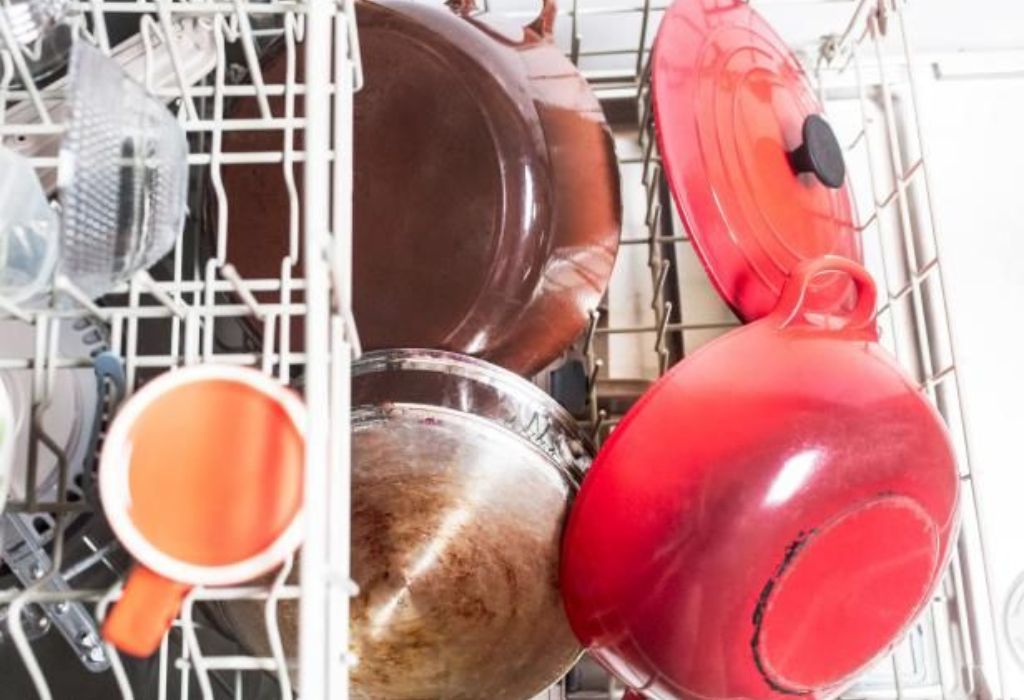
Pots may warp from sudden temperature changes. Thin metals react faster to heat. This causes deformed surfaces.
Discoloration appears from detergent and minerals. Rainbow streaks or white spots are common. These marks are mostly cosmetic.
Pitting is more serious. Pitting creates tiny holes in metal. Strong detergent and minerals cause this.
Aluminum shows pitting more often. Its surface reacts easily. Careful washing prevents damage.
Copper discolors quickly in dishwashers. Heat strips protective layers. This reduces shine.
Nonstick coatings may chip when scratched. Dishwasher pressure increases this risk. Avoiding metal contact helps.
Stainless steel shows fewer problems. It resists pitting and discoloration. Proper care keeps it strong.
Understanding these risks helps protect pots. Safe habits reduce long term damage.
Best Cleaning Tips To Keep Pots In Good Condition
Clean pots soon after cooking. Fresh residue washes away easily. Early cleaning prevents buildup.
Use warm soapy water for delicate surfaces. Mild soap protects coatings. Harsh cleaners damage finish.
Soak burnt areas in warm water. Soaking softens tough stains. This reduces scrubbing pressure.
Avoid metal tools on nonstick pots. Metal scratches coatings. Use soft tools instead.
Dry pots thoroughly after washing. Water spots form when left wet. Dry surfaces stay clean longer.
Alternate between dishwasher and handwashing. Balanced cleaning reduces stress. This extends pot lifespan.
Check for wear regularly. Early signs include dull spots. Addressing issues early protects the cookware.
Good habits maintain pot quality. Proper care ensures long lasting performance.
Troubleshooting When Pots Look Damaged
If pots show white spots, mineral deposits are likely. Vinegar removes these spots. Gentle scrubbing helps restore shine.
If pots warp, heat exposure caused it. Warped pots sit unevenly on stovetops. Avoid sudden temperature changes to prevent this.
Dark patches indicate oxidation. Aluminum reacts this way. Handwashing aluminum prevents it.
Loose handles suggest heat stress. Screws expand in heat. Tightening improves safety.
Nonstick surfaces that peel are unsafe. Replace peeled cookware. Coating flakes may mix with food.
Pitted surfaces indicate strong chemical exposure. Pitting cannot be repaired. Preventing exposure is key.
Odors come from trapped food. Deep cleaning removes them. Regular care prevents smells.
Why do pots smell after washing?
Trapped residue or moisture causes odor.
Can pitting be repaired?
No, pitting is permanent.
Why does aluminum turn dark?
Detergent and water react with the metal.
Why do handles loosen?
Heat expansion weakens screws.
Why does nonstick peel?
Harsh washing weakens coating.
How Often Should Pots Be Washed In Dishwashers
Stainless steel pots can be washed frequently. They handle dishwasher cycles well. Mild settings preserve shine.
Nonstick pots require less frequent washing. Too many dishwasher cycles weaken coatings. Handwashing protects them.
Aluminum pots should rarely enter dishwashers. Frequent washing increases oxidation. Handwashing is safer.
Copper pots should never go in dishwashers. Their coating fades quickly. Handwashing keeps them bright.
Cast iron should always avoid dishwashers. Moisture destroys seasoning. Proper care maintains durability.
Mixed material sets require balanced cleaning. Understanding material differences prevents damage. Safe habits improve longevity.
Regular cleaning keeps pots in good shape. Knowing material limits helps create routines.
Final Safety And Care Tips For Pots
Always let pots cool naturally before washing. Gradual cooling prevents stress. Sudden changes damage surfaces.
Use soft sponges for cleaning. Hard scrubbing creates scratches. Gentle tools protect finishes.
Store pots in dry places. Moisture causes staining. Dry storage keeps them safe.
Separate different materials during washing. Metals react to each other. Safe separation avoids chemical marks.
Check pot surfaces regularly. Early signs include fading or peeling. Fixing issues early prevents accidents.
Avoid placing pots near heat sources in the dishwasher. Bottom racks get too hot. Top racks are safer.
Follow manufacturer guidelines carefully. Each brand uses different materials. Proper guidance protects quality.
How Dishwasher Detergent Ingredients Affect Pots
Dishwasher detergents contain strong cleaning agents that interact differently with each pot material. These ingredients break down grease efficiently, but they can also dull certain metal surfaces over time. Understanding these reactions helps protect cookware from avoidable damage.
Enzyme based detergents remove food residue effectively. These formulas work gently on stainless steel but may still be too harsh for nonstick coatings. Careful selection improves long term results.
Bleach based detergents are powerful cleaners. These detergents can lighten stains but may also strip color from aluminum or copper. Using them sparingly protects delicate surfaces.
Some detergents include abrasives that enhance scrubbing power. These abrasives create micro scratches on metal pots. Scratches collect residue and increase dullness.
Fragrance additives may also cling to pot surfaces. These additives leave mild chemical smells after washing. Proper rinsing reduces odor retention.
Rinse aids help remove water spots from stainless steel. They prevent mineral deposits from clinging to the surface. This keeps the pot shiny after washing.
Detergents dissolve differently depending on water temperature. High heat activates chemicals more aggressively. Using mild cycles avoids unnecessary wear.
Choosing the right detergent ensures safer dishwasher cleaning. The correct formula protects pots from long term damage.
Signs Your Pots Should Not Go in the Dishwasher Anymore
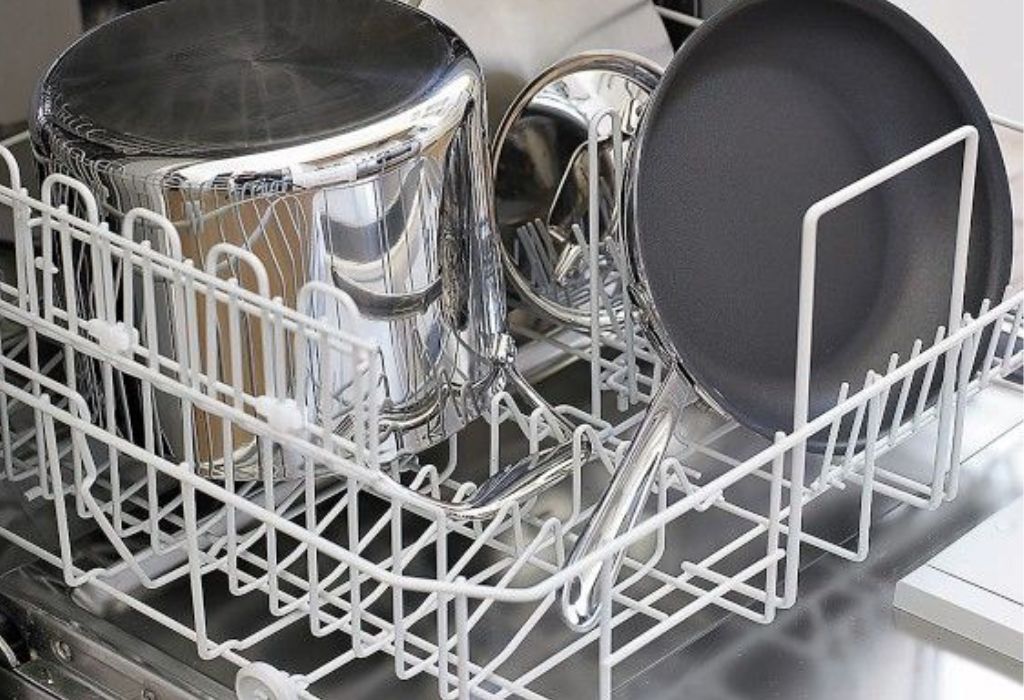
When pots develop deep scratches, the surface becomes more vulnerable to damage. These scratches act as entry points for detergent chemicals. This leads to faster wear and discoloration.
If the pot bottom becomes warped, it no longer sits flat on stovetops. This warping affects cooking performance. Continuing dishwasher use worsens the distortion.
Nonstick coating that begins peeling or bubbling signals structural weakness. Detached coating pieces may mix with food during cooking. Immediate replacement ensures food safety.
If pots develop a rough texture, detergent reaction has likely damaged the finish. This roughness traps residue and becomes harder to clean. Gentle handwashing becomes the safer option.
Loose handles indicate repeated heat exposure has weakened connections. Dishwasher cycles cause metal expansion that loosens screws. Tightening may fix the issue, but continued dishwashing may worsen it.
Dark stains or permanent color changes mean the material is reacting to detergent. These stains often appear on aluminum or copper pots. Switching to handwashing helps protect the surface.
If the pot emits odors even after washing, trapped moisture or chemical reactions may be responsible. This indicates coating wear or internal buildup. A change in cleaning method is necessary.
Recognizing these signs helps prevent further damage. Switching to manual cleaning maintains safety and extends pot lifespan.
Conclusion
Pots play an essential role in everyday cooking, and knowing how to care for them properly ensures they stay reliable for many years. Understanding how different materials react to heat, detergent and water pressure helps prevent unexpected damage in the dishwasher.
When you learn which pots are safe for machine washing and which ones need gentle hand care, cleaning becomes easier and far more effective.
Most problems happen not because pots are weak, but because each material responds differently to temperature changes and strong detergents. Stainless steel can handle regular washing, while aluminum, copper and nonstick coatings require more caution.
By choosing the right cleaning method for each material, you reduce the chance of warping, discoloration or scratches.
Small daily habits make a noticeable difference in the long term. Allowing pots to cool before washing, avoiding overcrowding and staying away from harsh detergents help protect coatings and surfaces.
These simple practices keep pots looking clean while maintaining their cooking performance.
Following manufacturer instructions remains one of the most reliable ways to avoid accidental damage.
Brands design their pots with specific materials and expect users to follow certain cleaning guidelines to preserve quality. Reading these instructions ensures that the pot stays safe through repeated washing cycles.
By combining gentle cleaning methods with smart dishwasher habits, you can protect your cookware and keep it performing like new.
Good care extends the lifespan of the pots, maintains their shine and ensures they remain dependable tools in your kitchen. With thoughtful maintenance, your pots will stay strong, clean and ready for every meal.

I’m Emma J. Caldwell, the founder, lead writer, and home-cooking enthusiast behind KitchenGuideCo.com. With a background in culinary arts and over a decade of cooking experience in both professional and personal kitchens, I created this platform to demystify recipes, offer smart kitchen gadget reviews, and guide readers through meal prep with confidence and clarity.