Silicone bakeware, lids, molds and utensils have become incredibly popular in modern kitchens because they are flexible, durable and easy to use.
Many people rely on them for baking, cooking and storing food, which means they get dirty quickly. When it comes time to clean them, the dishwasher seems like the most convenient solution.
But silicone behaves differently from metal, glass and plastic. Some users notice that silicone items come out of the dishwasher still greasy or smelling like previous meals. These experiences make people question whether silicone truly belongs in the dishwasher.
Imagine baking a batch of muffins or roasting vegetables, only to find sticky oil clinging to the silicone mold. The dishwasher feels like the easiest way to remove the mess. Yet many people hesitate, unsure if the heat or detergent might weaken or damage the silicone.
The flexibility of silicone also raises questions. Since it bends easily, people worry that the dishwasher’s strong water pressure might warp its shape. They also wonder if constant exposure to high heat affects its long term performance.
Online advice only adds to the confusion. Some people say silicone survives hundreds of dishwasher cycles without any problem, while others claim their molds turned sticky or developed strange odors. These mixed experiences leave new users uncertain.
This guide explains everything you need to know about putting silicone in the dishwasher. From manufacturer recommendations to how silicone reacts to detergent and heat, each section offers clear, detailed guidance.
By the end, you will know exactly how to clean silicone safely without damaging its quality.
WHY PEOPLE ASK WHETHER SILICONE IS DISHWASHER SAFE
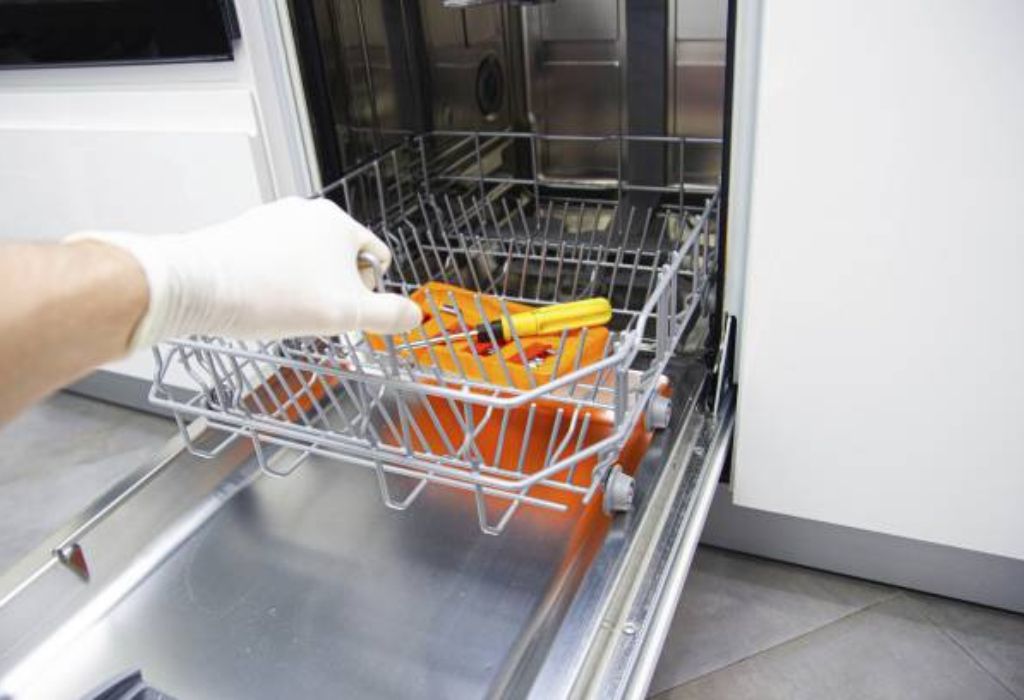
Silicone is one of the most flexible, durable and widely used materials in modern kitchens, which makes cleaning an important part of maintaining its performance.
People often assume silicone is fragile because it bends easily, and that makes them wonder whether dishwasher heat might damage its structure. This uncertainty is understandable since silicone behaves differently from glass or metal.
Many users notice that silicone sometimes comes out of the dishwasher greasy. Silicone naturally attracts oil, and dishwasher detergent may not always remove heavy grease. This makes people think dishwashers might not be suitable for silicone at all.
Another concern is odor absorption. Silicone can trap strong smells such as garlic, onion or baking spices after repeated use. Dishwashers do not always remove these odors fully.
People also worry about shape distortion. The material is flexible, and some believe hot water pressure might cause warping. Fortunately, high quality silicone can handle temperature changes well.
Online reviews make confusion worse. Some people claim silicone survives hundreds of cycles perfectly, while others report sticky surfaces after prolonged dishwasher use. These conflicting experiences make it difficult to know the truth.
Questions also arise about food safety. Silicone that does not clean properly may hold residue in tiny pores. Users want to know if dishwashing is effective enough to keep the material sanitary.
The rising popularity of silicone bakeware, lids, storage bags and baby items makes this question more common. People want safe and convenient cleaning without damaging their kitchen tools. Understanding how silicone reacts to dishwashers helps provide a clear answer.
WHAT MANUFACTURERS SAY ABOUT SILICONE DISHWASHER SAFETY
Manufacturers of food grade silicone generally confirm that silicone is dishwasher safe. They design silicone to withstand high temperatures without melting, cracking or warping. This makes it suitable for top or bottom rack placement depending on the product.
Temperature resistance is one of silicone’s greatest strengths. Most food grade silicone handles heat up to 400°F or more. Since dishwashers operate at much lower temperatures, silicone remains stable.
Manufacturers emphasize that silicone does not absorb heat the way metal does. It stays flexible even after long dishwasher cycles. This flexibility does not affect performance.
Many brands recommend placing silicone on the top rack. The top rack receives gentler heat exposure. This protects colored silicone from fading.
Detergent compatibility is another consideration. Most silicone tolerates almost all dishwasher detergents. However, harsh or scented detergents may leave residue or odors on the surface.
Some manufacturers warn that heavy grease may remain after washing. Silicone attracts oil more than other materials. Pre rinsing helps solve this issue.
Warranty information varies depending on the brand. Most companies guarantee silicone against heat damage but not discoloration or odor buildup. Following manufacturer recommendations ensures a longer lifespan.
HOW DISHWASHERS AFFECT SILICONE MATERIALS
Dishwashers rely on high heat and powerful water pressure, both of which affect silicone in specific ways.
Heat does not damage silicone but may highlight grease that fails to wash off completely. Silicone’s non porous surface traps oils, making dishwasher cycles less effective for deep cleaning.
Grease bonds tightly to silicone in high heat environments. When detergent fails to break down the oil, silicone may come out sticky. This leads users to think the dishwasher causes damage.
Odor absorption occurs when silicone stays damp. If silicone items do not dry completely, odors remain trapped in tiny pores. Opening the dishwasher door after the cycle helps release steam and moisture.
Dishwasher detergent can leave a white film on silicone. This residue is harmless but unattractive. A vinegar rinse usually removes it.
Silicone may temporarily appear warped when hot. As it cools, it returns to its original shape. This flexibility is part of silicone’s natural properties.
Color fading is possible with repeated dishwasher cycles. Brightly colored silicone may lose intensity over time. This is a cosmetic issue rather than structural damage.
Dishwashers mainly affect silicone’s appearance rather than its integrity. The material remains strong, flexible and safe even after years of use. Understanding these effects helps users clean silicone more effectively.
HOW TO SAFELY WASH SILICONE IN THE DISHWASHER
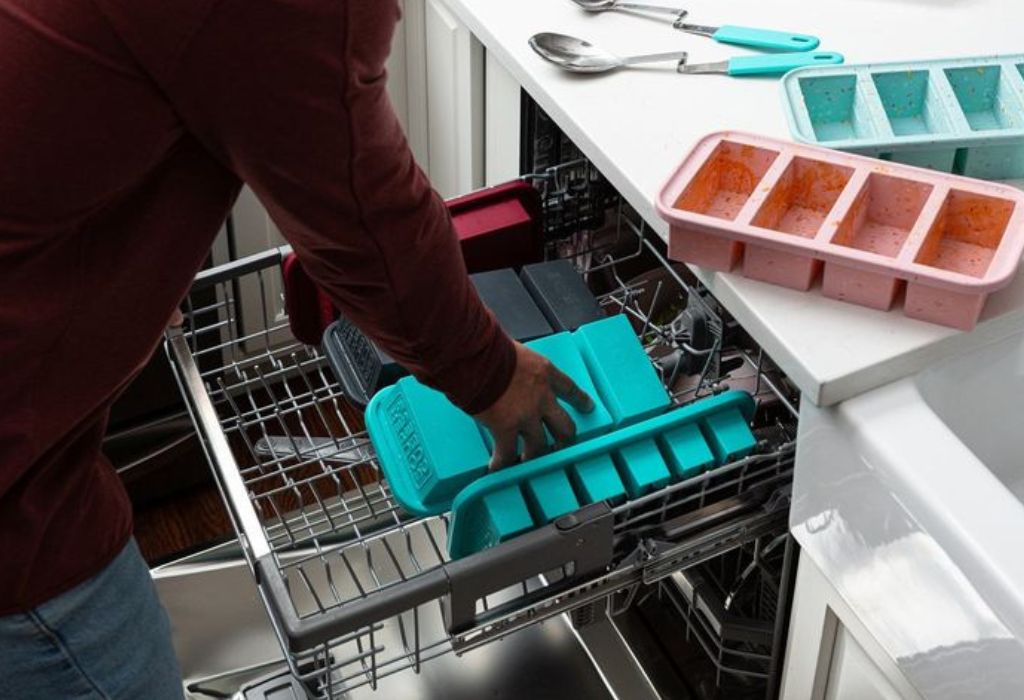
Place silicone items on the top rack when possible. The top rack exposes them to less heat and less water pressure. This method protects colors and prevents distortion.
Pre rinse heavily greased silicone before putting it in the dishwasher. Removing oil first allows detergent to clean more effectively. This prevents sticky residue after washing.
Use mild dishwasher detergent when cleaning silicone. Strong detergents may leave a cloudy film or fragrance behind. Gentle formulas keep silicone fresh.
Arrange items so they do not fold over themselves. Silicone’s flexibility can cause overlapping, preventing proper cleaning. Spacing helps water reach every surface.
Choose a normal cycle rather than heavy or extra hot cycles. Silicone does not require intense cleaning settings. Overexposure to heat may worsen odor absorption.
Air dry silicone after washing. Dishwashers may leave moisture trapped in small grooves. Airflow removes all leftover steam.
If you notice residue, rinse with vinegar. Vinegar breaks down white film and removes detergent buildup. This keeps silicone smooth and clean.
COMMON MISTAKES PEOPLE MAKE WHEN CLEANING SILICONE
A common mistake is loading silicone near the heating element. High heat does not melt silicone but may worsen discoloration. Placing it on the top rack avoids this risk.
Many users forget to degrease silicone before washing. Silicone attracts oil easily, and dishwashers cannot always remove heavy grease. Pre soaking helps remove sticky residue.
Using harsh or scented detergents may cause strong smells to cling to silicone. These detergents leave fragrance behind that silicone absorbs. Mild detergents are more effective.
Overloading the dishwasher prevents silicone from getting fully cleaned. If silicone folds or bends under other dishes, detergent cannot reach all areas. Proper spacing ensures thorough washing.
People also wash silicone with strong smelling foods or containers. Silicone absorbs odors from surrounding items. Washing separately helps reduce odor transfer.
Not drying silicone completely is another mistake. Moist silicone traps smells and bacteria. Air drying is essential for hygiene.
Ignoring white film buildup is common. This residue grows over time and affects appearance. Vinegar or baking soda helps remove it safely.
WILL DISHWASHERS DAMAGE SILICONE OVER TIME
Dishwashers do not melt, crack or structurally damage silicone. The material is designed to handle high heat safely. This makes silicone far more dishwasher friendly than plastic.
Color fading is a possible long term effect. Bright silicone may lose vibrancy with continuous washing. This does not affect performance.
A white film may develop on silicone after many dishwasher cycles. This film is caused by detergent minerals. Regular cleaning with vinegar prevents buildup.
Silicone may lose some non stick ability after extended dishwasher use. This occurs when oils bake onto the surface. Deep cleaning solves the issue.
Odor retention is possible in long term dishwasher cleaning. Silicone absorbs scents from detergent and food. Proper degreasing helps prevent this.
Flexibility remains strong even after years of use. Silicone does not warp permanently under dishwasher heat. Its performance remains reliable.
Although minor surface changes can occur, silicone remains functional. It continues to handle temperature, moisture and use effectively. Dishwashers do not significantly shorten its lifespan.
HAND WASHING VS DISHWASHER FOR SILICONE ITEMS
Hand washing removes grease more effectively. Silicone’s surface holds oil tightly, and scrubbing helps loosen it. This keeps silicone cleaner than dishwashing alone.
Dishwashing provides convenience. It cleans large batches of silicone items without effort. This is useful for families that cook often.
Hand washing prevents white film buildup. Manual cleaning avoids detergent minerals clinging to silicone. This keeps surfaces clear and smooth.
Dishwashers sanitize silicone well. High heat kills bacteria and odors. This is particularly helpful for baby items.
Hand washing helps remove stubborn food residue. Baking messes and baked oil require scrub brushes. Dishwashers may leave sticky patches behind.
Dishwashing may highlight odor absorption. Silicone absorbs detergent smells easily. Hand washing keeps odors milder.
Both methods are effective depending on use. Alternating between them gives the best results. This approach cleans silicone deeply while protecting its quality.
HOW TO DEEP CLEAN SILICONE SAFELY
Use baking soda for a natural scrub. Baking soda removes grease and sticky buildup. It restores silicone’s smooth surface.
A vinegar boil is excellent for removing odors. Boiling silicone in vinegar water eliminates trapped smells. It also helps lift detergent residue.
Soak silicone in warm soapy water for heavy grease. This softens oil and allows easier scrubbing. Grease lifts away without damaging the material.
Baked on residue requires extra steps. Scrub with baking soda and a soft brush. This removes stubborn stains safely.
Use lemon water to remove food smells. Lemon neutralizes strong odors like garlic or onion. Rinse thoroughly to finish the process.
Restoring non stick performance is possible. Baking soda and vinegar together work well. This removes residue that reduces non stick ability.
Monthly deep cleaning keeps silicone fresh. It removes buildup that accumulates slowly. This extends the lifespan of your kitchen tools.
SIGNS YOUR SILICONE NEEDS REPLACEMENT
Permanent odors indicate wear. If deep cleaning cannot remove smells, the silicone may be aging. Odor trapped inside pores cannot be reversed.
Cracks or tears show structural weakness. These openings make silicone unsafe for food use. Replacement becomes necessary.
A sticky surface after cleaning signals deterioration. Silicone that remains tacky has lost its non stick ability. This shows long term wear.
Warping that does not return to shape suggests damage. While flexible, silicone should regain its form. Permanent warping is a sign of replacement.
Fading colors show aging. While cosmetic, severe fading may indicate long term detergent damage. Replacing the item keeps your kitchen looking fresh.
Residue buildup that never disappears indicates surface wear. When detergent film resists cleaning, silicone becomes less useful. New items perform better.
Loss of flexibility is another sign. Silicone should always bend easily. Stiff silicone no longer works safely.
Helpful Cleaning and Maintenance FAQs for Silicone Products
Is silicone completely safe to wash in the dishwasher?
Yes, food grade silicone is generally safe for dishwashers and can handle high heat without melting or warping. The material stays flexible even after many cycles. Only minor cosmetic changes may happen over time.
Why does silicone come out of the dishwasher still greasy?
Silicone naturally attracts oil, and dishwasher detergent sometimes cannot break heavy grease bonds. Pre rinsing or degreasing solves this issue. Deep cleaning helps restore the non stick surface.
Can silicone absorb odors in the dishwasher?
Yes, silicone can trap strong smells from detergent or food residues. Moisture left after washing also increases odor retention. Air drying helps reduce unwanted smells.
Will dishwashing cause silicone to fade or lose color?
Repeated dishwasher cycles may cause bright silicone colors to fade slowly. This fading is cosmetic and does not affect performance. Using the top rack helps reduce the effect.
Is it safe to wash silicone baby items in the dishwasher?
Yes, silicone baby items are dishwasher safe and can tolerate sanitizing temperatures. They clean well but may need extra degreasing for milk or formula residue. Top rack washing is recommended.
Why does silicone develop a white film after dishwashing?
The white film is caused by detergent residue or mineral buildup. It is harmless but unattractive. A vinegar rinse removes the film easily.
Can silicone warp or lose its shape in the dishwasher?
Silicone may look bent when hot, but it returns to its shape when cooled. This temporary change is normal for flexible materials. Permanent warping is extremely rare.
Is it OK to put silicone lids on the bottom rack?
The bottom rack exposes silicone to stronger heat that may cause discoloration. It will not melt, but colors may fade faster. The top rack is a safer choice.
Does dishwasher detergent damage silicone over time?
Most detergents do not harm silicone structure, but strong formulas can leave residue or odor. Mild or fragrance free detergents are better for long term use. They keep silicone clean without buildup.
How do I keep silicone from smelling after washing?
Air drying and deep cleaning help remove trapped odors. A vinegar or lemon water soak neutralizes persistent smells. Proper drying ensures silicone stays fresh.
Conclusion
Silicone has become one of the most versatile and useful materials in modern kitchens, and understanding how to clean it safely helps maintain its performance for years.
While silicone is strongly heat resistant and flexible, it behaves differently from metal or glass when exposed to grease and detergent. Knowing what dishwashers can and cannot remove makes the cleaning process much easier.
Dishwashers provide a convenient and time saving way to clean silicone items, especially when they are used daily.
Silicone handles the heat of dishwasher cycles without melting or deforming, which makes it a reliable option for regular washing. However, heavy grease and certain odors may not wash away completely without extra care.
Hand washing offers deeper cleaning for greasy or heavily used silicone. Scrubbing helps remove oils that dishwashers sometimes leave behind. This method also prevents white film buildup and keeps silicone looking newer for longer.
Small habits also play an important role in protecting silicone. Pre rinsing before dishwashing, choosing the top rack and using mild detergent all help extend the lifespan of silicone kitchen tools. Proper drying also prevents odors and moisture absorption.
Deep cleaning keeps silicone fresh and functional. Using baking soda, vinegar or lemon water helps restore the non stick surface and remove stubborn smells. Regular maintenance ensures silicone continues to perform well in baking, cooking and storage tasks.
Silicone remains one of the safest materials to use in dishwashers when cared for correctly. With the right cleaning routine, it stays flexible, strong and reliable for everyday kitchen tasks. This makes silicone a long lasting and dependable choice for home cooks.

I’m Emma J. Caldwell, the founder, lead writer, and home-cooking enthusiast behind KitchenGuideCo.com. With a background in culinary arts and over a decade of cooking experience in both professional and personal kitchens, I created this platform to demystify recipes, offer smart kitchen gadget reviews, and guide readers through meal prep with confidence and clarity.