Teflon pans make cooking easier because food slides off effortlessly and cleaning usually takes just a few seconds. Many people rely on them every day and naturally wonder whether they can simply put the pan inside the dishwasher after cooking.
That quick decision often leads to mixed experiences because some users report peeling coatings, faded surfaces or scratches after running their Teflon pans through dishwashing cycles.
Others assume that because the pan is made from metal, it must be strong enough to handle dishwasher conditions. But nonstick technology involves a delicate surface layer that behaves differently from stainless steel or cast iron.
Once the coating begins to break down, food starts sticking, and the pan loses the smooth texture that made it valuable in the first place.
Dishwashers rely on extremely hot water, strong detergent chemicals and high pressure water jets to clean dishes.
These conditions are ideal for plates and utensils but create a harsh environment for nonstick coatings. If exposed repeatedly, the surface becomes damaged long before it shows visible signs.
Some people want a convenient cleaning method, especially after cooking oily or messy meals, while others worry about long term safety of coatings when exposed to harsh dishwasher cycles.
Learning the correct way to clean Teflon pans helps maintain performance, extend lifespan and protect cooking quality every day.
Are Teflon Pans Dishwasher Safe or Not
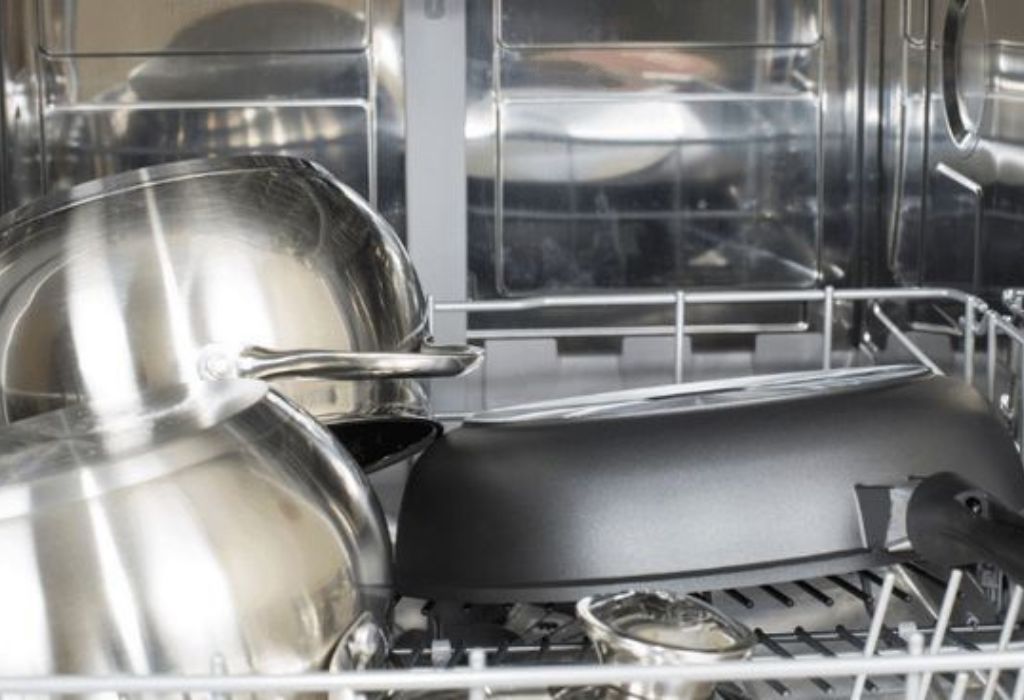
Most cookware manufacturers advise that Teflon nonstick pans should not be washed in the dishwasher. The high heat and strong detergent combination accelerates surface wear. Once the Teflon coating weakens, its nonstick effect declines quickly.
Many pans labeled dishwasher safe still degrade faster with machine washing compared to gentle hand cleaning.
Dishwasher safe usually means the pan will not fall apart immediately, but long term durability suffers. The protective bond holding the coating in place weakens from repeated cycles.
Dishwasher detergents contain abrasive ingredients designed to break down grease aggressively. These chemicals strip the nonstick surface and leave it more vulnerable to scratches. Over time, this leads to flaking or peeling.
The dishwasher’s drying cycle heats nonstick pans far beyond what they experience during normal cooking cleanup. This excessive temperature stresses the Teflon layer. Prolonged exposure can warp the base or loosen the coating.
Nonstick pans often include aluminum bases that react poorly to dishwasher chemicals. Aluminum darkens and develops small pits when exposed to alkaline detergents. This affects heat distribution during cooking.
Even if a pan appears fine after a few dishwasher cycles, microscopic damage begins early. Small surface disruptions accumulate and eventually lead to larger patches of degraded coating. These patches increase food sticking and reduce pan lifespan.
Hand washing remains the safest cleaning method for Teflon pans. Gentle cleaning protects the coating and ensures long term nonstick performance. Avoiding dishwashers preserves the smooth cooking surface.
How Dishwashers Affect Teflon Nonstick Coating
Dishwashers use water temperatures that exceed what Teflon coating can safely withstand. Excessive heat softens the surface layer and weakens its structure. Once softened, the coating becomes more fragile.
Detergents used in dishwashers contain harsh alkaline compounds. These compounds dissolve oils effectively but also attack the nonstick coating. Chemical exposure leads to fading and brittleness.
High pressure water jets strike the pan surface from close range. These jets force water into tiny surface imperfections and widen them over time. Repeated cycles enlarge the weak spots.
The drying cycle creates extreme temperature changes within minutes. The pan goes from hot water to intense dry heat quickly. This rapid expansion and contraction cracks the coating.
Steam lingering inside the dishwasher penetrates small scratches. This moisture causes the coating to swell and weaken the bond between layers. Swelling reduces durability significantly.
If metal utensils were used during cooking, tiny scratches already exist on the surface. Dishwashers make these scratches deeper and more pronounced. Over time, the coating begins peeling.
Nonstick coatings require careful temperature control during cleaning. Dishwashers disrupt this balance and speed up coating breakdown. Hand washing maintains surface integrity.
How Dishwasher Detergent Damages Nonstick Surfaces
Dishwasher detergents are formulated to remove stubborn grease from stainless steel, ceramic and glass. These materials tolerate strong chemicals well. Teflon coatings, however, cannot withstand such harsh exposure.
Detergents contain bleaching agents that lift residual food particles. These bleaching agents break down Teflon molecules slowly. Continued exposure causes discoloration and surface roughness.
The detergent granules often include abrasive minerals. These minerals scratch the nonstick coating during wash cycles. Even mild scratches affect long term nonstick performance.
Detergent residue left on the pan after washing creates cloudy patches. These patches signify early surface erosion. Erosion weakens the coating and reduces slipperiness.
High alkalinity in dishwashing detergent reacts chemically with aluminum bases. This reaction forms black spots or chalky white deposits. These deposits interfere with heat conduction.
If detergent collects in a small area of the pan, it concentrates chemical damage. Concentrated exposure melts the protective layer. Once melted, the area becomes vulnerable to sticking foods.
Hand dish soap does not contain these abrasive and alkaline agents. Using gentle soap keeps the Teflon surface smooth and intact. This prevents unnecessary wear and tear.
Are Any Teflon Pans Truly Dishwasher Safe
Some modern nonstick pans are marketed as dishwasher safe, but the term is misleading. Manufacturers use it to indicate that the pan will not warp immediately. However, the coating will still degrade faster than with hand washing.
High quality nonstick pans with reinforced coatings survive a few dishwasher cycles better than older models. These coatings include ceramic or titanium reinforcements. Still, dishwashers reduce their lifespan significantly.
Pans with rivet free designs are slightly more resilient to dishwasher stress. Fewer crevices reduce water pressure impact. But the coating itself remains vulnerable.
Dishwasher safe labels often apply only to the body, not the coating. Reading the manual reveals limitations. Most brands still recommend hand washing for best longevity.
Some pans include multi layer nonstick coatings. These layers last longer but deteriorate under heat stress eventually. Even reinforced coatings weaken with repeated cycles.
The outer surface of many Teflon pans is painted or enameled. Dishwasher detergents remove this outer finish quickly. Paint damage makes the pan look old and worn.
Even if a brand claims dishwasher safety, independent testing often shows faster wear. Consumers notice weakened nonstick performance after months of machine washing. Hand washing remains the safest method.
Safest Ways to Clean Teflon Pans by Hand
Begin by letting the pan cool completely before washing. Washing a hot pan damages the coating through sudden temperature change. Allowing it to cool maintains its structural integrity.
Use warm water and mild dish soap. This combination removes grease without disturbing the nonstick layer. Gentle cleaning extends the pan’s lifespan.
Use a soft sponge or non abrasive cloth. Abrasive scrubbing pads create microscopic scratches. These scratches grow over time and cause peeling.
Rinse thoroughly to remove all soap residue. Soap left behind can interact with heat during the next use. Complete rinsing avoids buildup.
For stubborn residue, fill the pan with warm soapy water and let it soak. Soaking softens stuck food particles. This makes them easier to remove without scrubbing hard.
Use baking soda paste for gentle cleaning. Baking soda lifts small stains without scratching. This method is ideal for restoring minor discoloration.
Dry the pan with a soft towel after washing. Moisture left on the surface encourages water spots. Proper drying keeps the pan looking smooth and clean.
How to Protect Teflon Coating During Daily Use
Avoid using metal utensils when cooking with Teflon pans. Metal edges scratch the surface easily. These scratches invite peeling over time.
Use silicone, wooden or nylon utensils instead. These materials glide smoothly across the coating. They protect the nonstick surface from damage.
Do not overheat the pan when cooking. High heat damages Teflon faster than anything else. Keep cooking temperatures moderate for longer lifespan.
Avoid burning food inside the pan. Burnt residue sticks tightly and requires forceful scrubbing. Forceful scrubbing damages the coating.
Lift rather than slide the pan on stovetops. Sliding may scratch the bottom or sides. Lifting preserves the painted or coated exterior surface.
Seasoning the pan occasionally with a light oil coating helps maintain smoothness. A thin oil layer fills microscopic pores. This improves performance and prevents sticking.
Store the pan carefully to avoid scratches. Avoid stacking heavy cookware directly on top of it. Use pan protectors or cloth layers to prevent friction.
Why Teflon Pans May Warp When Washed in Dishwashers
Dishwashers expose pans to rapid temperature changes. Sudden heat expansion and cooling contraction cause metal deformation. Warped pans no longer sit flat on stovetops.
The base of the pan often includes aluminum, which is soft and sensitive. Heat weakens aluminum structure faster than steel. Washing repeatedly accelerates warping.
Dishwashers spray hot water directly onto the base. Concentrated heat affects pan balance. Over time the base becomes uneven.
If a pan sits too close to the heating element, it overheats. Overheating distorts the metal layer permanently. This damage cannot be fixed.
Multiple metal layers expand at different rates. When layers separate, the base bends. Once separated, heat conduction becomes uneven.
Warpage affects cooking performance. Oil pools in one section and leaves other areas dry. This leads to awkward cooking experience.
Warped pans require replacement. Preventing warpage with hand washing protects longevity. Proper care ensures consistent cooking.
Why Dishwashers Reduce the Lifespan of Teflon Pans
Dishwasher heat penetrates the nonstick coating and weakens its molecular bonds. Weakened bonds cause peeling and flaking over time. Once peeling begins, the pan loses effectiveness.
Detergents remove the pan’s protective oil layer. This oil layer keeps the coating flexible. Without it, surface cracks develop.
Water pressure causes physical stress on the coating. Strong jets hit the surface repeatedly. These repeated impacts shorten coating lifespan.
Steam from the dishwasher softens the Teflon layer. Softened layers become more vulnerable to utensil damage. The next cooking session accelerates wear.
The drying cycle reaches extreme temperatures. These temperatures exceed what the coating tolerates. Continuous exposure leads to rapid decline.
Dishwashers also affect attached handles. Loose handles shift and cause stress on the pan body. This stress eventually damages inner coating.
Long term dishwasher use removes nonstick performance completely. The pan becomes sticky and unpleasant to cook with. Hand washing preserves nonstick quality.
How to Tell If Your Teflon Pan Is Damaged Beyond Repair
A Teflon pan that begins to show consistent sticking even at low temperatures is often experiencing deep surface damage. This sticking indicates that the nonstick layer has worn away and can no longer perform correctly. Once this starts happening regularly, repair is not possible.
Visible scratches or peeling areas on the nonstick surface confirm coating breakdown. These damaged spots expose the underlying metal and create uneven cooking surfaces. Food clings to these worn areas and worsens the problem over time.
Discoloration, especially dark patches or rough texture, often signals chemical wear from dishwasher detergents. These areas feel different when touched and may look duller than the rest of the pan. Such discoloration cannot be restored once it spreads.
If the coating begins flaking, small pieces may appear in food after cooking. Although accidental ingestion is unlikely to cause serious harm, it means the pan is no longer safe to use. Flaking indicates structural failure of the coating.
Warping is another sign the pan is compromised. A warped base prevents even heat distribution and makes oil flow to one side. Uneven heat leads to burnt spots and inconsistent cooking.
Odors that stay trapped in the coating even after washing suggest residue has penetrated the surface. This indicates microscopic cracks that hold oils and flavors. Once odors persist, replacement becomes necessary.
When multiple signs appear together, the pan has reached the end of its lifespan. Continuing to use it results in more sticking, uneven heat and potential flaking. Replacement ensures safer and better cooking performance.
How to Refresh an Old Teflon Pan Safely
If a pan begins sticking slightly, cleaning with a baking soda paste may restore smoothness. Baking soda removes residue gently. This helps recover lost slipperiness.
Rubbing a small amount of cooking oil into the pan helps reseason it. The oil fills minor surface pores. This reduces sticking during the next use.
Heating the oiled pan briefly strengthens the oil layer. The heat bonds the oil to the coating. This improves glide temporarily.
If the pan has deep scratches, restoration is not possible. Scratches allow food to cling permanently. Attempting to fix them may worsen the surface.
Avoid using harsh chemicals to repair the coating. Harsh treatments damage the surface further. Nonstick surfaces require delicate care.
If peeling occurs, the pan must be replaced. Peeling indicates severe coating breakdown. Continuing use becomes unsafe.
Refreshing the pan prolongs its life mildly. However replacement becomes necessary eventually. Proper maintenance slows deterioration.
How to Store Teflon Pans to Prevent Scratches and Damage
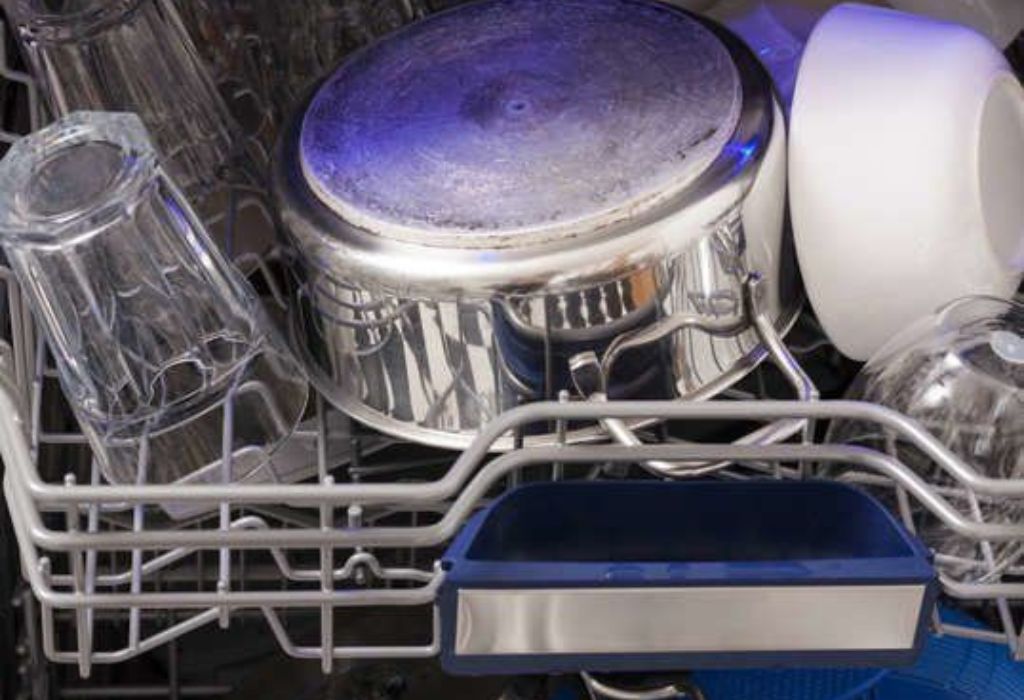
Proper storage helps maintain the smooth nonstick surface and prevents accidental scratches. Many people stack pans directly on top of one another, but this creates friction that damages the coating. Using protective layers helps avoid this problem.
Place soft cloths, paper towels or felt pan protectors between stacked pans. These barriers cushion the surfaces and prevent rubbing. Even thin protective layers significantly reduce scratch risk.
Avoid sliding pans into tight spaces in kitchen cabinets. Sliding forces the edges of other cookware against the coating. This pressure creates small scrapes that expand over time.
Store the pan separately if possible. Giving it its own space eliminates accidental contact with metal cookware. This is ideal for preserving expensive nonstick pieces.
Do not place heavy pots or cast iron cookware on top of Teflon pans. The weight warps the aluminum base and stresses the nonstick layer. Warped pans lose stability and cook unevenly.
Hang the pan if it has a sturdy handle loop. Hanging keeps the cooking surface completely free from pressure. It ensures long term protection of the nonstick coating.
Always dry the pan fully before storing it. Moisture trapped between stacked pans can cause staining and weaken the coating. Keeping the surface dry protects the long term durability.
Creating good storage habits prevents unnecessary wear. Proper care avoids scratches, dents and surface degradation. This extends the lifespan of your Teflon pan significantly.
Key Questions About Teflon Pan Longevity
Are Teflon pans dishwasher safe
No dishwashers damage the nonstick coating and reduce lifespan.
Why is my nonstick pan peeling
Heat and dishwasher detergents weaken the surface and cause flaking.
Can dishwasher safe nonstick pans go in the dishwasher
They can but the coating still wears out faster.
Is Teflon toxic if scratched
Minor flakes are not highly dangerous but the pan should be replaced.
Can high heat damage Teflon pans
Yes overheating destroys nonstick properties quickly.
Why does food stick to my Teflon pan now
The coating is worn or damaged from improper cleaning.
Is it safe to soak a Teflon pan
Short soaking is safe but long soaking weakens the coating.
How often should I replace nonstick pans
Usually every 2 to 5 years depending on care and usage.
Can I use metal utensils with Teflon
No metal scratches the nonstick coating easily.
Why does my pan warp in the dishwasher
Rapid temperature changes and high heat deform the base.
Conclusion
Teflon pans offer smooth, convenient cooking but require careful cleaning to preserve their nonstick performance. Dishwashers expose them to extreme temperatures, high pressure water jets and harsh detergents that weaken the nonstick coating and shorten lifespan.
Understanding how these conditions affect Teflon surfaces helps prevent peeling, warping and premature damage.
Hand washing with gentle soap remains the safest and most effective method for cleaning nonstick cookware. Using soft utensils, avoiding high heat and storing pans properly also contribute to longer lasting performance.
With the right care routine your Teflon pans remain smooth, easy to clean and reliable during everyday cooking.
Following proper maintenance keeps the coating intact and extends the life of the pan significantly.
Once good habits become routine, your nonstick cookware stays in excellent condition and delivers better results every time. Protecting Teflon pans today ensures safe and enjoyable cooking for years to come.

I’m Emma J. Caldwell, the founder, lead writer, and home-cooking enthusiast behind KitchenGuideCo.com. With a background in culinary arts and over a decade of cooking experience in both professional and personal kitchens, I created this platform to demystify recipes, offer smart kitchen gadget reviews, and guide readers through meal prep with confidence and clarity.