Lots of people wonder, can rice cooker cause fire, especially when they’re first starting to cook. It’s a common worry, and it’s totally understandable. There are many different brands and models, and they all work with electricity. Fortunately, rice cookers are designed with safety in mind. This post will show you, step-by-step, how rice cookers work, the things that can go wrong, and how to keep your kitchen safe. Let’s get started!
How Rice Cookers Operate and Their Safety Features
Rice cookers are convenient kitchen appliances. They cook rice automatically, making them popular. But how do they work, and what keeps them safe? This section will explain the inner workings. We will cover the basic components, the heating process, and the safety measures built into the design. Learning this is the first step toward safe operation. This will give you a better idea of what to look for when you use one, and what problems to watch out for.
Inside the Rice Cooker
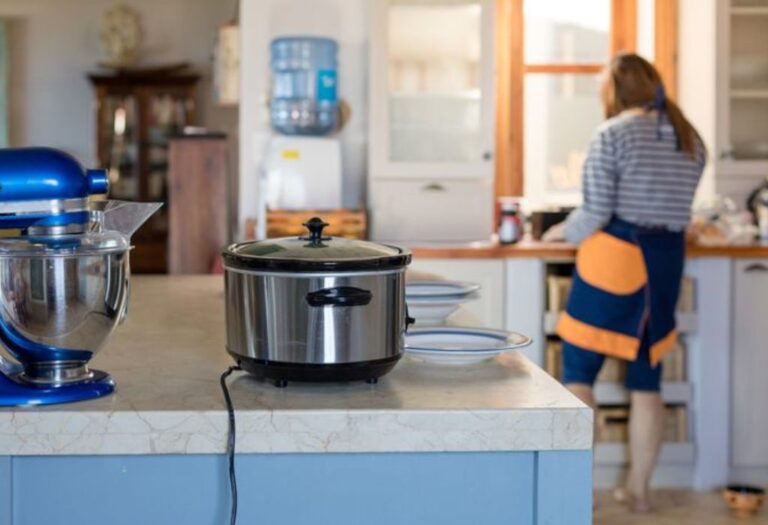
A rice cooker’s core consists of a few essential parts. The inner pot is where the rice and water go. It’s usually made from a non-stick material. The heating element, often a coil or flat surface, is at the bottom. This element generates heat to cook the rice. A thermostat is a crucial safety component. It senses the temperature inside the cooker and controls the heating process. The lid traps steam and prevents the rice from drying out. The exterior casing houses all the components and keeps the user safe. These parts all work together, but each piece has a very important job. Without the cooperation of all the parts, it would be difficult to cook rice properly.
- The Inner Pot: The pot must be made of materials that can withstand high temperatures. The non-stick coating makes it easy to clean. Damage to the pot, such as scratches or dents, can affect how heat is distributed and how easily the cooker functions.
- The Heating Element: The heating element delivers the required heat for cooking. Its power is measured in watts, and it varies among different models. It is designed to heat the pot evenly, ensuring that the rice cooks uniformly.
- The Thermostat: This device is key for controlling the cooking process. When the temperature reaches a certain level, the thermostat shuts off the heating element. This prevents the rice from burning or overcooking.
- The Lid: The lid fits snugly to trap steam. This ensures proper cooking. It also prevents spills and maintains the internal temperature needed for cooking.
- The Outer Casing: The exterior is the protective housing for the cooker’s electrical parts. It usually has an insulated design, keeping the outside cool.
The Cooking Cycle
The cooking process starts when you place rice and water in the inner pot and turn the cooker on. The heating element starts to warm up the pot. As the water boils, it generates steam. The steam cooks the rice. The thermostat monitors the temperature. When the water is absorbed, the temperature rises. At a certain point, the thermostat switches to a “keep warm” setting. This keeps the rice at a safe temperature. This automatic cycle makes rice cookers easy to use. Knowing how this cycle functions is useful for using the cooker correctly. Understanding it may also help you resolve any issues that may come up. For example, if you see steam escaping before cooking is done, you might need to adjust the water ratio.
Safety Mechanisms
Manufacturers build various safety measures into rice cookers. These measures are designed to prevent potential hazards. The thermostat is the most important safety element. It prevents overheating. There are also thermal fuses that can shut off the cooker if it overheats. This is a failsafe. It prevents fire in cases of a thermostat malfunction. Some cookers have automatic shut-off features if they run dry. This is another layer of protection. It prevents the heating element from getting too hot without water. There are many steps that have been taken to make rice cookers safe.
Can Rice Cooker Cause Fire: Potential Hazards and Prevention

While rice cookers are usually safe, knowing the possible risks is vital. This section will discuss things that may contribute to fires. It is designed to help you avoid problems when using one. This includes electrical issues, misuse, and neglecting maintenance. The goal is to provide a comprehensive look. This helps you to use your rice cooker safely. You will learn about how to spot potential issues. You will be able to take steps to prevent problems from happening in the first place. This may help keep you safe.
Electrical Hazards
Electrical issues are the biggest risk. Overloaded circuits can lead to problems. Plugging a rice cooker into a circuit with too many other devices increases the risk. Damage to the power cord is another risk. Cracks or frayed wires may cause short circuits. Water exposure is also a hazard. Water can cause electric shock or damage to the appliance. Using the correct voltage is another essential point. The rice cooker must be plugged into a socket that matches its voltage requirements. Failing to do so may damage the cooker. It may also create a fire risk. Electrical safety is an important part of making sure you don’t have issues. Regularly checking the power cord and outlet is a good habit. You should also ensure that the circuit is not overloaded.
- Overloaded Circuits: One of the main reasons can rice cooker cause fire is from overloading circuits. If a circuit has too many appliances running at once, it can overheat. This could damage the wiring and create a fire.
- Damaged Power Cords: Check the cord regularly. If it’s frayed, cracked, or damaged, it could cause a short circuit. Replace the cord immediately if there is any damage.
- Water Exposure: Keep the rice cooker away from water. Water may cause short circuits or electric shock. Never place the cooker near sinks or wet areas.
- Incorrect Voltage: Make sure the rice cooker is using the correct voltage. Using the wrong voltage can damage the appliance. It can also create a fire hazard.
Misuse and Negligence
Misuse is another leading cause of rice cooker accidents. Overfilling the cooker can cause boiling water to spill onto the heating element. This may lead to damage or electrical shorts. Not cleaning the cooker properly can also cause problems. Food debris can burn and catch fire. Leaving the cooker unattended for too long is a potential risk. If there is a malfunction, you might not notice it. This could allow a small problem to turn into a much bigger one. It’s also important to use the correct type of rice. Using the wrong ratio of water and rice may also damage the cooker. Proper use, regular cleaning, and close supervision are essential for safe operation. Always follow the manufacturer’s instructions. This reduces the risk of accidents.
Maintenance and Regular Inspections
Regular maintenance is a key part of preventing problems. Cleaning the cooker after each use removes food residue. This prevents burning and ensures optimal performance. Inspecting the power cord and the appliance for damage is another key task. Replacing any damaged parts quickly minimizes the risk of hazards. Make sure that the cooker is stored properly when it’s not in use. Store it in a dry area. Avoid extreme temperatures. Consider having your rice cooker serviced by a professional if you suspect any electrical issues. This will provide an added layer of safety. Regular maintenance extends the life of the appliance. It also keeps you and your family safe from potential problems.
Best Practices to Avoid Rice Cooker Fires
Following specific safety practices can help you prevent fires. This part offers actionable steps to keep your rice cooker safe. This guidance will help you cook with confidence. It also promotes safe kitchen habits.
Safe Usage Tips
Follow these usage tips to ensure the safe operation of your rice cooker. First, always read the user manual before using the appliance. Each model has its instructions. This ensures that you operate it correctly. Second, measure rice and water properly. Too much water might cause spills. Too little can cause the rice to burn. Third, place the rice cooker on a stable, heat-resistant surface. This will prevent accidental tipping. Always supervise the cooker. Never leave it unattended for long periods. If you smell something burning or see smoke, unplug it immediately. Let it cool before checking what happened. Finally, keep the rice cooker away from flammable materials. This includes curtains, paper towels, and other kitchen items.
- Read the User Manual: Each model is a bit different. Always follow the instructions.
- Proper Measurements: Use the right ratio of rice and water. This avoids spills and burning.
- Stable Surface: Place the cooker on a heat-resistant surface. This helps prevent accidents.
- Supervise: Watch the rice cooker while it’s in use.
- Clear the Area: Keep flammable items away from the cooker.
Cleaning and Maintenance Routine
A good cleaning and maintenance routine is important. Start by unplugging the rice cooker. Allow it to cool before cleaning. Then, remove the inner pot. Wash it with soap and water, and dry it thoroughly. Wipe the exterior of the cooker with a damp cloth. Never immerse the entire cooker in water. This might damage the electrical parts. Check the power cord regularly for damage. Clean any steam vents to ensure proper operation. This prevents clogging and overheating. Replace the inner pot if it is scratched or damaged. Clean the heating plate. Doing so will prevent food buildup, which might catch fire. Following these steps helps keep your cooker in good condition. Doing so also promotes safety and extends the life of the appliance.
Recognizing Warning Signs
Learning to recognize warning signs is another part of safety. Listen for unusual sounds. Popping or buzzing noises can indicate electrical problems. Smell for burning odors. These may be a sign of food burning or electrical issues. Watch for smoke or steam that seems excessive or unusual. If the rice cooks too fast or slowly, this could mean there is a problem. If you notice any of these signs, unplug the rice cooker immediately. Then, check the appliance. Do not use the cooker again until the issue has been resolved. If you are unsure, consider getting it checked by a professional. Early recognition of problems prevents serious issues.
What to Do if a Rice Cooker Catches Fire
It’s important to know what to do in an emergency. This part will offer guidance on reacting to a rice cooker fire. Your safety is key. These steps will help you take action in a high-stress situation. This will teach you how to respond to prevent serious injury. Knowing how to react in a fire can save lives.
Immediate Actions
If your rice cooker catches fire, act fast. The first thing you should do is unplug the appliance from the power source. This cuts off the electricity. Next, if it’s safe to do so, move the cooker away from flammable materials. This will help to stop the fire from spreading. If the fire is small and contained, try to extinguish it. You can use a fire extinguisher or baking soda. Never use water on an electrical fire. Water may spread the fire or cause an electric shock. Once the fire is out, ventilate the kitchen. Open windows and doors. This removes smoke and fumes. Call the fire department immediately if the fire is out of control. Your safety and the safety of your family are the priority.
Fire Extinguisher Usage
Having a fire extinguisher can be helpful. Know where yours is and how to use it. First, make sure you have the correct type of extinguisher. A class C fire extinguisher is made for electrical fires. Aim the nozzle at the base of the fire. Squeeze the handle to release the extinguishing agent. Sweep the nozzle from side to side. Cover the entire fire. Keep a safe distance from the fire while you are extinguishing it. After the fire is out, ventilate the area. This removes smoke and fumes. If you are unsure about using a fire extinguisher, contact the fire department. They can provide advice. They can also provide training.
After the Fire
After the fire is out, it’s important to take several steps. Contact the fire department to report the fire. They can assess the damage. They can also ensure that the area is safe. Do not use the rice cooker again until it has been inspected by a professional. This may identify electrical hazards. It will make certain that the appliance is safe to use. Clean up the area. This includes removing any debris and cleaning surfaces. Check for any structural damage. Contact your insurance company. They can help with the costs of repair or replacement. Learn from the situation. Take fire safety classes. Ensure that you have smoke detectors. This will protect your home and your family.
Frequently Asked Questions
Question: Can leaving a rice cooker on cause a fire?
Answer: Yes, leaving a rice cooker on for extended periods can be a fire risk. While most models have a “keep warm” function, a malfunction or misuse may lead to overheating or other problems that may cause a fire.
Question: Are rice cookers safe to leave unattended?
Answer: While rice cookers are designed to be safe, it’s safer to not leave them unattended for long periods. Regular supervision is recommended to quickly address any issues.
Question: How often should I replace my rice cooker?
Answer: A well-maintained rice cooker may last for years. However, if you see signs of damage or malfunction, it’s best to replace it or have it checked by a professional.
Question: What should I do if my rice cooker starts smoking?
Answer: Immediately unplug the rice cooker if you see or smell smoke. Let it cool down, and don’t use it again until you’ve checked it for any issues.
Question: Can I use a rice cooker on a power strip?
Answer: Yes, but make sure the power strip has enough capacity to handle the rice cooker’s power usage. Don’t overload the power strip with too many other devices.
Final Thoughts
Knowing can rice cooker cause fire is a crucial aspect of safe kitchen practices. By learning how these appliances work, understanding potential hazards, and following these guidelines, you can protect your home. Inspect the power cord, ensure you have the proper water-to-rice ratio, and do not overfill the cooker. These steps will keep you and your family safe. Regular cleaning, maintenance, and awareness of warning signs are very important. Have a fire extinguisher and a safety plan. You are now equipped to cook rice safely and confidently. Remember, a little attention to detail goes a long way. This promotes a safe and enjoyable cooking experience. Keep these tips in mind as you enjoy delicious rice dishes.

I’m Emma J. Caldwell, the founder, lead writer, and home-cooking enthusiast behind KitchenGuideCo.com. With a background in culinary arts and over a decade of cooking experience in both professional and personal kitchens, I created this platform to demystify recipes, offer smart kitchen gadget reviews, and guide readers through meal prep with confidence and clarity.