A common question for new cooks is, can rice cooker cook quinoa? It seems easy, but getting quinoa just right can be tricky! Some worry about it being too mushy or too crunchy. But don’t worry! This guide is here to help you get fluffy, delicious quinoa every time, using your trusty rice cooker. We will explore everything you need to know and give you a simple step-by-step method to help you succeed, and a lot more!
Quinoa and Rice Cookers: A Perfect Pairing
Many people wonder if a rice cooker is suitable for cooking quinoa, and the answer is a resounding yes! Rice cookers offer a convenient and efficient way to prepare quinoa. Their ability to maintain a consistent temperature is ideal for achieving perfectly cooked quinoa. This method is especially beneficial for those new to cooking quinoa, as the rice cooker simplifies the process. It helps make cooking quinoa a stress-free experience. Plus, it frees you up to prepare other dishes.
Advantages of Using a Rice Cooker
-
- Consistent Results: Rice cookers are designed to cook grains to perfection. This ensures your quinoa will be cooked evenly and consistently every time. You don’t have to monitor the cooking process constantly.
Rice cookers automatically control the cooking time and temperature. This eliminates the guesswork involved in stovetop cooking. This consistency prevents overcooking or undercooking, which often happens when using other cooking methods. The consistent results are especially helpful for beginners who may not be familiar with the nuances of quinoa cooking.
-
- Convenience: The ease of use is one of the most significant benefits. Simply add the quinoa and water, press a button, and the rice cooker does the rest. This is perfect for busy individuals and families. It saves time and minimizes cleanup, making it a simple cooking option.
The “set it and forget it” feature of rice cookers is a lifesaver. You can focus on other tasks while your quinoa cooks. The cooker automatically switches to a warming mode once cooking is complete. This keeps your quinoa warm and ready to serve for hours. This is especially useful for meal prepping or when you are cooking a meal with multiple parts.
-
- Versatility: A rice cooker is more than just a tool for cooking rice. You can use it to prepare various grains, including quinoa, oats, and even certain types of vegetables. This versatility makes the rice cooker a valuable addition to any kitchen.
Many models have settings specifically for different types of grains. Some even have steaming functions for vegetables or fish. This versatility expands your cooking options. It makes your kitchen more efficient and reduces the need for multiple appliances. Plus, it makes experimenting with different dishes easier.
-
- Easy Cleanup: Rice cookers are generally easy to clean. Most models have non-stick inner pots that make cleanup a breeze. This reduces the time and effort needed after cooking, making the entire process more enjoyable.
The simplicity of cleaning is another major advantage. The inner pot is often removable and dishwasher safe. Simply rinse the pot and wipe it clean. This minimizes the time spent washing dishes. It makes the entire cooking experience more convenient, from start to finish.
Getting Ready: Ingredients and Preparation
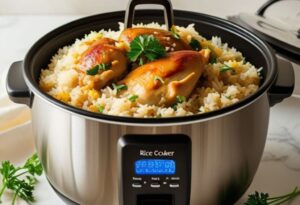
Before you begin cooking quinoa in your rice cooker, it’s essential to gather the right ingredients and prepare them properly. This section will guide you through the process, ensuring you’re ready to achieve fluffy, delicious quinoa every time. Proper preparation is the foundation for a successful outcome when answering, can rice cooker cook quinoa?
Essential Ingredients
-
- Quinoa: The star of the show! Choose your preferred type of quinoa – white, red, or black – or use a mix. Make sure to rinse the quinoa thoroughly before cooking. This removes the saponins, which can give it a bitter taste.
The choice of quinoa type impacts the final texture and taste. White quinoa is the most common and cooks quickly. Red and black quinoa have a slightly nuttier flavor and a firmer texture. Experimenting with different types can enhance your cooking experience. No matter what kind you choose, washing quinoa first is essential to get rid of any potential bitterness. Rinsing also prevents the quinoa from sticking to your rice cooker.
-
- Water or Broth: Water is the most basic liquid for cooking quinoa. But, you can use broth for added flavor. Vegetable broth or chicken broth can significantly enhance the taste of your quinoa.
The liquid you choose affects the final taste of your dish. Water is neutral and allows the quinoa’s natural flavors to shine. Broth adds depth and complexity. You can also experiment with different types of broth to match your desired taste profile. When using broth, you might need to adjust the salt content. This will help you achieve the perfect flavor balance.
-
- Optional Add-ins: To boost the flavor, consider adding a pinch of salt, a bay leaf, or a splash of olive oil to the cooking liquid. This can add flavor and moisture.
Adding herbs and spices to your quinoa during cooking is a great way to customize your dish. A bay leaf can add a subtle, savory note. A touch of olive oil helps keep the quinoa from sticking and adds richness. Salt enhances the flavor of the quinoa. It’s important to control the amount of salt to prevent it from becoming too salty. Adding add-ins is all about experimentation and personal preference.
Washing the Quinoa
Washing your quinoa is a simple, yet critical step. It is the best way to get rid of saponins. Saponins are natural compounds found on the quinoa grains. They can give the quinoa a slightly bitter taste. Rinsing your quinoa before cooking it is the most important part of the process.
-
- Place the quinoa in a fine-mesh sieve.
A fine-mesh sieve is best. It ensures that the tiny quinoa grains do not fall through the holes.
-
- Rinse under cold, running water for about a minute.
Make sure the water runs clear. This indicates that the saponins have been removed.
-
- Gently shake the sieve to remove excess water.
This prepares the quinoa for cooking.
Step-by-Step: Cooking Quinoa in Your Rice Cooker
Now that you have your ingredients and preparation steps covered, it’s time to dive into the core of the matter: the step-by-step process of cooking quinoa in a rice cooker. This section will guide you through each stage, making sure you achieve the perfect fluffy texture and a delicious taste. Here’s a clear guide on can rice cooker cook quinoa to perfection.
The Basic Method
Following this simple method will ensure your quinoa cooks perfectly every time. This approach is designed to be easy for beginners, making it a great guide for answering, can rice cooker cook quinoa?
-
- Add Ingredients: Place the rinsed quinoa into the inner pot of your rice cooker. Add the water or broth according to the ratio (usually 2 parts liquid to 1 part quinoa).
Make sure you use the right amount of liquid to ensure the quinoa cooks through but does not become mushy. If you add too much, the quinoa might be overcooked. If you don’t add enough, it might be crunchy. The ratio ensures that the quinoa absorbs the right amount of liquid during the cooking process.
-
- Cook: Close the lid of the rice cooker. Select the “white rice” setting (or a similar setting). Do not open the lid while the quinoa is cooking.
Using the “white rice” setting is generally suitable for quinoa. You should avoid lifting the lid during the cooking process. This prevents the steam from escaping and affects the cooking time and the final outcome of the quinoa.
-
- Let It Rest: Once the rice cooker switches to the “warm” setting, let the quinoa rest for about 10 minutes. This allows the remaining moisture to be absorbed, resulting in a fluffier texture.
Resting the quinoa is a crucial step. It allows the steam to redistribute throughout the grains. This results in a more even texture. It also helps prevent the quinoa from sticking to the bottom of the pot. Do not skip this step.
-
- Fluff and Serve: After resting, fluff the quinoa with a fork. It should be light, fluffy, and have absorbed all the liquid. Serve immediately or let it cool and store it for later use.
Fluffing the quinoa separates the grains and prevents them from clumping together. This step ensures that the quinoa is light and airy. Serving immediately will give the best flavor and texture. Cooked quinoa can be stored in the refrigerator for several days. It is a great base for many dishes.
Adjusting for Different Rice Cooker Models
While the basic method works well for most rice cookers, there might be slight adjustments needed depending on your specific model. Understanding these differences will help you get the best results every time. Knowing your model will make sure your experience of can rice cooker cook quinoa is a successful one!
-
- Check Your Rice Cooker’s Manual: Always start by reviewing your rice cooker’s manual. Some models have settings for quinoa or other grains. This can help you get more accurate cooking times and temperature settings.
Your manual is a valuable resource. It provides specific instructions for your model. It also lists the best settings for various types of grains. This is especially helpful if your rice cooker has specific quinoa settings. Following these instructions will give you the best results.
-
- Experiment with Water Ratios: The standard ratio of 2:1 (liquid to quinoa) is a good starting point. However, you might need to adjust it based on your cooker. Some models might require slightly more or less water.
Pay attention to the texture of your quinoa after the first cooking. If it’s too mushy, use a bit less water next time. If it is too crunchy, add a bit more. Experimentation is important to find the ideal liquid ratio for your specific rice cooker. Taking notes during this process will help you remember the perfect settings.
-
- Consider the Cooking Time: The cooking time can vary. Some rice cookers cook faster than others. Keep an eye on the cooking process.
The initial cooking time can be an indicator of whether you need to adjust anything. Some people may prefer a different texture. Experimenting with different cooking times can help you adjust to your preference. Pay attention to how the quinoa looks and feels. Make small changes and keep track of them.
-
- Use the “Keep Warm” Function Wisely: The “keep warm” function is excellent for maintaining the temperature of cooked quinoa. However, it can also lead to overcooking if left on for too long. If you plan to leave the quinoa in the cooker for an extended period, it’s best to turn off the function. Or you could use it for a shorter time.
The keep-warm function will keep your quinoa warm and ready to serve. Be careful to avoid overcooking. It’s usually best to remove the quinoa from the cooker. This allows it to cool down properly. It also stops it from drying out. Store it in a container in the refrigerator to keep it at its best.
Flavor Enhancements: Adding More to the Mix
Once you’ve mastered the basics, you can start experimenting with flavors. This section offers ideas to elevate your quinoa dishes. There are many ways to answer the question, can rice cooker cook quinoa, and make it delicious.
Seasoning Suggestions
-
- Herbs and Spices: Add fresh herbs like parsley, cilantro, or chives after cooking. Spices like cumin, coriander, or turmeric can be added to the cooking liquid for added depth of flavor.
Fresh herbs provide a burst of fresh flavor and aroma. They are best added at the end, so they retain their flavors. Spices, such as cumin and coriander, add warmth and earthiness. Turmeric gives the quinoa a vibrant color and subtle flavor. Experimenting with different combinations will help you create a unique taste.
-
- Vegetable Broth: Instead of water, use vegetable broth to cook the quinoa. This gives it a richer flavor. You can also add aromatics like garlic and onion to the broth.
Vegetable broth infuses the quinoa with a more complex flavor profile. It is a simple way to add depth to the dish. Sautéing garlic and onion in the broth before adding the quinoa can give a more intense flavor. This simple addition can significantly improve your final dish.
-
- Lemon and Lime: A squeeze of lemon or lime juice just before serving brightens the flavor. The acidity cuts through the richness and adds a refreshing note.
Citrus juice is a simple way to add zest to the finished dish. It brightens the flavor and adds a refreshing taste. Adding a squeeze of lemon or lime juice enhances the taste. It’s best to add this just before serving to maximize the flavor.
Incorporating Vegetables
Adding vegetables to your quinoa in the rice cooker is a simple and effective way to boost its nutritional value. This is how you can use the question, can rice cooker cook quinoa, to get a lot of benefits.
-
- Adding during cooking: Some vegetables, like diced carrots, celery, or bell peppers, can be added to the rice cooker along with the quinoa and liquid. This allows them to soften and cook through.
These vegetables cook well alongside the quinoa. They soften during the cooking process. They will absorb the flavors of the liquid and quinoa. Dicing the vegetables in uniform sizes is important. This ensures they cook evenly.
-
- Adding at the end: Other vegetables, like spinach, kale, or cherry tomatoes, are best added after the quinoa is cooked. You can stir them into the warm quinoa.
These vegetables cook quickly. You will need to add them at the end of the cooking process. Adding them at the end helps them retain their shape and some of their nutrients. The residual heat from the quinoa is enough to wilt spinach or warm the tomatoes.
-
- Sauteed vegetables: Sauteing vegetables like mushrooms, zucchini, or onions before adding the cooked quinoa can enhance the flavor.
Sautéing these vegetables before mixing them with the quinoa adds a rich flavor. You can sauté them in olive oil or butter. Seasoning them with salt and pepper adds to the flavor. This also gives the quinoa an interesting texture.
Troubleshooting: Common Quinoa Cooking Issues
Even with careful preparation, issues can arise when cooking quinoa. Knowing how to solve these problems will ensure your success. This section addresses some common problems and provides solutions. Understanding these issues will help you resolve the issue of, can rice cooker cook quinoa, with confidence.
-
- Mushy Quinoa: This usually happens when there’s too much liquid or the quinoa cooks for too long. Reduce the amount of water and cooking time next time.
Mushy quinoa is usually the result of overcooking. Use slightly less liquid and check the cooking time. It’s best to err on the side of slightly undercooked rather than overcooked. You can always let it sit in the rice cooker for a few more minutes to finish cooking. It is better to have it a little crunchy. You can resolve the issue of mushy quinoa, but you can’t undo it.
-
- Crunchy Quinoa: This means the quinoa didn’t absorb enough liquid or didn’t cook long enough. Add a bit more water and cook for a few more minutes.
Crunchy quinoa means it needs more time to cook. Next time, add a bit more water or let it cook for a little longer. If it’s still crunchy, the rice cooker’s heat might be too low. Experiment with a slightly longer cooking time.
-
- Bitter Taste: The bitter taste typically indicates that the quinoa wasn’t rinsed well enough. Always rinse the quinoa thoroughly before cooking.
Rinsing the quinoa is important. Make sure that you rinse it well. This removes the saponins. Saponins can make quinoa taste bitter. Washing the quinoa well is the best way to prevent a bitter flavor. Rinsing your quinoa well helps you solve the problem.
-
- Quinoa Sticking to the Pot: This can occur if you don’t use enough water or if the rice cooker’s non-stick coating is worn. Ensure you use the right water-to-quinoa ratio. If the coating is worn, consider replacing the inner pot.
The proper water ratio is important. The non-stick coating of the pot also matters. Make sure to maintain the pot and replace it if it’s damaged. This makes sure that your quinoa won’t stick. Following these simple steps will help you.
Beyond the Basics: Using Quinoa in Different Dishes
After you have mastered cooking quinoa in a rice cooker, it’s time to explore its versatility. This section explores how to use quinoa in various dishes. Knowing this will give you an answer to the question of, can rice cooker cook quinoa, and a plan for how to use it.
Quinoa Salad
Quinoa salad is a simple and healthy dish. It’s a great choice for a light lunch or dinner. You can customize it with various vegetables, proteins, and dressings.
-
- Cook the quinoa: Use the method discussed earlier.
Make sure you cook the quinoa to the perfect consistency.
-
- Combine with vegetables: Add chopped vegetables such as cucumbers, tomatoes, bell peppers, and red onions.
Choosing a mix of colorful vegetables will provide visual appeal.
-
- Add protein: Consider adding chickpeas, grilled chicken, or tofu for protein.
Protein will make the salad more filling.
-
- Drizzle with dressing: Use a simple vinaigrette or your favorite dressing.
Dressings will bring everything together.
Quinoa Bowls
Quinoa bowls are another versatile option. They’re easy to customize and are perfect for meal prepping. Here is how you can answer, can rice cooker cook quinoa, and make a complete meal.
-
- Start with the quinoa: Cook the quinoa in the rice cooker.
Cook the quinoa in your rice cooker to perfection.
-
- Add a base: Place the quinoa in a bowl.
The quinoa acts as the base.
-
- Add toppings: Add your favorite toppings, such as roasted vegetables, beans, avocado, and a protein of your choice.
Select toppings that work well together in terms of flavor and texture.
-
- Top with sauce: Add a sauce or dressing.
A good sauce will tie everything together.
Quinoa as a Side Dish
Quinoa makes an excellent side dish. You can serve it alongside various main courses. It’s a healthy alternative to rice or potatoes.
-
- Cook the quinoa: Use the rice cooker method.
Make sure your quinoa is cooked well.
-
- Flavor the quinoa: You can add herbs, spices, or broth to enhance the flavor.
Consider the main course when choosing flavors.
-
- Serve: Serve the quinoa alongside grilled chicken, fish, or roasted vegetables.
Serve the quinoa hot, as a side.
Frequently Asked Questions
Question: Can I cook quinoa and rice together in a rice cooker?
Answer: Yes, you can. However, the cooking times and water ratios may need adjustments depending on the ratio of quinoa to rice and the type of rice. It’s best to experiment to find the perfect balance for your rice cooker.
Question: Do I need to use the “quinoa” setting on my rice cooker?
Answer: If your rice cooker has a “quinoa” setting, use it. If not, the “white rice” setting generally works well. Always refer to your rice cooker’s manual for specific instructions.
Question: How long does quinoa take to cook in a rice cooker?
Answer: The cooking time varies depending on the rice cooker model. Usually, it takes around 15-20 minutes, plus a resting period. Refer to your rice cooker’s manual for specific times.
Question: Can I use pre-rinsed quinoa in a rice cooker?
Answer: Yes, you can use pre-rinsed quinoa. However, it’s still a good idea to give it a quick rinse before cooking. This will remove any remaining debris and ensure the quinoa has the best taste.
Question: How do I store leftover cooked quinoa?
Answer: Let the cooked quinoa cool down completely. Then, store it in an airtight container in the refrigerator for up to 5-7 days.
Final Thoughts
Cooking quinoa in a rice cooker is a simple and rewarding process. By following these steps, you can achieve perfect results, time and time again. Mastering the art of cooking quinoa opens up a world of culinary possibilities. From salads to bowls to side dishes, quinoa can enhance a range of meals. Experiment with different flavors and ingredients to discover your favorite combinations. Remember to always rinse your quinoa before cooking it. This simple step is vital for great results. With a little practice, you’ll be cooking fluffy, delicious quinoa every time! Now you know the answer to: can rice cooker cook quinoa!

I’m Emma J. Caldwell, the founder, lead writer, and home-cooking enthusiast behind KitchenGuideCo.com. With a background in culinary arts and over a decade of cooking experience in both professional and personal kitchens, I created this platform to demystify recipes, offer smart kitchen gadget reviews, and guide readers through meal prep with confidence and clarity.