Many people starting out in the kitchen wonder, can rice cooker cook vegetables? It’s a common question! Figuring out the best ways to cook can feel tricky, especially when you want healthy, easy meals. Don’t worry, cooking vegetables in a rice cooker is totally doable, and it’s easier than you think. This guide gives you the basics to get started, step by step.
What You Need to Know About Rice Cooker Versatility
Rice cookers are amazing kitchen gadgets. They are not just for rice! They can be a great way to cook various foods, including vegetables. If you’re new to the world of rice cookers and want to expand your cooking skills, discovering what your appliance is capable of is essential. Knowing how to properly use your rice cooker is crucial, since it will help you explore its complete potential. It opens up a whole new world of quick and easy meals.
Types of Vegetables Best Cooked in a Rice Cooker
Certain vegetables work best in a rice cooker. Think about the moisture content and cooking time when choosing your veggies. Leafy greens, for example, can become mushy. On the other hand, harder vegetables like broccoli and carrots can be perfect candidates. Experimenting with different types will help you learn what you like best. Remember to cut the vegetables into similar sizes so they cook evenly. This ensures that every bite is cooked just right and has the perfect texture.
- Broccoli: Broccoli florets steam up well in a rice cooker. They retain their color and have a pleasant bite. This is a very easy way to prepare broccoli as a side dish.Broccoli is a nutritional powerhouse packed with vitamins and antioxidants. Steaming it gently in the rice cooker preserves these nutrients better than boiling or frying. A simple sprinkle of salt, pepper, and a drizzle of olive oil can make a fantastic side.
- Carrots: Sliced or diced carrots become tender in a rice cooker. They can also slightly caramelize, adding a hint of sweetness. They work well with other vegetables like potatoes.Carrots are high in vitamin A, good for vision and the immune system. The rice cooker’s even heating allows carrots to become tender without becoming overcooked. You can add herbs like thyme or rosemary for additional flavor.
- Peppers: Bell peppers, cut into chunks, can soften nicely. They also add great color to your dish. The rice cooker maintains a consistent temperature.Bell peppers contribute vitamins and flavor. You can combine different colors, such as red, yellow, and green, for a visually appealing mix. They cook in approximately the same time as broccoli. Adding a little balsamic vinegar at the end can enhance their natural sweetness.
- Potatoes: Small potatoes, whether whole or cut, cook perfectly in a rice cooker. They come out fluffy and delicious. Potatoes are very versatile.Potatoes are a good source of carbohydrates and fiber, offering sustained energy. You can also add some spices to your dish, making them flavorful and satisfying. Add salt and pepper, or try paprika or garlic powder.
Preparing the Vegetables
How you prepare your vegetables makes a huge difference in the final result. Washing and cutting are the first steps. Even cooking relies on how evenly the vegetables are cut. Proper preparation enhances the flavor and how the ingredients turn out. Preparing your vegetables correctly leads to a better meal overall. It makes the cooking time predictable and ensures everything is cooked uniformly.
- Washing: Thoroughly wash all vegetables under cool, running water. This removes any dirt or residue from the produce. Properly cleaned vegetables taste better and are safer to eat.Use your hands to gently rub the vegetables to remove dirt. For vegetables with thicker skins, like carrots or potatoes, consider using a vegetable brush. Make sure you get into the crevices.
- Cutting: Cut vegetables into similar sizes. Uniform sizes help them cook at the same rate. This avoids some pieces being overcooked while others remain undercooked.The size you cut them depends on the vegetable and your preference. For carrots, slices or small cubes work well. For broccoli, separate the florets. For potatoes, dice them into cubes. Consistent sizing means consistent results.
- Trimming: Trim off any unwanted parts. This might include the ends of beans, the cores of peppers, or the tough stems of broccoli. Remove any parts that might be hard to chew.Removing unwanted parts also helps with the texture. It also enhances the final dish’s overall appeal. Taking the extra time to trim will make your meal a tastier one. This small step can make a big difference.
- Seasoning: Seasoning is key to adding flavor. It can be as simple as salt and pepper, or it can be a combination of herbs and spices. Seasoning during preparation enhances the taste.Season before or after. Experiment with different seasonings, from simple salt and pepper to more complex spice blends. Consider adding a touch of olive oil or butter for richness.
The Cooking Process: How to Cook Vegetables in Your Rice Cooker
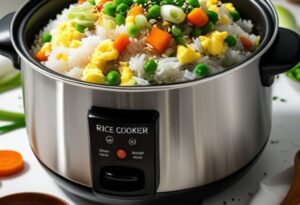
Cooking vegetables in a rice cooker is simple, requiring minimal effort. After preparation, understanding the correct cooking steps is essential. Make sure your appliance is ready to go. The cooking procedure itself is straightforward. Follow a few simple steps, and you’ll be on your way to a healthy meal.
Step-by-Step Cooking Instructions
This is a simplified guide that will help you cook vegetables in your rice cooker. These are the steps to follow to get consistently good results. These are standard procedures you can adapt to suit your preferences and the vegetables you use. Following these instructions will allow you to make nutritious meals in minutes.
- Add Water: Pour a small amount of water into the rice cooker. Usually, about 1/2 to 1 cup is sufficient. The amount of water depends on the vegetables you are cooking and your cooker.Water creates steam, which is essential for cooking the vegetables. Add less water if you want a firmer texture. More water will lead to a softer result. Experiment to find your preferred texture.
- Add the Vegetables: Place the prepared vegetables into the cooker. Arrange them evenly to ensure even cooking. Don’t overcrowd the cooker; otherwise, the vegetables may not cook properly.If you’re cooking different types of vegetables, consider their cooking times. Add the vegetables that take longer to cook first. Then, add the faster-cooking ones later in the process.
- Season: Season the vegetables with salt, pepper, or your favorite spices. This step adds flavor. You can also add a touch of olive oil for added richness.Seasoning is key. Salt enhances the natural flavors of the vegetables. Pepper adds a bit of heat. Explore other herbs and spices to enhance your meals. Consider adding garlic or onion powder.
- Start Cooking: Close the lid of the rice cooker and select the “cook” setting. Your cooker might have a specific vegetable setting. Otherwise, the regular “cook” setting will do just fine.Once you press the button, the cooker will start steaming the vegetables. The cooking time will depend on the type of vegetables and the amount you’re cooking. Check the vegetables for doneness.
- Check for Doneness: After the cooking cycle finishes, check the vegetables with a fork or knife to see if they’re tender. If they’re not quite done, let them cook for a few more minutes.Check the vegetables for doneness by piercing them with a fork. They should be tender but still have some bite. The cooking time may vary. Keep an eye on the cooking process and adjust as needed.
- Serve: Once the vegetables are cooked to your liking, remove them from the rice cooker and serve immediately. They are great as a side dish or as part of a larger meal.Remove the vegetables carefully. Use a spatula to avoid scratching the non-stick surface of your rice cooker. Serve them hot and enjoy your delicious, perfectly cooked vegetables.
Tips for Success
A few helpful tips can improve your vegetable cooking success. There are ways to avoid common mistakes and get the best results. These simple tricks can make a big difference, from choosing the right vegetables to preventing overcooking. Keep these tips in mind as you explore the possibilities of cooking vegetables in your rice cooker. These will enhance both your cooking experience and the final flavor.
- Water Amount: Adjust the amount of water based on the vegetable and desired texture. Start with less and add more if needed. Too much water will make them mushy.Different vegetables require different amounts of moisture. Harder vegetables may need a little more water. Vegetables with high water content need less. Always check during cooking.
- Avoid Overcrowding: Don’t overcrowd the cooker. Overcrowding can lead to uneven cooking. This can result in parts of the vegetables being undercooked and others overcooked.If you are cooking a large amount, cook it in batches. Make sure the vegetables have room to steam properly. A little space between the pieces ensures each one gets cooked evenly.
- Cooking Times: Learn the cooking times for different vegetables. Start with the ones that take longer to cook. This way, everything will be done at the same time.Research the average cooking times for different vegetables. Experiment to find your preferences. Note the ideal times for each vegetable so you can adjust the process next time.
- Add Flavor: Don’t be afraid to experiment with herbs, spices, and sauces. Seasoning is essential for adding flavor. You can add more flavor at any stage.Add fresh herbs after cooking, or add spices and sauces during cooking. Consider adding a dash of lemon juice or soy sauce. The possibilities are endless when it comes to flavor.
- Clean Regularly: Clean your rice cooker after each use. This will keep it working correctly for a long time. Regularly cleaning is necessary for it to work right.Unplug the cooker and let it cool before cleaning. Use warm, soapy water to clean the pot and lid. Make sure you dry all the parts thoroughly before storing. This prevents odors.
Advanced Techniques and Variations
Once you are comfortable with the basic methods, you can explore more advanced techniques. Try adding different ingredients, flavorings, and methods to create more complex dishes. Experimenting allows you to create unique and delicious meals. These techniques can turn you from a beginner to a vegetable cooking expert. These strategies can add variety to your diet and your cooking skills.
Combining Vegetables and Grains
You can create complete meals by combining vegetables with grains in your rice cooker. This helps make your meal well-rounded. It can also save time and reduce the need for multiple appliances. This is an efficient way to make a simple, healthy meal. It combines various textures and flavors in one pot, making meal prep a breeze.
- Rice and Broccoli: Add rice, water, and broccoli florets to the cooker. Season with salt, pepper, and garlic powder. Cook until the rice is done and the broccoli is tender.This is a simple one-pot meal that provides grains and vegetables. The broccoli steams and cooks along with the rice. The flavorings will add flavor to both rice and the broccoli.
- Quinoa and Carrots: Combine quinoa, water, and diced carrots. Add a touch of olive oil and some herbs. Cook until the quinoa is fluffy and the carrots are tender.Quinoa is a great source of protein. Carrots add a sweet flavor and texture. This creates a nutritious and satisfying meal. The preparation process is quick, and the result is delicious.
- Brown Rice and Mixed Veggies: Use brown rice, water, and a mix of your favorite vegetables. Think corn, peas, and green beans. Season with soy sauce or your favorite spices.Brown rice provides fiber and essential nutrients. This combination creates a colorful and tasty meal. It’s a great way to use up leftover vegetables. It’s also very easy to customize.
Adding Flavor and Spices
Flavor is an important element. Experimenting with spices and herbs can create a culinary experience. Whether you prefer mild flavors or something bolder, there are various ways to add flavor. Adding spices and herbs is a simple way to elevate your cooking. It can significantly enhance the taste and appeal of your vegetables.
- Herb Infusions: Add fresh herbs like rosemary, thyme, or oregano. You can also use dried herbs. Herbs can be added during cooking for a deep flavor.Fresh herbs release their flavor when exposed to heat and steam. Experiment with various combinations to find your favorites. You can even add herbs after cooking. This will provide a fresh finish.
- Spice Blends: Use pre-made spice blends like Italian seasoning or taco seasoning. Make your own spice blends for unique flavors. Spice blends can add multiple layers of flavor.Spice blends make it easy to add complex flavors with minimal effort. They add excitement to any dish. You can find pre-made blends. Or create your own personalized ones at home.
- Sauces and Marinades: Add sauces or marinades for extra flavor. Soy sauce, teriyaki sauce, or even a simple vinaigrette can elevate the dish. Sauces can offer a lot of variety.Adding sauces during or after cooking gives depth to your meal. You can use sauces as the primary seasoning. They can also add moisture. Explore different sauces to discover your preferences.
Cooking Vegetables with Other Ingredients
You can cook vegetables with other ingredients. Combine proteins, such as chicken or tofu. Adding other ingredients enhances flavor and creates a more satisfying meal. This versatility of cooking opens up many possibilities. There are endless options for creating delicious and balanced meals in your rice cooker.
- Chicken and Vegetables: Add chicken pieces, chopped vegetables, and seasoning. Cook until the chicken is cooked through and the vegetables are tender. Season the mix with herbs.Chicken provides protein, making this a complete meal. Vegetables add nutrients and color. This makes it an easy, all-in-one meal. You can customize the ingredients to suit your taste.
- Tofu and Veggie Stir-Fry: Marinate tofu and add it to the cooker with your favorite stir-fry vegetables. Add soy sauce and sesame oil. Cook until everything is heated through.Tofu provides protein and a light texture. Stir-fry vegetables add color, flavor, and texture. This is a quick and flavorful vegetarian meal. You can adjust the sauce to your liking.
- Sausage and Peppers: Add sliced sausage, bell peppers, and onions. Season with Italian seasoning and a touch of balsamic vinegar. Cook until the sausage is heated and vegetables are tender.Sausage and peppers is a classic combination. The rice cooker makes it easy. It’s a flavorful and satisfying meal. You can experiment with different types of sausage.
Frequently Asked Questions
Question: Can I cook frozen vegetables in my rice cooker?
Answer: Yes, you can cook frozen vegetables in your rice cooker. You might need to adjust the cooking time slightly, as they may take a bit longer to cook than fresh vegetables. Use a little less water, as frozen vegetables often release some water when they thaw.
Question: What’s the best way to prevent mushy vegetables?
Answer: To prevent mushy vegetables, avoid overcooking them. Pay attention to cooking times. You might need to check them before the cooking cycle is complete. Add less water, and consider using the “steam” setting if your rice cooker has one. Also, cutting your vegetables into larger pieces will help.
Question: Can I cook multiple types of vegetables at once?
Answer: Yes, you can cook multiple types of vegetables at once. Consider their cooking times. Add vegetables that take longer to cook first. Then add those that cook more quickly later. Cutting them into similar sizes will also help.
Question: How much water should I add when cooking vegetables?
Answer: Start with about 1/2 to 1 cup of water. The amount can vary based on the vegetables, your cooker, and your preferred texture. Always check the vegetables during the cooking process and adjust the water if necessary.
Question: What if my vegetables are not cooking evenly?
Answer: If your vegetables aren’t cooking evenly, try arranging them in a single layer. Make sure the vegetables are cut into uniform sizes. You may need to stop the cooking cycle and stir the vegetables midway to promote even cooking. Overcrowding can cause uneven cooking too.
Final Thoughts
Cooking vegetables in your rice cooker is an easy and convenient way to enjoy healthy, flavorful meals. You’ve learned about the best vegetables to use, the simple steps to cook them, and some tips for success. Also, you now know ways to expand your cooking skills with advanced techniques and variations. From quick side dishes to complete meals, the rice cooker offers a simple and efficient way to incorporate more vegetables into your diet. Now that you understand the process, you can start experimenting and developing your favorite recipes. Explore different combinations. Get cooking, and enjoy the delicious results!

I’m Emma J. Caldwell, the founder, lead writer, and home-cooking enthusiast behind KitchenGuideCo.com. With a background in culinary arts and over a decade of cooking experience in both professional and personal kitchens, I created this platform to demystify recipes, offer smart kitchen gadget reviews, and guide readers through meal prep with confidence and clarity.