A common question for new cooks is, can rice cooker cook without water? It sounds strange, right? Rice needs water to cook, but how much is too much or too little can be tricky. This post will explore the ins and outs of this cooking question and guide you through some unusual ways you might try it. Don’t worry, we’ll keep it simple, and you’ll find easy steps that will make the whole process easier. Let’s see what’s possible!
What a Rice Cooker Does
A rice cooker is like a helpful kitchen assistant. Its main job is to cook rice, but it does it very well. It works by heating water, which then cooks the rice. The rice cooker maintains the perfect temperature so the rice doesn’t burn. It has a heating element at the bottom and a lid to keep the steam inside. It’s designed to make cooking rice straightforward, so even if you’ve never used one before, you can still cook good rice. The goal is always fluffy, perfectly cooked rice. While it’s designed to use water, the question of whether a rice cooker needs water to work gets asked for very good reason.
How Rice Cookers Heat
Rice cookers use electricity to heat a metal plate at the bottom of the pot. When you add water and rice, the heat turns the water into steam. The steam cooks the rice evenly. A thermostat inside the cooker measures the temperature. When all the water is absorbed and the temperature rises, the cooker switches to a “keep warm” setting. This keeps the rice warm without overcooking it. The design ensures a consistent, gentle cooking process, which is why rice cookers are so good at their job.
- Heating Element: This is the part that gets hot. It transfers heat to the pot, where the rice and water are.
- Inner Pot: The pot inside is where the rice goes. It’s made to distribute heat evenly.
- Lid: The lid traps the steam inside, allowing the rice to cook properly.
- Thermostat: This important part senses the temperature. When the water is gone and the rice is cooked, it switches the cooker off.
The best rice cookers often use induction heating, a more advanced method. Instead of a heating element, they use magnets to directly heat the inner pot. This results in faster, more even cooking and better temperature control.
The Role of Water in Cooking Rice
Water is essential when using a rice cooker to cook rice. It does the job by transferring heat to cook the rice. When the rice absorbs the water, it swells and becomes soft. The water also prevents the rice from burning. The right amount of water is key. Too much water makes the rice mushy, and too little makes it crunchy. The perfect ratio of water to rice is usually described in the rice cooker manual, but it also depends on the type of rice. Using the right amount of water is key to getting perfect rice every time.
- Hydration: Rice absorbs water, which causes the grains to expand and soften, transforming into cooked rice.
- Heat Transfer: Water is an efficient conductor of heat, allowing the rice to cook evenly.
- Texture Control: Water content controls the texture of the rice; the right ratio ensures the desired consistency.
- Prevent Burning: Water keeps the rice from sticking to the pot and burning, especially during the cooking process.
Rice needs water to absorb the moisture it needs to cook. Without water, rice will burn and not cook properly. The science here is simple; the water allows the heat to be spread evenly through the rice, creating a consistent texture. Different types of rice also require different water levels.
Exploration of Cooking Without Water: The Challenges
Cooking rice without water in a rice cooker is not really the way it is supposed to work, and it’s full of challenges. Since water is essential for cooking, doing away with it alters the cooking process. But, let’s explore this possibility further. Rice cookers are built to use water to create steam. Without water, the heating element would likely burn the rice directly. So, why would anyone try this? Maybe if they’re trying to make crispy rice on purpose or just trying out a different method. Either way, it’s not the normal approach, and it poses some very real challenges. Let’s explore these.
Direct Heat and Burning
Without water, the heat from the rice cooker’s heating element is in direct contact with the rice grains. This direct contact means that the rice will quickly burn and stick to the bottom of the pot. Rice needs moisture to soften and cook evenly. This moisture is what makes the heat spread and soften the rice grains. If there’s no water, the rice won’t absorb any moisture, and the direct heat will cause it to char or burn before it can cook properly. Getting the correct consistency of rice becomes impossible, and the final result will be a mess, not a meal.
- High Temperatures: Direct contact with the heating element causes the rice to be exposed to very high temperatures quickly.
- Uneven Cooking: The heat distribution is uneven without water, causing some parts of the rice to burn while others remain uncooked.
- Flavor Impact: Burnt rice has a bitter taste, ruining the overall flavor of the dish.
- Equipment Damage: Repeatedly cooking rice without water could damage the non-stick coating of the inner pot.
The heating element is designed to heat the water and steam the rice. It’s not designed to be in direct contact with the rice. The risk of burning and uneven cooking is extremely high.
Texture and Consistency Problems
The texture and consistency of rice cooked without water are extremely poor. The rice will not be soft and fluffy like you’re used to. Instead, it will be hard, crunchy, and possibly burnt on the bottom. Water is the key ingredient that allows the rice to absorb moisture, which then helps it to swell and soften. Without water, the rice can’t properly absorb moisture. This lack of moisture prevents the rice from expanding and becoming soft. The result is rice that is unappetizing and difficult to eat. It’s simply not what you want.
- Lack of Moisture Absorption: Rice grains won’t absorb water, and won’t soften or expand.
- Hard Grains: The absence of moisture causes the rice to remain hard and uncooked.
- Poor Mouthfeel: The texture will be unpleasant, with a dry, crunchy feel.
- Unappetizing Result: The overall consistency will be unappealing, making the dish unpalatable.
The normal cooking process depends on hydration. Water gives the rice its familiar texture. Without it, the best rice cooker turns into a way to ruin your rice.
Can Rice Cooker Cook Without Water: Alternate Methods
While a rice cooker isn’t really designed to cook rice without water, there are some ways to get a similar result. It’s not quite the same as normal cooking, but using other ingredients can still create interesting results. Many people try adding other liquids or using the rice cooker to steam other foods. It’s all about finding ways to use the cooker’s heating abilities. The goal is to cook the rice in a way that’s different from the usual water method. Let’s look at how.
Cooking Rice with Other Liquids
Instead of water, you can use other liquids to cook rice in your rice cooker. Using broth, coconut milk, or fruit juices will change the flavor and texture. For example, using vegetable broth will add a savory taste, while coconut milk will make the rice creamy and sweet. You can follow the same cooking process as you would with water, but the flavor will be different. The rice will absorb the flavors of whatever liquid you use, creating a more unique dish. Be careful about adding too much liquid though, because the rice might get too soft.
- Broth: Chicken, vegetable, or beef broth adds flavor to the rice.
- Coconut Milk: Gives rice a creamy, sweet taste.
- Fruit Juice: Pineapple or apple juice can add a sweet and fruity flavor.
- Diluted Milk: Provides a slightly creamy texture and subtle flavor.
Using different liquids can give your rice a completely new flavor. It’s an easy way to experiment with different tastes and create exciting side dishes.
Steaming Other Foods in a Rice Cooker
Rice cookers aren’t just for cooking rice; they can also be used to steam other foods. You can place a steamer basket inside the rice cooker, then add water to the bottom. Place vegetables, fish, or other foods in the steamer basket. The steam will cook the food gently. This method works very well for foods that are better steamed rather than boiled, such as broccoli or salmon. Steaming keeps the nutrients in the food and keeps it from drying out. This way, you can easily create a healthy and flavorful meal using your rice cooker.
- Vegetables: Broccoli, carrots, and green beans steam well in a rice cooker.
- Fish: Salmon and cod cook perfectly in the steam, retaining their moisture and flavor.
- Dumplings: You can steam frozen dumplings for a quick and easy meal.
- Eggs: Hard-boiled eggs can also be cooked this way with great results.
Steaming in a rice cooker is a versatile way to prepare various foods. You can create a complete meal in one pot, making cooking simple and efficient. This also works well for foods with strong flavors, such as cabbage.
Making Crispy Rice with Oil
While the goal is not using water, you can try making crispy rice in a rice cooker by using oil. You’ll need a bit of oil instead of water to prevent the rice from burning. The oil will create a barrier between the rice and the heating element. You can then cook the rice on a special setting, or for a bit longer. The result is a crispy, toasted layer of rice at the bottom of the pot. Crispy rice is great for making the Korean dish, bibimbap. Make sure you use a small amount of oil to avoid greasy rice. The result is a simple, crunchy treat.
- Oil Coating: Coat the inner pot with oil to prevent the rice from sticking and burning.
- Rice Layering: Spread the rice evenly to ensure it cooks uniformly.
- Cooking Time: Cook on the normal setting, then allow extra time until it crisps.
- Careful Monitoring: Keep an eye on the rice to prevent burning.
This method gives the rice a unique texture and flavor. However, it requires careful monitoring and precision, so it’s not for beginners.
Alternative Cooking Methods Without a Rice Cooker
If you’re not using a rice cooker, there are plenty of ways to cook rice. You can use a pot on the stovetop, a microwave, or a pressure cooker. All of these methods need water, but they let you cook rice in different ways. Each method has its own steps and pros. The key is to know which method suits your needs and skill level. Let’s look at each one.
Stovetop Cooking: The Traditional Way
Cooking rice on the stovetop is the classic approach. It gives you good control over the cooking process. You start by rinsing the rice to remove excess starch. Then, you combine the rice with water in a pot and bring it to a boil. After it boils, reduce the heat to low, cover the pot, and let it simmer. The water should mostly be absorbed as the rice cooks and steams. Once the water is absorbed, remove the pot from the heat and let it rest for a few minutes. You’ll get fluffy rice. Stovetop cooking allows you to keep an eye on the rice and adjust the heat as needed. With a little practice, it’s easy to master this method.
- Rinsing: Rinse the rice under cold water until the water runs clear.
- Boiling: Bring the rice and water to a boil in a pot.
- Simmering: Reduce the heat to low, cover, and let it simmer for the recommended time.
- Resting: Remove from heat and let rest for five to ten minutes to allow excess steam to release.
Stovetop cooking is simple and gives you control over the cooking process. You can adjust the heat to prevent burning or undercooking.
Microwave Cooking: Quick and Easy
The microwave is a fast way to cook rice, great for busy times. You’ll need a microwave-safe bowl with a lid. Combine rice and water, then microwave it on high. The cooking time will depend on your microwave. Usually, you’ll cook the rice for a few minutes, then reduce the power and let it simmer. The steam from the water cooks the rice. Microwaving is great for small amounts of rice. It’s also super simple. It’s a good option if you’re short on time. Be careful, though, as cooking times can vary depending on your microwave.
- Mixing: Combine rice and water in a microwave-safe bowl.
- High Power: Cook on high for a few minutes.
- Simmering: Reduce power and cook for the time recommended on the rice package.
- Resting: Let it rest, covered, for a few minutes to finish cooking.
The microwave is great for fast cooking. It’s perfect for single servings of rice and simple meals. Just make sure to use a microwave-safe bowl and to not burn yourself when you’re taking it out.
Pressure Cooker Method
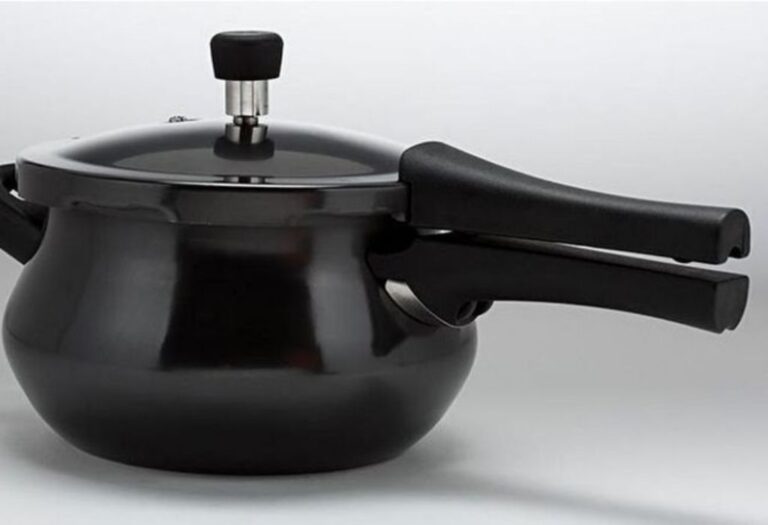
A pressure cooker cooks rice quickly and thoroughly. The pressure creates steam, which forces water into the rice. The results are soft and fluffy. You add the rice and water to the pressure cooker. Then, you seal the lid and cook it on high pressure for a few minutes. Once the cooking time is up, let the pressure release naturally. The high pressure cooks the rice evenly. It’s a great choice if you want to cook a large quantity of rice fast. The pressure cooker maintains consistent heat and pressure, so it cooks rice perfectly every time. However, you’ll need to know how to use a pressure cooker properly.
- Preparation: Add rice and water to the pressure cooker.
- High Pressure: Cook on high pressure for the suggested time.
- Natural Release: Let the pressure release naturally for the best results.
- Fluffing: Fluff the rice with a fork before serving.
The pressure cooker saves time and makes the rice super fluffy. It works well if you want a lot of rice in a short time. You can also cook other foods like beans and stews.
Best Practices and Tips
If you’re not using a rice cooker to cook rice, here are some tips to help you. These are good practices to follow for any method. These tips will help you get fluffy, perfectly cooked rice. Knowing these things will ensure you cook your rice well, no matter which method you use. Let’s review the best practices.
Rinsing Your Rice
Rinsing the rice is a very important step. It removes extra starch from the grains. This excess starch can make the rice sticky and clumpy. You’ll want to rinse the rice before cooking it in a pot or a rice cooker. Put the rice in a bowl and run cold water over it. Swirl the rice around with your hands, then pour off the cloudy water. Repeat this until the water runs clear. By removing the excess starch, you prevent stickiness. Then, your rice will be fluffy and separate. This process will create a better final product.
- Remove Starch: Rinsing removes excess starch, preventing stickiness.
- Clear Water: Rinse the rice until the water runs clear.
- Gentle Handling: Be gentle with the rice to avoid breaking the grains.
- Improved Texture: Improves the texture of the cooked rice, making it less sticky and more enjoyable.
Rinsing is a simple but important step. It makes a big difference in the final texture and taste of the rice. Rinsing can take a few minutes, but it’s well worth the effort.
Water-to-Rice Ratios
Getting the right ratio of water to rice is vital for good results. Too much water will make the rice mushy. Not enough water will make the rice hard and crunchy. The water-to-rice ratio will change depending on the type of rice. White rice usually needs a ratio of 2 cups of water to 1 cup of rice. Brown rice, which has a coarser texture, usually requires more water. Follow the instructions on the rice package or your rice cooker’s manual. Measuring the water and rice precisely is very important. That is how you consistently cook perfect rice, and avoid crunchy rice.
- White Rice: Typically 2 cups water to 1 cup rice.
- Brown Rice: Usually, 2 1/4 to 2 1/2 cups water to 1 cup rice.
- Basmati Rice: Often 1 3/4 cups water to 1 cup rice.
- Adjustments: Adjust the ratio slightly to accommodate rice variations.
Use a measuring cup to make sure you have the correct water-to-rice ratio. This will increase the chances of getting perfectly cooked rice. Then, you’ll be able to cook rice like a pro.
Resting Time for Rice
After cooking, let the rice rest for a few minutes. This is important for many reasons. Resting time allows the rice to finish absorbing any remaining water. It gives the steam time to redistribute throughout the grains. This makes the rice fluffy and light. When the rice is done cooking, remove the pot from the heat or switch off your rice cooker. Let the rice sit covered for five to ten minutes. Fluff the rice with a fork before serving it. Don’t skip this step, because it can make a big difference in the end result.
- Absorption: Allows rice to absorb the remaining moisture.
- Steam Redistribution: Redistributes steam for even texture.
- Improved Fluffiness: Results in light, fluffy, and separate grains.
- Prevent Stickiness: Prevents rice from becoming overly sticky.
Giving the rice time to rest after cooking makes it taste and feel better. This simple step can turn good rice into great rice.
Can a Rice Cooker Cook Without Water: Safety Precautions
Since rice cookers are designed to use water, it’s always best to cook rice the way it was designed. However, if you are planning on using your rice cooker to cook rice without water, there are some safety things to consider. Cooking rice without water could damage the machine and possibly create dangerous conditions. It’s always best to be cautious when experimenting with any appliance. Let’s look at the important safety precautions.
Risk of Burning and Fires
Cooking rice without water significantly raises the risk of burning and fires. The direct exposure of rice to the heating element without water, as mentioned before, means it will burn quickly. This can lead to a fire hazard inside the rice cooker. The heating element is not designed to cook rice without the cooling effects of water. If you try to cook rice without water, the rice could catch fire. Always be careful around electrical appliances. Make sure to watch the rice closely if you are experimenting.
- Heating Element: The heating element could overheat and cause a fire.
- Flammable Rice: Without water, the rice can burn, creating smoke and possibly flames.
- Electrical Hazards: A fire can damage the electrical components, posing risk.
- Unattended Cooking: Never leave the rice cooker unattended during experimentation.
If the rice burns, it can cause smoke and damage the appliance. It’s important to monitor the cooking process closely and to never leave the rice cooker unattended. It is even better to avoid experimenting altogether, and just cook rice as intended.
Potential Equipment Damage
Cooking rice without water can damage your rice cooker. The intense heat created can damage the non-stick coating of the inner pot. The heating element might also burn out. The appliance isn’t built to handle this type of heating. The cooker’s parts might wear out or break quickly. Over time, you’ll need to buy a new one. It’s smart to stick to the manufacturer’s instructions. That is how you keep your rice cooker in good working order for a long time. Protecting your equipment from potential damage is always important.
- Non-Stick Coating: The coating can bubble or peel off.
- Heating Element: The element could burn out due to extreme heat.
- Inner Pot: The inner pot might warp or get damaged.
- Overall Lifespan: Cooking rice in this way will shorten the life of the appliance.
The rice cooker will be safer and last longer if you follow the instructions and don’t try to cook rice without water. Always read the manual and follow the safety guidelines to protect your investment.
Importance of Following Instructions
The best way to ensure safety is to follow the instructions for the rice cooker. These instructions give you the best information on the safety precautions and how to use the appliance. The manufacturer will provide instructions on how to use the product. Following these guidelines will prevent risks. It’s very simple: the user manual gives instructions, tells you how much water to use, and how long to cook the rice. It’s best to stick to these recommendations. You must read and understand all the instructions that come with your rice cooker. It’s essential for safe and successful cooking.
- Manufacturer Guidelines: Always follow the manufacturer’s specific guidelines.
- Water Ratio: Stick to the recommended water to rice ratios.
- Proper Usage: Use the appliance as it was intended.
- Safety First: Prioritize safety to avoid accidents.
By following the instructions, you can cook rice safely. This way, you will get the best results and keep your appliance in top shape. You can avoid many problems and safety concerns simply by following the instructions.
Frequently Asked Questions
Question: Can I cook rice in a rice cooker without any liquid at all?
Answer: No, you should not cook rice in a rice cooker without any liquid. The rice cooker is designed to use water to cook the rice, and the heating element will burn the rice if it is used without water.
Question: Can I use something other than water to cook rice?
Answer: Yes, you can use other liquids like broth, coconut milk, or fruit juice. These liquids add flavor to the rice, but always use the recommended ratio for rice to liquid.
Question: Is it possible to use oil instead of water in a rice cooker?
Answer: It’s not typically recommended, but some people try using a small amount of oil to make crispy rice, but the method is not the same as regular cooking. It should only be done with caution.
Question: Will using the wrong water ratio ruin my rice?
Answer: Yes, the water-to-rice ratio is key. Too much water makes the rice mushy, and too little makes it hard. Always use the right ratio for the best results.
Question: Are there any safety risks associated with cooking rice in a rice cooker?
Answer: Yes, there are some risks. You should always follow the manufacturer’s instructions to prevent any accidents. Cooking rice without water can lead to burning and damage to the appliance.
Final Thoughts
We’ve looked at whether can rice cooker cook without water is possible, and the simple answer is no. While it’s not a direct possibility, we looked at how rice cookers work, and the role water plays in cooking rice. Then, we explored alternative methods to cook rice, like using broths or other liquids. There are also other ways to cook rice without a rice cooker. It’s essential to follow safety precautions and instructions to protect your appliance and prevent accidents. Remember the importance of rinsing the rice, using the correct water-to-rice ratio, and giving the rice a bit of time to rest. These tips will help you create excellent rice dishes, every time. Now go forth and cook amazing rice!

I’m Emma J. Caldwell, the founder, lead writer, and home-cooking enthusiast behind KitchenGuideCo.com. With a background in culinary arts and over a decade of cooking experience in both professional and personal kitchens, I created this platform to demystify recipes, offer smart kitchen gadget reviews, and guide readers through meal prep with confidence and clarity.