It happens on an ordinary evening. You load your dishwasher after dinner, press the familiar Start button, and walk away expecting the usual sound of warm water rushing inside. The cycle begins smoothly, the machine hums, but when you open it an hour later — your dishes are still dirty and cold.
There’s no warm steam, no clean shine, just half-washed plates and a greasy smell. It’s confusing because everything else seems normal: the machine runs, lights blink, and the detergent door opens. Yet somehow, the cleaning power is gone.
This scenario leads many homeowners to ask one question — can you run a dishwasher without hot water? The short answer is yes, it will run, but the long answer reveals why you shouldn’t. A dishwasher’s design depends on heat to clean, sanitize, and dry efficiently.
When that heat is missing, the entire process changes. Food residue clings tighter, detergents stop dissolving, and bacteria thrive in cooler conditions. Over time, the machine itself suffers from buildup and longer cycle times.
In this detailed guide, you’ll discover what really happens when a dishwasher runs without hot water, why it matters, and how to fix or manage it safely.
How a Dishwasher Uses Hot Water to Clean
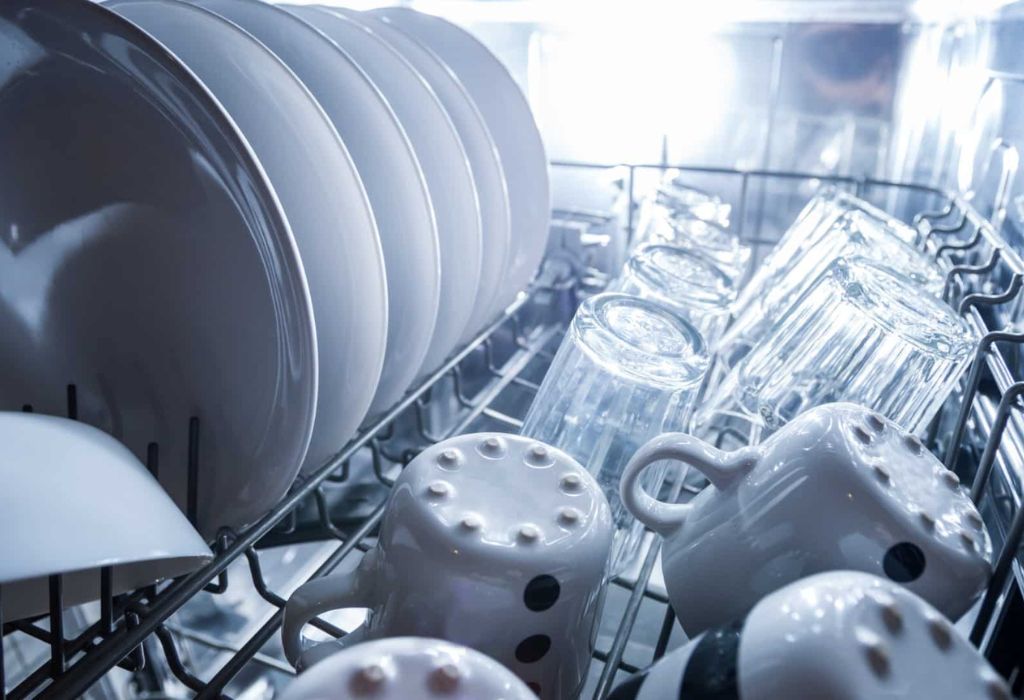
Every dishwasher relies on a balance between temperature, pressure, and detergent chemistry. Hot water is the invisible hero in this equation. When the machine fills, water at around 120°F–150°F (49°C–65°C) enters the tub and instantly starts dissolving grease.
This heat activates the enzymes in detergent, allowing them to break down proteins, starches, and fats from food. Cold water simply can’t trigger that reaction. The result is residue left behind that feels sticky or gritty, no matter how long the cycle runs.
Hot water also kills bacteria and sanitizes utensils. According to the NSF sanitation standard, dishwashers must reach at least 150°F (65°C) during the rinse to ensure safe, hygienic cleaning. Without it, microbes survive and can even spread through reused sponges or towels.
Inside the dishwasher, a heating element maintains this temperature through each stage — wash, rinse, and dry. Steam generated during the rinse helps water evaporate quickly, leaving dishes spotless and streak-free.
This is why your dishwasher depends on hot water more than any other appliance. It’s not just a convenience; it’s the science behind its entire cleaning process.
What Happens When You Run the Dishwasher on Cold Water
Running a dishwasher without hot water seems harmless until you see the results. Cold water changes how everything inside behaves — from detergent performance to drying efficiency.
First, detergent granules and pods don’t dissolve properly in cold water. You’ll notice a white or cloudy film on glassware and residue stuck inside cups. Instead of breaking down grease, the soap mixes with it and coats the interior.
Next, grease and oil harden instead of melting. The cooler temperature makes fats solidify, sticking to dishes and the filter screen. Over time, this layer grows thicker, restricting water flow and lowering pump pressure.
Sensors that measure soil levels start to misread, thinking the dishes are still dirty. The dishwasher responds by extending the cycle — sometimes running 40–50 minutes longer. That means more energy use but not better cleaning.
Finally, cold cycles create hygiene issues. Bacteria that hot water normally kills can survive, especially on cutting boards or utensils that touched raw meat. The tub begins to smell musty after repeated cold washes.
So while your dishwasher “works,” it’s cleaning inefficiently, wasting electricity, and shortening its own lifespan.
Dishwashers with Built-In Heaters — Are They Enough?
Some modern dishwashers are equipped with integrated heating elements or booster heaters designed to raise water temperature internally. These are common in newer European and Energy Star-certified models.
These machines can technically run on cold water, but that doesn’t mean it’s ideal. The built-in element must heat large volumes from tap-cold to 140°F or higher, which takes much longer than maintaining preheated water.
In practice, this can double your cycle time and significantly increase electricity consumption. A 90-minute normal wash might stretch to nearly three hours, especially in winter when incoming water is colder.
Longer cycles also mean more wear on mechanical components like pumps and valves. The heating element itself faces additional strain, leading to premature burnout.
While it’s a helpful feature during emergencies — such as a broken water heater — it’s not a permanent replacement for a hot-water connection. A dishwasher performs best when both systems share the workload efficiently.
If you must run cold cycles, use the shortest or “eco” mode to reduce heat buildup and energy draw. But remember: consistent cold washing will eventually impact results and longevity.
Signs Your Dishwasher Isn’t Getting Hot Water
You don’t need tools to tell when your dishwasher is running cold — the signs are obvious once you know what to look for.
If your dishes come out greasy, gritty, or covered in spots, the first thing to check is water temperature. Run the hot tap near your sink for 30 seconds, then measure it. If it’s below 120°F, your dishwasher isn’t getting enough heat.
Steam is another indicator. Normally, opening the door mid-cycle should release a warm cloud. If there’s no heat or moisture, the water is too cold or the heater isn’t working.
Other symptoms include cloudy glassware, an unpleasant smell from trapped food residue, or unusually long cycles. Some dishwashers even display error codes like “HE” (heating error) or “H2O” (water temp fault).
Ignoring these warning signs can lead to buildup inside the machine, bacterial growth, and reduced efficiency. Fixing a cold-water issue early keeps your appliance in top condition and your dishes sanitary.
Will a dishwasher run on cold water only?
Yes, but cleaning quality drops drastically. Hot water is essential for dissolving grease and activating detergent enzymes.
Can a dishwasher heat cold water on its own?
Some can, if they have built-in booster heaters, but it will use more time and electricity.
Why are my dishes cloudy after washing?
Cold water prevents detergent from dissolving completely, leaving a chalky or streaky film behind.
How do I test if hot water reaches my dishwasher?
Run the sink’s hot tap first. If the dishwasher fills immediately afterward, it should receive the same hot supply.
What’s the ideal temperature for a dishwasher?
Between 120°F and 150°F (49°C–65°C) ensures perfect cleaning without damaging dishes.
Why Hot Water Improves Detergent Performance
Dishwasher detergents aren’t simple soap; they’re chemical blends designed to work within specific temperature ranges. Enzymes in detergent activate only when water reaches around 120°F (49°C).
These enzymes break down protein-based stains like eggs, sauces, and dairy. Without heat, they remain inactive, leaving residues behind. Grease and oils also require heat to liquefy before detergent can lift them away.
Additionally, the surfactants in detergent lower water’s surface tension — but only fully activate in warm conditions. That’s why cold cycles leave spots or streaks even when you use extra rinse aid.
Manufacturers test and calibrate detergents using standardized temperatures, assuming dishwashers receive hot water. Using cold water throws off that chemistry completely.
The result isn’t just poor cleaning — it’s wasted product. You’ll need more detergent for worse results. Consistent use like this leads to soap buildup in the filter and hidden parts of the tub.
Simply put, detergent and hot water are a matched pair. One without the other breaks the system’s design.
Troubleshooting When the Dishwasher Doesn’t Heat
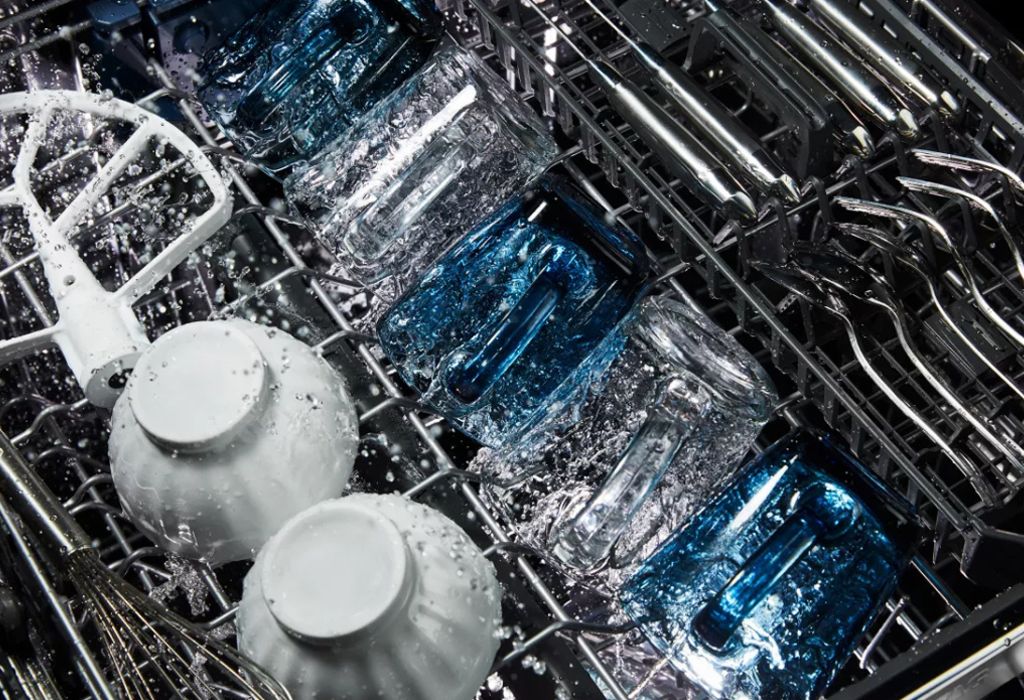
If your dishwasher isn’t heating, several small issues could be responsible. Start with the basics before calling for repair.
Check the water inlet valve first. A clog or partial blockage can slow water flow, preventing enough hot water from entering. Clean or replace the screen if it’s coated with mineral debris.
Next, inspect the heating element at the bottom of the tub. If it looks cracked, burnt, or covered in scale, it won’t heat properly. You can test it with a multimeter for continuity — no reading means it’s faulty.
Also, check for a thermostat malfunction. Some dishwashers shut off early if sensors misread temperature. A quick reset (unplugging for 5 minutes) sometimes clears the issue.
Finally, confirm your home’s water heater is functioning. If other taps run cold, the problem is external, not with the dishwasher.
Systematic troubleshooting helps identify the real cause and prevents unnecessary part replacements.
Energy Impact of Running Cold Cycles
You might think skipping hot water saves energy, but the opposite is often true. When a dishwasher receives cold water, it compensates by using its internal heater longer, drawing more electricity.
A single cold cycle can consume 25–40% more energy than a normal hot-fed cycle. Multiply that by weekly loads, and your power bill quickly reflects the difference.
Moreover, longer cycles increase wear on motors and pumps. More runtime equals more mechanical stress and shorter lifespan for key components.
In households with electric water heaters, allowing the home system to preheat water is still more efficient than forcing the dishwasher to do it itself.
If energy savings are your goal, focus on full loads, eco-cycles, and regular maintenance — not cutting out hot water.
How Built-In Boost Heaters Actually Work
The booster heater inside your dishwasher functions like a mini electric kettle. It sits near the pump housing, heating small amounts of water before spraying them through the arms.
This setup helps maintain consistent temperature during long cycles but can’t handle freezing-cold supply water for extended periods. If your home’s water supply is below 70°F, the booster has to work overtime, adding 30–45 minutes to each load.
Overuse also leads to scaling — hard-water minerals form on the element, reducing its heating capacity. That’s why manufacturers recommend occasional descaling cycles with vinegar or citric acid.
While convenient, the booster should be considered a helper, not a replacement. When combined with a warm supply line, it achieves maximum cleaning and energy efficiency.
Relying on it entirely for heat eventually wears it down and raises your electricity costs.
Is it cheaper to run a dishwasher with cold water?
No. Cold cycles run longer and use more electricity because the internal heater works harder.
Does using warm water save energy?
Yes. Feeding the dishwasher preheated water shortens cycle time and lowers power draw.
How long should a normal hot cycle last?
Most standard cycles take 90–120 minutes depending on soil level and load size.
Can booster heaters replace external hot water?
Only temporarily. They are meant to maintain temperature, not heat entire loads from cold.
Does hot water help drying performance?
Absolutely. Heat accelerates evaporation, preventing spots and streaks during the final rinse.
How Hard Water Affects Dishwasher Heating Efficiency
If you live in a hard-water area, mineral buildup can silently ruin your dishwasher’s heating performance. Calcium and magnesium deposits form on heating elements, reducing their ability to transfer heat to water efficiently.
This means cycles take longer, and energy consumption climbs steadily. Inside the tub, scale clogs spray arms and covers temperature sensors, confusing the system.
To prevent this, run a vinegar or descaling cycle monthly. Pour one cup of white vinegar into the bottom and run an empty hot wash. This dissolves mineral film and restores full heating capacity.
You can also install a water softener or use specialized dishwasher salt to reduce hardness. These simple steps keep both your water heater and dishwasher working efficiently.
Ignoring hard-water buildup often leads to dull dishes, longer cycles, and costly repairs down the line.
Tips to Keep Hot Water Flowing Efficiently
Hot water efficiency isn’t just about having a strong heater — it’s about delivery and timing. Run the kitchen sink’s hot tap for 20–30 seconds before starting the dishwasher. This ensures it fills with already-heated water instead of wasting the first gallon on warming pipes.
Insulate your hot-water pipes if your dishwasher is far from the heater. This prevents temperature loss during travel. Even a 10°F drop can affect detergent activation.
Regularly check your water heater settings. Most households do best at 120°F (49°C). Anything lower risks incomplete cleaning, while higher settings waste energy and increase scald risk.
Finally, keep your dishwasher filter and inlet valve clean. A clogged system restricts hot-water flow and reduces internal temperature, even if your heater works perfectly.
These habits take minutes but guarantee spotless dishes and efficient operation every time.
Why do my dishes still feel cold after washing?
Your dishwasher might be skipping the heating phase or not receiving enough hot water.
Is it safe to use a cold cycle temporarily?
Yes, occasionally. But avoid doing it regularly to prevent buildup and bacteria.
Can I add boiling water manually?
Never. It can damage sensors and seals. Let the dishwasher handle controlled heating.
Should I increase my home’s water heater temperature?
If it’s below 120°F, yes — but stay under 150°F to avoid safety risks.
Why does my dishwasher take longer in winter?
Incoming water is colder, so the machine spends extra time heating it to the required level.
Environmental Impact of Hot vs. Cold Water Usage
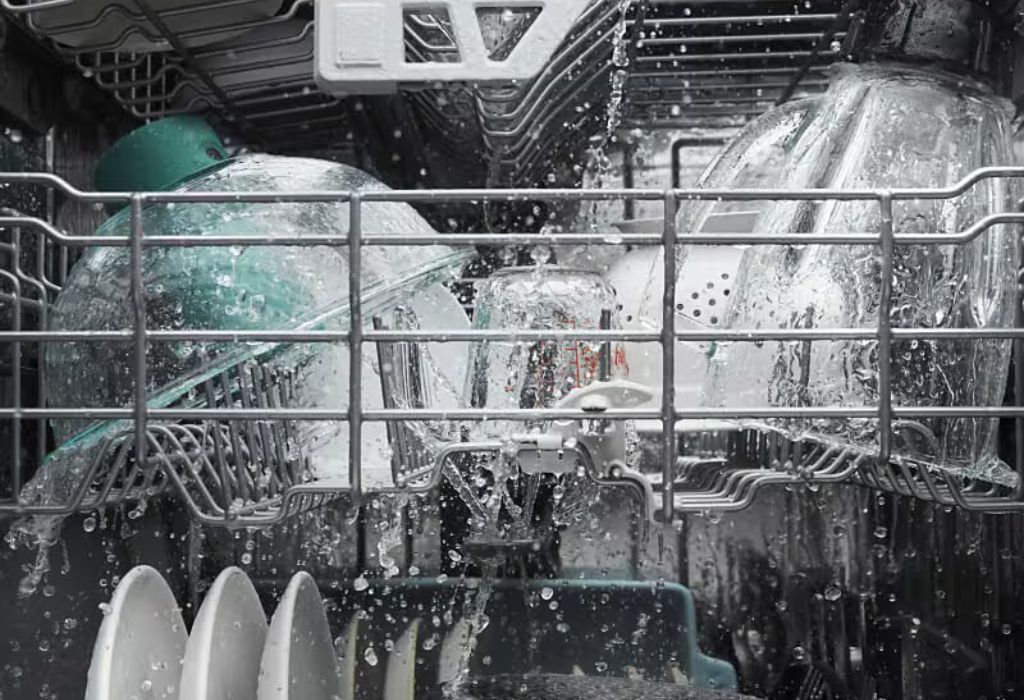
It might seem that cold-water dishwashing saves resources, but the energy balance tells another story. Cold cycles require more electricity, not less, due to internal heating and longer durations.
Hot-water-fed dishwashers are more efficient overall, especially when combined with Energy Star-rated models. They heat smaller amounts of water faster and reuse it through recirculation.
In terms of hygiene, hot water prevents bacterial growth and mold, reducing the need for chemical cleaners later. That means fewer pollutants enter wastewater.
Over time, running your dishwasher as intended — with a stable hot-water line — saves both energy and water while maintaining sanitary cleaning.
Conclusion
A dishwasher may still run without hot water, but it won’t deliver what it was built to do. Cold cycles mean poor cleaning, longer run times, wasted electricity, and faster wear on components.
Hot water ensures detergent works, kills germs, and speeds up drying. It’s the difference between dull, greasy dishes and spotless, sanitized ones.
If your machine ever stops heating, fix the issue instead of adapting to it. Whether that means unclogging a valve, repairing the element, or adjusting your water heater — restoring hot flow pays back in performance and savings.
When your dishwasher and hot-water system work together, they create a cycle that’s fast, clean, and efficient. So the next time you press Start, remember: warm water isn’t optional — it’s the secret ingredient behind every sparkling plate.

I’m Emma J. Caldwell, the founder, lead writer, and home-cooking enthusiast behind KitchenGuideCo.com. With a background in culinary arts and over a decade of cooking experience in both professional and personal kitchens, I created this platform to demystify recipes, offer smart kitchen gadget reviews, and guide readers through meal prep with confidence and clarity.