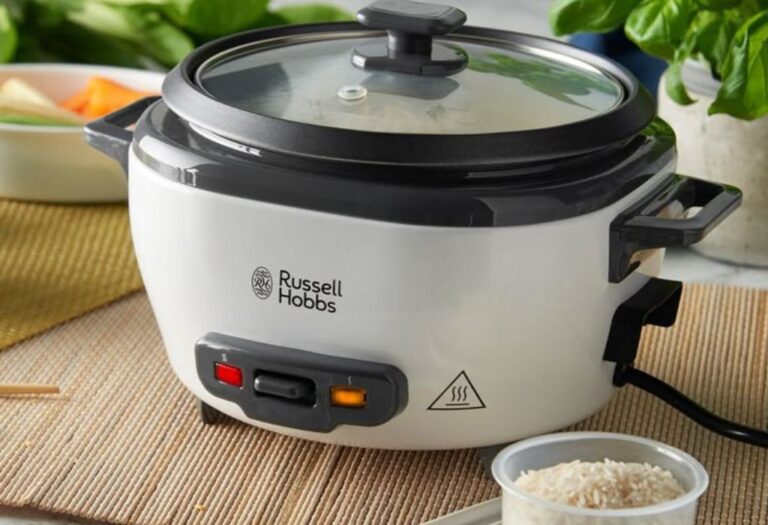
Yes, your slow cooker is surprisingly capable of baking a variety of delicious treats! It excels at creating moist cakes, fudgy brownies, and even rustic breads, often utilizing methods like a water bath or foil sling for indirect heat. This innovative approach offers an excellent way to free up your main oven and achieve wonderfully even, consistent results with minimal effort.
Ever gazed at your trusty slow cooker and wondered if it could do more than just stew, chili, or pulled pork? Like, say, bake a delicious cake or some fudgy brownies? Well, friend, I’m here to tell you, it absolutely can! It’s a kitchen superpower for those days when you don’t want to heat up your entire house with the oven, or when you just need an extra baking spot. Yes, using your slow cooker for baking is a fantastic, often overlooked technique that yields wonderfully moist results.
I know, it sounds a bit unconventional, but trust me on this. The slow cooker’s gentle, consistent heat creates a steamy, enclosed environment that’s surprisingly perfect for certain baked goods. Think of it as a super-sized, low-temperature Dutch oven or a bain-marie. Ready to unlock a whole new world of baking possibilities? Let’s dive in!
So, how exactly can you use a slow cooker for baking, and what should you keep in mind?

Using your slow cooker for baking is a genuinely clever hack, especially for desserts that benefit from a moist, tender crumb. I’ve personally experimented with everything from cakes to bread puddings, and the results have often been delightfully surprising. Here’s the lowdown on how it works and what you need to know:
First, let’s understand why it works. A slow cooker provides a consistent, indirect heat source. When you add a little water to the bottom and place a baking dish on a trivet, you’re essentially creating a steam oven. This moist heat is the secret to preventing drying out, which is common in conventional ovens. This is why many slow cooker baked goods come out incredibly tender and soft, almost like they’ve been steamed.
What Can You Bake? You can tackle a surprising variety of items when baking in your slow cooker. Think about things that traditionally cook well with moist heat:
- Cakes (especially dense, moist ones like chocolate fudge cake, carrot cake, or even a simple vanilla cake)
- Brownies and blondies
- Bread puddings and rice puddings
- Fruity crumbles and cobblers
- Muffins (though individual ones can be tricky)
- “Baked” potatoes (yes, they count!)
My Go-To Method for Slow Cooker Baking:
Here’s the basic setup I use, honed over several delicious trials (and a few learning experiences!):
- Prep Your Slow Cooker: Decide if you’re using a liner. I often do for easy cleanup, but it’s not strictly necessary for baking.
- Choose Your Baking Dish: This is crucial. You’ll need a smaller, oven-safe dish that fits *inside* your slow cooker, leaving a little space around the edges. Glass, ceramic, or metal dishes work perfectly.
- Elevate It: Place a metal trivet, a few crumpled balls of aluminum foil, or even some cookie cutters in the bottom of your slow cooker. This keeps your baking dish elevated out of the water.
- Add Water: Pour about 1/2 to 1 cup of hot water into the bottom of the slow cooker, around your elevated dish. This creates that wonderful steamy environment.
- Prepare Your Batter: Mix up your cake, brownie, or pudding batter as usual.
- Grease and Line Your Inner Dish: Generously grease and flour the inside of your smaller baking dish. For cakes and brownies, I often create a “foil sling” or parchment paper sling – two strips of foil/parchment crisscrossed in the dish with overhang – to make lifting the finished product out super easy. Trust me, it’s a lifesaver!
- Pour and Cover: Pour your batter into the prepared inner dish. Then, place a clean kitchen towel or a few layers of paper towels over the top of the slow cooker insert before putting on the lid. This towel absorbs any condensation that forms on the lid, preventing it from dripping onto your baked good and making it soggy.
- Cook Low and Slow: Most slow cooker baking recipes call for the LOW setting. Cooking times will vary significantly from oven baking – expect longer durations, usually 2-4 hours for cakes and brownies, potentially longer for denser items. My best advice: be patient and resist peeking too often! Each time you lift the lid, heat escapes, and your cooking time extends.
- Check for Doneness: Just like with oven baking, a toothpick inserted into the center should come out clean or with moist crumbs. Remember, the top won’t brown like it does in an oven due to the moist heat, so don’t wait for that!
- Cool and Enjoy: Once done, carefully lift your baked good out using your foil sling or by carefully grasping the edges of the inner dish. Let it cool before slicing.
A Few Personal Anecdotes and Tips:
- The first time I made a slow cooker cake, I was convinced it was going to be a disaster because it didn’t look “baked” on top. But that first bite revealed the most incredibly moist chocolate cake I’d ever made! It truly is all about the texture.
- Don’t expect a crispy crust. Because of the steam, anything you bake in a slow cooker will have a softer, more tender “crust” or top. This is great for puddings and very moist cakes, but maybe not ideal if you’re craving that crunchy brownie edge.
- Experiment with recipes. Start with a tried-and-true slow cooker baking recipe online, then adapt your favorites. I usually find that recipes designed for an 8×8 or 9×9 inch pan work well inside my larger oval slow cooker.
- Always ensure your inner baking dish isn’t touching the sides of the slow cooker insert too tightly, allowing the heat (and steam) to circulate evenly around it.
So, yes, your slow cooker is absolutely capable of baking delightful treats. It might take a little getting used to, especially if you’re accustomed to traditional oven baking, but the moist, tender results are often worth the extra time. It’s a fantastic way to expand your kitchen repertoire and keep things cool during warmer months. Give it a try, and you might just discover your new favorite way to bake!