While slow cookers are generally safe, yes, they can cause food poisoning if essential safety guidelines are ignored. The primary risks involve not maintaining proper temperatures to eliminate bacteria, improperly thawing frozen ingredients within the cooker, or unsafe handling of leftovers. Always ensure food reaches a safe internal temperature, never thaw frozen food directly in the slow cooker, and promptly refrigerate any uneaten portions to guarantee delicious, safe meals.
Oh, the slow cooker! It’s such a lifesaver on busy days, isn’t it? Just toss everything in, set it, and forget it until dinner time. But like many of us, you might occasionally wonder, “Can slow cooker cause food poisoning?” It’s a completely valid concern, especially since cooking at lower temperatures can sometimes feel a bit risky.
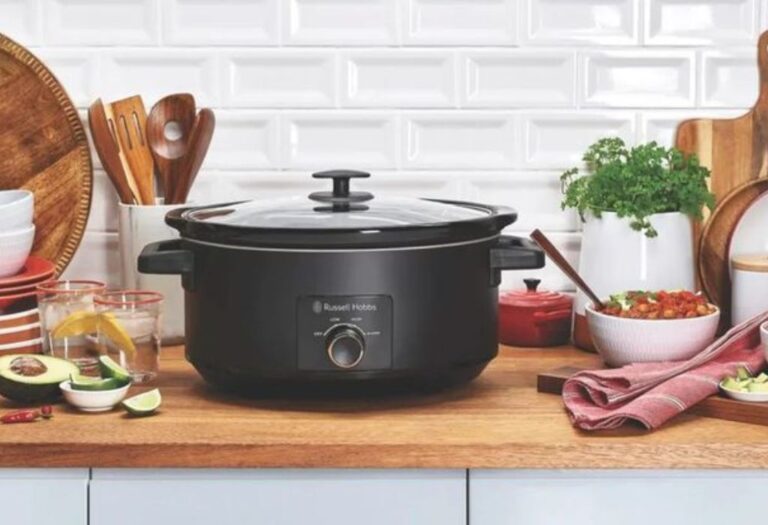
The short answer is: a slow cooker itself is very unlikely to cause food poisoning if you use it correctly. The real risk comes from *how* we use it. Think of it like a car – safe when driven properly, but misuse can lead to problems. Let’s dig a little deeper into how to keep your slow cooker meals delicious and, more importantly, safe!
Can Using a Slow Cooker Cause Food Poisoning, and How Can I Prevent It?
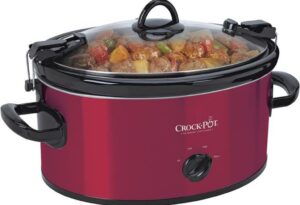
You know, for years, I just threw everything into my slow cooker without a second thought. Then I heard a few stories that made me pause and really look into food safety, especially when it comes to those long, low-temperature cooks. The good news is, understanding a few simple rules can completely eliminate the worry of a slow cooker causing food poisoning.
The main thing to understand is something called the “danger zone.” This is the temperature range—between 40°F (4°C) and 140°F (60°C)—where bacteria multiply super fast. When food stays in this zone for too long, those nasty bacteria can grow to levels that will make you sick. This is where the potential for a slow cooker to cause food poisoning sometimes arises, but only if we accidentally leave food in this zone for too long.
Here are some of the ways misuse can lead to problems, and my personal tips to avoid them:
- Starting with Frozen Food: This is a big one! I remember once thinking, “Oh, it’s cooking for hours, it’ll thaw out just fine.” Wrong! A large frozen roast or chicken can take too long to reach a safe temperature, spending hours lingering in that danger zone. Always, always thaw your meat and poultry completely in the refrigerator before adding it to your slow cooker. It’s a simple step, but so crucial!
- Not Reaching Safe Temperatures Quickly Enough: Modern slow cookers are designed to heat food safely, but sometimes they need a little help. If your slow cooker is very old, or you overfill it, or keep lifting the lid (which drops the temperature significantly!), the food might not get hot enough, fast enough. My tip? I try to use the HIGH setting for the first hour of cooking, especially with larger cuts of meat, then switch to LOW. And seriously, resist the urge to peek! Every time you lift the lid, you add about 20-30 minutes to the cooking time.
- Leaving Cooked Food Out Too Long: We’ve all been there – dinner finishes, and we get distracted. But cooked food should never sit at room temperature for more than two hours. After cooking, if you’re not serving it immediately, get it into the fridge. I like to portion leftovers into smaller containers right away so they cool down faster.
- Reheating Leftovers in the Slow Cooker: This might sound convenient, but it’s actually a no-go for safety. Slow cookers heat food slowly, which isn’t ideal for reheating leftovers that need to pass through the danger zone quickly. I always reheat my slow cooker leftovers on the stovetop or in the microwave until they are steaming hot throughout (at least 165°F or 74°C). This ensures any lingering bacteria are killed.
- Cross-Contamination: This isn’t unique to slow cooking, but it’s always worth remembering. Use separate cutting boards and utensils for raw meat and vegetables. And wash your hands thoroughly with soap and water after handling raw ingredients. Simple, but so important to prevent food poisoning.
To really ensure peace of mind, I highly recommend investing in a good food thermometer. Checking the internal temperature of your meat (poultry should reach 165°F/74°C, ground meat 160°F/71°C, and beef/pork roasts 145°F/63°C, rested) is the ultimate way to know your food is safe. Once you know it’s cooked to the right temperature, your slow cooker is your best friend!
So, while the thought of a slow cooker causing food poisoning can be unsettling, it’s largely preventable. By following these straightforward safety steps—thawing ingredients properly, avoiding constant lid lifting, refrigerating promptly, and reheating correctly—you can enjoy all the convenience and deliciousness your slow cooker has to offer without any worries. Happy cooking!