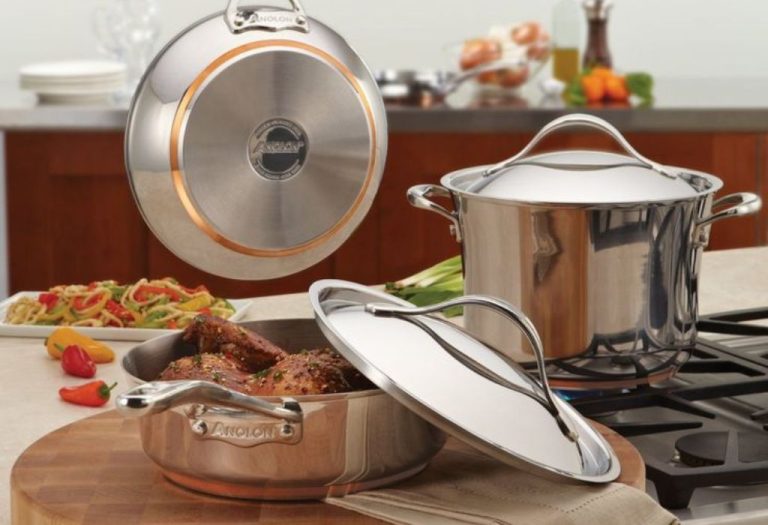
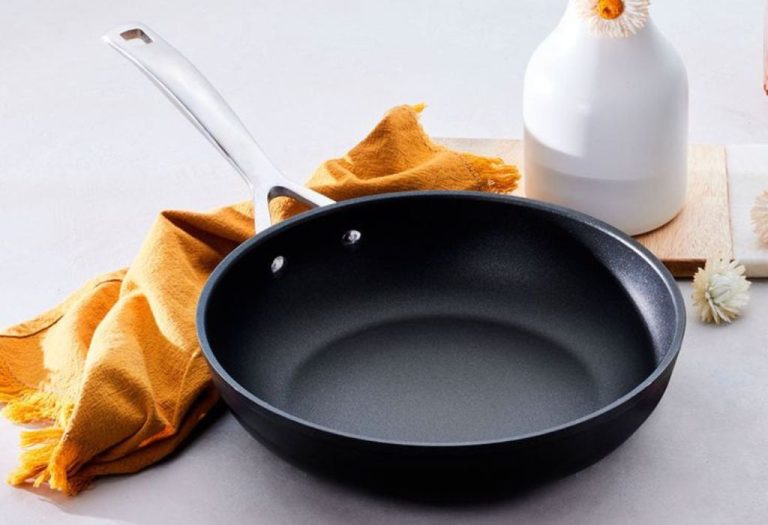
Many home cooks hesitate before sliding a stainless steel pan into the oven. The concern is simple: will the heat damage the cookware or the food inside?
The truth is that stainless steel is built to handle high temperatures, but not all pieces are created equal. Factors like handle material, lid type, and cookware grade can make a huge difference.
Ignoring these details can lead to warped pans, cracked lids, or even a ruined dinner. Once damage occurs, cookware may never sit flat on a stovetop again.
Curiosity often arises when recipes call for starting on the stove and finishing in the oven. The transition seems seamless, yet safety depends on knowing the limits of the cookware.
According to Prudent Reviews, most stainless steel cookware is oven safe between 400°F and 800°F, with the average limit around 500°F (source). That means some pans will handle broiling temperatures, while others cannot.
Premium brands like All-Clad confirm that certain stainless steel pieces are safe up to 600°F, but they warn that plastic or wooden handles can reduce that limit significantly (source).
The benefit of learning whether stainless steel cookware can go in the oven is twofold. It prevents unnecessary damage while ensuring food cooks evenly and safely.
What Does “Oven Safe” Mean for Stainless Steel Cookware

The phrase “oven safe” appears on many stainless steel products, yet its meaning often confuses buyers. It is not only about the stainless steel body but also about the handles, lids, and the maximum oven temperature each part can withstand.
Oven safety depends on how well the cookware resists heat without warping, melting, or cracking. A stainless steel pan may survive 600°F, while a glass lid or plastic handle might fail at 350°F.
High quality grades like 18/10 or 304 stainless steel provide excellent resistance to corrosion and heat. These materials are also non-reactive, which prevents metallic flavors from affecting acidic foods during oven use.
Multi-ply or bonded cookware with aluminum or copper cores enhances oven safety. The layered construction improves heat distribution, reduces hot spots, and allows cookware to maintain shape under intense heat.
Understanding “oven safe” is crucial for safe baking and roasting. Without this knowledge, even the most durable stainless steel can suffer permanent damage.
What is the definition of oven safe cookware?
It refers to cookware designed to endure oven heat without damage to the body, handles, or lid.
Does every stainless steel pan qualify as oven safe?
No, safety depends on grade, construction, and non-metal components.
Why does stainless steel grade matter for oven safety?
Higher grades like 18/10 resist rust and warping better than lower quality steel.
How do handles and lids affect oven safety?
Plastic, silicone, or wooden handles reduce safe temperatures, while glass lids usually have lower limits than steel lids.
What are typical oven safe temperature ranges across brands?
They usually range from 400°F to 800°F, with an average of 500°F depending on manufacturer guidelines.
Risks and Problems of Using Stainless Steel Cookware in the Oven
Using stainless steel in the oven is safe when handled correctly, but overlooking details can cause damage. Warping, discoloration, or broken lids often result from exceeding safe temperatures or ignoring manufacturer instructions.
Thin stainless steel is especially vulnerable to thermal shock. Rapid changes in heat, such as moving a hot pan into cold water, can distort the shape permanently.
Handles and lids are often the weakest points. Plastic or silicone grips may melt, while tempered glass lids can shatter if exposed to extreme heat.
Discoloration is another common issue. High oven temperatures can leave rainbow tints or dark stains on the steel surface, which may be difficult to clean.
Food safety also plays a role. Lower grade stainless steel can react with acidic foods at high heat, altering flavor and causing surface pitting over time.
What causes warping in stainless steel cookware?
Sudden temperature changes and thin construction are the main causes.
Is there a risk of metal leaching into food?
High quality stainless steel is non-reactive, but low grade steel can leach trace amounts when exposed to acidic foods.
Can lids or handles fail even if the pan body is oven safe?
Yes, glass lids may crack and non-metal handles may melt at lower temperatures.
Does heat affect the appearance of stainless steel?
Yes, overheating can cause staining, rainbow colors, or permanent discoloration.
Can oven use affect food quality?
Yes, sticking, uneven cooking, or altered flavors may occur if cookware is misused.
How to Tell If Your Stainless Steel Cookware Can Safely Go in the Oven

Not all stainless steel cookware is designed for oven use. The best way to know is to check the manufacturer’s guidelines, which often specify maximum oven-safe temperature and details about handles and lids.
Cookware stamped with grades such as 18/10 or 304 generally provides higher durability. These grades resist corrosion, handle intense heat, and remain non-reactive when cooking acidic foods.
The presence of bonded or multi-ply construction is another clue. Stainless steel with an aluminum or copper core distributes heat evenly and maintains shape under oven conditions.
Handles and lids should be examined carefully. While all-metal handles can usually endure high heat, plastic or silicone lowers the safe limit, and glass lids often have lower ratings than the cookware itself.
Even high-quality stainless steel can fail if misused. Misinterpreting safety ratings or ignoring non-metal components often causes damage long before the pan itself wears out.
Where is oven safe information usually found?
It is listed on packaging, stamped on the base, or provided in the manufacturer’s manual.
How can I identify handle and lid limitations?
Check if the parts are plastic, silicone, or glass, as these reduce oven safe temperatures.
What temperature markings should I look for?
Look for labels such as “Oven Safe to 500°F” or “Broiler Safe up to 600°F.”
How do I verify the steel grade of my cookware?
Grades are often stamped on the bottom or listed in product specifications.
Are coated stainless steel pans different in the oven?
Yes, non-stick coatings lower safe temperature limits and can degrade above 500°F.
Safe Practices and Tips When Using Stainless Steel Cookware in the Oven
Using stainless steel in the oven is straightforward when safety rules are followed. Proper care prevents warping, protects handles and lids, and ensures food cooks evenly.
Preheating is an important step. Gradually heating the cookware avoids sudden thermal shock that can bend thin stainless steel.
Always respect the maximum oven temperature listed by the manufacturer. A pan rated for 500°F should never be placed under a broiler, which can exceed 550°F.
Handles and lids deserve extra attention. Metal handles withstand heat better, while plastic or silicone should never be exposed beyond their safe range.
Cooling should be slow and natural. Plunging a hot pan into cold water almost guarantees warping or cracking.
How can I prevent warping in stainless steel cookware?
Avoid sudden temperature changes and let cookware heat gradually.
What is the maximum safe oven temperature for most pans?
Most stainless steel pans are safe up to 500–600°F, though some premium brands reach 800°F.
How should lids and handles be handled in the oven?
Use only metal lids and handles for high heat, and avoid exposing glass or plastic beyond their limits.
What is the best way to clean stainless steel after oven use?
Allow the pan to cool, soak with warm water if needed, and clean with mild detergent to prevent scratches.
What are signs that stainless steel has been damaged by oven use?
Warping, cracked lids, loose rivets, or rainbow discoloration are the most common warning signs.
Oven Temperature Guidelines and Brand Examples

Oven safety varies widely between cookware brands. While stainless steel itself can tolerate high heat, handles, lids, and coatings often lower the maximum temperature rating.
Understanding these limits is crucial. Exceeding them can lead to warping, cracked lids, or coating breakdown, even in premium cookware.
Most stainless steel pans fall into a range between 400°F and 600°F. Entry-level options often stay closer to the lower end, while bonded or multi-ply cookware reaches higher temperatures.
Broilers present another challenge. Since broilers typically exceed 550°F, cookware must be explicitly labeled as broiler safe before use.
Comparing brand guidelines provides valuable insight. Some manufacturers design cookware specifically to withstand both high oven heat and broiler settings.
Which brands offer the highest oven-safe limits?
All-Clad rates many pans up to 600°F, while Made In cookware reaches 800°F for stainless steel without coatings.
How do non-stick coatings affect oven safety?
Non-stick coatings typically lower safe limits to around 400°F–500°F.
Are glass lids as safe as stainless steel lids in the oven?
No, glass lids often max out around 350°F, while metal lids match the pan’s higher limit.
Can all stainless steel pans go under a broiler?
No, only those marked “broiler safe” should be exposed to broiler heat.
Is it safe to push cookware to the maximum rated temperature?
Yes, but consistent use at the upper limit may shorten the lifespan of handles and lids.
Maintenance and Longevity Tips to Prevent Risk
Caring for stainless steel properly ensures it remains oven safe for years. Neglecting cleaning or storage practices often shortens the cookware’s lifespan.
Allowing the pan to cool before washing is essential. Sudden contact with cold water can cause thermal shock and permanent warping.
Gentle cleaning preserves both finish and durability. Harsh abrasives scratch the surface, while mild detergents and soft sponges maintain the shine.
Discoloration such as rainbow tints or brown stains can occur after high-heat oven use. These are usually cosmetic and removable with stainless steel polish or vinegar solutions.
Proper storage also prevents long-term damage. Stacking cookware with protectors avoids scratches and helps maintain flat, stable bases.
How should stainless steel cookware be cleaned after oven use?
Use warm water, mild detergent, and a soft sponge to protect the surface.
What is the safest way to remove discoloration?
Vinegar, baking soda, or stainless steel polish restore shine without scratching.
How can I check if my cookware is still safe for oven use?
Inspect handles, rivets, and the base regularly for warping, cracks, or looseness.
What storage practices extend cookware life?
Stack pans carefully with cloth or pads between them to prevent scratches.
When should stainless steel cookware be replaced?
Severe warping, cracked lids, or loose rivets are signs it is time for a replacement.
Misconceptions and Myths About Stainless Steel and Oven Use
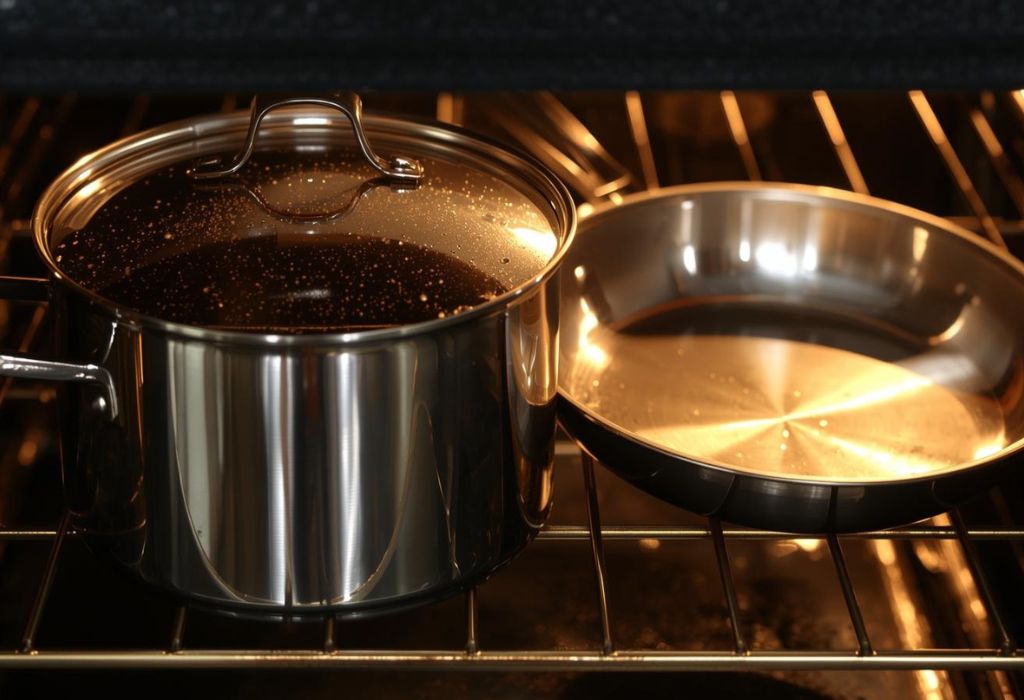
Many people assume stainless steel is indestructible in the oven. In reality, construction quality and accessory parts determine how safe it truly is.
Another myth is that stainless steel always warps under high heat. While thin pans bend easily, multi-ply or bonded cookware resists distortion even at extreme temperatures.
Some believe stainless steel reacts dangerously with food at high oven heat. In fact, high-grade stainless steel is non-reactive and safe for acidic foods.
Confusion also surrounds the role of coatings. Non-stick layers are often mistaken for stainless steel, yet they lower the safe temperature dramatically.
Dishwashers and induction are sometimes blamed for reduced oven safety. In truth, they do not affect oven limits unless they damage handles or lids.
Does stainless steel always warp in the oven?
No, quality construction and gradual heating prevent most warping.
Is stainless steel unsafe for acidic foods at high heat?
No, premium grades like 18/10 are non-reactive and safe for acidic dishes.
Are non-stick stainless steel pans the same as bare steel?
No, coatings lower oven-safe limits compared to pure stainless cookware.
Does using a dishwasher affect oven safety?
Only indirectly, if detergents damage rivets, handles, or coatings.
Is induction compatibility related to oven safety?
No, induction applies to stovetop use, not oven heat resistance.
Conclusion
Stainless steel cookware can safely go in the oven, but success depends on understanding its limits. Factors such as steel grade, bonded core construction, handle material, and lid type all determine how well cookware performs under heat.
Most stainless steel pans are rated between 400°F and 600°F, while premium brands reach 800°F. Knowing these numbers prevents damage and keeps food cooking evenly.
Risks like warping, discoloration, or cracked lids usually happen when cookware is misused. Following safe practices such as gradual heating, slow cooling, and proper cleaning helps avoid these problems.
The key is to always check the manufacturer’s guidelines. Oven safety labels, grade markings, and brand instructions provide reliable information to protect both cookware and meals.
For lasting results, treat stainless steel as an investment. Proper care extends its life, preserves performance, and ensures every oven dish is prepared with confidence.

I’m Emma J. Caldwell, the founder, lead writer, and home-cooking enthusiast behind KitchenGuideCo.com. With a background in culinary arts and over a decade of cooking experience in both professional and personal kitchens, I created this platform to demystify recipes, offer smart kitchen gadget reviews, and guide readers through meal prep with confidence and clarity.