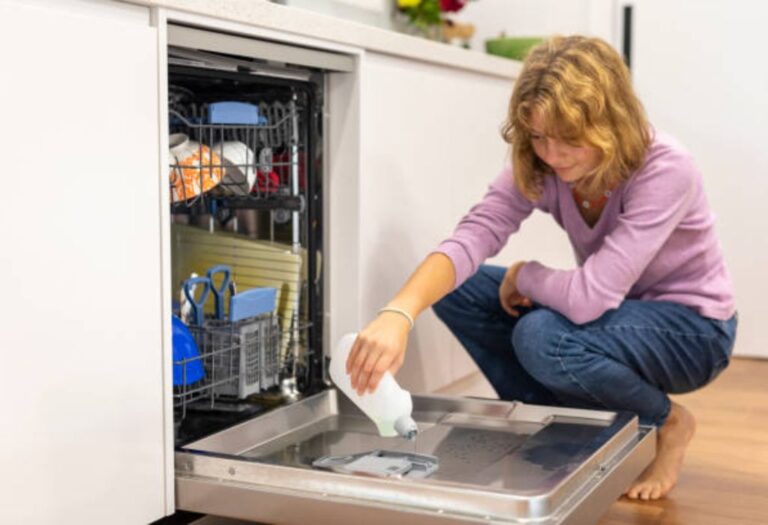
Tupperware containers are part of almost every kitchen, used for storing leftovers, packing lunches and keeping ingredients fresh. Because they are used daily, many people prefer the convenience of cleaning them in the dishwasher instead of scrubbing them by hand.
But the moment someone sets a Tupperware container inside the dishwasher, questions start to rise. Will it melt, warp or lose its shape under dishwasher heat?
Some containers come with dishwasher safe symbols while others do not, leaving many people confused about which ones can withstand high temperatures. Newer Tupperware designs often use stronger plastic, but older ones may not hold up to heated drying cycles.
Dishwashers use hot water, steam and powerful detergents that interact with plastic differently than glass or metal. These factors make some users hesitant to trust the dishwasher with their favorite containers.
Understanding which types of Tupperware are dishwasher safe helps protect containers from warping, discoloration and lid loosening. With the right information, you can clean Tupperware safely and maintain its longevity.
This guide explains everything you need to know about putting Tupperware in the dishwasher.
Is Tupperware Dishwasher Safe
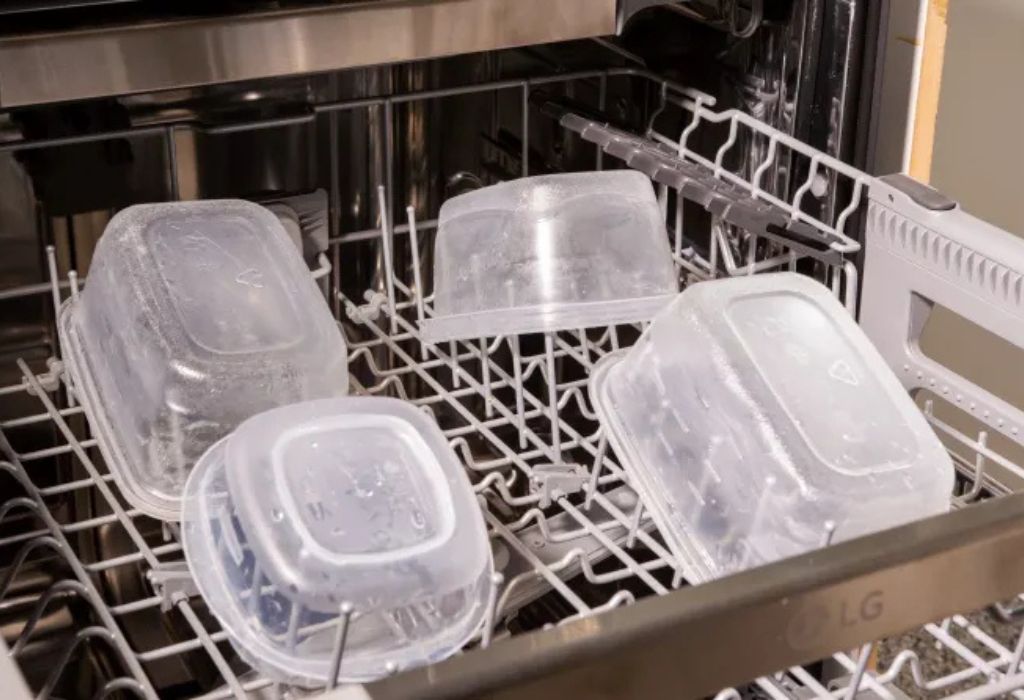
Most modern Tupperware products are dishwasher safe, but they must be placed on the top rack. The top rack stays farther from the heating element, which protects the plastic from melting or warping.
Older Tupperware containers may not tolerate high heat. These older plastics were not designed for modern dishwasher temperatures.
The manufacturer usually marks dishwasher safe containers with a symbol. This symbol appears on the bottom of the container.
Even dishwasher safe Tupperware can become stained by tomato sauces or strong spices. Stains do not affect safety but may change appearance.
Proper dishwasher placement prevents damage and keeps containers usable for years.
Can all Tupperware go in the dishwasher
Only newer dishwasher safe containers should be placed inside.
Is top rack placement required
Yes, the top rack protects plastic from heat.
Does older Tupperware melt easily
Older plastics are more sensitive to heat.
Is dishwasher safe symbol important
It confirms the container can tolerate the cycle.
Can stains appear even if it is dishwasher safe
Yes, some foods leave lasting marks.
How Dishwashers Affect Tupperware
Dishwashers expose Tupperware to hot water, steam and aggressive detergents. These conditions can soften plastic temporarily.
When plastic softens, it becomes more vulnerable to deformation. Warped containers no longer seal tightly.
Dishwasher detergent contains strong cleaning agents designed to remove grease. These chemicals may cause long term wear if used frequently.
Steam from heated drying cycles can cause lids to warp. Warped lids may lose their airtight fit.
Understanding dishwasher effects helps prevent unnecessary damage.
Why Top Rack Is Safer For Tupperware
The bottom rack of a dishwasher sits close to the heating element. Heat rises during the dry cycle and concentrates near the bottom.
Tupperware placed on the bottom rack may melt or warp due to direct exposure. This damage is often permanent.
The top rack reduces heat exposure significantly. Water sprays more gently on the top level.
Modern dishwashers encourage placing plastics on the top rack for safety. Manufacturers include this recommendation for most plastic items.
Following this practice protects the integrity of Tupperware containers.
Can Tupperware go on the bottom rack
Bottom rack heat may warp or melt plastic.
Does the top rack stay cooler
Yes, heat intensity is much lower.
Is the top rack always recommended
Plastics belong on the top rack for safety.
Do all dishwashers heat the same
Heat distribution varies between models.
Can warping be reversed
Warping is usually permanent.
How To Tell If Your Tupperware Is Dishwasher Safe
Tupperware often includes small icons molded into the bottom of the container. These icons indicate dishwasher, microwave and freezer safety.
A dishwasher safe symbol usually shows water droplets or a rack shape. This symbol confirms the container can tolerate typical dishwasher temperatures.
If the symbol is missing, the container may be from an older product line. Older plastics may not withstand high heat.
Inspecting the bottom of the container helps determine safety. Manufacturers include these marks to guide users.
Always check both the container and the lid because they may have different safety ratings.
How Heat Impacts Plastic Tupperware
Plastic softens when exposed to extreme heat. Dishwashers often reach temperatures high enough to affect plastic strength.
Softened plastic may warp if it touches other items during the wash cycle. Warping changes the original shape permanently.
Dishwasher dry cycles use very hot air. This hot air accelerates plastic expansion and contraction.
Repeated heat exposure weakens plastic over time. Weak plastic cracks or breaks more quickly.
Protecting Tupperware from extreme heat preserves longevity.
Can dishwasher heat cause melting
Extreme heat may deform or melt plastic.
Do dry cycles increase risk
Yes, dry cycles create intense heat.
Should Tupperware avoid high heat
Placing it on the top rack reduces exposure.
Does plastic soften during washing
High temperatures soften most plastics.
Does softened plastic warp easily
Softened material deforms under pressure.
Can Tupperware Lids Go In The Dishwasher
Tupperware lids are more flexible than containers. This flexibility helps them seal properly but makes them more sensitive to heat.
Dishwasher heat may cause lids to warp faster than container bases. Warped lids may no longer fit tightly.
Most modern lids are top rack dishwasher safe. Placing them correctly prevents deformation.
If a lid loses shape, it may no longer create an airtight seal. This reduces the usefulness of the container.
Cleaning lids gently helps extend their life.
Why Tupperware Smells Bad After Dishwashing
Sometimes Tupperware retains odors even after washing. This happens because plastic absorbs certain smells.
Dishwasher detergent may not remove strong aromas completely. Foods like onions, curry and garlic leave lasting scents.
Heat opens plastic pores and makes it absorb odors more easily. This effect becomes more noticeable over time.
Tupperware with embedded smells may require additional cleaning. Using baking soda can help remove deep odors.
Proper care reduces unpleasant smells significantly.
Does dishwasher heat worsen odor absorption
Heat opens pores and increases plastic absorption.
Do garlic and onion smells stick
Strong foods leave long lasting odors.
Can baking soda help
Baking soda neutralizes deep smells.
Are plastics more prone to odor than glass
Plastic absorbs odors, but glass does not.
Is Tupperware still safe if it smells
It is safe but may need extra cleaning.
Why Some Tupperware Turns Cloudy In The Dishwasher
Heat and detergent may cause plastic to lose clarity. Cloudiness develops when plastic pores expand.
This expansion traps tiny detergent particles inside. These particles create a cloudy film on the surface.
Older Tupperware becomes cloudy faster due to wear. Repeated cleaning amplifies this effect.
Cloudiness does not affect safety but impacts appearance.
Handwashing helps maintain clarity longer.
How To Prevent Tupperware From Warping
Preventing warping requires careful dishwasher placement. Always keep Tupperware on the top rack.
Avoid positioning containers too close to heating vents. Heat from these vents can deform plastic.
Use gentle dishwasher cycles instead of high heat cycles. Lower temperatures protect the plastic structure.
Avoid overcrowding because pressure from other dishes may warp containers. Light spacing avoids pressure points.
Air drying instead of heated drying reduces warping risk.
Does spacing matter in the dishwasher
Proper spacing prevents pressure warping.
Can gentle cycles protect plastic
Mild cycles reduce heat damage.
Is the top rack always safest
The top rack prevents extreme exposure.
Should heated drying be avoided
Air drying preserves the plastic shape.
Do high heat cycles damage containers
High heat increases warping significantly.
How To Clean Tupperware Safely In The Dishwasher
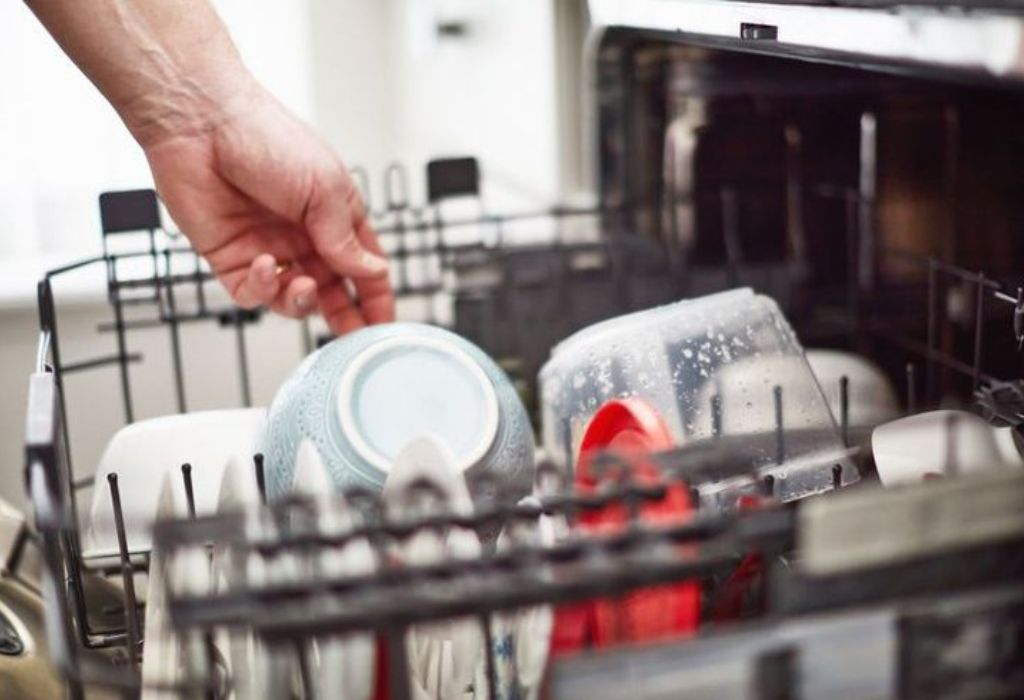
Rinse Tupperware before loading to prevent staining. This removes strong food residue.
Place containers and lids securely on the top rack. Loose lids may fall onto the heating element.
Use a mild dishwasher detergent to prevent surface damage. Strong detergents cause long term wear.
Choose warm cycles instead of hot cycles when cleaning plastic. This protects the container shape.
Allow Tupperware to cool after the cycle before storing.
Should You Handwash Tupperware Instead
Handwashing provides complete control over heat and pressure. It is the safest method for older containers.
Warm water and gentle soap clean Tupperware effectively. A soft sponge protects the plastic surface.
Handwashing prevents detergent buildup. It also avoids direct contact with heating elements.
People with valuable or vintage Tupperware often prefer handwashing. These pieces need extra care.
Choosing handwashing extends the lifespan of all plastic containers.
Is handwashing always safer
It reduces all heat related risks.
Can dishwashers shorten lifespan
Frequent high heat weakens plastic.
Do older pieces require handwashing
Yes, vintage plastics are heat sensitive.
Does handwashing reduce cloudiness
Gentle cleaning maintains clarity.
Is it slower but safer
Handwashing protects containers longer.
Conclusion
Tupperware can go in the dishwasher, but only when placed on the top rack to protect it from heat damage. The dishwasher’s high temperatures, steam and strong detergents can warp lids, discolor plastic and shorten the lifespan of containers if used improperly.
Newer Tupperware labeled dishwasher safe tolerates gentle dishwasher cycles well, while older containers require handwashing to prevent melting or distortion. Using the right placement and avoiding heated drying cycles reduces the risk of warping significantly.
Understanding how dishwashers interact with plastic helps keep Tupperware in good condition for years. Clean containers last longer, look better and maintain airtight sealing when cared for correctly.
With proper handling, your Tupperware stays functional, odor free and ready for everyday use.
A few simple precautions ensure long lasting performance and safe dishwasher cleaning every time.

I’m Emma J. Caldwell, the founder, lead writer, and home-cooking enthusiast behind KitchenGuideCo.com. With a background in culinary arts and over a decade of cooking experience in both professional and personal kitchens, I created this platform to demystify recipes, offer smart kitchen gadget reviews, and guide readers through meal prep with confidence and clarity.