Most people reach for aluminium foil without thinking because it seems like a quick solution. It lines trays easily catches drips and makes cleaning feel effortless.
But the moment smoke appears from the bottom of the oven or food cooks unevenly the situation becomes stressful. What started as a shortcut suddenly looks like a mistake that could damage the appliance.
Ovens heat differently depending on design airflow and heating elements. Aluminium foil reacts to that heat in ways many home cooks do not expect.
Blocking vents or reflecting heat can change temperature balance inside the chamber. This affects cooking performance and may even increase the risk of damage over time.
Understanding when aluminium foil is safe to use prevents these issues completely. Some techniques are perfectly fine while others should never be attempted.
This guide explains every detail clearly so you know exactly how to use aluminium foil in the oven safely and avoid costly problems.
What Aluminium Foil Is and Why People Use It in Ovens
Aluminium foil is a thin sheet made from lightweight metal that conducts heat efficiently. It is flexible enough to wrap food tightly and withstand high oven temperatures. Many households use it because it is convenient and disposable after cooking.
People often use aluminium foil to make cleanup easier during baking or roasting. It catches grease drips and prevents liquids from sticking to trays. This reduces scrubbing time and helps keep cookware in better condition.
Foil also helps retain moisture when wrapped around food. It traps steam inside the package and prevents drying during long cooking. This method works well for fish vegetables and delicate ingredients.
Some users wrap food to prevent strong smells from spreading inside the oven. Foil creates a barrier that keeps flavors contained throughout the cooking process. This is especially useful when preparing multiple dishes in one day.
Aluminium foil can also be shaped into covers for baking dishes. Light shielding prevents food from browning too quickly on top. This gives better control over texture and overall results.
Although foil is helpful it must be used properly to avoid problems. Incorrect placement can affect heating patterns and damage the oven interior. Understanding safe usage prevents unnecessary risks during cooking.
Can Aluminium Foil Be Used in an Oven Safely
Aluminium foil can be used safely in an oven when applied correctly. It must never touch heating elements or open flames inside the chamber. Safe usage depends on placement rather than temperature alone.
Foil should not cover the entire oven rack completely. Blocking airflow affects heat circulation and causes uneven cooking. It may also trap heat and increase internal temperature unexpectedly.
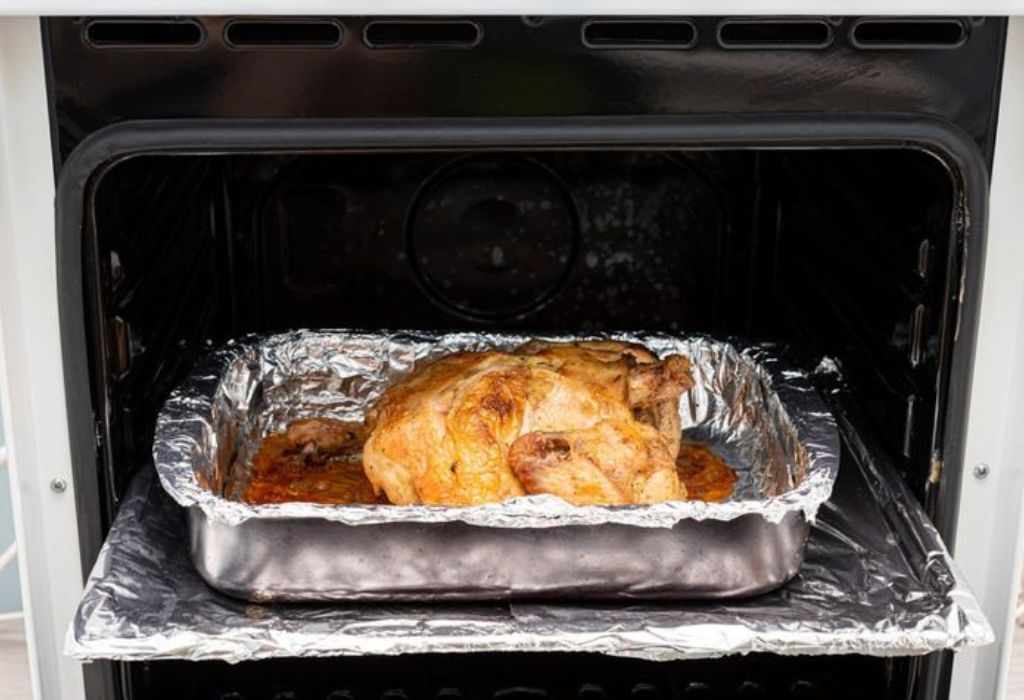
Using foil to line baking trays is generally safe when done properly. The foil should sit flat without hanging over the edges. This prevents melting or accidental contact with hot surfaces.
Wrapping food in foil is safe for most oven types. The foil creates a sealed environment that retains moisture during cooking. This method is commonly used for steaming and slow roasting.
Avoid using foil if the oven manufacturer warns against it. Some ovens have coatings or sensors that react differently to reflected heat. Checking the manual helps prevent damage and voiding warranty coverage.
When used responsibly aluminium foil does not pose a safety issue. Understanding correct placement ensures both the oven and food remain protected. Following guidelines makes cooking easier without creating unnecessary risks.
Risks of Placing Foil on Oven Floor or Covering Vents
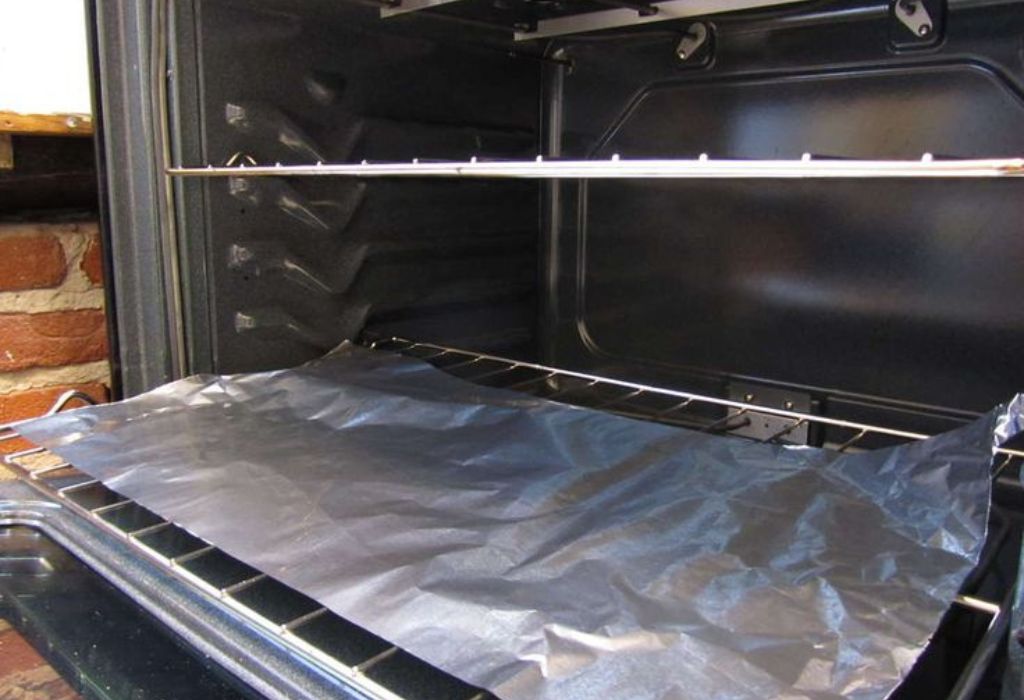
Placing aluminium foil on the oven floor is never recommended. The foil reflects heat back toward the bottom heating element. This can cause the surface to overheat and warp permanently.
Heat reflection may also burn the oven coating or discolor the interior. Damaged surfaces become harder to clean and may release odors during cooking. Repairing these issues can be both costly and inconvenient.
Covering vents with foil restricts proper air circulation inside the chamber. Modern ovens rely on airflow to regulate temperature accurately. Blocking vents leads to uneven heating and unpredictable cooking results.
Restricted airflow can cause overheating in hidden components. Excessive heat may damage thermostats wiring or control panels over time. This increases the risk of malfunction and early appliance failure.
Gas ovens face additional danger when vents are blocked. Trapped heat may interfere with flame performance and ventilation safety. This raises the risk of carbon monoxide buildup in rare cases.
Avoiding foil on the oven floor or vents prevents serious problems. Using foil only on trays or wrapped around food keeps the appliance protected. Understanding these risks helps ensure safe and reliable oven operation.
Safe Ways to Use Aluminium Foil in an Oven
Using aluminium foil safely begins with proper placement on cookware. Line only the bottom of baking trays without covering the entire surface. This allows heat to circulate freely while catching spills and drips.
Foil can be molded into a loose tent over food during roasting. This prevents over-browning while still allowing air to flow around the dish. Removing the foil later helps achieve a crisp finish when needed.
Wrapping food individually is another safe and common method. Foil packets trap steam and protect delicate ingredients from drying out. This technique works well for fish vegetables and seasoned portions.
When using foil as a lid avoid sealing it too tightly. Steam must escape to prevent pressure buildup inside the dish. Creating small vents helps maintain safe and even cooking.
Avoid letting foil touch the oven walls or heating elements. Metal contact can cause melting sparks or damage to the oven interior. Leave enough space around the foil to prevent accidental contact.
Safe usage depends on controlling placement and avoiding airflow blockage. Keeping foil on cookware instead of oven surfaces prevents overheating problems. Following these steps allows convenient cleanup without risking appliance damage.
When You Should NOT Use Aluminium Foil in an Oven
Do not place aluminium foil directly on the oven floor under any circumstance. Heat reflection can cause warping or burn protective coatings. This damage often becomes permanent and affects future performance.
Avoid covering entire oven racks with foil sheets. Blocking airflow disrupts temperature regulation throughout the chamber. Uneven heat can lead to undercooked or overcooked sections of the same dish.
Never use foil in self-cleaning cycles inside the oven. Extremely high temperatures can cause foil to melt and bond to surfaces. Removing melted foil may require professional repair or may not be possible.
Steer clear of using foil with acidic foods during long cooking times. Ingredients like tomatoes citrus and vinegar can react with aluminium. This reaction may alter taste and affect the foil’s surface.
Do not use foil in microwave-convection combination ovens unless permitted. Some hybrid units restrict foil due to electromagnetic interference. Checking the manual prevents safety risks and appliance malfunction.
Knowing when to avoid foil is just as important as proper use. Understanding limitations protects both cooking results and oven components. These guidelines ensure safe and responsible usage every time.
Foil Use in Gas vs Electric vs Convection Ovens
Gas ovens heat from an open flame usually located at the bottom. Using foil incorrectly can trap heat and affect flame performance. Keeping vents clear ensures safe airflow and stable ignition.
Electric ovens rely on heating elements above and below the chamber. Foil can reflect heat and cause elements to cycle more aggressively. This may lead to overheating or inconsistent temperature recovery.
Convection ovens circulate air using a built-in fan. Foil that blocks airflow interferes with heat movement across racks. This prevents even browning and increases cooking time unnecessarily.
Gas ovens require extra caution around burner openings. Foil should never hang near flame ports or interfere with ventilation. Any obstruction can change flame color and reduce heating efficiency.
Electric ovens may tolerate foil on trays more predictably than gas units. However covering racks or surfaces still creates heating complications. Placement guidelines remain the same regardless of oven type.
Convection models benefit least from foil usage because airflow is essential. Using foil sparingly supports consistent results and protects fan function. Understanding these differences helps adapt safe foil use to each oven style.
Alternatives to Aluminium Foil for Baking and Roasting
Parchment paper is a popular alternative for lining baking trays safely. It withstands high temperatures without reflecting heat or blocking airflow. This makes it suitable for cookies pastries and delicate baked goods.
Silicone baking mats offer reusable non-stick surfaces for everyday cooking. They reduce waste and eliminate the need for disposable liners. Heat distributes evenly without altering temperature inside the oven.
Roasting racks elevate food above the tray to catch drips. This prevents burning and allows hot air to circulate freely. Racks also improve crispness without needing foil coverage.
Oven-safe glass or ceramic lids can replace foil for covered dishes. These materials trap moisture while allowing steady cooking. They are ideal for casseroles and slow-baked meals.
Grease-proof paper can be used for wrapping certain foods. It helps maintain moisture without metallic reaction concerns. Always verify heat limits before using in high-temperature settings.
Choosing alternatives depends on the type of cooking and cleanup needs. These options provide safer results without risking oven damage. Using replacements reduces dependency on foil while maintaining cooking convenience.
Frequently Asked Aluminium Foil Oven Questions
Can aluminium foil catch fire in the oven?
Aluminium foil itself does not burn at normal oven temperatures. Fire risk occurs only if foil touches heating elements or open flames. Proper placement prevents this hazard completely.
Is it safe to cook food directly on aluminium foil?
Yes wrapping food or placing items on foil is generally safe. Ensure the foil does not tear and leak onto heating surfaces. Always avoid contact with oven walls or elements.
Can aluminium foil melt inside the oven?
Foil can melt if exposed to extremely high heat during self-cleaning cycles. It will not melt during normal cooking temperatures. Avoid using foil during high-heat cleaning programs.
Why is placing foil on the oven floor dangerous?
It reflects heat back at the bottom element and causes overheating. This can warp metal and damage protective coatings permanently. The manual for most ovens warns against this practice.
Can aluminium foil block oven airflow?
Yes covering racks or vents disrupts heat circulation. Blocked airflow causes uneven cooking and temperature imbalance. Foil should be used only on cookware surfaces.
Is aluminium foil safe for convection ovens?
It is safe only when used sparingly on trays without blocking airflow. Avoid wrapping racks or covering fan openings. Convection models depend on unrestricted air movement.
Can I use foil with acidic foods?
Long exposure to acidic ingredients may cause reaction with foil. This can affect flavor and leave small surface marks on the foil. Use parchment instead for acidic recipes.
Does aluminium foil affect cooking time?
Foil can reflect heat and speed up browning in some cases. It may also slow cooking if blocking airflow. Results depend on placement and oven type.
Is foil safe for toaster ovens?
Some toaster ovens prohibit foil due to close heating elements. Always check the appliance manual before using. Incorrect use may cause overheating or fire risk.
What can I do if foil melted onto my oven surface?
Do not scrape aggressively because it may damage enamel. Allow the oven to cool and consult the manufacturer for guidance. Professional repair may be required for severe cases.
Conclusion
Aluminium foil can be used safely in an oven when handled correctly. Most problems occur from blocking airflow or covering the oven floor. Understanding proper placement prevents damage and ensures consistent cooking.
Using foil on trays or wrapped around food is generally safe. Avoiding vents heating elements and self-cleaning cycles protects the appliance. These precautions maintain both safety and performance over time.
Different ovens react differently to foil depending on heat and airflow. Gas electric and convection models require specific considerations. Following manufacturer recommendations avoids unnecessary risks and repairs.
Alternatives like parchment paper silicone mats and roasting racks offer safer options. They reduce dependence on foil while supporting clean and effective cooking. With the right approach you can use aluminium foil confidently without harming your oven.

I’m Emma J. Caldwell, the founder, lead writer, and home-cooking enthusiast behind KitchenGuideCo.com. With a background in culinary arts and over a decade of cooking experience in both professional and personal kitchens, I created this platform to demystify recipes, offer smart kitchen gadget reviews, and guide readers through meal prep with confidence and clarity.