Glass top stoves are a popular choice for modern kitchens due to their sleek design and easy cleaning. However, many home cooks are unsure which types of cookware are safe to use without damaging these delicate surfaces.
Aluminum cookware is lightweight, heats quickly, and is widely available, making it an attractive option. Yet, questions about scratches, warping, and potential damage often arise when using it on glass top stoves.
According to a 2023 consumer survey, 52% of glass stove owners were uncertain about which cookware is safe for their surfaces (source).
Curiosity also surrounds how different aluminum cookware types, such as anodized or coated pans, perform on glass tops. Understanding proper use and maintenance is crucial for preserving both the cookware and the stove while achieving consistent cooking results.
Understanding Aluminum Cookware and Glass Top Stoves
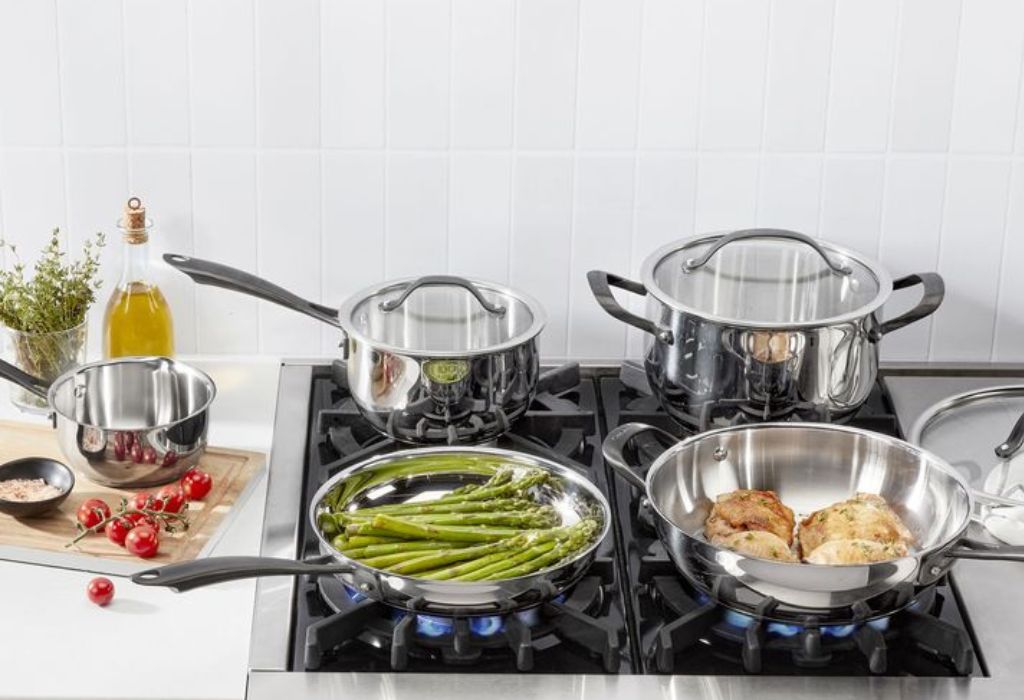
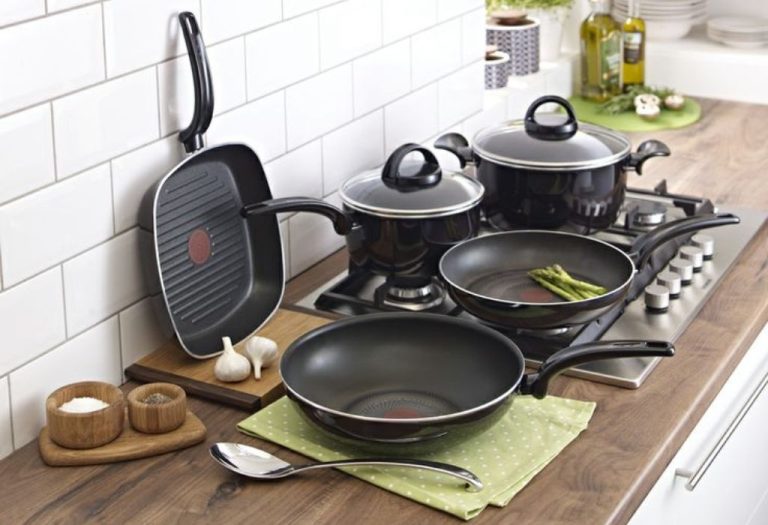
Aluminum cookware is prized for its lightweight design and excellent heat conductivity, which allows for fast and even cooking. Its efficiency makes it a staple in many kitchens, but the soft metal can be prone to scratching, warping, or sticking when used improperly on delicate surfaces.
Glass top stoves feature smooth, heat-conductive surfaces that rely on direct contact with cookware for optimal performance. These surfaces are highly sensitive to scratches, heavy weight, and uneven heat distribution, which can result in damage over time if incompatible cookware is used.
The combination of aluminum cookware and a glass top stove requires careful consideration. Pans with flat, smooth bottoms distribute heat evenly and minimize the risk of hot spots, while lightweight or thin aluminum pans may move easily and cause surface abrasion.
Choosing anodized or coated aluminum cookware can further enhance safety. Protective coatings prevent direct contact between the aluminum and food while reducing friction against the glass surface, maintaining both performance and appliance longevity.
In summary, understanding the properties of aluminum cookware and the sensitivity of glass top stoves is essential. Properly selecting compatible cookware and using appropriate handling practices ensures safe, efficient, and reliable cooking without compromising the stove’s integrity.
Benefits of Using Aluminum Cookware on Glass Top Stoves
Aluminum cookware offers several advantages when used correctly on glass top stoves. Its excellent heat conductivity ensures quick and even heating, which reduces cooking time and prevents hot spots that can burn food.
The lightweight design makes aluminum pans easy to lift, maneuver, and store, minimizing the risk of scratching the delicate glass surface. This allows for safer and more convenient handling compared to heavier cookware like cast iron.
Aluminum pans with smooth, flat bottoms enhance stability and provide consistent contact with the stove surface. This improves cooking efficiency and ensures even results across a variety of dishes, from sautéing vegetables to simmering sauces.
Coated or anodized aluminum cookware adds extra protection, reducing friction against the glass top and preventing sticking. This makes cleaning easier, lowers maintenance effort, and extends the lifespan of both the pan and the stove surface.
Additionally, aluminum cookware is versatile and compatible with multiple cooking techniques. With proper care, it can handle medium to high heat for frying, searing, or sautéing while maintaining safe contact with the glass surface.
In summary, aluminum cookware combines fast heating, lightweight handling, and smooth surfaces to make it ideal for glass top stoves. When used correctly, it offers efficiency, safety, and ease of maintenance, enhancing the overall cooking experience.
Potential Risks and Safety Concerns
While aluminum cookware offers many benefits, there are potential risks when using it on glass top stoves. Soft aluminum can scratch or dent the delicate stove surface, especially if the pan is dragged instead of lifted.
Uneven heating can occur with lightweight or warped pans, leading to hot spots that may burn food or stress the glass surface. Repeated exposure to high heat or heavy cookware can cause the glass to crack or discolor over time.
Non-coated aluminum is more prone to sticking and abrasion, increasing the risk of damaging the stove. Using improper utensils, such as metal spoons or spatulas, can also compromise both the pan and the glass top.
Improper cleaning techniques, such as abrasive pads or harsh chemicals, may scratch the stove surface or wear down anodized coatings, reducing protection. Regular inspection of the cookware and stove surface is essential to prevent long-term damage.
In summary, understanding these risks helps home cooks take preventive measures. Proper cookware selection, careful handling, and suitable cleaning practices minimize hazards and ensure both safe cooking and stove longevity.
Safe Use and Maintenance Tips
Proper handling and maintenance are essential for using aluminum cookware safely on glass top stoves. Following best practices preserves both the stove surface and the cookware while ensuring consistent cooking performance.
Always lift pans instead of sliding them to prevent scratches and avoid uneven heat exposure. Use flat-bottomed aluminum cookware to maintain stability and maximize contact with the stove surface.
Choosing the right utensils is important for long-term safety. Wooden, silicone, or plastic tools prevent scratching the pan and glass, while metal utensils may damage coatings or the stove surface.
Cleaning should be gentle to protect both the cookware and the stove. Hand washing with mild detergents and soft sponges is recommended, and abrasive pads or harsh chemicals should be avoided.
Regular inspection of both the cookware and glass top stove is essential. Replace warped or damaged pans promptly, and use protective pads or liners when stacking cookware to avoid surface damage.
In summary, careful heat management, proper utensil selection, gentle cleaning, and thoughtful storage ensure safe and efficient use of aluminum cookware on glass top stoves.
Following these guidelines extends the life of both the pans and the appliance while providing consistent, reliable cooking results.
Comparison With Other Cookware
Aluminum cookware offers unique advantages for glass top stoves compared to other materials like stainless steel, cast iron, and ceramic. Each type of cookware has different effects on heat distribution, weight, and potential stove surface damage.
Cast iron is heavy and can easily scratch or crack a glass stove if dragged or mishandled, despite excellent heat retention.
Stainless steel is durable and safe for glass tops but heats unevenly and may require longer cooking times. Ceramic pans are smooth and generally safe but can be fragile and prone to chipping.
Aluminum cookware, especially when anodized or coated, balances lightweight handling, fast and even heating, and non-stick convenience. It minimizes the risk of scratching and allows for precise temperature control, making it a practical choice for everyday cooking.
Maintenance is simpler than with cast iron or raw stainless steel. Non-stick or coated aluminum surfaces clean easily, do not require seasoning, and reduce the risk of food sticking, while also preserving the integrity of the glass stove surface.
In summary, aluminum cookware provides a practical middle ground for glass top stove users. It offers faster heating than stainless steel, safer handling than cast iron, and more durability than untreated ceramic, making it an ideal combination of performance, safety, and convenience.
Expert Recommendations
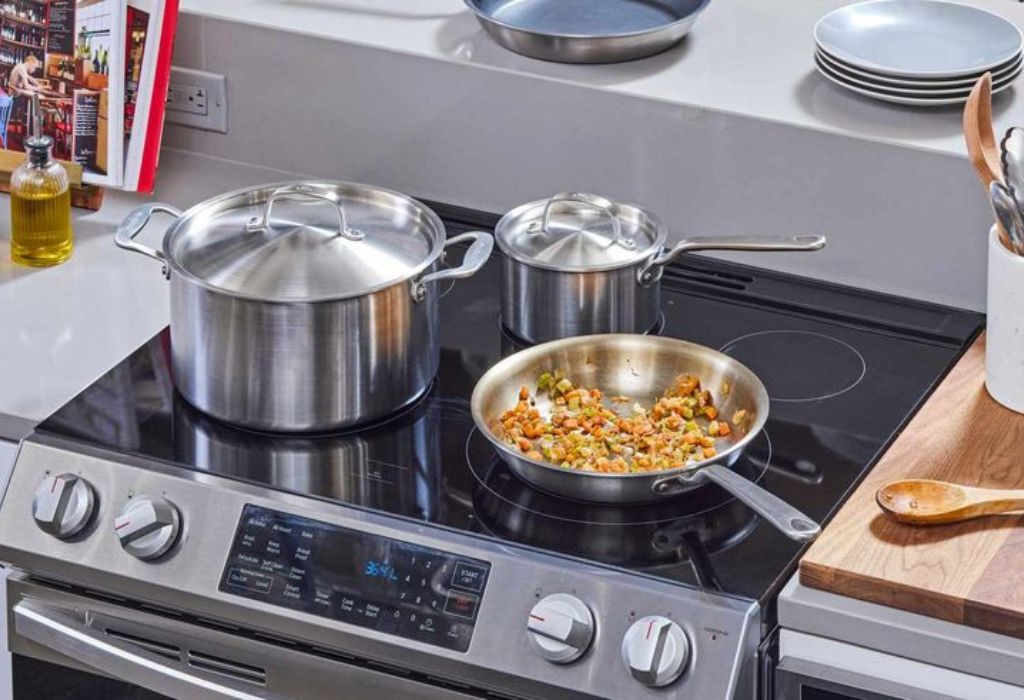
Experts recommend using high-quality aluminum cookware with flat bottoms and protective coatings on glass top stoves. Certified anodized or coated pans reduce the risk of scratches and improve cooking performance while maintaining the stove’s integrity.
Moderate heat usage is advised to prevent warping and preserve coatings. Overheating empty pans or repeated exposure to extreme temperatures can reduce lifespan and may increase the risk of minor damage.
Utensil choice is crucial for maintaining both cookware and stove. Wooden, silicone, or plastic tools help prevent scratches, while gentle hand washing preserves non-stick or anodized surfaces. Using protective pads when stacking cookware further prevents surface damage.
Many experts suggest combining aluminum cookware with other types in the kitchen. For example, use aluminum for quick frying or sautéing, while reserving heavier or more delicate cookware for slow cooking or low-fat meals. This approach maximizes efficiency, safety, and versatility.
In summary, selecting high-quality aluminum cookware and following proper handling, heat management, and cleaning practices ensures safe, efficient, and long-lasting use on glass top stoves. Proper care allows home cooks to enjoy lightweight, fast-heating cookware while protecting their appliance investment.
Can you use aluminum cookware on a glass top stove safely?
Yes, you can use aluminum cookware on a glass top stove, but with care. Aluminum heats evenly and works well, though it can scratch or discolor the glass surface if mishandled.
Why can aluminum cookware damage glass cooktops?
Aluminum is a soft metal that can leave residue or marks on the glass, especially if dragged across the surface while cooking.
How can I prevent scratches when using aluminum cookware?
Always lift the pan instead of sliding it. Also, make sure both the glass surface and the cookware bottom are clean before use.
Does anodized aluminum work better on glass stoves?
Yes, anodized aluminum has a harder, smoother surface that’s less likely to scratch or leave marks, making it a safer choice for glass cooktops.
Can aluminum leave stains on a glass top stove?
Yes, residue from overheated aluminum can leave gray streaks or cloudy spots. These can be removed with a glass cooktop cleaner.
Is lightweight aluminum cookware safe for glass stoves?
Yes, but lightweight pans can shift easily on smooth surfaces. Always cook carefully to prevent tipping or spilling.
Can I use aluminum pans with textured bottoms on glass stoves?
No, avoid cookware with rough or ridged bottoms. Smooth, flat-bottomed aluminum pans ensure better heat transfer and protect the glass surface.
Does aluminum cookware heat evenly on glass stoves?
Yes, aluminum is an excellent heat conductor, so it distributes heat evenly—reducing the risk of hot spots or uneven cooking.
Can I use high heat with aluminum cookware on glass tops?
It’s better to cook on medium or medium-high heat. Excessive heat can warp aluminum pans and leave permanent marks on the cooktop.
What’s the best way to protect glass stoves when using aluminum cookware?
Use cookware with flat, smooth bottoms, keep surfaces clean, lift pans instead of sliding, and use moderate heat to prevent scratches or stains.
Conclusion
Aluminum cookware can be safely used on glass top stoves when high-quality materials and proper care are applied. Its lightweight design, excellent heat conductivity, and non-stick or coated surfaces make it an effective option for everyday cooking.
Protective coatings minimize the risk of aluminum exposure and prevent scratching, while flat, smooth bottoms ensure even heat distribution. Awareness of heat limits, appropriate utensil use, and gentle cleaning practices help maintain performance and prolong the life of both the cookware and stove.
Understanding potential risks, such as coating damage, warping, or dragging, allows home cooks to use aluminum cookware responsibly. Regular inspection and replacement of damaged pans further enhance safety and reliability.
Ultimately, aluminum cookware provides a practical balance of safety, efficiency, and versatility for glass top stove users. When used correctly, it delivers consistent cooking results, supports efficient meal preparation, and protects the stove surface, making it a reliable, long-lasting addition to any kitchen.

I’m Emma J. Caldwell, the founder, lead writer, and home-cooking enthusiast behind KitchenGuideCo.com. With a background in culinary arts and over a decade of cooking experience in both professional and personal kitchens, I created this platform to demystify recipes, offer smart kitchen gadget reviews, and guide readers through meal prep with confidence and clarity.