Induction cooktops are celebrated for their fast heating, precise temperature control, and energy efficiency. Yet many home cooks remain unsure whether aluminum cookware can be used safely on these advanced surfaces.
Aluminum is lightweight, heats quickly, and distributes heat evenly, making it a popular choice in kitchens worldwide. However, its non-magnetic nature prevents it from working directly on induction cooktops, creating uncertainty for users (source).
Curiosity arises around solutions like induction adapters or magnetic-layered aluminum pans and how they affect performance and safety. Understanding these options helps cooks make informed choices while maintaining both the cookware and the cooktop.
How Induction Cooktops Work
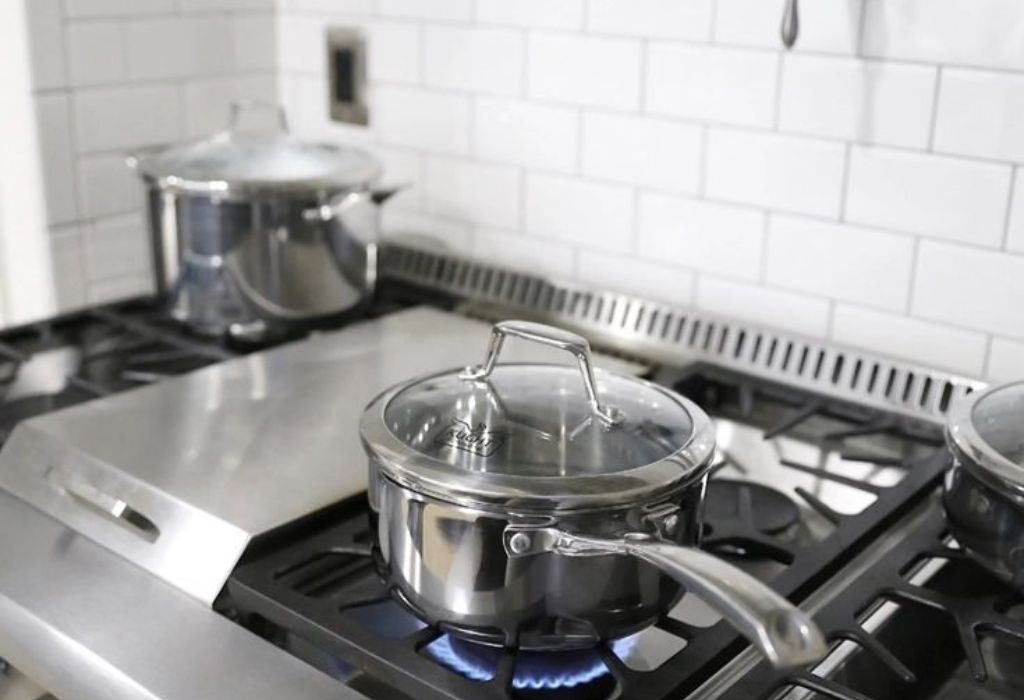
Induction cooktops generate heat through electromagnetic fields that directly interact with magnetic cookware. Unlike gas or electric stoves, the cooktop surface itself does not produce heat, making it safer and more energy-efficient.
Cookware must contain ferromagnetic materials to be compatible. Non-magnetic metals, such as raw aluminum, copper, or glass, do not respond to the electromagnetic field and will not heat effectively without an adapter or magnetic layer.
The flatness and thickness of cookware also affect performance. Pans with uneven bottoms or very thin bases may result in inefficient heating or cause the cooktop to display error messages.
Coated or anodized aluminum with magnetic layers or adapters can safely work on induction cooktops. These solutions allow aluminum to benefit from its fast heat conduction while ensuring proper interaction with the induction field.
In summary, understanding how induction cooktops function is essential for selecting compatible cookware. Proper magnetic properties, flat and stable bottoms, and high-quality coatings or adapters ensure efficient, safe, and reliable cooking on induction surfaces.
Benefits of Using Aluminum Cookware on Induction Cooktops
Aluminum cookware offers fast heating and excellent heat distribution, making it ideal for precise cooking on induction surfaces when compatible. Its lightweight design ensures easy handling, reducing strain during lifting and pouring compared to heavier materials like cast iron.
Coated or anodized aluminum provides non-stick convenience, minimizing food sticking and simplifying cleanup. This allows home cooks to prepare meals efficiently while maintaining the cooktop surface in good condition.
Another key advantage is energy efficiency. Aluminum conducts heat quickly, reducing cooking time and overall energy consumption, which complements the inherent efficiency of induction cooktops.
Flat-bottomed aluminum cookware ensures consistent contact with the cooktop, improving heat transfer and cooking performance. When combined with induction adapters or magnetic layers, aluminum retains its benefits while achieving compatibility.
In summary, aluminum cookware combines lightweight handling, fast and even heating, and non-stick convenience, making it a practical and versatile choice for induction cooktops. With the right adaptations, it delivers safe, efficient, and reliable cooking results.
Potential Challenges and Safety Concerns
While aluminum cookware offers many benefits, using it on induction cooktops presents challenges due to its non-magnetic nature. Without magnetic compatibility or an induction adapter, aluminum will not heat effectively, resulting in uneven cooking or wasted energy.
Thin or lightweight aluminum pans may warp or flex when placed on induction cooktops, which can reduce contact with the cooktop surface and affect heat distribution. Improper handling, such as dragging pans, may also scratch or damage the induction surface.
Coated or anodized aluminum improves durability but does not inherently make cookware magnetic. Using non-compatible aluminum without an adapter can compromise cooking efficiency and may strain the cooktop’s sensors.
Additional risks include overheating aluminum adapters or improperly designed magnetic layers, which can reduce the lifespan of both the cookware and the induction cooktop. Regular inspection and careful handling are necessary to maintain safety and performance.
In summary, the main concerns involve non-magnetic properties, thin construction, and improper use. Awareness of these challenges allows home cooks to take preventive measures, ensuring safe, efficient, and reliable cooking on induction surfaces.
Safe Use and Workarounds
Aluminum cookware can be safely used on induction cooktops by employing induction adapters or selecting pans with built-in magnetic layers. These solutions allow aluminum to benefit from its fast, even heating while remaining compatible with the cooktop’s electromagnetic field.
Induction interface disks are placed between the aluminum pan and the cooktop, enabling heat transfer while protecting the surface. Choosing thick, flat-bottomed aluminum cookware enhances stability and improves heat distribution when using adapters.
Magnetic aluminum pans, often anodized with embedded ferromagnetic layers, provide an alternative solution. They heat efficiently without additional devices and retain aluminum’s advantages, including lightweight handling and quick temperature response.
Proper handling remains essential for safety and longevity. Lifting rather than sliding pans, avoiding overheating, and using appropriate utensils such as wood, silicone, or plastic prevent damage to both the cookware and the induction cooktop.
In summary, induction adapters and magnetic-layered aluminum cookware offer practical solutions for safely using aluminum on induction surfaces. Combined with proper heat management and utensil use, these strategies ensure efficient, safe, and reliable cooking.
Comparison With Other Cookware
Aluminum cookware differs from other common materials used on induction cooktops, such as stainless steel, cast iron, and enameled steel. Each material affects heat transfer, weight, and compatibility with induction surfaces.
Cast iron is heavy and highly magnetic, making it directly compatible with induction, but its weight can stress the cooktop surface if mishandled.
Stainless steel is safe and magnetic but may heat unevenly unless layered with aluminum or copper for better conductivity. Ceramic and glass cookware are generally non-magnetic and require adapters to function on induction, similar to aluminum.
Aluminum with induction-compatible adapters or magnetic layers balances lightweight handling, rapid heat conduction, and ease of use. It is more manageable than cast iron and provides faster heating than stainless steel alone.
Maintenance is also simpler with aluminum. Non-stick or anodized surfaces reduce sticking, simplify cleaning, and prevent scratches on the cooktop, offering a practical advantage over heavier or more rigid cookware.
In summary, aluminum cookware with proper adaptations offers a versatile middle ground. It provides many benefits of lightweight, fast-heating cookware while maintaining compatibility and safety on induction cooktops.
Tips for Choosing the Right Aluminum Cookware for Induction
Selecting the right aluminum cookware is crucial for safe and efficient use on an induction cooktop. Not all aluminum pans are compatible, and understanding which features to look for can prevent uneven heating, potential damage, and wasted energy.
One key consideration is magnetic compatibility. Aluminum by itself is non-magnetic, so choosing pans with magnetic layers, ferromagnetic bases, or using high-quality induction adapters is essential.
These features ensure the cookware interacts properly with the induction field, delivering fast and even heat without straining the cooktop.
The thickness and flatness of the pan’s base are also important. Thick, flat-bottomed aluminum pans provide stable contact with the induction surface, enhancing heat transfer and preventing warping. Thin or uneven pans may heat inconsistently, resulting in hot spots or longer cooking times.
Coatings such as anodized or non-stick layers offer additional benefits. They prevent sticking, simplify cleaning, and reduce the likelihood of scratches on the induction surface. Selecting high-quality coatings ensures durability and safety for long-term use.
Weight and ergonomics should not be overlooked. Lightweight aluminum is easier to handle than heavier cookware like cast iron, reducing the risk of accidents or dropping the pan. Comfortable handles and balanced designs improve control during cooking.
Price and brand reputation also matter. Certified, well-reviewed brands provide consistent quality, reliable induction compatibility, and long-lasting performance. Investing in proven cookware reduces the risk of damage to both the pan and the induction cooktop.
In summary, the ideal aluminum cookware for induction combines magnetic compatibility, thick and flat bases, durable coatings, ergonomic design, and trusted brands.
Paying attention to these factors ensures safe, efficient, and reliable cooking, allowing home cooks to fully leverage the speed and precision of their induction cooktops.
Expert Recommendations
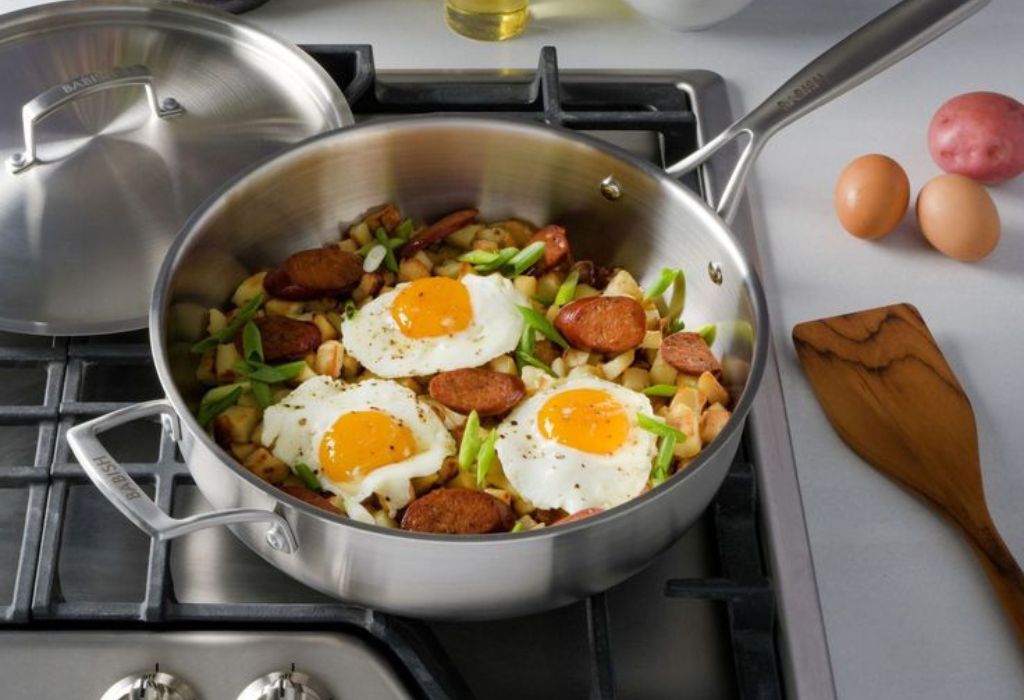
Experts recommend using high-quality induction-compatible aluminum cookware or aluminum pans with magnetic layers. Certified, flat-bottomed, or anodized aluminum pans reduce risks of warping, scratching, and inefficient heating.
Moderate heat usage and proper handling are essential. Overheating, dragging pans, or using metal utensils can damage both the cookware and the induction surface.
Induction adapters are a practical solution for non-magnetic aluminum pans. Ensure the adapter is thick, flat, and high-quality to maximize heat transfer and cooking efficiency.
Combining aluminum with other magnetic cookware, such as stainless steel or cast iron, increases kitchen versatility. Aluminum is ideal for quick heating, while heavier pans can be used for slow cooking or searing.
In summary, choosing the right aluminum cookware, using adapters when needed, and following proper handling guidelines ensures safe, efficient, and long-lasting performance on induction cooktops. This allows home cooks to enjoy the benefits of aluminum without compromising cooktop safety or cooking quality.
Can you use aluminum cookware on an induction cooktop safely?
No, regular aluminum cookware cannot be used directly on an induction cooktop because aluminum is not magnetic and cannot generate heat through electromagnetic induction.
Why doesn’t aluminum cookware work on induction cooktops?
Induction cooktops use magnetic fields to create heat within the cookware itself. Since aluminum isn’t magnetic, it doesn’t react to the cooktop’s magnetic energy.
Can aluminum cookware work on induction with special features?
Yes, some aluminum cookware is designed with a magnetic stainless-steel base. This makes it compatible with induction cooktops while maintaining aluminum’s quick heating ability.
How can I tell if my aluminum pan works on an induction stove?
Try the magnet test—if a magnet sticks to the bottom of the pan, it’s induction-compatible. If it doesn’t, the pan won’t work on an induction cooktop.
Can I use an induction converter plate with aluminum cookware?
Yes, an induction interface disc (converter plate) allows you to use non-magnetic pans like aluminum by acting as a magnetic bridge between the cookware and the cooktop.
Does using a converter plate affect cooking performance?
Yes, it slightly reduces efficiency because the plate adds an extra layer, causing slower heating and less responsive temperature control.
Is it safe to use aluminum cookware on induction cooktops with a converter plate?
Yes, it’s safe as long as you use a high-quality converter plate and ensure good contact between the plate, pan, and cooktop.
Will using non-induction aluminum cookware damage the cooktop?
No, but the cookware won’t heat up. The cooktop simply won’t activate unless it detects a magnetic base.
Are anodized aluminum pans induction compatible?
Not by default. Anodizing strengthens the aluminum but doesn’t make it magnetic. However, some anodized pans include a steel plate to make them induction-safe.
What’s the best option for using aluminum cookware on induction?
Choose induction-ready aluminum cookware with a magnetic stainless-steel base or use a converter plate for occasional use—this ensures safe, efficient cooking on induction stoves.
Conclusion
Aluminum cookware can be safely used on induction cooktops when appropriate adapters or magnetic-layered pans are employed. Its lightweight design, fast heating, and even heat distribution make it a practical option for daily cooking.
Using induction-compatible aluminum pans or adapters ensures proper heat transfer and preserves the cooktop surface. Awareness of heat limits, proper utensil use, and careful handling further protect both the cookware and the appliance.
Understanding potential risks, such as non-magnetic properties or warping, allows home cooks to use aluminum responsibly on induction surfaces. Regular inspection and replacing damaged cookware enhance safety and maintain consistent cooking performance.
Ultimately, aluminum cookware provides a versatile and efficient solution for induction cooking. When used correctly, it delivers reliable results, energy efficiency, and convenience while ensuring the longevity of both the cookware and the induction cooktop.

I’m Emma J. Caldwell, the founder, lead writer, and home-cooking enthusiast behind KitchenGuideCo.com. With a background in culinary arts and over a decade of cooking experience in both professional and personal kitchens, I created this platform to demystify recipes, offer smart kitchen gadget reviews, and guide readers through meal prep with confidence and clarity.