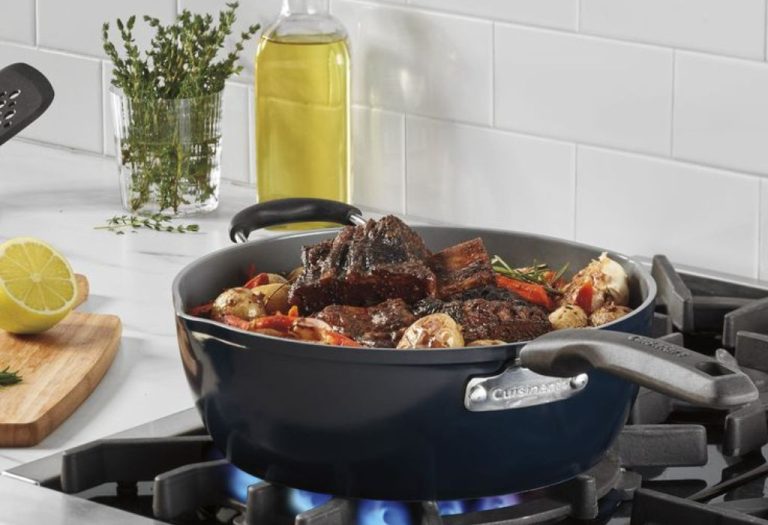
A gleaming glass cooktop can feel like the centerpiece of a modern kitchen, reflecting light and promising sleek efficiency. Yet, for many home cooks, the question lingers: can you use cast iron cookware on glass top stoves safely?
Cast iron is a classic kitchen favorite, valued for its durability and heat retention. On the other hand, glass-ceramic cooktops are elegant but fragile, prone to scratches, chips, and stains if handled improperly.
The two seem at odds, creating a dilemma for anyone who wants both style and tradition in their cooking space.
Consider this: a standard 12-inch cast iron skillet weighs nearly 8 pounds when empty. Add food, and the weight pressing down on the smooth glass surface increases dramatically.
Consumer surveys show only around 2% of glass cooktops suffer cracks, but cosmetic scratches are far more common. The risks are real, yet countless kitchens continue to blend the old-world charm of cast iron with the sleek appeal of glass.
How Glass-Ceramic Cooktops Work
Glass-ceramic cooktops are engineered to withstand intense heat while maintaining a flat, elegant surface. Beneath the glass, radiant elements or induction coils generate heat.
In radiant models, glowing burners heat the glass, which transfers warmth to the cookware above. In induction models, magnetic energy directly excites the pan itself, leaving the glass cooler but still delicate.
The flat, exposed surface is both the strength and weakness of these cooktops. Without raised grates or coils, the cookware rests directly on the glass. This design allows even heat transfer, but it also means every ounce of weight, every rough edge, and every grain of residue is pressing straight into the fragile layer. That’s why cookware choice is critical for performance and longevity.
Why Cast Iron Raises Concerns
Cast iron is unique among cookware because of its heft and surface texture. A typical skillet weighs between six and eight pounds when empty, far heavier than stainless steel or aluminum pans.
When loaded with food, the pressure on a glass cooktop can be immense. Set it down too roughly, and the impact can create chips or cracks that are costly to repair.
The base of cast iron is another concern. Unlike the polished bottoms of stainless steel pans, many cast iron skillets are coarse. Seasoning can flake, rust can form, and manufacturing imperfections can leave uneven ridges.
Slide this across a glass surface, and it acts like sandpaper. Over time, small scratches accumulate into dull streaks that ruin the glossy look.
Heat is also a factor. Cast iron retains heat long after the burner is turned off. That stored energy radiates into the glass below, sometimes leaving faint scorch rings.
If sugar or oil spills occur, they can bake onto the glass, bonding in a way that requires scraping or chemical cleaners to remove.
Manufacturer Guidelines on Cast Iron
Appliance makers provide mixed advice on cast iron. GE, for example, explicitly warns against bare cast iron on radiant glass tops because of its tendency to scratch and stain.
Whirlpool and Maytag, however, suggest cast iron is safe if used properly. Their guidance emphasizes careful placement, lifting instead of sliding, and keeping both pan and surface clean.
Many manufacturers highlight enameled cast iron as a safer option. The enamel creates a smoother bottom that glides more easily across the glass, minimizing abrasion.
Dutch ovens and enamel-coated skillets often fall into this category. These pieces offer the benefits of cast iron with reduced risk to the cooktop.
The unifying message across manuals is that risk is more about handling than the cookware itself. Even the most delicate surface can survive cast iron if treated gently. Conversely, reckless handling can damage glass regardless of what pan you use.
Selecting the Right Cast Iron for Glass Tops
Not every piece of cast iron belongs on a glass cooktop. Choosing wisely makes a significant difference. Flat-bottomed cookware is essential.
A warped or rounded base wobbles and distributes pressure unevenly, leading to scratches or hot spots. Modern cast iron is often ground flatter than vintage models, offering safer contact.
Enameled cast iron is strongly recommended. The coating smooths the bottom and prevents seasoning flakes from rubbing off. It also stops rust, which can otherwise leave reddish stains on the glass. While heavier than bare cast iron, enameled models are gentler on the surface.
Weight is another consideration. While all cast iron is heavy, newer brands sometimes design lighter pieces without sacrificing performance.
Choosing a slightly smaller skillet or a model marketed as “lightweight cast iron” reduces strain on the cooktop. Matching cookware size to burner size further improves safety, preventing overhang that forces you to reposition pans unnecessarily.
Safe Techniques for Using Cast Iron on Glass Tops

The most important factor in preventing damage is technique. The rule every glass cooktop owner must follow is simple: lift, don’t slide. Sliding is the fastest way to scratch the surface. Always place pans down carefully and lift them completely when moving.
Before cooking, inspect the bottom of your skillet. Any grit, crumbs, or sticky residue will press into the glass under the pan’s weight. Cleaning the base with a damp cloth ensures smooth contact. The glass surface itself should also be spotless before use.
Heat management is another step in safety. Start with medium heat and increase gradually. Jumping straight to high settings can stress the glass and the pan. Cast iron heats slowly but retains warmth, so preheating in stages protects both cookware and cooktop.
After cooking, never leave a hot cast iron pan resting on the glass. The intense stored heat can leave scorch rings or discoloration. Transfer the pan to a trivet or cooling rack immediately. These small steps protect your cooktop from cumulative wear.
Cleaning a Glass Top After Cast Iron Cooking
Cleaning is essential for preserving the glossy appearance of glass. Everyday spills can be handled with warm water and dish soap, but the surface must be cool first. Wiping while hot risks smearing residues into hardened stains.
For tougher messes, a paste of baking soda and vinegar provides gentle abrasion without scratching. Spread the paste, let it sit for ten minutes, then wipe with a soft cloth. For hardened sugar or oil, a razor scraper used at a shallow angle can lift the residue safely.
Commercial cleaners designed for glass cooktops can also restore shine and remove cloudy films. Always avoid steel wool, abrasive powders, or rough pads, which may cause more harm than the stains themselves.
Regular weekly deep cleaning prevents residue from building up, which helps minimize scratches from future cooking sessions.
Common Issues and Solutions
Even with the best care, cast iron may leave its mark. Fine scratches are one of the most common problems. They rarely affect cooking performance but diminish the aesthetic of the cooktop. Switching to enameled cast iron or placing a diffuser between pan and glass can slow the appearance of new scratches.
Scorch marks occur when cast iron radiates heat for too long on the glass. Cooktop cleaners usually remove these stains, though persistent rings may remain faintly visible. Adjusting technique—especially by removing the pan quickly after cooking—helps prevent recurrence.
Another challenge is rough pan bottoms. If rust or flaking seasoning makes the surface abrasive, smoothing it with fine-grit sandpaper or scrubbing with coarse salt and oil can restore safety. Always dry and reseason afterward to prevent further rust.
If chips or cracks appear near heating elements, however, the issue is serious. Unlike cosmetic scratches, these flaws can spread under stress. At that point, replacement of the cooktop is the only safe option.
Alternatives to Cast Iron
Some cooks prefer to avoid the risks entirely by choosing alternative cookware. Carbon steel is often the closest substitute for cast iron.
It is lighter, smoother, and heats more quickly, yet it still retains many of the same cooking benefits. For glass tops, it provides peace of mind without sacrificing performance.
Stainless steel is another excellent option, especially when layered with an aluminum or copper core. This construction provides even heating while ensuring a smooth, scratch-resistant bottom. Stainless steel lacks the heat retention of cast iron but excels in versatility and everyday use.
Enameled steel and modern nonstick pans are also safe choices. Their lightweight design makes them easy to handle, and their smooth bases protect the cooktop. The trade-off is durability, as nonstick coatings wear over time. Still, they remain practical complements to heavier cookware.
Using a combination of cookware types can offer the best of both worlds. Reserve cast iron for searing, baking, and oven work, while relying on stainless or carbon steel for quick stovetop meals. This balance keeps your glass cooktop protected without forcing you to abandon cast iron entirely.
Best Practices for Long-Term Success
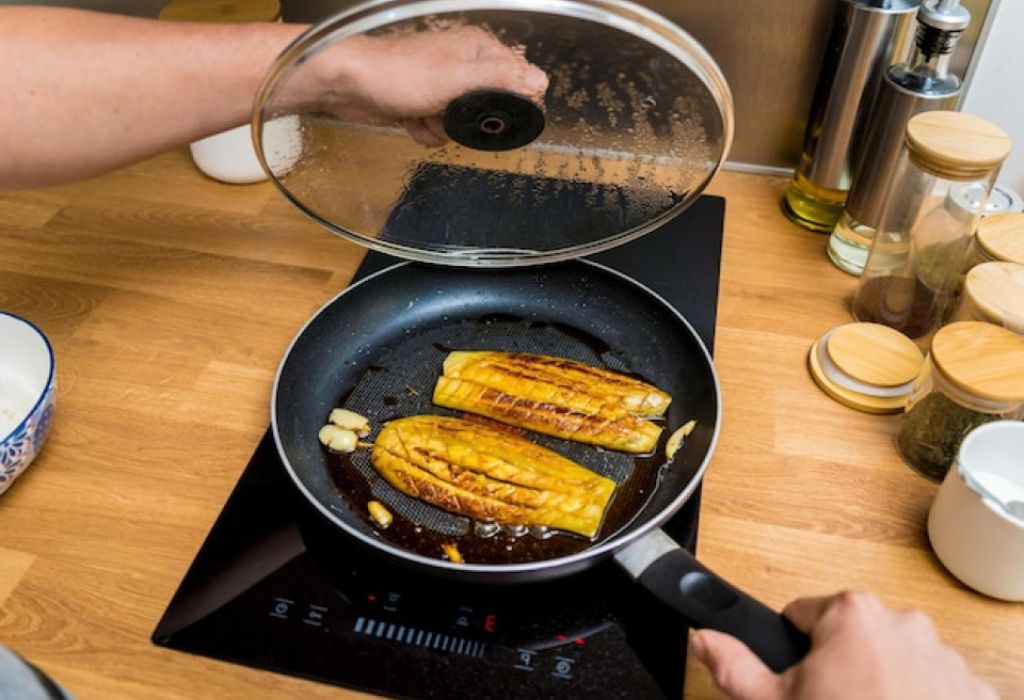
Maintaining a glass cooktop with cast iron requires consistency. Always clean pans and surfaces before use. Always lift rather than slide. Always remove cookware promptly after cooking. These simple habits prevent most problems.
Heat diffusers are worth considering for heavy pots. They distribute weight more evenly and buffer the glass from direct heat. Diffusers also provide stability when cooking with round-bottomed cast iron, adding an extra layer of protection.
Spills should be addressed immediately. Sugary or syrupy foods that spill onto a hot glass surface harden into crusts. If a cast iron pan presses over them, the hardened material scratches the glass. Treating your cooktop like a delicate mirror—never leaving it dirty—ensures long-lasting beauty.
Above all, follow your manufacturer’s recommendations. Appliance companies know the tolerances of their products. Respecting those guidelines keeps warranties intact and prevents costly mistakes.
Conclusion
So, can you use cast iron cookware on glass top stoves safely? The answer is yes, but only with the right approach. Cast iron is not inherently dangerous, but its weight, texture, and heat retention demand extra care.
The key lies in preparation and handling. Choose flat, smooth, or enameled cast iron whenever possible. Always lift your cookware instead of sliding. Keep both the pan and cooktop meticulously clean, and avoid leaving hot pans on the glass after cooking.
For those who remain uncertain, alternatives like carbon steel or stainless steel provide peace of mind without sacrificing performance.
But for those committed to cast iron, the timeless skillet can indeed coexist with the modern cooktop. With knowledge and care, your glass surface will remain as brilliant as the day it was installed, while your cast iron continues to deliver meals that last a lifetime.

I’m Emma J. Caldwell, the founder, lead writer, and home-cooking enthusiast behind KitchenGuideCo.com. With a background in culinary arts and over a decade of cooking experience in both professional and personal kitchens, I created this platform to demystify recipes, offer smart kitchen gadget reviews, and guide readers through meal prep with confidence and clarity.