Many people have accidentally poured dish liquid into their dishwasher when the detergent ran out because it seems like a harmless substitute.
Dish soap cleans well in the sink, removes grease effectively and looks similar to dishwasher detergent, so the mistake feels logical at first. But the moment the dishwasher starts running, something completely unexpected begins to happen.
Inside the appliance, the dish liquid reacts with high pressure spray arms and intensely circulating water.
The foaming agents inside the soap begin multiplying rapidly, producing bubbles much faster than the machine can handle. Within minutes, the dishwasher basin fills with thick foam that rises toward the door seal.
When the foam grows too large, it escapes through the smallest gaps around the door. The bubbles spill onto the floor, creating a slippery mess that spreads quickly across the kitchen.
Many people experience panic at this moment because the machine continues pushing water and soap into the system even as foam pours out.
Dishwashers are designed for low sudsing detergents, not the thick lather produced by dish liquid.
The entire cleaning mechanism relies on controlled water movement, enzyme based detergent and carefully balanced temperatures. When dish liquid enters this controlled environment, it disrupts every part of the cleaning cycle.
Understanding why this reaction occurs helps prevent damage and stress. Knowing how to fix the problem when it happens gives you confidence the next time detergent runs out.
With the right information, you can protect your dishwasher from foam overload and keep your kitchen safe from unexpected messes.
Why Dish Liquid Creates Suds In Dishwashers
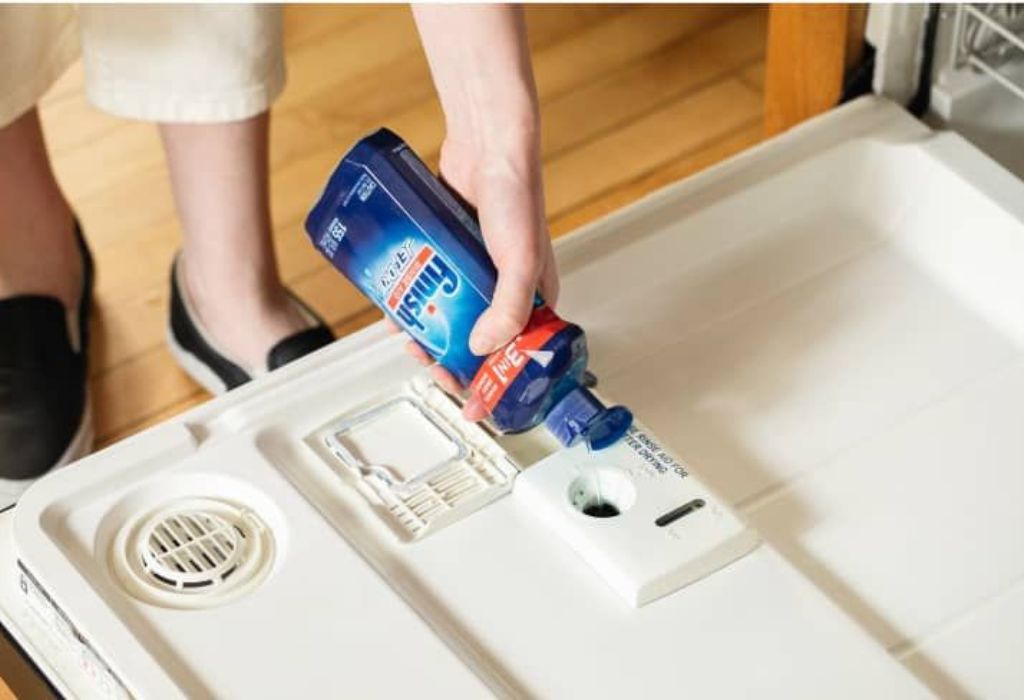
Dish liquid is made with foaming agents that create thick bubbles when mixed with water and air. These bubbles are helpful when washing dishes by hand because they trap grease and food particles easily.
Inside a dishwasher, however, these bubbles expand far beyond what the machine can contain.
The spray arms inside a dishwasher rotate with significant pressure, forcing water through narrow openings.
When dish liquid enters this environment, the combination of motion, heat and water pressure multiplies the foam quickly. This rapid reaction fills the entire tub with suds within minutes.
Dishwasher detergent contains low sudsing ingredients because foam interferes with water flow. The machine needs clear water movement to rinse dishes properly. When the system fills with foam, the water pump cannot function as it should.
The overflowing suds block filters, coat spray arms and enter the drain path. Foam is lightweight but dense enough to confuse the float sensor that measures water levels. When the sensor receives false signals, the machine stops mid cycle or behaves unpredictably.
As the dishwasher attempts to continue operating, the foam pushes against the door seal. The seal is designed to contain liquid water, not expanding bubbles. When bubbles squeeze through the gaps, they spill onto the floor.
The foam leaves slippery residue on racks, walls and internal components. This residue takes multiple rinse cycles to remove fully. Because dish liquid is not formulated to rinse clean in high pressure systems, it sticks stubbornly to surfaces.
Understanding the behavior of dish liquid prevents major clean up work and protects your kitchen floor from unnecessary flooding.
What Happens When You Use Dish Liquid In A Dishwasher
When dish liquid enters a dishwasher, its foaming action triggers a chain reaction that the appliance cannot control. The bubbles fill the basin faster than water can drain. This leads to a sudden overflow that catches many homeowners by surprise.
The first sign of trouble is usually the sound of the dishwasher struggling. The spray arms begin hitting pockets of foam instead of water. This reduces pressure, slows rinsing and forces the machine to work harder.
Inside the dishwasher, the foam coats every surface. Plates, bowls and glasses come out covered in slippery residue instead of being clean. This residue feels difficult to remove because the soap binds to surfaces inside the high heat environment.
The drain pump becomes overwhelmed because it is built to handle liquid water only. When it tries to remove foam, it cannot generate enough suction. This causes the cycle to fail midway.
Moisture collects beneath the dishwasher when foam escapes from the bottom. Water may also reach electrical components that are not designed for exposure. This becomes a safety concern if not cleaned quickly.
Even after the dishwasher stops, the foam continues expanding because dish liquid keeps reacting with leftover water. The cleaning process becomes longer and more complicated than expected.
Dish liquid does not permanently ruin a dishwasher, but the short term mess and effort required to clean it make the mistake frustrating for anyone experiencing it.
Will the overflow stop on its own?
No, the foam continues expanding until water stops circulating.
Can dish liquid damage the door seal?
Repeated overflow can weaken or stretch the seal over time.
Are dishes safe after using dish soap?
They must be rinsed thoroughly to remove slippery residue.
Does the soap affect the heating element?
Foam traps moisture that may disrupt heat distribution.
Can one mistake cause permanent damage?
Most issues are temporary if cleaned correctly and quickly.
How To Fix A Dishwasher Filled With Suds
The first step to fixing a sudsy dishwasher is to stop the cycle immediately. Turning it off prevents additional water from entering the system and reduces further foam formation. This helps stabilize the situation quickly.
Open the dishwasher door slowly to avoid pushing the foam outward. Fast movement causes bubbles to spill more aggressively from the opening. Taking your time reduces the mess significantly.
Use a bowl or cup to scoop out suds from the bottom of the tub. Removing as much foam as possible clears space for water to settle. This helps the next steps work more effectively.
Pour cold water into the tub to calm the foam. Cold water reduces soap activity and causes bubbles to collapse faster. Warm water has the opposite effect and creates more foam.
Scoop out the mixture of water and collapsed bubbles. This reduces the remaining soap concentration and makes rinsing easier. Repeat the step several times if needed.
After removing the foam, run a cold rinse cycle without detergent. This cycle pushes leftover soap through the drain. You may need two or three rinse cycles to remove all traces.
If foam reappears, repeat the cold water rinse. Dish liquid is persistent and may take time to fully clear. Staying patient ensures the dishwasher returns to normal.
These steps restore proper water flow and make the appliance safe to use again without long term issues.
Why Dishwasher Detergent Is Completely Different
Dishwasher detergent is formulated specifically for machines that use high pressure water and high heat. The composition allows it to break down food particles without producing foam. This difference is essential for preserving appliance performance.
The enzymes inside dishwasher detergent target proteins, fats and starches. These enzymes activate only under certain temperatures, making them ideal for dishwasher cycles. They work without creating bubbles.
Dishwasher detergent dissolves quickly in hot water but rinses off completely. This prevents residue from sticking to dishes or clinging to the interior walls of the machine. The final rinse always removes any remaining particles.
The granules in detergent are engineered to withstand powerful spray systems. They dissolve at the right moment in the cycle rather than breaking down too early. This ensures optimal cleaning.
Dishwasher detergents protect internal components by preventing mineral and grease buildup. Their formula helps reduce scaling and blockage. This helps maintain appliance longevity.
Using any other product disrupts this carefully controlled system. Substitutes break down unpredictably, causing foaming, residue and mechanical strain.
This is why dish liquid should never replace dishwasher detergent, even in small amounts.
Common Mistakes People Make When Replacing Detergent
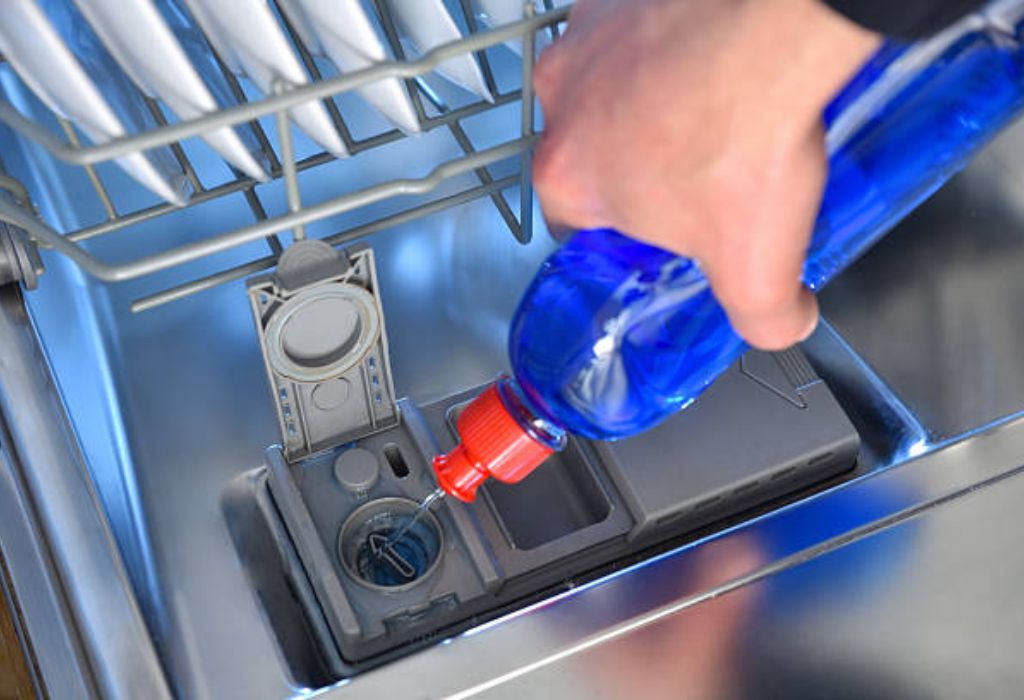
Many people assume a small amount of dish liquid will not cause a problem. Even a tiny amount can produce enough foam to overflow. This makes dish liquid unsafe at any quantity.
Some try combining dish liquid with salt or vinegar, hoping it will reduce bubbles. This mixture still produces heavy foam under pressure. The dishwasher reacts the same way regardless of dilution.
Laundry detergent is another unsafe substitute. Laundry products generate even more suds than dish liquid. They also contain fragrances and chemicals unsuitable for kitchenware.
Shampoo or body wash appears harmless, but these products contain thick lathering ingredients. Dishwashers magnify their bubbles instantly. This makes them just as risky.
People sometimes use bar soap shavings in desperation. Bar soaps dissolve unevenly and leave heavy residues. These residues clog the filter and trap odors.
Some attempt to use dishwasher pods while the machine is overloaded. Overloading restricts detergent flow and reduces cleaning efficiency. It also causes food to redeposit onto dishes.
Avoiding these mistakes keeps your dishwasher running safely and efficiently.
Safe Alternatives When You Run Out Of Dishwasher Detergent
Baking soda is one of the safest emergency substitutes. It deodorizes the dishwasher and removes mild residue without foaming. This makes it a useful temporary solution.
White vinegar can be added to the rinse compartment. It cuts grease and helps sanitize dishes. Vinegar rinses clean without causing buildup.
Warm water cycles can clean lightly used dishes. Water pressure alone removes surface dirt. This works only when dishes are not heavily soiled.
Washing soda may be used in very small amounts. It cleans effectively but should be added cautiously. Using too much causes cloudiness on glassware.
Rinsing dishes thoroughly before loading helps reduce detergent needs. A rinse only cycle may finish cleaning without adding products. This is helpful during emergencies.
These alternatives are temporary solutions only. Proper dishwasher detergent should be purchased as soon as possible to restore optimal washing performance.
Is baking soda safe for the dishwasher?
Yes, it cleans lightly and produces no foam.
Can vinegar replace detergent fully?
No, it helps rinse but does not remove heavy grease.
Is washing soda better than baking soda?
It is stronger but must be used in very small amounts.
Can I use only hot water as a cycle?
Hot water helps but works only on lightly soiled dishes.
Do these alternatives affect the dishwasher long term?
No, they are safe when used occasionally and correctly.
How Suds Affect Dishwasher Sensors And Pumps
The float sensor detects water levels inside the dishwasher. When foam enters the chamber, it triggers a false reading. This causes the machine to stop or restart unexpectedly.
The drain pump cannot move suds because foam lacks liquid density. The pump struggles to create suction and becomes noisy. Over time, this strain reduces its efficiency.
Foam blocks drain paths and reduces water flow. When bubbles fill narrow drain tubing, the dishwasher drains slowly. This causes standing water after the cycle ends.
Suds also coat heating elements, making drying inefficient. Moisture remains trapped beneath foam, leaving dishes wet after cleaning. This problem continues until all residue is removed.
Sensors coated with soap film read incorrectly. This affects cycle timing, water temperature and drainage patterns. Incorrect readings cause inconsistent results.
Repeated exposure to suds weakens mechanical components. This may lead to long term performance issues. Avoiding dish liquid prevents these complications.
How To Rinse And Reset The Dishwasher After A Sudsy Cycle
Begin by removing any remaining foam or water from the bottom of the dishwasher. Clearing this area ensures the rinse cycle works effectively. It also prevents further bubble formation.
Fill the bottom with fresh cold water. Cold temperatures stop suds from reacting further. Foam begins to collapse naturally.
Remove the water and foam mixture with a container. This reduces the amount of soap left inside the appliance. Removing residue manually speeds up the cleaning process.
Run a cold rinse cycle without detergent. The rinse pushes leftover soap through the drain system. This begins clearing internal residue.
Open the dishwasher door to check for remaining foam. Bubbles often hide around the door edges and filter. Wipe these areas with a damp cloth.
Repeat another rinse cycle if needed. Some dish liquid requires multiple flushes to remove completely. Persistence ensures the system becomes fully clean.
Reset the dishwasher by turning it off at the power source for a short time. Resetting helps sensors recalibrate correctly. This step ensures the dishwasher runs normally afterwards.
Preventing Soap Related Dishwasher Problems
Keep dishwasher safe detergent available at home to avoid running out. Having extra supplies prevents emergency situations. This simple habit protects your appliance.
Store dish liquid away from the dishwasher compartment. Separate storage reduces accidental misuse. Clear labeling helps avoid confusion.
Explain detergent rules to children and guests. Shared appliances need shared understanding. This prevents repeat mistakes.
Clean filters regularly to prevent buildup. Filter blockages worsen foam overflow. Clean filters allow smooth drainage.
Inspect the dishwasher door seal for residue. Foam often sticks to the rubber seal. Cleaning the seal improves leak protection.
Check the dishwasher after each cycle for unusual signs. Early detection prevents severe problems. Small actions reduce long term issues.
Should I keep backup detergent at home?
Yes, having extra detergent prevents emergencies.
Can wrong soap damage the filter?
Foam residue can clog the filter and slow drainage.
Does the door seal need regular cleaning?
Yes, residue from foam can stick to the rubber seal.
How often should I inspect the dishwasher?
A quick check after each cycle helps spot early issues.
Can labeling detergents prevent mistakes?
Clear labels and separate storage reduce accidental misuse.
Long Term Effects Of Using The Wrong Soap
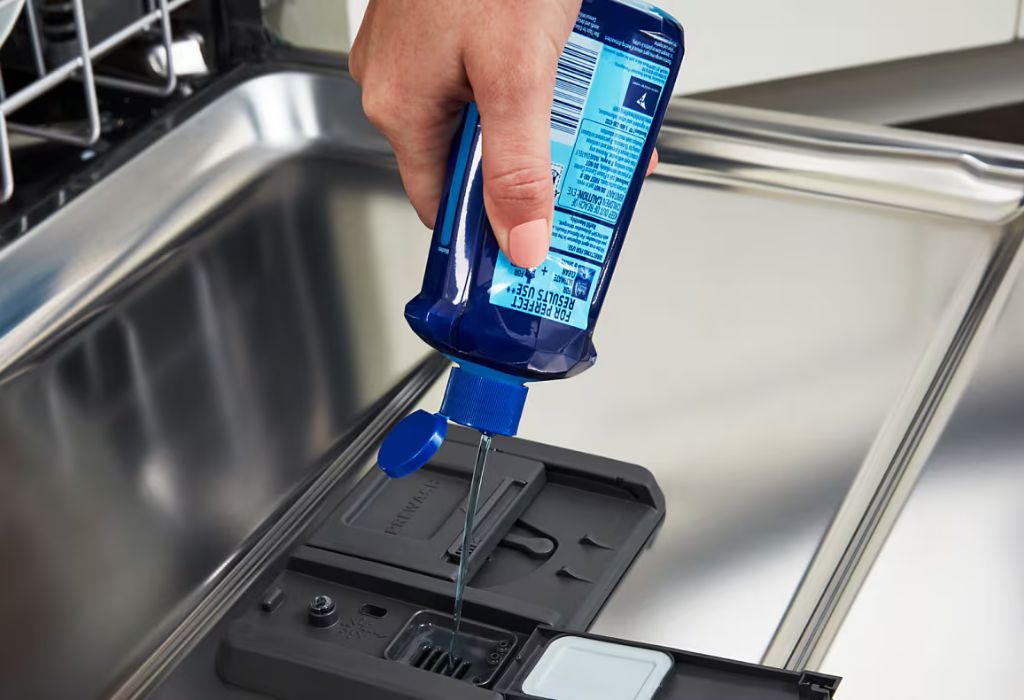
Using dish liquid repeatedly wears down internal parts. The pump faces extra resistance every time foam enters the drain. This stress shortens the pump’s lifespan.
The heating element becomes coated with soapy residue. Residue traps moisture and affects heat distribution. Over time, the element may become less effective.
Interior walls accumulate soap film that becomes sticky. Sticky surfaces trap odors and bacteria. This makes the machine harder to sanitize.
Drain hoses fill with soap buildup. Buildup slows water movement and creates partial clogs. This leads to standing water after cycles.
Spray arms become blocked with residue. When spray holes clog, water pressure decreases. Cleaning performance drops significantly.
Sensors covered in film provide inaccurate readings. Inconsistent readings lead to faulty cycles. This affects both cleaning and drying.
These long term effects highlight the importance of using proper detergent. Correct care keeps your dishwasher efficient and safe.
Conclusion
Using dish liquid in a dishwasher may seem like a simple solution when detergent runs out, but the consequences show why the two products cannot be treated interchangeably.
The foam expands far beyond the dishwasher’s design and creates a mess that spreads quickly across the kitchen. Understanding the risks helps homeowners avoid unexpected stress and appliance damage.
Foam interferes with spray arms, pumps and sensors that the dishwasher relies on to function smoothly. Once suds take over, the machine struggles to clean, drain and rinse properly.
Knowing how to fix the issue with cold water, manual removal and repeated rinses helps restore the dishwasher safely.
The best approach is prevention by keeping proper detergent on hand and storing dish liquid separately. Learning safe alternatives in emergencies offers temporary solutions without causing foam overflow.
With consistent care and awareness, your dishwasher remains reliable, clean and ready to handle daily kitchen tasks without trouble.

I’m Emma J. Caldwell, the founder, lead writer, and home-cooking enthusiast behind KitchenGuideCo.com. With a background in culinary arts and over a decade of cooking experience in both professional and personal kitchens, I created this platform to demystify recipes, offer smart kitchen gadget reviews, and guide readers through meal prep with confidence and clarity.