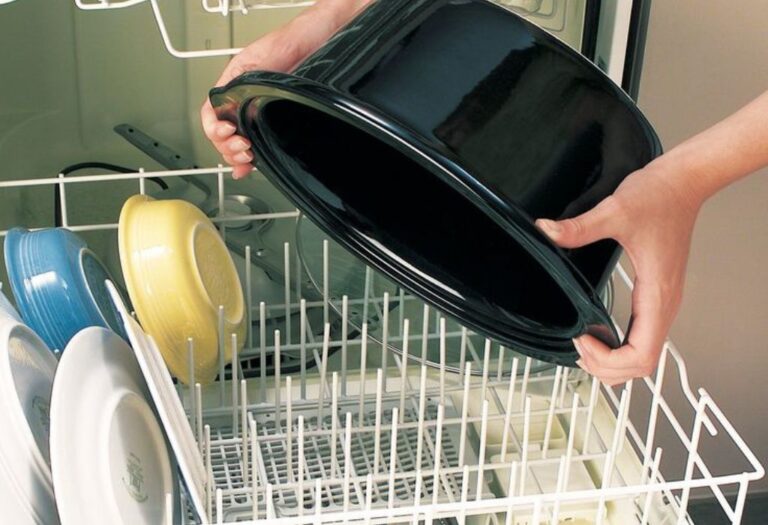
Imagine finishing a large meal and reaching for your dishwasher, only to realize you’re out of dishwasher detergent. You glance at the dish soap in the sink and wonder, “Can I just use this instead?” While this may seem like a convenient solution, using dish soap in a dishwasher can create major problems.
Dish soap is formulated for hand washing dishes, not high-pressure, high-heat cycles of a dishwasher. It produces suds that can overflow, damage the machine, and leave residue on your dishes. Understanding why dish soap and dishwasher detergent differ is key to safe cleaning practices.
Using the wrong cleaning agent can lead to messy kitchens, wasted water, and even appliance damage. People often make this mistake out of convenience, unaware of the potential consequences. A small decision like this can result in hours of cleanup and potential long-term harm to your dishwasher.
Dishwasher detergents are specifically engineered to dissolve grease, prevent residue, and function in high temperatures. In contrast, dish soap creates suds and foam that dishwashers cannot handle. Using the wrong type of soap compromises both cleanliness and appliance performance.
In this comprehensive guide, we will explore the differences between dish soap and dishwasher detergent. We will also cover safe alternatives, the consequences of using the wrong soap, and tips to recover if a mistake happens. By the end, you’ll know exactly how to clean your dishes safely and protect your dishwasher.
Differences Between Dish Soap and Dishwasher Detergent
Dish soap is formulated for hand washing dishes, while dishwasher detergent is designed for machine cleaning. Dish soap creates large amounts of suds to lift grease and food residue manually. In contrast, dishwasher detergent produces minimal foam, allowing high-pressure water jets to clean effectively.
Dishwasher detergent contains enzymes and chemicals that break down tough food stains. These enzymes target proteins, starches, and fats that dish soap cannot dissolve as efficiently. This ensures thorough cleaning in high-temperature water without leaving residue.
Dish soap is designed to be gentle on skin and hands. Its formula focuses on cleaning while minimizing irritation during manual scrubbing. Dishwasher detergent, however, is more concentrated and can damage skin, making it unsuitable for hand washing.
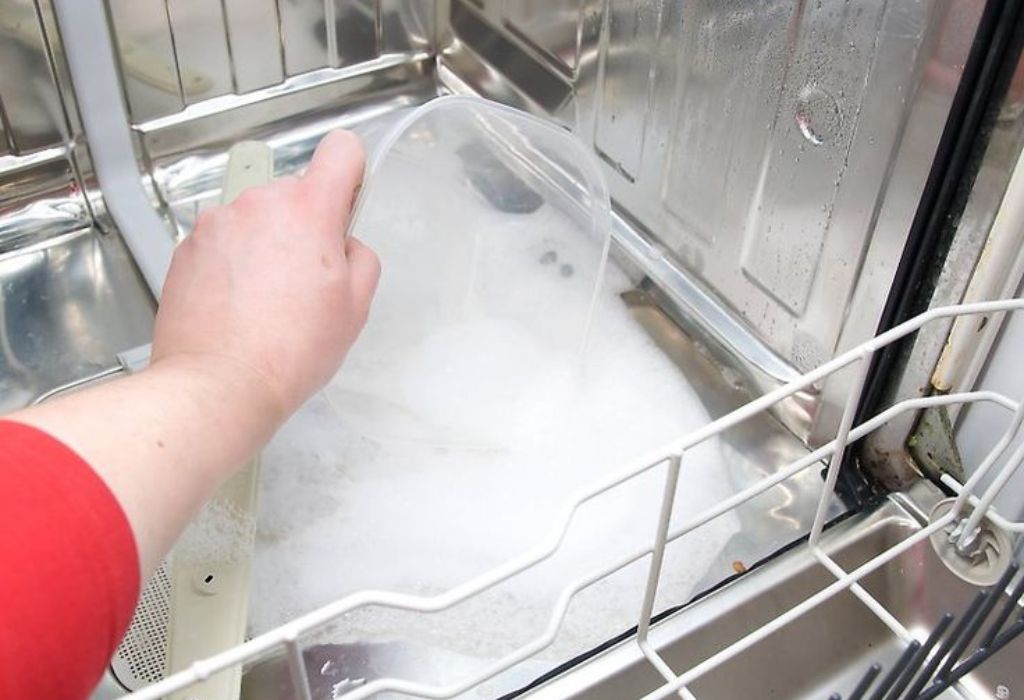
Dish soap suds excessively in a dishwasher, causing foam overflow and leaks. Dishwashers are not equipped to handle the frothy volume produced by hand soap. Overflowing foam can flood the kitchen and damage the appliance over time.
Dishwasher detergent also includes water softeners and anti-residue agents. These prevent mineral buildup and water spots on dishes. Dish soap lacks these components, which can leave streaks and cloudy residue if used in a machine.
The pH level of dishwasher detergent is specifically balanced for high-temperature cleaning cycles. This ensures grease and grime break down efficiently without damaging the appliance or dishes. Dish soap is formulated for lukewarm or cool water, making it ineffective in dishwasher cycles.
Using dish soap in a dishwasher can result in poor cleaning performance. The soap may not remove tough stains or baked-on food effectively. This can leave dishes sticky, greasy, or spotted after the cycle completes.
In summary, dish soap and dishwasher detergent differ in formulation, suds production, chemical composition, and cleaning efficiency. Using the right detergent ensures cleanliness, appliance safety, and a hassle-free experience. Misusing dish soap can create a messy, costly problem.
Why Dish Soap Creates Too Much Foam in Dishwashers
Dish soap is formulated with high amounts of surfactants that create suds when agitated in water. Surfactants reduce surface tension, allowing soap to trap air and create foam. In a dishwasher, these suds quickly expand beyond what the machine can handle.
Hand washing relies on suds to lift food particles from dishes. The bubbles help loosen grease and grime manually. Dishwashers, however, use jets of high-pressure water that do not require foam to clean effectively.
Using dish soap in a dishwasher causes foam to overflow from the machine. The suds can spill onto countertops, floors, or surrounding cabinets. This creates a large, messy cleanup task that can damage flooring and nearby items.
The mechanical agitation in dishwashers exacerbates sudsing. Spray arms rotate at high speeds, forcing water through dishes and racks. This motion causes the foam to multiply rapidly, overflowing the dishwasher.
Dish soap lacks the enzymes and water-softening agents found in dishwasher detergent. Without these, grease and mineral deposits are not properly broken down. The soap suds build up instead of dispersing, leading to foam accumulation.
High foam levels can interfere with cleaning efficiency. Dishes may remain sticky or coated with soap residue. The suds prevent proper circulation of water and detergent during the cycle.
Using too much dish soap compounds the problem. Even a small amount can create excessive suds, but larger quantities can completely clog drains and filters. This can lead to appliance malfunction and long-term damage.
In summary, dish soap produces foam that dishwashers are not designed to handle. Surfactants, agitation, and lack of proper chemical formulation all contribute to overflow. Understanding this helps prevent costly messes and appliance damage.
What Happens if You Use Dish Soap in a Dishwasher
Using dish soap in a dishwasher can create excessive suds, which the appliance cannot handle. The foam can overflow from the dishwasher door, flooding the kitchen floor. This often results in a large mess that can take hours to clean.
Excess suds can also damage the dishwasher’s internal components. Water may get into the motor, pump, or heating elements, causing malfunction. Prolonged exposure can shorten the lifespan of the machine and lead to costly repairs.
Dishes will likely remain dirty or sticky if dish soap is used. The foam prevents proper water circulation and detergent distribution. As a result, grease and food particles may not be removed effectively.
Dish soap may leave residue or film on plates, glasses, and utensils. This residue can be sticky, cloudy, or greasy, making dishes unsafe for immediate use. Additional rinsing or hand cleaning becomes necessary to remove leftover soap.
Dish soap can also cause clogs in the dishwasher drain. The excessive foam and suds can build up and block water flow. This can lead to slow drainage, leaks, or a complete dishwasher shutdown.
Using dish soap may trigger error codes or malfunction indicators on modern dishwashers. The appliance may detect abnormal water levels or pressure due to foam. In some cases, the dishwasher may automatically shut down mid-cycle to prevent damage.
If left unchecked, using dish soap can result in long-term damage to seals and gaskets. The suds can get trapped and deteriorate rubber components. Over time, this may lead to leaks or reduced efficiency of the dishwasher.
Ultimately, using dish soap in a dishwasher creates mess, appliance damage, and inefficient cleaning. Even a small amount can have a big impact on both dishes and the machine. It is critical to use only products designed for dishwashers to avoid these issues.
Safe Alternatives to Using Dish Soap in a Dishwasher
If you run out of dishwasher detergent, there are safer alternatives than using dish soap. Using the correct products prevents foam overflow, appliance damage, and poor cleaning results. Understanding these options ensures your dishes remain clean and your dishwasher safe.
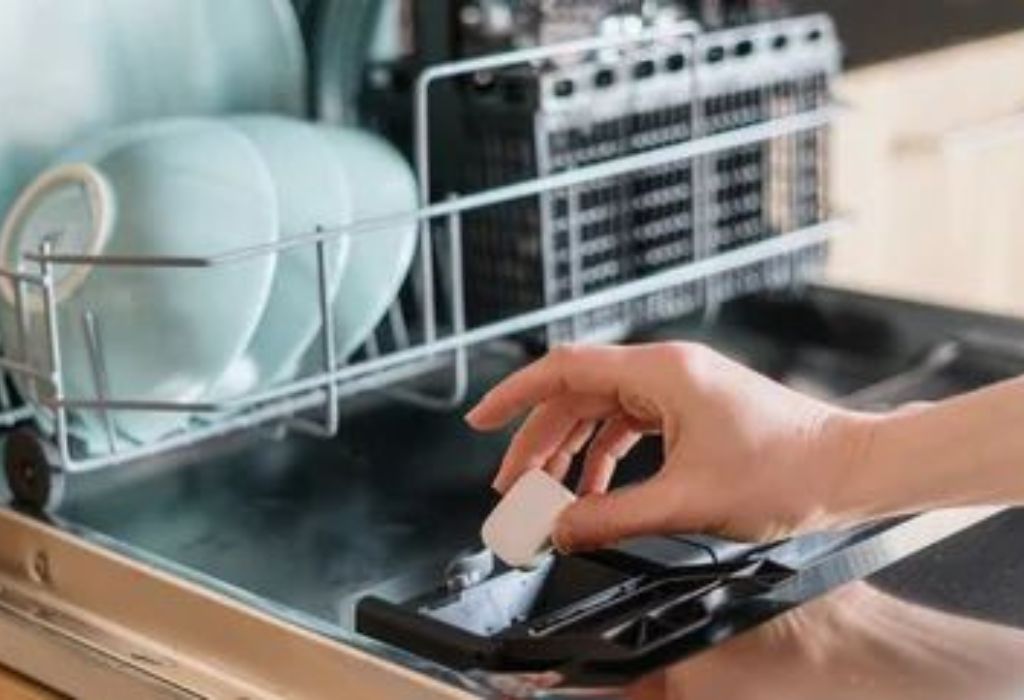
Dishwasher pods or tablets are the most convenient alternative. They contain a pre-measured amount of detergent formulated for high-temperature cleaning. Pods dissolve completely during the cycle and minimize residue, protecting both dishes and the machine.
Powdered dishwasher detergent is another safe option. It allows you to control the amount used based on load size. Powdered detergent is effective at cutting grease and removing tough food residue without creating excessive suds.
Liquid dishwasher detergent is suitable for dishwashers that support it. These detergents are designed to dissolve completely and provide consistent cleaning. They work well for everyday loads while preventing foam overflow.
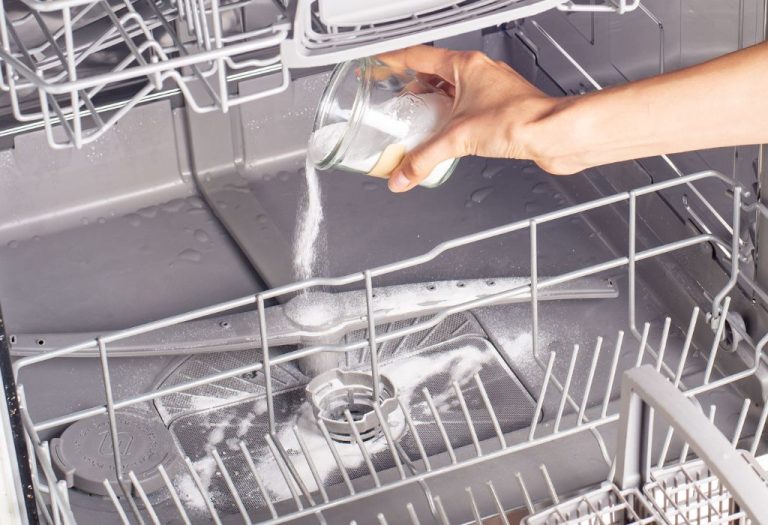
In a pinch, baking soda can be used as a temporary cleaning booster. Sprinkle a small amount into the detergent compartment to help remove odors and light stains. Baking soda alone should not replace detergent for heavily soiled dishes.
Vinegar rinses can also complement a minimal amount of detergent. Add a small cup of white vinegar in the rinse aid compartment to reduce water spots. Vinegar helps maintain shine and prevents mineral buildup on glassware and silverware.
Avoid any homemade substitutes that create suds, such as hand-washing liquid or soap flakes. These products produce foam that dishwashers cannot handle, leading to messy overflows. Stick to products specifically formulated for dishwashers to ensure safety.
For regular maintenance, keep a small backup supply of dishwasher detergent on hand. This prevents the temptation to use unsafe alternatives. Using the correct detergent consistently protects your dishwasher, dishes, and overall kitchen hygiene.
Tips to Protect Your Dishwasher When Cleaning Dishes
Proper maintenance ensures your dishwasher operates efficiently and lasts longer. Even when using the correct detergent, certain habits help prevent damage and messy spills. Following these tips protects both your appliance and your dishes.
Always scrape off large food particles before loading dishes. Solid debris can clog filters or spray arms, reducing cleaning efficiency. Pre-rinsing also minimizes the chance of residue buildup.
Place items securely in racks to prevent tipping. Overcrowding dishes can block water jets and reduce cleaning performance. Proper spacing ensures each dish is thoroughly washed.
Use top-rack placement for delicate items like glasses and plastic containers. High heat at the bottom can warp or damage these items. Top-rack placement minimizes direct exposure to heat and water pressure.
Avoid mixing dishwasher-safe and non-safe items in the same load. Non-safe items may release chemicals, coatings, or debris that affect other dishes. Keeping items separated ensures safe and effective cleaning.
Check and clean filters and spray arms regularly. Clogged components reduce water flow and detergent efficiency. Regular maintenance prevents long-term damage and keeps the dishwasher running optimally.
Use appropriate detergent amounts based on load size. Excess detergent can leave residue, while too little may not clean effectively. Following the manufacturer’s recommendations ensures best results.
Lastly, run maintenance cycles periodically using dishwasher cleaner or vinegar. This removes buildup and prevents odors. Regular care keeps the machine efficient, hygienic, and free from potential damage.
Common Mistakes When Using Dish Soap in a Dishwasher
One common mistake is using regular dish soap instead of dishwasher detergent. Many people assume it is a safe substitute, but dish soap creates excessive suds. These suds can overflow, flood the kitchen, and damage the dishwasher.
Another mistake is adding too much soap. Even a small amount of dish soap can produce more foam than a dishwasher can handle. Excessive suds lead to poor cleaning performance and potential appliance damage.
Some users mix dish soap with dishwasher detergent thinking it will boost cleaning power. This combination creates a foamy mess and can damage seals, gaskets, and internal components. Avoid combining products unless explicitly stated by the manufacturer.
Placing dishes too close together is another error. Overcrowding prevents water and detergent from circulating properly, reducing cleaning efficiency. This mistake is especially problematic when using the wrong cleaning agents.
Ignoring pre-rinsing is also common. Large food particles or grease can react with dish soap to create more foam. Scraping off excess food before starting the cycle helps minimize suds overflow.
Running the dishwasher without monitoring the first few minutes can worsen mistakes. Foam may rise quickly and flood the kitchen if no one notices. Staying nearby allows you to pause the machine and prevent extensive mess.
Some people leave the dishwasher door closed when suds start overflowing. This traps foam and water, potentially damaging electronics and seals. Opening the door carefully and removing excess suds prevents long-term harm.
Finally, using dish soap repeatedly in multiple cycles compounds the problem. Each cycle adds more foam and residue inside the machine. This can create clogs, damage internal parts, and require extensive cleaning to fix.
How to Prevent Mistakes When Using Your Dishwasher
The first step to prevent mistakes is always using the correct dishwasher detergent. Hand soap, dish soap, or other substitutes should never be used in a dishwasher. Using the right product prevents excessive suds and appliance damage.
Check the detergent compartment before each cycle. Ensure it is clean and free from leftover residue from previous washes. This prevents clogs and ensures detergent dissolves evenly.
Load dishes according to manufacturer guidelines. Avoid overcrowding, and ensure spray arms can rotate freely. Proper placement allows water and detergent to reach every dish efficiently.
Place delicate items, plastics, or painted dishes on the top rack. High heat from the bottom rack can warp or damage sensitive items. Top-rack placement protects items while maintaining effective cleaning.
Avoid using too much detergent. Excess detergent can create residue and foam, even if it is dishwasher safe. Measure according to load size and follow the instructions on the detergent package.
Regularly clean and maintain your dishwasher. Remove debris from filters, spray arms, and seals to prevent clogs. Routine maintenance ensures the dishwasher operates efficiently and safely.
Do not mix dish soap with dishwasher detergent. Combining cleaning agents can create foam overflow, poor cleaning, or machine malfunction. Stick to approved dishwasher detergents only.
Finally, monitor the first few cycles if trying a new detergent or load. This helps you notice any problems like suds overflow, poor cleaning, or leaks early. Early detection prevents costly damage and ensures optimal performance.
How to Recover if Dish Soap Was Used by Mistake
If you accidentally use dish soap in a dishwasher, act quickly to minimize damage. Stop the machine immediately and prevent the suds from overflowing further. Early intervention reduces cleanup time and potential appliance harm.
Remove as many dishes as possible and set them aside for hand washing. This prevents them from sitting in suds, which can leave residue or sticky spots. Hand washing ensures they are thoroughly cleaned.
Use a large container or towels to collect overflowing foam. Soak up suds on the floor or countertop to prevent water damage. Containing the mess quickly helps restore order to the kitchen.
Rinse out the dishwasher interior with lukewarm water. Carefully remove suds from racks, spray arms, and filters. Repeating this process may be necessary to clear all excess foam.
Check and clean the dishwasher filter and drain. Suds can clog these components, reducing efficiency and potentially causing leaks. Removing blockages ensures the dishwasher functions properly in future cycles.
Run an empty cycle with vinegar or dishwasher cleaner. This helps remove leftover soap residue and restores appliance hygiene. It also prevents lingering odors or suds from forming in subsequent washes.
Inspect gaskets, seals, and any rubber components for suds damage. Clean and dry them thoroughly to prevent deterioration. Damaged seals can lead to leaks if not properly maintained.
Finally, return dishes to the dishwasher only with proper detergent. Use manufacturer-recommended dishwasher detergent to avoid repeating the mistake. Following these steps restores dishwasher performance and prevents long-term issues.
Signs Your Dishwasher Was Damaged by Dish Soap
One of the first signs of damage is excessive suds or foam after a cycle. Even with the correct detergent, leftover dish soap can create froth that the machine cannot handle. Persistent suds indicate that residual soap has entered the dishwasher system.
Another indicator is water leakage around the door or bottom of the appliance. Foam and excess water may seep past seals, causing small leaks. This often occurs when dish soap was used instead of dishwasher detergent.
Dishes may come out sticky, greasy, or with soap residue. Dish soap suds prevent proper cleaning and circulation of water. This is a clear sign that the wrong product was used and may indicate internal buildup.
You might notice clogs in the drain or filter system. Suds and soap residue can block water flow, causing the dishwasher to drain slowly or not at all. This can lead to overflow and potential damage to internal components.
Strange noises during operation can also signal internal issues. Foam or soap residue may interfere with the motor or spray arms. Unusual sounds may indicate that components are under stress or partially obstructed.
The dishwasher may display error codes or malfunction alerts. Modern machines detect abnormal water levels or pressure caused by foam. These alerts help prevent further damage but indicate that the appliance may have been compromised.
Repeated use of dish soap may result in wear on gaskets and rubber seals. Excess suds can weaken these components over time, causing leaks or reduced efficiency. Inspecting and replacing worn parts can restore function.
Finally, if cleaning cycles are less effective despite using proper detergent afterward, it may indicate lingering damage. Soap residue can coat internal parts and reduce water flow. Proper maintenance and professional inspection can resolve these issues and restore performance.
Everything You Need to Know About Dish Soap in Dishwashers
Can I use regular dish soap in my dishwasher?
No, regular dish soap is designed for hand washing and creates excessive suds in dishwashers. This can overflow, damage the appliance, and leave residue on dishes. Always use detergent specifically formulated for dishwashers.
What happens if I accidentally use dish soap in my dishwasher?
Using dish soap can create overflowing suds and a messy kitchen. It may also damage seals, filters, and internal components. Quick action, including removing dishes and rinsing, is needed to prevent long-term damage.
Can small amounts of dish soap be safe in a dishwasher?
Even a small amount can produce excessive foam and cause problems. Dishwashers are not designed to handle suds from hand-washing soap. Using the correct detergent is always safer.
What detergent should I use instead of dish soap?
Use dishwasher detergent in powder, gel, or pod form. These are formulated for high temperatures, proper water flow, and minimal suds. This ensures dishes are clean without damaging the appliance.
Can dish soap cause long-term dishwasher damage?
Yes, excess suds can infiltrate internal components, weakening seals and gaskets. This can lead to leaks and reduce appliance efficiency. Proper care is essential to prevent lasting damage.
How can I clean up a dishwasher after using dish soap by mistake?
Stop the dishwasher immediately and remove dishes. Use towels or a container to collect overflowing suds, then rinse the interior with lukewarm water. Run an empty cycle with vinegar or dishwasher cleaner to remove residue.
Is it safe to mix dish soap with dishwasher detergent?
No, combining these products produces excessive foam and reduces cleaning efficiency. It can also cause internal damage. Always use only approved dishwasher detergents.
Can dish soap leave residue on dishes?
Yes, foam created by dish soap may prevent proper rinsing. Dishes may come out sticky, cloudy, or greasy. Hand washing or re-running the cycle with proper detergent can correct this.
How can I prevent mistakes with dishwasher cleaning?
Always check that the detergent is specifically for dishwashers. Pre-rinse dishes, avoid overfilling, and follow manufacturer instructions. Monitoring new cycles ensures any issues are noticed early.
How do I know if my dishwasher was damaged by dish soap?
Signs include persistent foam, leaks, sticky or cloudy dishes, clogs, unusual noises, and error codes. Inspect gaskets, seals, and internal components. Professional inspection may be required for extensive issues.
Conclusion
Using dish soap in a dishwasher is a common mistake that can lead to excessive suds, appliance damage, and messy cleanups. Dish soap is formulated for hand washing and produces foam that dishwashers cannot handle. Using the proper dishwasher detergent ensures optimal cleaning and protects your appliance.
Understanding the differences between dish soap and dishwasher detergent is crucial. Dishwasher detergents contain enzymes, anti-residue agents, and a chemical composition suitable for high-temperature cleaning. Dish soap lacks these elements, making it incompatible with machine cycles.
Accidental use of dish soap can result in overflow, sticky dishes, and internal component damage. Quick action—removing dishes, rinsing, and running a cleaning cycle—can minimize harm. Proper recovery prevents long-term damage and restores dishwasher function.
Preventing mistakes requires using the right detergent, proper loading, and monitoring cycles. Avoid mixing soaps, overfilling, or placing items in incorrect racks. Following manufacturer guidelines ensures safety, efficiency, and clean dishes.
Regular maintenance and inspection of your dishwasher are essential. Cleaning filters, spray arms, and gaskets prevents clogs and maintains performance. This proactive approach safeguards your appliance against damage from improper cleaning agents.
In conclusion, dish soap should never be used in a dishwasher. Always use detergent formulated for dishwashers, follow best practices, and monitor cycles for safety.
By understanding and applying these guidelines, you can ensure clean dishes and a long-lasting, efficient dishwasher.

I’m Emma J. Caldwell, the founder, lead writer, and home-cooking enthusiast behind KitchenGuideCo.com. With a background in culinary arts and over a decade of cooking experience in both professional and personal kitchens, I created this platform to demystify recipes, offer smart kitchen gadget reviews, and guide readers through meal prep with confidence and clarity.