The morning starts calmly. You rinse breakfast plates, add detergent, and press the dishwasher button. Then your phone pings—a local boil water advisory has been issued.
For a moment, you freeze, unsure what to do next. You know boiling water is necessary for safety, but what about the dishwasher? It heats water, right? The question feels small yet important, especially when it concerns your family’s health.
Across cities and towns, these advisories are more common than most people think. They usually appear after pipeline leaks, heavy rainfall, or power loss at treatment plants. Each one signals a temporary risk of harmful bacteria like E. coli or Salmonella in the water supply.
When you hear “boil water,” you imagine drinking water, coffee, or cooking—but dishwashing is another gray area. Does the high-temperature cycle make it safe, or can contaminated water still linger on plates?
This guide clears every doubt. You’ll learn what a boil water advisory means, how dishwashers use and heat water, what authorities recommend, and safe alternatives until your tap water is cleared again. Let’s explore when it’s fine to run your dishwasher—and when it’s better to wait.
Understanding What a Boil Water Advisory Means
A boil water advisory means your tap water may not be safe for consumption. It usually happens when contaminants like bacteria or viruses enter the public water system. The most common causes include main breaks, flooding, and malfunctioning filtration plants.
Health departments issue these warnings to prevent disease outbreaks. Contaminated water can cause stomach illnesses, diarrhea, or infections if consumed or used for cleaning food contact items. Boiling water to 100 °C kills most harmful organisms effectively.
Authorities often release advisories as a preventive step rather than reacting to confirmed sickness. They act quickly to protect residents until water testing confirms safety. Most advisories last anywhere from several hours to a few days.
During this time, residents are advised to use only boiled or bottled water for drinking, brushing teeth, and washing food utensils. Even cleaning baby bottles with unboiled water can pose risks.
When a community advisory appears, it affects every household appliance connected to the main water line, including your dishwasher. Understanding how these warnings work helps you decide whether your machine can run safely.
Ignoring such advisories could reintroduce harmful microorganisms into dishes or kitchen surfaces. That’s why you must know exactly how your dishwasher heats water and whether it reaches the temperatures required for sanitization.
How Dishwashers Use and Heat Water
Dishwashers rely on your home’s water supply to fill their washing chambers. Once water enters, an internal heating element raises the temperature for cleaning and rinsing. Standard cycles usually reach around 120 °F to 150 °F, while sanitizing cycles can hit 160 °F – 180 °F.
These high temperatures are crucial for dissolving grease and removing food residue. More importantly, they can kill many bacteria if sustained long enough. However, not all machines maintain this temperature consistently throughout the cycle.
Older dishwashers may depend entirely on hot water from your home’s heater, which can fluctuate. Newer models, especially NSF-certified ones, use built-in heaters that maintain specific sanitizing levels.
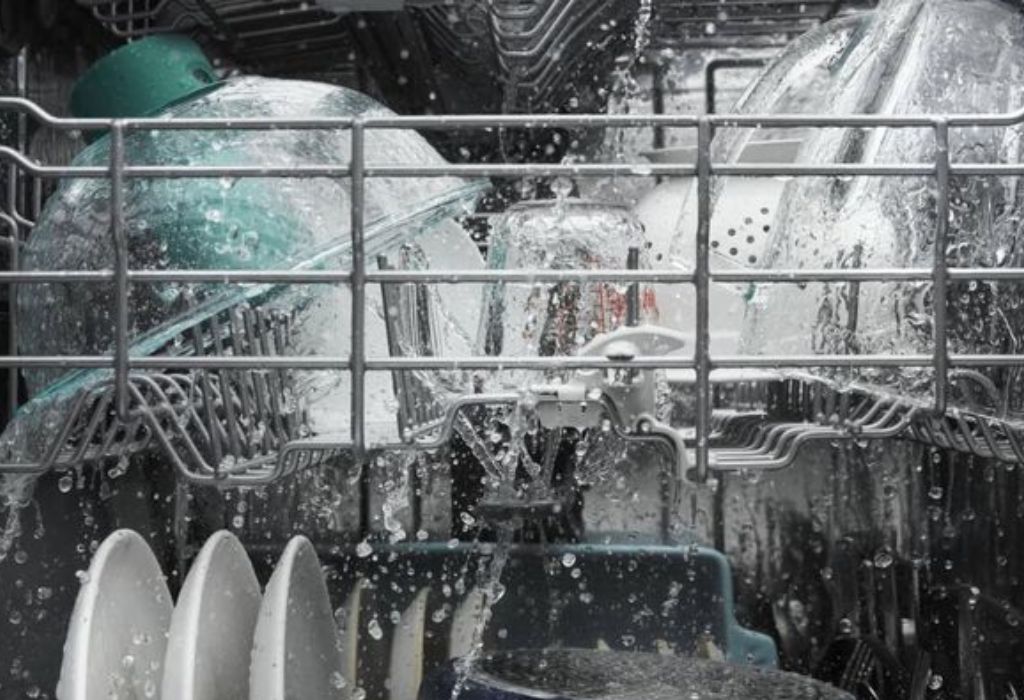
Water enters through the inlet valve, sprays through rotating arms, and drains after the rinse cycle. If incoming water is contaminated, every part of that system becomes exposed before the heating stage begins.
That’s why simply having “hot water” isn’t always enough. The question isn’t whether your dishwasher gets warm—but whether it reaches sanitizing temperature for sufficient time to kill pathogens.
Understanding this heating process helps you decide if your particular model can handle potentially unsafe tap water without risk during an advisory.
Can You Use a Dishwasher During a Boil Water Advisory?
Health authorities generally recommend not using dishwashers during a boil water advisory unless your machine has a high-temperature sanitizing cycle. The reason is simple: contaminated water may remain on dishes after the rinse cycle if temperatures are too low.
Dishwashers that heat water to at least 150 °F and hold it there for several minutes can effectively kill bacteria. However, many household models don’t maintain that level long enough.
If your dishwasher has an NSF/ANSI 184 certification, it means it can reach sanitizing standards approved for killing 99.99% of bacteria. In that case, limited use might be acceptable, but you must still follow precautions.
During advisories, water pressure may drop, or sediment can enter pipes, affecting appliance performance. These issues can interfere with rinse cycles and leave contaminants behind.
Local health departments often post specific instructions for your region. When unsure, it’s safest to avoid using the dishwasher altogether until the advisory ends.
Running your dishwasher might feel convenient, but remember: safety outweighs convenience. Using it prematurely could re-contaminate clean dishes and spread illness throughout your household.
If you must run it, choose the hottest cycle with heated dry and avoid washing items that contact food directly, like utensils or cups. Safety should always come first.
What to Do If You Must Run the Dishwasher
Sometimes skipping a cycle isn’t possible—especially in large households. If you must run the dishwasher, start by setting it to the hottest possible wash. Many modern machines have “sanitize,” “steam,” or “extra hot” options specifically for bacterial removal.
Always use a heated drying cycle instead of air-drying inside the machine. The combination of heat and dry air reduces residual moisture where bacteria might survive.
Avoid overloading racks. Spacing dishes properly ensures hot water reaches every surface. Crowded racks can leave cool spots where germs linger.
Use detergent with active antibacterial properties if available. Although it won’t replace boiling water, it helps reduce microbial buildup.
Do not wash items for babies or immune-compromised family members during the advisory. These require boiled or bottled water cleaning only.
After each load, leave the dishwasher door open for ventilation. Allow complete drying before the next cycle.
Finally, once the advisory is lifted, clean your dishwasher thoroughly. Run one empty cycle with detergent on sanitize mode to flush out any contaminants remaining in the pipes or spray arms.
These extra steps reduce risk when running the appliance becomes unavoidable during a community water notice.
When You Should Not Use Your Dishwasher
Avoid running your dishwasher entirely if your model lacks any sanitizing or high-heat options. Standard cycles that peak below 150 °F cannot eliminate harmful bacteria effectively.
If the advisory specifically mentions that all household appliances must be avoided, follow that order. Local officials base such guidance on contamination severity.
Stop using the dishwasher if you notice low water pressure, sediment, or cloudy water coming from faucets. These signs suggest active contamination inside the system.
Dishwashers connected to softeners or filters can also trap bacteria within their internal parts. Running them spreads contamination further rather than removing it.
When in doubt, always clean dishes manually using boiled or disinfected water. It may take longer, but it ensures complete safety for your family.
Do not wash utensils used for infants, elderly individuals, or anyone with weak immune systems in possibly unsafe water. Even microscopic contamination could cause illness.
Remember: once unsafe water enters your machine, it can cling to hoses and internal components. Only a sanitizing flush after the advisory ends can restore full safety.
Safe Ways to Wash Dishes During the Advisory
If running your dishwasher is not an option, manual dishwashing using boiled water is safest. Boil water for at least one full minute before use—three minutes if you live at higher elevations.
Pour the boiled water into a clean basin or sink. Mix with dish soap and wash utensils as usual. The key is ensuring that water remains hot throughout the process.
Rinse dishes with freshly boiled or bottled water to prevent re-contamination. Avoid rinsing under running tap water until the advisory is lifted.
After washing, air-dry dishes on a clean towel or rack. Do not use cloths that may retain bacteria or moisture. Air drying eliminates the risk of transferring contaminants back onto surfaces.
Alternatively, you can disinfect rinsed items using a mild chlorine bleach solution (1 tablespoon per gallon of boiled water). Soak dishes for two minutes and allow them to air-dry.
Avoid using chemical sprays meant for countertops—they are not safe for direct food surfaces. Always rely on water heat and time exposure for safety.
This extra effort ensures your dishes stay safe without relying on your dishwasher’s uncertain temperature performance during a water crisis.
What to Do After the Boil Water Advisory Is Lifted
Once officials announce the advisory is over, your first step is to flush the entire water system. Run all taps for at least five minutes to remove standing water and residue.
Next, turn your dishwasher on an empty, full-heat cycle using detergent. This clears any bacteria that might have collected inside hoses, valves, or filters.
Remove and clean the spray arms, inlet screens, and filters using boiled or disinfected water. Wipe door seals and racks thoroughly before normal use.
If your machine connects to a water softener or filter, replace or sanitize those parts as well. Contamination can linger inside them for weeks.
After flushing, it’s safe to resume washing dishes normally. Still, run one more sanitize cycle for peace of mind, especially if you have small children or vulnerable family members.
Keep a note of when advisories occur. Regular maintenance—like cleaning filters and checking for debris—helps your dishwasher stay hygienic even in unexpected situations.
Finally, store bottled water at home for emergencies. Having a few gallons ready means you won’t have to compromise on hygiene next time a warning hits your area.
Environmental and Health Impact of Precautions
Following water advisories may seem inconvenient, but it plays a vital role in public health. Preventing even one outbreak of waterborne illness saves hundreds from infection.
Dishwashers running on unsafe water risk spreading contamination through residue. Taking precautions ensures both hygiene and community safety.
Boiling and reusing water responsibly can minimize waste during these advisories. Try to collect cooled boiled water for cleaning counters or floors.
Using alternative washing methods temporarily increases energy use, but it’s worth it to avoid illness. Safety always outweighs short-term resource concerns.
When municipalities restore clean water, they often flush lines and conduct bacterial tests to verify purity. Homeowners should mirror that by cleaning appliances too.
Being informed about these steps reduces unnecessary fear and keeps households calm and efficient during emergencies.
Every precaution you take during such times supports the larger community effort toward health protection and resource preservation.
Real-World Cases and Expert Insights
In 2023, several U.S. towns, including parts of Texas and Michigan, faced multi-day boil water advisories. Health departments there emphasized that only NSF-certified dishwashers should operate during those periods.
Residents reported cloudy dishes and sediment buildup after ignoring the warning, proving contamination risks are real. In many cases, dishwashers required deep cleaning before reuse.
Plumbing experts explain that bacteria such as E. coli can survive even mild heating below 150 °F. Continuous exposure for several minutes at sanitizing levels is needed to kill them effectively.
The Centers for Disease Control and Prevention (CDC) recommends treating dishwashing water the same way as drinking water during advisories. That means boiling or avoiding usage altogether.
Manufacturers like Bosch and Whirlpool include clear warnings in their manuals, advising users not to run cycles until tap water is declared safe again.
Learning from these experiences helps prevent repeating mistakes. Each advisory reminds us that simple caution can save time, money, and health.
Frequently Asked Questions
Can I wash dishes by hand using tap water during a boil water advisory?
No. You must use boiled or bottled water because tap water may contain bacteria that can transfer to dishes.
Does running the sanitize cycle make the dishwasher safe to use?
Only if it reaches 150 °F or higher for several minutes. Always check your model’s specifications first.
Can I add bleach to my dishwasher to disinfect during an advisory?
No. Never add bleach inside a dishwasher — it can damage parts and create toxic fumes when heated.
How long should I boil water before using it to wash dishes?
Boil water for at least one full minute or three minutes if you live above 6,500 feet elevation.
Do dishwashers with heated dry settings remove all bacteria?
Heated dry helps but doesn’t guarantee full sterilization unless paired with a sanitizing wash.
Is it safe to use my dishwasher if the advisory only affects part of town?
Only if your area’s water supply is confirmed safe. Otherwise, assume contamination risk remains.
What should I do if my dishwasher was used before I heard the warning?
Rewash all dishes using boiled or bottled water and clean your dishwasher with a sanitize cycle.
Can bottled water be used to fill a dishwasher manually?
No. Dishwashers require more water than practical for bottled use — hand wash instead.
Should I turn off my dishwasher’s water supply during the advisory?
It’s not necessary, but you should avoid running any water-related cycles until the warning ends.
Can I use paper plates instead of washing dishes?
Yes, disposable plates and utensils are excellent temporary alternatives during advisories.
What temperature kills bacteria in dishwashers effectively?
Temperatures between 160 °F and 170 °F maintained for several minutes are most effective.
Can food particles in a dishwasher worsen contamination?
Yes. Organic residue provides a surface where bacteria can grow, so clean filters regularly.
How do I clean the dishwasher after an advisory is lifted?
Run a full sanitize cycle empty with detergent and wipe down interior surfaces thoroughly.
Will running the dishwasher damage it during an advisory?
Not directly, but sediment or low water pressure can clog components and reduce performance.
When is it 100 % safe to resume normal dishwasher use?
Only after local authorities officially lift the boil water advisory and you’ve flushed your system.
Conclusion
Using your dishwasher during a boil water advisory isn’t automatically safe. It depends entirely on the machine’s heating ability, cycle temperature, and local health guidelines.
If your dishwasher is NSF-certified and runs a sanitize cycle above 150 °F, limited use may be acceptable with extra precautions. Otherwise, avoid running it until authorities clear your water supply.
Manual washing with boiled or bottled water remains the safest option for most households. It guarantees hygiene even when the municipal system is uncertain.
After advisories end, flush pipes, clean appliances, and run a sanitizing cycle before resuming daily routines. These small actions restore safety to your kitchen.
A boil water advisory is temporary, but foodborne illness can have lasting effects. When in doubt, choose caution over convenience. Your family’s health is always worth the extra effort.

I’m Emma J. Caldwell, the founder, lead writer, and home-cooking enthusiast behind KitchenGuideCo.com. With a background in culinary arts and over a decade of cooking experience in both professional and personal kitchens, I created this platform to demystify recipes, offer smart kitchen gadget reviews, and guide readers through meal prep with confidence and clarity.