You open your washing machine, expecting that fresh, clean-laundry scent — but instead, you’re met with a musty odor and cloudy residue on the drum. Desperate for a quick fix, you spot a box of dishwasher pods under the sink and wonder, “Can I use these to clean my washing machine?” It’s a common question fueled by viral cleaning hacks, but the truth might surprise you.
At first glance, dishwasher pods seem powerful enough to dissolve anything. After all, they tackle greasy plates and stubborn stains effortlessly. But while they’re great for dishwashers, they’re not formulated for laundry machines — which have different materials, water temperatures, and cleaning needs.
Before you toss one into your washer, it’s important to understand what these pods are made of, what happens when you use them in a washing machine, and what safer alternatives exist. In this guide, we’ll reveal the facts behind this trending cleaning hack, the potential risks involved, and the correct way to clean your washing machine properly and safely.
What Are Dishwasher Pods Made Of?
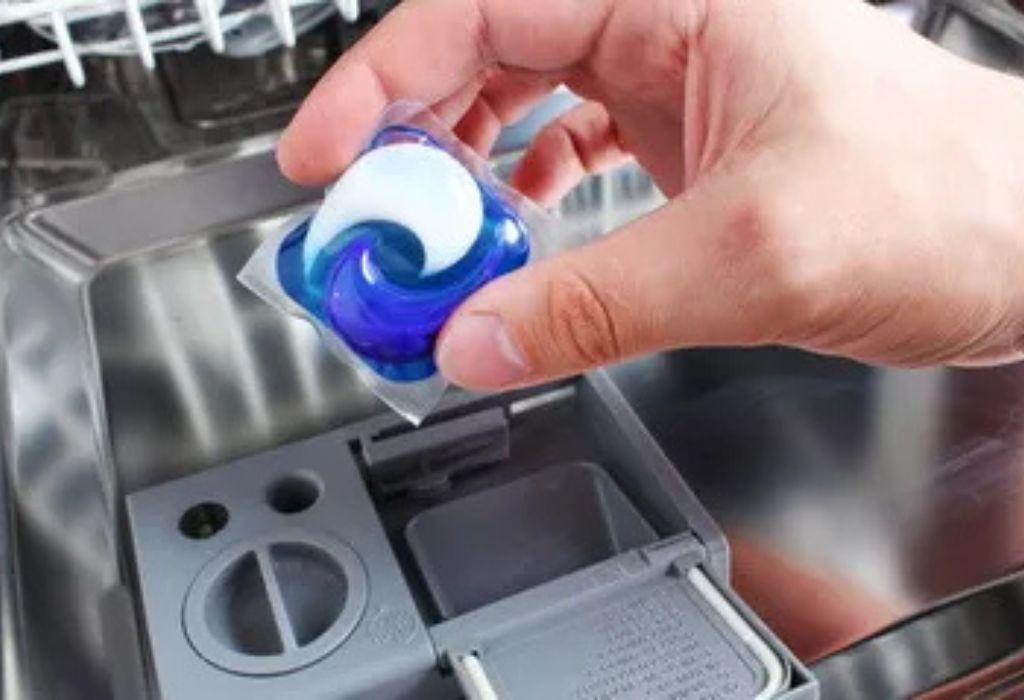
Dishwasher pods are compact, multi-layered cleaning tablets designed to dissolve food residue, grease, and bacteria inside dishwashers. They typically contain strong surfactants, enzymes, bleach, and degreasers — all formulated to break down fats and oils at high heat.
While these ingredients work wonders on stainless-steel interiors and glassware, washing machines are built differently. They contain rubber seals, plastic components, and fabric residue, which react poorly to the harsher chemicals found in dishwasher pods.
These pods are alkaline and highly concentrated, which means even a small amount can leave behind residue inside your washer drum or hoses. Over time, that leftover detergent can cause clogs or foul odors rather than removing them.
So, even though dishwasher pods can technically clean surfaces, they’re not formulated for the materials or cleaning cycles of washing machines — and using them could do more harm than good.
Can dishwasher pods damage a washing machine’s interior?
Yes, their strong chemicals may erode rubber gaskets or hoses over time.
Do dishwasher pods and laundry pods use the same ingredients?
No, laundry pods contain fabric-safe surfactants, while dishwasher pods are made for grease and food removal.
Are dishwasher pods safe for front-load washers?
They’re not recommended, as front-loaders are more sensitive to residue and oversudsing.
Can dishwasher pods leave behind residue in washers?
Yes, since washing machines use cooler water and less agitation, pods may not fully dissolve.
Why are dishwasher pods stronger than washing machine cleaners?
Because they’re designed for tougher buildup — like baked-on food and grease — not laundry detergent residue.
Can You Use Dishwasher Pods to Clean a Washing Machine?
It’s a tempting idea — toss in a powerful dishwasher pod, run a hot cycle, and let it scrub away dirt and odors from your washing machine. But the truth is more complicated. While dishwasher pods are designed to remove grease, food residue, and hard-water stains, they aren’t formulated for washing machines. Laundry machines deal with detergent buildup, fabric softener residue, and mold — very different types of grime.
Dishwasher pods release high concentrations of enzymes, surfactants, and sometimes bleach. In a dishwasher, those ingredients dissolve completely in extremely hot water and high-pressure sprays. But a washing machine uses lower water temperatures and gentler cycles, meaning the pod might not fully dissolve or rinse out. This can lead to excess suds, residue buildup, or even minor damage to hoses and seals over time.
So, can you use dishwasher pods to clean your washing machine? Technically, yes — once in a while, in an emergency — but it’s not recommended as a regular cleaning method. If you do try it, use only one pod on a hot, empty cycle, and run a second rinse afterward to remove any leftover detergent film.
Can you use dishwasher pods in both front-load and top-load washers?
It’s not advisable. Front-load washers are more sensitive and may experience oversudsing, while top-load washers can leave undissolved residue.
Will dishwasher pods remove odors from a washing machine?
They can mask odors temporarily but won’t eliminate the source, which is often mold or detergent buildup.
Can dishwasher pods harm washer seals or hoses?
Yes. Their concentrated alkaline formula can slowly weaken rubber gaskets and cause leaks over time.
Is using a dishwasher pod once safe?
A single use likely won’t cause major harm, but it shouldn’t become part of your cleaning routine.
What’s a safer alternative to dishwasher pods?
Use dedicated washing machine cleaners, or natural options like vinegar and baking soda for effective and safe results.
What Happens If You Put Dishwasher Pods in the Washer?
When you drop a dishwasher pod into your washing machine, it reacts differently than it would inside a dishwasher. In a dishwasher, the pod dissolves under high heat and intense water pressure. But in a washing machine, the water temperature and agitation are much lower. This means the pod may not fully dissolve, leaving behind sticky detergent film inside the drum, seal, or drain lines.
As the pod breaks down, it releases strong cleaning agents meant for glass and steel — not rubber or fabric. These ingredients can cause excessive foaming, leading to oversudsing, which may confuse the machine’s sensors or cause an error code. In some cases, leftover detergent can even transfer onto clothing in later washes, leaving a chalky or soapy residue.
Over time, this chemical buildup can trap moisture inside the drum, promoting mold and mildew growth — the exact problems you were trying to eliminate. And if the pod’s plastic casing doesn’t dissolve fully, it might clog the washer filter or drain pump.
So, while your machine might look cleaner after one use, the long-term effects can shorten its lifespan or lead to unpleasant odors down the road.
Does a dishwasher pod fully dissolve in a washing machine?
No, washing machines don’t reach the high temperatures needed to dissolve dishwasher pods completely.
Can using pods cause excess suds?
Yes, they’re highly concentrated and can produce too much foam for washing machine systems.
Will one pod harm my washer permanently?
Probably not, but consistent use can damage components and affect performance over time.
Why does my washer smell worse after using a pod?
Because leftover detergent film traps moisture, leading to mold and bacterial growth.
How can I fix it if I’ve already used a dishwasher pod?
Run two hot rinse cycles without detergent to flush out residue and prevent buildup.
The Right Way to Clean Your Washing Machine
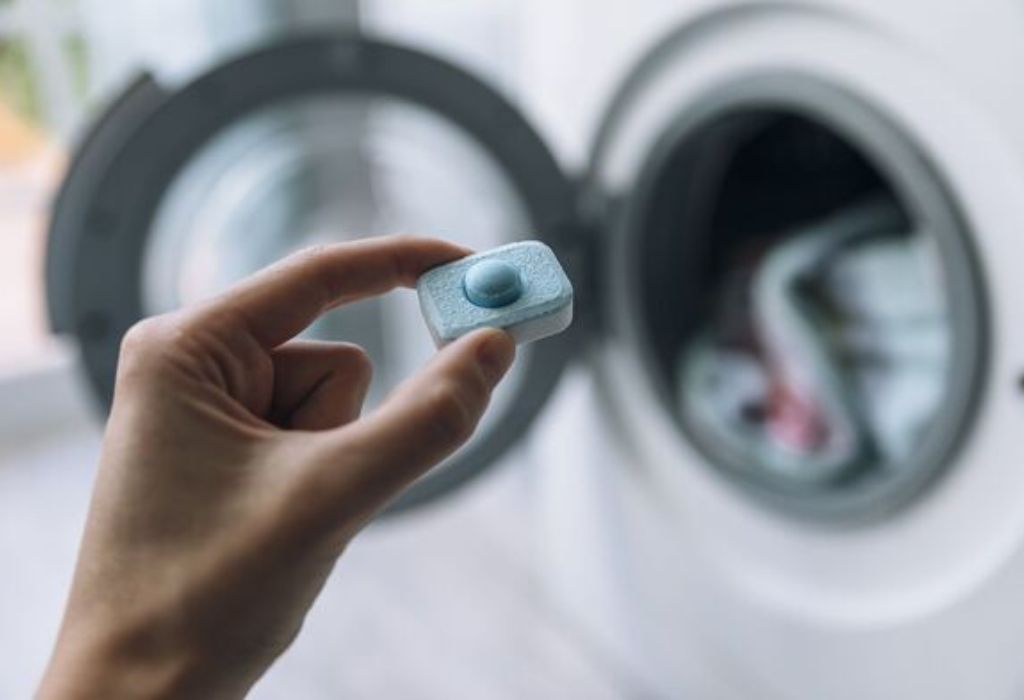
If you want your washing machine to stay fresh, odor-free, and efficient, it’s best to clean it using methods designed specifically for laundry appliances. While dishwasher pods may seem like a shortcut, the right cleaning process focuses on removing soap residue, mineral deposits, and mold — not food grease.
For front-load washers, start by running an empty hot water cycle. Add a washing machine cleaner tablet (like Affresh or Tide) or use natural ingredients — two cups of white vinegar work just as well. After the cycle, wipe the rubber door gasket with a cloth dipped in vinegar to remove grime and mildew. Don’t forget to clean the detergent drawer, where residue tends to build up. Finally, keep the door open to allow airflow and prevent moisture from settling.
For top-load washers, fill the drum with hot water, add two cups of vinegar, and let the cycle run for a few minutes. Pause the machine and let it sit for an hour to break down buildup. Then resume the cycle, drain, and run again with half a cup of baking soda to neutralize odors.
Cleaning your washing machine this way every month helps it perform at peak efficiency, reduces musty smells, and extends its lifespan — all without risking damage from harsh chemicals.
Can I mix vinegar and baking soda to clean my washer?
Yes, but don’t mix them at the same time. Run vinegar first, then a separate baking soda cycle for best results.
Are commercial washing machine cleaners safe to use?
Absolutely. They’re designed for your washer’s materials and rinse away completely without residue.
How often should I clean my washing machine?
At least once a month for front-load models and every two to three months for top-loaders.
Do natural cleaners like vinegar remove mold?
Yes, vinegar kills most mold and bacteria naturally when used in a hot cycle.
Why should I leave the washer door open after cleaning?
It allows air to circulate, drying out moisture and preventing mildew growth in seals and crevices.
Can Dishwasher Pods Damage Your Washing Machine?
Dishwasher pods may look harmless, but their chemical strength can cause damage when used repeatedly inside a washing machine. These pods are designed for stainless steel dishwashers, not for the softer rubber, plastic, and silicone components found in laundry appliances. Over time, the alkaline formula and bleach content in some pods can degrade seals, hoses, and even the drum coating of certain washers.
Most dishwasher pods contain high concentrations of sodium carbonate and surfactants, which dissolve grease but can be too harsh for washing machine parts. When the pod doesn’t fully dissolve, it leaves a residue that builds up around the gasket, drain filter, and detergent tray. This buildup can trap moisture and lint, eventually leading to mold or odor problems.
In high-efficiency (HE) washers, which use less water, the problem becomes even more serious. Undissolved detergent can cause over-sudsing, interfere with sensors, and clog drain lines. Long-term use can reduce your washer’s performance, leading to inefficient cleaning and costly repairs.
So, while one-time use might not immediately harm your washer, making it a habit could slowly wear down its components and shorten its lifespan. It’s always safer to use products designed specifically for laundry systems.
Can dishwasher pods corrode washing machine parts?
Yes, their strong chemicals can gradually weaken rubber seals and metal fittings inside your washer.
Why are dishwasher pods too harsh for washers?
Because they contain degreasers and bleach agents that are formulated for dishwashers, not fabrics or laundry components.
Can undissolved pods clog the washer drain?
Yes, leftover pod film can block the filter or hose, reducing drainage efficiency.
Is there a risk of oversudsing with dishwasher pods?
Absolutely. Their concentrated formula can create excessive foam that damages HE sensors.
Can dishwasher pods void my washing machine’s warranty?
In many cases, yes. Using unapproved cleaning agents may void warranty coverage for internal damage.
What to Do If You’ve Already Used Dishwasher Pods in Your Washer
If you’ve already used a dishwasher pod to clean your washing machine, don’t panic — one or two uses are unlikely to cause serious damage. However, it’s important to take the right steps immediately to prevent residue buildup or chemical irritation from lingering inside your washer. Acting quickly can help protect your appliance from long-term effects.
Start by running two consecutive hot water cycles with no detergent or clothes. This will flush out any leftover chemicals or undissolved film that might be clinging to the drum or drain lines. If possible, select the “extra rinse” option to ensure a thorough clean.
Next, remove and rinse the detergent tray, as it may have residue from the pod’s concentrated formula. Wipe the rubber gasket and inner door with a damp cloth soaked in vinegar to neutralize any remaining alkaline detergent. Leave the door open afterward to air dry and eliminate odors.
If you notice soap bubbles, residue, or a lingering chemical smell, run another rinse cycle with one cup of white vinegar. This will help break down the remaining detergent and restore the washer’s natural pH balance.
Lastly, monitor your washer over the next few cycles. If you see any drain errors, suds overflow, or odor returning, consider performing a full deep clean with a proper washing machine cleaner.
Will one dishwasher pod permanently damage my washer?
No, a single use won’t cause lasting harm, but repeated use could affect seals, hoses, or sensors.
How can I remove leftover dishwasher detergent from my washer?
Run two or more hot water rinse cycles and wipe down the gasket with vinegar to remove residue.
What if I notice excess suds after using a pod?
Pause the cycle, let the suds settle, then restart with a rinse cycle using plain water.
Can vinegar neutralize dishwasher detergent?
Yes, vinegar helps break down alkaline residues and balances the washer’s pH safely.
Do I need to call a technician after using a dishwasher pod?
Not usually. If the washer runs normally and drains properly, simple rinsing and cleaning are enough.
Best Alternatives to Dishwasher Pods for Cleaning Washers
If you want your washing machine to stay fresh and efficient without risking damage, it’s best to use cleaners made specifically for washers or gentle natural ingredients. These options safely remove detergent buildup, mildew, and bad odors without harming rubber seals or leaving chemical residue behind.
The most effective option is a dedicated washing machine cleaner, such as Affresh, Tide Washing Machine Cleaner, or OxiClean Washer Cleaner. These products are formulated to dissolve lint, soap scum, and grime inside the drum and hoses. Simply drop one tablet or the recommended amount into an empty washer and run a hot cycle.
If you prefer natural solutions, white vinegar and baking soda are reliable household alternatives. Vinegar helps remove detergent residue and bacteria, while baking soda neutralizes odors and softens mineral deposits. For an effective clean, run an empty cycle with two cups of vinegar, followed by another cycle with half a cup of baking soda.
You can also try citric acid or lemon juice, both of which naturally dissolve mineral buildup and leave a fresh scent. These are especially useful if you live in areas with hard water.
The key is consistency — cleaning your washer once a month with any of these methods will prevent odor, mold, and buildup without exposing it to the harsh chemicals in dishwasher pods.
Are washing machine cleaners better than DIY methods?
Yes, they’re specially designed for washers and remove deeper buildup than basic home remedies.
Can I mix vinegar and baking soda in the same cycle?
It’s better to use them separately — first vinegar, then baking soda — for maximum cleaning efficiency.
Does lemon juice really clean washing machines?
Yes, its natural acidity helps dissolve soap scum and leaves a pleasant fresh scent.
Are commercial washer cleaners safe for HE machines?
Absolutely. Most are HE-safe and designed to dissolve completely in low-water cycles.
How often should I use a washing machine cleaner?
Once a month for regular users, or every two to three months if you do fewer loads.
How Often Should You Clean Your Washing Machine?
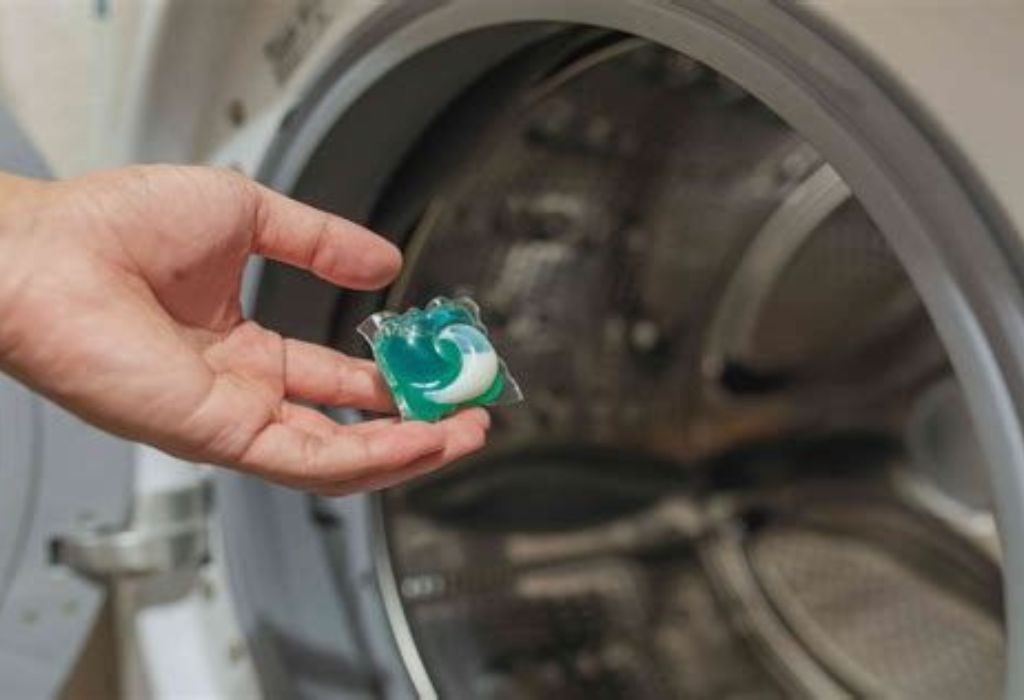
Cleaning your washing machine regularly is the key to keeping it odor-free, efficient, and hygienic. Many people assume that because the machine washes clothes, it cleans itself — but that’s not true. Over time, detergent residue, lint, hard water minerals, and moisture create the perfect environment for bacteria and mold to grow.
For front-load washers, cleaning once every 3–4 weeks is ideal. These models are more prone to mildew because their airtight rubber seals trap moisture after every cycle. Leaving the door open between washes and wiping the gasket can also help reduce odor.
For top-load washers, a deep clean every 2–3 months usually works well. They have better ventilation, but soap scum and residue can still build up inside the drum and around the agitator.
If you live in a humid climate, use fabric softener frequently, or do laundry several times a week, consider cleaning more often. A quick monthly routine with vinegar or a washer cleaner tablet helps your machine last longer and keeps your clothes smelling truly clean.
Regular maintenance also improves energy efficiency — a clean washer uses less water, drains better, and reduces strain on the motor.
Can I skip cleaning my washing machine?
Not for long. Skipping regular cleanings can lead to mold, bad odors, and reduced washing performance.
Why do front-load washers need more frequent cleaning?
Their sealed doors trap moisture, making them more likely to develop mildew and residue buildup.
Is it safe to use vinegar every month to clean my washer?
Yes, vinegar is gentle and safe for monthly use as long as it’s followed by a rinse cycle.
How do I know my washer needs cleaning?
If your clothes smell musty or your drum looks dull or slimy, it’s time for a cleaning cycle.
Does frequent cleaning improve washer lifespan?
Absolutely. Regular maintenance prevents internal buildup that can cause clogs and mechanical wear.
Final Thoughts: Should You Use Dishwasher Pods in the Washer?
Dishwasher pods might seem like a clever hack, but they’re not the right choice for cleaning your washing machine. While they can cut through grease and grime, their formula is simply too strong for laundry systems. The high alkalinity and harsh detergents designed for stainless steel dishwashers can damage rubber seals, leave residue, and even cause oversudsing issues in modern HE washers.
If you’ve used one once or twice, don’t worry — your machine is probably fine. But it’s best not to make it a habit. Over time, repeated use can reduce efficiency and shorten your washer’s lifespan. Instead, rely on washing machine cleaners or safe natural methods like vinegar and baking soda. These solutions clean effectively without risking internal damage or residue buildup.
Regular cleaning, proper ventilation, and using the right products will keep your washer performing at its best. So, skip the dishwasher pods and give your appliance the care it deserves. A clean washer means fresher clothes, fewer repairs, and peace of mind every time you hit that start button.

I’m Emma J. Caldwell, the founder, lead writer, and home-cooking enthusiast behind KitchenGuideCo.com. With a background in culinary arts and over a decade of cooking experience in both professional and personal kitchens, I created this platform to demystify recipes, offer smart kitchen gadget reviews, and guide readers through meal prep with confidence and clarity.