Many people invest in a Vitamix because of its incredible blending power, smooth textures, and long lasting performance. But once they start using it daily, they begin to wonder whether it can replace other appliances in the kitchen, especially the food processor.
Food processors handle chopping, slicing, shredding, and mixing with precision, while a Vitamix is known for blending.
This makes people curious about how interchangeable these machines really are. The idea of using one appliance for multiple tasks is appealing, especially for saving counter space and simplifying meal prep.
A Vitamix is powerful enough to crush ice, liquefy vegetables, turn nuts into butter, and grind grains. These capabilities make it seem like it could also chop vegetables or handle dough. But a food processor works very differently.
It relies on torque, blade shapes, and wide bowls to keep ingredients moving in a controlled pattern. Understanding this difference helps you know when a Vitamix can take over and when it cannot.
Some people successfully chop onions or carrots in a Vitamix, but others end up with watery mush. Some can make dough, while others burn out the motor.
These mixed results come from differences in technique and expectations. Knowing what the Vitamix is built for prevents damage and ensures better results.
This guide explains everything you need to know about using a Vitamix like a food processor. It shows what tasks the Vitamix can handle, what tasks it struggles with, and when you absolutely need a food processor instead.
By the end, you will clearly understand whether your Vitamix can replace a food processor in your kitchen.
How a Vitamix Works Compared to a Food Processor
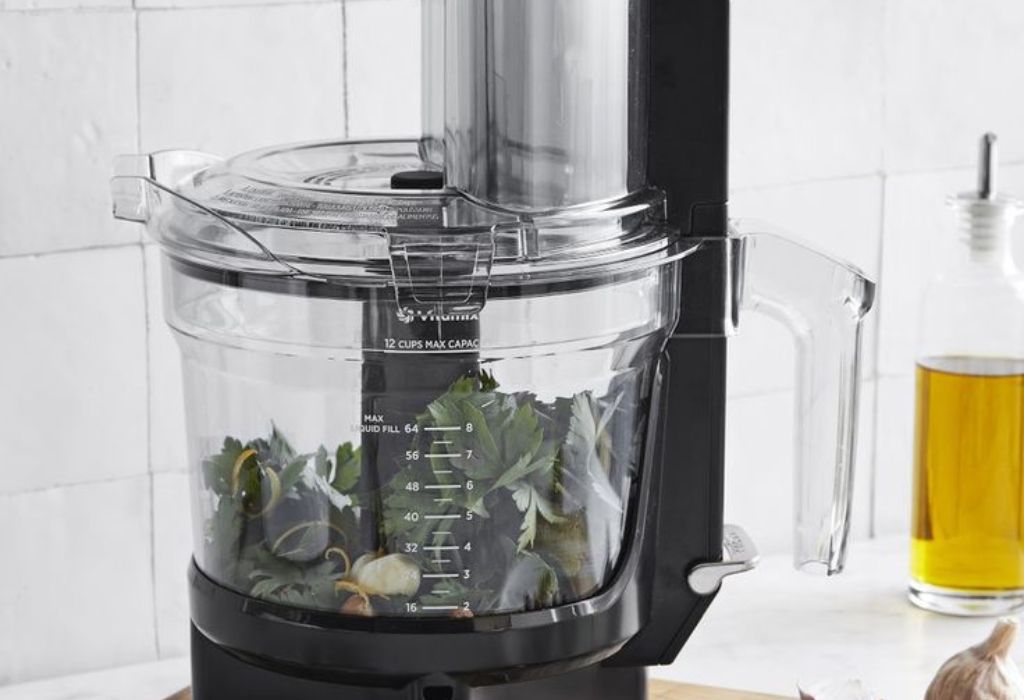
A Vitamix uses a high speed motor that spins blades extremely fast. This speed creates a vortex that pulls ingredients downward into the blades. The vortex is essential for blending liquids and soft foods into smooth textures.
A food processor uses lower speed but high torque. Torque helps push through dense ingredients. This difference makes food processors ideal for solid or dry foods.
Vitamix pitchers are tall and narrow, encouraging vertical movement. Food processors use wide bowls that encourage circular, horizontal cutting. Each design affects texture and chopping ability.
The Vitamix blade is fixed and cannot be swapped. Food processors use multiple blades and discs. These attachments allow for slicing, shredding, and controlled chopping.
A Vitamix can blend, puree, grind, and emulsify. A food processor can chop, slice, shred, knead, and mix. They serve different primary functions in the kitchen.
Understanding how both machines work explains why results differ. It shows why one excels at blending while the other excels at food prep. This guides your appliance choices.
Can a Vitamix Chop Vegetables Like a Food Processor
A Vitamix can chop vegetables, but only with careful technique. Chopping requires pulsing and short bursts of blending. Without this control, vegetables quickly turn mushy.
Soft vegetables like tomatoes or cucumbers break down too fast. They become watery after only a few seconds. A food processor keeps them firm and evenly sized.
Hard vegetables take slightly more effort. Carrots, onions, and celery must be cut into smaller pieces. This helps the Vitamix chop instead of puree.
Vegetables must be processed in small quantities. Too much food prevents proper movement. Food processors handle volume better.
The Vitamix does not provide consistent chopping size. Some pieces remain large while others become overly fine. Food processors give more uniform results.
A Vitamix can chop for soups, sauces, or cooked dishes. But for salads or meal prep, a food processor is more reliable. Texture control is important in these recipes.
Can the Vitamix chop onions properly?
It can, but onions turn watery quickly. Pulsing lightly helps maintain texture.
Why does my Vitamix puree vegetables instead of chopping them?
The blades spin too fast. Short pulses prevent over processing.
Do I need to cut vegetables before putting them in the Vitamix?
Yes, smaller pieces chop more evenly. Large pieces do not move well.
Can I chop large batches of vegetables?
No, the Vitamix works best with small amounts. Food processors handle bulk better.
Is chopped texture from a Vitamix reliable?
Not always. Some pieces are uneven due to vertical movement.
Can a Vitamix Replace a Food Processor for Slicing and Shredding
A Vitamix cannot slice vegetables into even pieces. Slicing requires flat cutting surfaces and consistent blade angles. The Vitamix blade is angled for pulverizing rather than slicing.
Shredding cheese is also not possible. The Vitamix generates heat from friction. Heat melts cheese and causes clumping.
Cabbage and lettuce cannot be sliced properly. They become bruised and watery. Food processors preserve crispness.
Shredding carrots or potatoes requires a shredding disc. A blender has no way to replicate this. The results become minced rather than shredded.
Slicing fruits for salads or desserts demands precision. A Vitamix is too aggressive for this task. Soft fruits become puree instantly.
Shredding is a core food processor function. Without discs, a blender cannot replicate controlled cutting. The Vitamix excels in blending, not slicing.
Can a Vitamix Handle Dough Mixing or Kneading
Dough mixing requires strong torque. A Vitamix relies on speed, not torque. This makes dough preparation risky.
Thick dough sticks to the bottom of the pitcher. The blades cannot move through dense mixtures. This strains the motor.
Even if the dough begins to mix, it overworks quickly. Over kneading changes gluten structure. This affects texture and rise.
Food processors use special dough blades. They move ingredients gently. Vitamix blades move too fast for dough.
The machine may overheat during dough tasks. Dough is heavy and difficult for blenders. Overheating shortens motor life.
Some thin batters may blend successfully. Pancake or crepe batter works well. But dough is a food processor task.
Can a Vitamix Grind Ingredients Like a Food Processor
The Vitamix excels at grinding. It can process nuts, seeds, grains, and spices easily. Grinding is one of its strongest capabilities.
Grinding nuts creates smooth nut butter. The Vitamix blends oils naturally released from nuts. This creates creamy textures.
Seeds such as flax or chia grind into powder. The high speed blade works efficiently. This supports healthy recipes.
Coffee beans grind consistently. The Vitamix produces medium to fine grinds. Food processors struggle with beans.
Whole grains like wheat or rice turn into flour. The Vitamix powers through hard ingredients. This offers versatility for baking.
Grinding is one area where a Vitamix outperforms many food processors. Fast blades pulverize everything quickly. This makes it a great grinding machine.
Can a Vitamix replace a spice grinder?
Yes, it grinds most spices well. But fine powders may need extra time.
Can it grind coffee beans evenly?
It produces medium to fine grind. Consistency is good for most brewing styles.
Can I grind grains in a Vitamix?
Yes, it makes flour easily. Hard grains process quickly.
Is grinding safe for the blades?
Yes, the blades are designed for hard foods. Grinding does not damage them.
Do I need a dry container for grinding?
A dry container improves results. But the standard one also works.
Can a Vitamix Make Salsa, Dips, and Chopped Mixes
A Vitamix can make smooth salsa easily. It blends tomatoes, onions, and peppers quickly. This creates restaurant style salsa.
Chunky salsa requires pulsing. Even then, achieving consistent chunks is difficult. The blender blade breaks down ingredients too fast.
Guacamole turns creamy rather than chunky. The blades mash avocados smoothly. This makes dip silky but not textured.
Hummus blends extremely well. The Vitamix creates thick, smooth mixtures. This rivals food processor quality.
Pesto can be made successfully. Nuts and herbs break down evenly. The result is flavorful and balanced.
Chunky dips require a food processor. The Vitamix is better for smooth dips. Knowing which texture you prefer guides your choice.
Using a Vitamix for Meal Prep Tasks
A Vitamix helps prepare smoothies for meal plans. It supports healthy meal prep easily. This makes daily routines faster.
It blends soups and sauces for weekly storage. Smooth textures work well for reheating. The machine offers consistent results.
It cannot chop vegetables for salads. Crisp, firm texture is important for meal prep bowls. A food processor maintains shape.
It struggles with slicing fruits. Slicing requires controlled cutting. The Vitamix turns fruit into puree.
It works well for grinding meal prep ingredients. Seeds, nuts, and grains blend quickly. This supports nutrient rich meals.
Meal prep for solid foods requires a food processor. The Vitamix handles liquids only. Both appliances complement each other.
Can I prep salad veggies in a Vitamix?
No, they become mushy. Food processors work better.
Can I make bulk smoothies?
Yes, the Vitamix handles large batches easily.
Can I chop cooked vegetables?
Yes, but they become soft quickly. Pulse gently.
Can I mix cooked chicken?
It becomes paste. A food processor chops better.
Is meal prep easier with a Vitamix?
For liquids, yes. For solids, use a processor.
Tasks a Vitamix Performs Better Than a Food Processor
The Vitamix excels at blending liquids. Smoothies turn out perfect. This is its strongest feature.
Soups become creamy and silky. The machine blends cooked vegetables smoothly. Food processors leave chunks.
Nut butters become extremely smooth. High speed blending breaks down oils. This makes creamy spreads.
Sauces and dressings emulsify quickly. The Vitamix blends perfectly. This improves consistency.
Ice crushing is efficient. Frozen fruits blend smoothly. Food processors cannot match this.
Grinding grains is easier with a Vitamix. Hard ingredients break down quickly. This tool is useful for homemade flour.
The Vitamix shines in tasks requiring smooth textures. It creates uniform results every time. These strengths make it unique.
Tasks You Should Always Use a Food Processor For
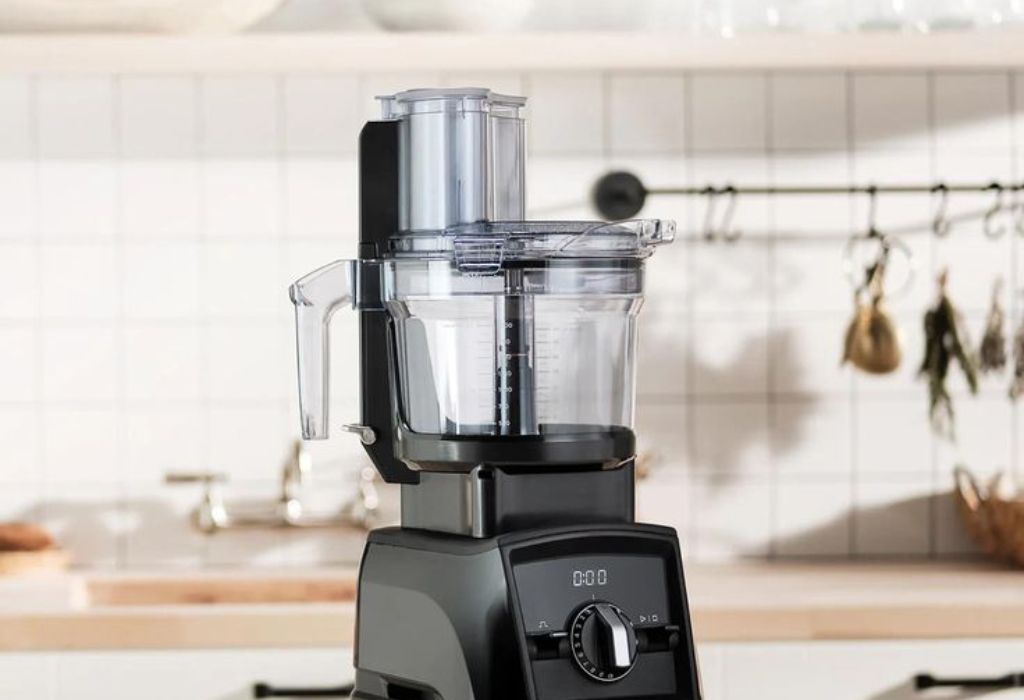
Chopping vegetables requires a food processor. Precision matters. The Vitamix cannot maintain texture.
Slicing vegetables demands special discs. Only food processors offer slicing tools. Blenders cannot replicate this.
Shredding cheese works best with a food processor. The Vitamix melts cheese from heat. Slices become clumps.
Mixing dough requires torque based motors. A Vitamix cannot knead properly. Dough becomes overworked.
Mixing pastry ingredients requires gentle cutting. Blenders destroy texture. Processors preserve flakiness.
Chopping meat into small pieces requires controlled cutting. The Vitamix turns meat into paste. Food processors work better.
These tasks belong to a food processor. The Vitamix is not built for them. Understanding this prevents damage.
Vitamix vs Food Processor: Which Is Better for You
If you make smoothies daily, choose a Vitamix. The machine blends quickly. This fits drink based diets.
If you cook frequently, a food processor is essential. Meal prep requires chopping and slicing. The Vitamix cannot handle these tasks.
Some households need both appliances. Each tool offers different strengths. They complement one another.
Consider your cooking routine. Blending needs a Vitamix. Food prep needs a processor.
If space is limited, choose based on priority. Drinks and soups need a Vitamix. Solid foods need a processor.
Your lifestyle determines the best choice. Both are excellent machines. Each serves a unique purpose.
Is the Vitamix powerful enough to replace a food processor?
Power is enough, but function differs. The Vitamix blends, not chops.
Can I do all food prep with a Vitamix?
No, many tasks require a processor. Blenders lack attachments.
Is it safe to use a Vitamix for dough?
Not recommended. It strains the motor.
Can the Vitamix replace slicing discs?
No, it cannot slice evenly. Only a processor can.
Is a Vitamix better for smoothies?
Yes, it makes extremely smooth blends.
Conclusion
A Vitamix is an incredibly powerful blender, but it is not a full food processor replacement. It excels in blending, pureeing, grinding, and emulsifying, but it struggles with texture based tasks like slicing, shredding, chopping, and kneading.
These are core food processor functions that require torque, discs, and controlled blade movement.
Knowing the strengths of each appliance helps you use both machines wisely. A Vitamix creates the smoothest drinks, soups, sauces, and nut butters.
A food processor handles solids, precise cuts, and meal prep tasks. Each machine supports different parts of the cooking process.
Choosing the right tool leads to better results, fewer mistakes, and a smoother cooking experience. A Vitamix may reduce the need for some appliances, but it cannot replace a full food processor.
Both appliances play important roles in the kitchen, and using them together enhances your culinary workflow.

I’m Emma J. Caldwell, the founder, lead writer, and home-cooking enthusiast behind KitchenGuideCo.com. With a background in culinary arts and over a decade of cooking experience in both professional and personal kitchens, I created this platform to demystify recipes, offer smart kitchen gadget reviews, and guide readers through meal prep with confidence and clarity.