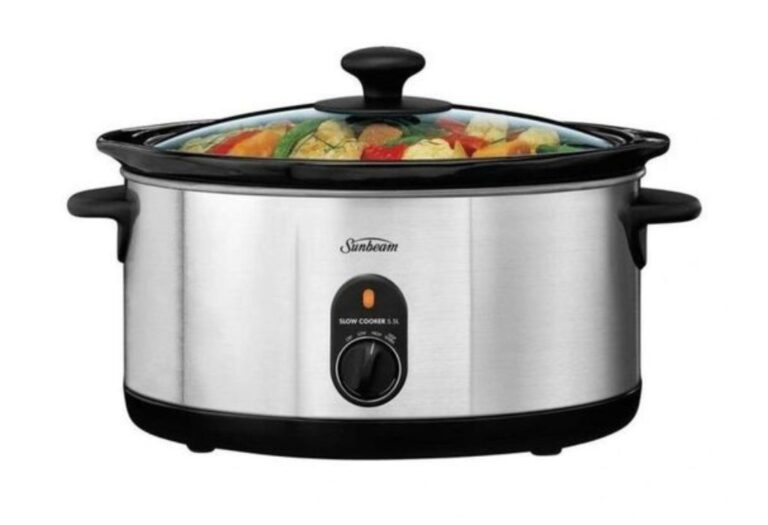
Thinking about baking a cake but don’t have an oven? You might be wondering, can you bake cake in a rice cooker? It’s a common question, especially for those new to baking or with limited kitchen space. Don’t worry, it’s totally possible! The process is pretty straightforward, and with a few simple steps, you can create a delicious cake. This guide will help you learn how to do it, making the whole thing easy and fun. So, let’s get started and explore how to bake a yummy cake using your rice cooker!
What You Will Need to Make a Rice Cooker Cake

Before you begin, gather all the essential ingredients and tools. This will make the entire baking experience smoother and more enjoyable. Having everything prepared beforehand ensures that you don’t need to pause in the middle of the baking process. A well-prepared workspace contributes to a better outcome. Here’s what you’ll need.
Ingredients Checklist
For a basic cake recipe, you’ll generally need the following items. Feel free to adjust based on your favorite cake flavor.
- Flour: All-purpose flour is usually the best choice for this. Different types will change the texture of your cake, so it is important to pick one that has the right protein content.Flour serves as the main structure provider in a cake. It creates the framework upon which all other ingredients build. The type of flour you choose can significantly impact your cake’s texture, from light and airy to dense. All-purpose flour is frequently the go-to, as it offers a versatile protein content. If you want a more delicate crumb, cake flour is a suitable choice. Whole wheat flour, though nutritious, produces a denser cake. Properly measuring flour is vital; scooping directly from the bag can result in too much flour, leading to a dry cake.
- Sugar: Granulated sugar is a common ingredient. However, other types can be used to add flavor.Sugar contributes not only sweetness but also enhances the cake’s structure through the process of caramelization. It also traps air, which helps the cake rise during baking. The kind of sugar you select will add a slight variation in taste and texture. Granulated sugar works well for most cakes. Brown sugar adds moisture and a hint of molasses. Powdered sugar contributes to a smooth texture. The amount of sugar is key; too little, and the cake won’t rise well; too much, and it may be too dense or sugary.
- Eggs: Eggs bind everything together and add richness.Eggs are a versatile ingredient, acting as a binder, leavening agent, and source of moisture and richness. They help to trap air, which makes the cake rise, and they provide a structure that holds the other ingredients together. The quality of your eggs can impact your cake’s final outcome. Fresh eggs often give the best results, as they have stronger proteins that create a better structure. If you’re sensitive to eggs, consider a substitute like applesauce or mashed bananas, which can also add moisture.
- Butter or Oil: These add moisture and flavor. Butter has a richer taste, while oil keeps the cake moist.Fats like butter or oil are essential for moisture, tenderness, and flavor. They work by coating the flour, preventing the development of gluten, which results in a softer cake. The choice between butter and oil often depends on preference. Butter provides a richer flavor and is excellent for a denser cake. Oil, on the other hand, creates a moist and tender crumb. When using butter, ensure it’s softened, but not melted, for the best results. The right amount of fat is essential, as too little can make the cake dry, while too much can make it greasy.
- Baking Powder or Baking Soda: These make the cake rise. Make sure they are fresh.Leavening agents like baking powder or baking soda are crucial for a cake to rise. They release carbon dioxide when mixed with wet ingredients, creating air bubbles that expand during baking, resulting in a light and fluffy cake. Ensure your baking powder and baking soda are fresh; older ones can lose their potency. Baking powder is self-contained and needs moisture and heat to activate. Baking soda requires an acid, like buttermilk or lemon juice, to activate. Using too much of a leavening agent can cause the cake to rise too much and then collapse.
- Milk or Other Liquid: Adds moisture and helps the ingredients combine.Liquid, often milk, is a fundamental component for adding moisture, which helps dissolve dry ingredients, and activate leavening agents. It also creates a soft texture in the cake. You can use milk, buttermilk, or even alternatives like almond or soy milk, which can alter both the flavor and texture of your cake. Milk also helps to bind everything together, creating a cohesive batter. Ensuring that the milk is at room temperature is generally a good tip.
Equipment Checklist
You’ll also need these items for easy baking!
- Rice Cooker: This is, of course, the most important tool! Any standard rice cooker will work.Your rice cooker is essentially your oven, so it’s the centerpiece of this operation. Choose a cooker that is in good working order. Any standard rice cooker will work, but those with non-stick coating are ideal because the cake won’t stick to the bottom. Make sure your rice cooker is clean. The size of your rice cooker will influence the size of your cake, so consider how many servings you want. Be sure to check the instructions on how to use your rice cooker, if you haven’t done so before.
- Mixing Bowls: You’ll need at least two bowls: one for wet ingredients and one for dry.Mixing bowls are essential for preparing the cake batter. Use at least two bowls to keep the wet and dry ingredients separate. Mixing bowls should be of a reasonable size. Make sure they are big enough to hold all the ingredients, while still allowing you room to mix without making a mess. Clean and dry bowls ensure that the ingredients mix properly and don’t clump together. Mixing wet ingredients first, then dry, is often the most effective method, although the order of ingredients might vary depending on the recipe.
- Whisk or Electric Mixer: For mixing the batter until smooth.A whisk or an electric mixer is useful for incorporating air into the batter, which gives the cake its fluffy texture. A whisk is ideal for manual mixing and is useful when you want to avoid overmixing. An electric mixer, either a hand mixer or a stand mixer, speeds up the process, especially for larger batches. The choice of tool also depends on the recipe and how much time you have. With electric mixers, start slow, then gradually increase the speed. With a whisk, use a smooth, circular motion, making sure to scrape the sides and bottom of the bowl.
- Measuring Cups and Spoons: For accurate measurements.Accurate measurements are important for a successful cake. Measuring cups should be used for dry ingredients, ensuring that you level off the top to get the right amount. Use measuring spoons for small amounts like baking powder or vanilla extract. Over or under-measuring can significantly impact the taste, texture, and rise of your cake. It is important to know that proper measurements are what ensure a great cake. Using digital scales for more precise measurements is a good step if you really want to perfect your process.
- Spatula: A spatula is needed for folding ingredients and scraping the bowl.A spatula is essential for folding ingredients and scraping the sides and bottom of the mixing bowl to ensure all ingredients are incorporated. This prevents lumps and ensures the batter is evenly mixed. Flexible silicone spatulas work well because they can scrape all the edges of the bowl. Folding involves gently combining ingredients without overmixing, which can cause the cake to become dense. Using a spatula also helps to avoid deflating the air that you have incorporated into the batter.
How to Create a Cake in Your Rice Cooker
Now, let’s get into the step-by-step process of making a cake in your rice cooker. This approach is designed to be simple, even if you’re new to baking. Here’s a basic recipe to get you started, alongside a few tips to ensure your cake turns out great.
Prepping the Rice Cooker
Before you begin mixing ingredients, you must prepare the rice cooker. Proper preparation will prevent the cake from sticking and will also make removal simple.
- Grease the Rice Cooker Bowl: Use butter, cooking spray, or oil to grease the inside of the rice cooker bowl.Greasing the rice cooker bowl is a fundamental step to prevent the cake from sticking. This ensures the cake can be easily removed once cooked. Use butter, cooking spray, or a little oil, and make sure to coat the entire inside surface. It’s also a good idea to line the bottom with a circle of parchment paper. If you skip this step, the cake may stick to the sides and bottom, making it hard to remove and possibly damaging the cake.
- Dust with Flour: After greasing, dust the inside with flour. This adds an extra layer of protection against sticking.Dusting with flour further helps prevent the cake from sticking. After greasing the bowl, add a spoonful of flour, then rotate the bowl until the flour coats the greased surface. Shake out any excess flour. This will create a barrier that ensures the cake releases smoothly. If you don’t do this, you might end up with the cake sticking to the sides of the rice cooker.
- Line the Bottom: Consider placing a circle of parchment paper at the bottom of the bowl. This is very helpful when removing the cake.Using parchment paper at the bottom of the bowl is extremely helpful when removing the cake. Cut a circle of parchment paper to fit the bottom of the bowl. This creates a non-stick surface, and helps to remove the cake without breaking it. This is useful, especially if you plan to flip the cake over to decorate it. Without parchment paper, it may be hard to remove the cake in one piece. This step can save a lot of frustration and ensures a perfect presentation.
Mixing the Batter
The next important step is preparing the batter. The batter’s consistency and how the ingredients are mixed will impact your final cake. So, let’s make it right!
- Combine Dry Ingredients: In a mixing bowl, whisk together the flour, sugar, baking powder, and salt.Combining the dry ingredients first ensures that everything is evenly distributed. Whisking ensures a uniform mixture and helps aerate the flour. This process eliminates any clumps and ensures the baking powder or soda is properly dispersed, leading to a consistent rise. Making sure that everything is well-combined at this stage sets the foundation for a cake with a great texture.
- Mix Wet Ingredients: In a separate bowl, combine the eggs, milk, melted butter, and vanilla extract.Mixing the wet ingredients in a separate bowl allows for easier blending. Whisking the eggs well helps incorporate air, which is important for the cake’s fluffiness. Make sure that the melted butter is not too hot, as it can potentially cook the eggs. Ensure that the wet ingredients are well combined before adding them to the dry ingredients, for even distribution of flavors and moisture.
- Combine Wet and Dry: Gradually add the wet ingredients to the dry ingredients, mixing until just combined. Be careful not to overmix.Gradually adding wet ingredients to dry ingredients prevents clumps and ensures even distribution. Overmixing can develop the gluten in the flour, making the cake tough. Mix only until everything is just combined. Mixing in stages reduces the chances of overmixing. Use a spatula to scrape the sides and bottom, and fold in any remaining dry ingredients. The batter should be smooth, with just a few lumps.
Cooking the Cake
Now, let’s cook the cake! The timing can vary based on your rice cooker model, so keep an eye on it.
- Pour the Batter: Pour the batter into the prepared rice cooker bowl.Pouring the batter carefully prevents spills and ensures even distribution within the bowl. Try pouring it evenly into the prepared rice cooker bowl. This step sets the stage for uniform cooking throughout the cake. After pouring, tap the bowl gently on the counter to release any trapped air bubbles, leading to a more consistent texture. Making sure that the batter is evenly distributed is key for a well-baked cake.
- Set the Rice Cooker: Select the “cook” setting on your rice cooker. Most cakes will cook during this function.Setting the rice cooker to the “cook” setting initiates the baking process. Rice cookers are designed to cook at consistent temperatures, which is excellent for cake baking. As the cake cooks, the heat rises and the batter sets. Some rice cookers have a specific “cake” setting, while others just use the standard “cook” function. When the cook setting finishes, the cake is generally not quite done. It is crucial to watch the cake carefully during this part of the process.
- Check for Doneness: After the first cycle, check the cake. Use a toothpick or skewer to insert into the center, if it comes out clean, the cake is ready.Checking for doneness with a toothpick or skewer is a good way to check whether the cake is fully cooked. If it comes out clean, the cake is done. If the toothpick has wet batter, the cake needs more time. The first cycle of a rice cooker might not fully cook the cake. Cooking times can vary, so keep an eye on it. The middle of the cake will cook last. So, inserting a toothpick in the middle is the most important step.
- Cook Longer (If Needed): If the cake isn’t done, switch the rice cooker back to the “cook” setting for another 10-15 minutes, and check again. Repeat until done.If the cake is not done after the first cycle, it’s essential to cook it a little longer. Set the rice cooker back to the “cook” setting for additional 10–15 minute intervals, and re-check. Some cakes need additional cooking time. This approach allows you to ensure the cake bakes evenly without over-cooking. Each rice cooker is different, so this step allows you to adjust to the specific characteristics of your appliance. Repeat until the toothpick comes out clean.
Cooling and Decorating the Cake
After your cake is cooked, it’s time to cool and decorate it. This process can be as simple or as complex as you like.
- Let the Cake Cool: Once cooked, allow the cake to cool in the rice cooker for about 10 minutes before removing it.Cooling the cake is important for setting the structure and preventing it from breaking when removed. Allow the cake to cool inside the rice cooker for around 10 minutes. This allows the cake to slightly firm up and the heat to dissipate, which makes removal easier. This step can prevent the cake from crumbling, which happens if you remove it while still hot. If you can, leave the cake in the rice cooker to cool completely, but at least 10 minutes is a must.
- Invert the Cake: Carefully invert the cake onto a wire rack.Inverting the cake onto a wire rack lets air circulate, preventing the bottom from becoming soggy. Place a plate or wire rack on top of the rice cooker bowl. Gently flip the rice cooker and the plate together. If the cake doesn’t release easily, gently loosen the edges with a knife. Cool the cake completely before decorating, to prevent the frosting from melting. Letting it cool completely ensures a firm base for your frosting and decorations.
- Frost and Decorate: Frost the cake with your favorite frosting and decorate as desired.Decorating is where you get to show off your creativity! Once the cake has cooled completely, frost it with your favorite frosting. Whether you choose buttercream, chocolate ganache, or a simple glaze is up to you. Then, add any decorations you like: sprinkles, fresh fruit, or candies. Make sure to use quality ingredients to make your cake look as good as it tastes. The final step is where you can be creative and create the look you want.
Troubleshooting Common Issues
Sometimes, things may go a little wrong. Here’s a brief guide to help you address some common issues that may come up while you bake.
Cake Sticking to the Rice Cooker
- Issue: The cake is stuck to the bottom of the rice cooker.If the cake is stuck to the rice cooker, it usually means the bowl wasn’t greased or floured properly. If this occurs, try gently loosening the edges with a knife or spatula. In the future, ensure thorough preparation by greasing the bowl, dusting it with flour, and considering using parchment paper at the bottom. This also depends on the type of rice cooker, some cookers have a very good coating, and your cake won’t stick, but in other cases, it might stick.
- Solution: Ensure thorough greasing and flouring of the rice cooker bowl before pouring in the batter.The solution is to ensure that the rice cooker bowl is correctly prepared. The essential step is proper greasing and flouring before adding the batter. Always grease the bowl using butter or cooking spray, and sprinkle a generous amount of flour to make sure all surfaces are well-coated. Also, you can consider using parchment paper at the bottom of the bowl. Make sure to remove any excess flour before pouring the batter. These steps help prevent the cake from sticking and make removal easier.
Cake Not Rising Properly
- Issue: The cake didn’t rise to a good height.A cake that doesn’t rise well can be because of a few reasons. One could be old baking powder or baking soda. Check the expiration dates. Another factor might be incorrect measurements of baking powder or baking soda. Finally, the mixing process might be a problem, so that the cake does not rise to its maximum potential. If the batter is overmixed, the gluten can become overdeveloped, which results in a denser cake. Conversely, insufficient mixing will result in an under-risen cake.
- Solution: Use fresh leavening agents and measure ingredients correctly. Also, make sure that you are mixing the cake batter correctly.To fix this, check that your baking powder and baking soda are not expired, or consider using fresh ones. Ensure that you measure all the ingredients properly, particularly the leavening agents. Mix the batter until just combined, being careful to avoid overmixing or undermixing. Follow the recipes carefully to guarantee that you have the correct balance of ingredients, including liquids, fats, and leavening agents. If you’ve addressed these issues and the cake still doesn’t rise, consider adjusting your recipe or oven settings.
Cake Overcooked or Undercooked
- Issue: The cake is burned or undercooked.If your cake is burned, it could be a sign of overcooking. Always check the cake frequently during the cooking process. Undercooked cakes often result from insufficient cooking time or an incorrect rice cooker setting. If the center is still uncooked, you can cook it in short intervals. Each rice cooker is different, so it’s a good idea to monitor the cake as it bakes. It is important to adjust the cooking time based on your observations, and the type of rice cooker you are using.
- Solution: Adjust cooking time. Check the cake frequently.To avoid overcooking, keep a close watch on your cake and use the toothpick test to see when it’s done. Adjust the cooking time based on your rice cooker and the recipe, as these can vary. If the cake is browning too quickly, you could try reducing the cooking time. For an undercooked cake, you can add extra time in small increments, checking frequently. Always refer to your rice cooker’s manual and experiment to find what works best for your rice cooker.
Variations of Rice Cooker Cakes
Once you’ve mastered the basics, you can try some variations. Experimenting with flavors and add-ins will add to the fun. Here are a few ideas to get you started.
Flavor Suggestions
- Chocolate Cake: Add cocoa powder to the batter and top it with chocolate frosting.Adding cocoa powder to your rice cooker cake will give you a delicious chocolate cake. You can add the cocoa powder to the dry ingredients, while making sure that the batter is completely smooth. You can add chocolate chips, or drizzle melted chocolate over the top to make it even more rich. To make it more moist, consider adding a little extra oil, or buttermilk to your cake batter. You can also add some vanilla extract to enhance the flavor of chocolate.
- Vanilla Cake: Use vanilla extract and add a simple vanilla buttercream frosting.The combination of vanilla extract and a simple vanilla buttercream frosting is very versatile, and it’s a delicious dessert. You can use vanilla extract in both the cake batter and the frosting for more flavor. It’s a very good base for adding other ingredients. You can also mix in some fresh fruit or sprinkles to enhance the presentation. This type of cake will pair well with many types of fillings. It’s also suitable for decorating with different colors, because it has a simple base.
- Lemon Cake: Add lemon zest and juice to the batter, and top with lemon glaze.Lemon cake will bring in a fresh taste. You can add lemon zest and juice to your cake batter for a nice flavor. For the best result, use fresh lemons, not bottled lemon juice, as it enhances the overall flavor of the cake. To add a bit more flavor, you can also add some lemon extract. If you like it sweet, consider adding a lemon glaze. This cake is light, perfect for summertime, and will also pair well with berries.
- Spice Cake: Incorporate spices like cinnamon, nutmeg, and cloves, and top with cream cheese frosting.Spice cake has a warm and comforting taste. It’s easy to make in a rice cooker. Incorporate ingredients such as cinnamon, nutmeg, and cloves for the flavors. These spices blend well and add depth to your cake. You can experiment with quantities to achieve a great flavor. Then, you can try cream cheese frosting. It adds a delicious tangy touch. You can also add some chopped nuts to the cake batter to add some texture.
Add-Ins
- Chocolate Chips: Stir in chocolate chips before pouring the batter.Chocolate chips are a simple yet effective addition, which will enhance your cake’s flavor and texture. Choose any type of chocolate chip. Stir in chocolate chips just before pouring the batter into the rice cooker, ensuring an even distribution throughout the cake. They’ll melt while baking and add a nice taste to your cake. This addition also makes the cake more appealing to everyone. This is a simple ingredient, that will give a great result.
- Nuts: Add chopped nuts to the batter for a crunch.Nuts can add a delightful crunch and extra flavor to your cake. Choose your favorite nuts, such as walnuts, pecans, or almonds. Chop the nuts and add them to the batter. They’ll add a great texture, which makes the cake interesting. Ensure that the nuts are evenly distributed, so that you’ll have some in every bite. Consider toasting them before adding, to enhance their taste. Nuts provide a tasty addition to a well-cooked cake.
- Fruit: Mix in berries or other fruits for added freshness.Fresh fruit like berries can bring a burst of flavor and visual appeal. Gently mix the fruit into the batter before cooking, or use it as a topping. Berries give a natural sweetness and color. Also, you can add slices of apples or bananas. Ensure that the fruit is distributed evenly. This addition makes the cake more healthy, and adds a nice visual aspect to it. Choose fruit that complements the cake’s flavor, for the best outcome.
How to Choose the Right Rice Cooker
Choosing the right rice cooker can make your baking experience even better. Consider these factors when choosing a rice cooker.
Features to Look For
- Non-Stick Coating: Prevents the cake from sticking.A non-stick coating makes it easier to remove the cake, and is essential for easy baking. With a non-stick surface, the cake should release easily. It also makes cleanup simpler. You won’t have to spend a lot of time cleaning the rice cooker bowl. This feature will make the baking process a lot easier, as it avoids frustration from stuck cakes. Many modern rice cookers have this type of coating.
- Size: Choose a size appropriate for your needs.The size of your rice cooker will determine the size of your cake. Consider the number of servings you’ll be preparing. If you need to make cakes for a family or for a party, it’s best to have a larger capacity rice cooker. The size matters for your baking. Rice cookers generally come in various sizes. Make sure that you find the one that fits your baking purposes. If you often bake, a bigger model will be better.
- Cake Setting: Some rice cookers offer a specific cake setting.Rice cookers with a cake setting can simplify the baking process. This pre-programmed setting often adjusts the cooking time and temperature. A cake setting can ensure that your cake is evenly baked. This feature takes some of the guesswork out of the process, especially for those new to baking. It allows you to produce consistent results. If you bake cakes often, it’s worth considering this setting. The cake setting will make baking in your rice cooker even easier.
- Easy to Clean: Removable parts make cleanup simple.The ease of cleaning is another important feature. Removable parts, such as the inner pot, are easier to wash. Look for a rice cooker with a non-stick inner pot. This will help prevent food from sticking. This will save you time and effort. Easy cleaning keeps the cooker in good shape. This feature will also keep your equipment in good condition.
Brands and Models
There are many options available. Here are a couple of recommended rice cooker brands:
- Zojirushi: Known for their high quality and features.Zojirushi is a popular brand, known for high quality. They have models with many useful features. Many have a cake setting. Zojirushi rice cookers usually come with multiple cooking functions. Their models often offer excellent heat distribution, which is key for even baking. These are more of an investment, but their reliability often makes them a good choice for consistent baking results.
- Tiger: Offers reliable options at a reasonable price.Tiger is another good choice, with reliable and affordable models. They usually have simple interfaces. Tiger rice cookers are designed to be user-friendly, which makes them great for beginners. They provide a range of features for easy baking. Their models are often a good choice, especially if you want a reliable appliance, which you won’t have to spend a fortune on.
Frequently Asked Questions
Question: Can I use any cake recipe in a rice cooker?
Answer: Yes, you can adapt many cake recipes to use in a rice cooker, but you might need to slightly adjust the cooking time.
Question: How do I know when the cake is done?
Answer: Use a toothpick or skewer. If it comes out clean, the cake is done.
Question: My cake is sticking to the bottom. What should I do?
Answer: Ensure that you grease and flour the bowl before pouring in the batter.
Question: Can I use a rice cooker to bake other things besides cake?
Answer: You can use a rice cooker for various baked goods, such as brownies, and even some savory dishes.
Question: Does the type of rice cooker matter for baking cakes?
Answer: Yes, models with a non-stick coating and a cake setting are beneficial, although any standard rice cooker can be used.
Final Thoughts
So, can you bake cake in a rice cooker? Absolutely! Baking in a rice cooker is a simple and enjoyable alternative to using an oven. By following the tips in this guide, you can create delicious cakes without needing an oven. Remember to prepare your rice cooker well by greasing and flouring the bowl, and don’t be afraid to experiment with different flavors and add-ins. Now you are set to make some delicious treats. If you find something that you think tastes great, please share your experiences! Happy baking!

I’m Emma J. Caldwell, the founder, lead writer, and home-cooking enthusiast behind KitchenGuideCo.com. With a background in culinary arts and over a decade of cooking experience in both professional and personal kitchens, I created this platform to demystify recipes, offer smart kitchen gadget reviews, and guide readers through meal prep with confidence and clarity.