Thinking about whether can you fry in a rice cooker is a good idea? It’s a common question, especially for people who are new to cooking or have limited kitchen space. The answer isn’t always straightforward, and it can depend on the type of rice cooker you have. This guide breaks down the basics in easy-to-understand steps. We’ll explore the possibilities and provide guidance so you can determine if frying is an option for you, starting with what makes it tricky.
What You Need to Know About Rice Cooker Frying
Before you get excited about frying, it’s key to know how rice cookers work. These appliances are mainly for cooking rice by steaming, creating a controlled, moist environment. They’re not particularly made for high-heat cooking like frying. Because of this, trying to fry in your rice cooker comes with challenges. But, don’t let this stop you. There are things you can do to test and maybe succeed!
Understanding the Basics
Rice cookers heat food from the bottom using a heating element. This heats a metal bowl containing the rice and water. The water turns into steam, which then cooks the rice evenly. They have a thermostat to control the heat, keeping the temperature consistent, but not usually high enough for frying. Think of it like this: rice cookers are designed to simmer, not sear. The best rice cookers often have additional features such as a “keep warm” setting to keep cooked rice at a specific temperature for longer. They are useful for making foods like oatmeal and polenta.
- Heating Mechanism: Rice cookers use a bottom-based heating element, meaning heat distribution isn’t uniform. This can lead to uneven cooking if you try to fry.
- Temperature Limitations: Regular rice cookers don’t get as hot as a frying pan or deep fryer. The thermostat usually keeps the temperature below what’s needed for proper frying.
- Material Considerations: The inner bowls of rice cookers are generally made from materials like aluminum, which may not be suitable for high-heat frying.
- Safety Concerns: Attempting to fry can cause splatters and damage to the appliance, potentially making it unsafe.
The Risks of Attempting to Fry
Frying in a rice cooker carries risks you should know about. Because rice cookers are not built for this, you may have problems. These problems go beyond the food not cooking right. Let’s look at the risks.
- Damage to the Rice Cooker: High heat and oil can damage the non-stick coating of the inner bowl or even the heating element itself. This could permanently ruin your rice cooker.
- Uneven Cooking: The heating element at the bottom makes it hard to fry foods evenly. Some parts may burn while others are undercooked.
- Safety Hazards: Oil can overheat, leading to splattering and potential burns. The appliance may not be able to handle high heat safely.
- Smoke and Odor: Frying often produces smoke, and rice cookers are not designed to deal with this, which can set off smoke alarms.
Assessing Your Rice Cooker’s Capabilities
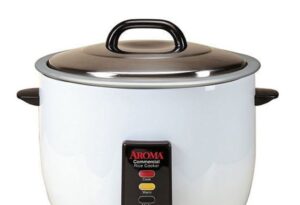
Before you decide can you fry in a rice cooker, you need to check the specifications. Not all rice cookers are alike, and some might handle higher temperatures or have special settings that could make frying possible. Read the manual carefully, and look for specific details on temperature range. Checking these details will help you determine if your specific rice cooker is suitable for frying.
Check the Manual
Your rice cooker’s manual is your best friend when figuring out its limits. The manual often gives helpful information about what the appliance can and can’t do. It gives advice on safe usage and what ingredients to avoid. It might also describe any temperature controls or settings you should know about. If you no longer have the manual, look online. Most brands have them available on their websites.
- Temperature Settings: See if your rice cooker has any temperature settings other than “cook” and “warm.” Some advanced models might offer a “slow cook” or “keep warm” feature.
- Material Specifications: The manual often explains the materials used in the inner pot. Knowing this helps you understand whether it’s safe to use high heat or oils.
- Warranty Information: Find out if your warranty covers any damage from improper use, like trying to fry food in the cooker.
- Safety Warnings: Be aware of any warnings about using the rice cooker with oil or high-heat methods. These are really important!
Consider the Type of Rice Cooker
The type of rice cooker you have makes a big difference. Basic models probably aren’t ideal for frying. But some more advanced cookers, like those with multiple cooking functions, might offer more options. These can sometimes be used to fry things like eggs or small portions of vegetables.
- Basic Rice Cookers: These are usually just for cooking rice. They have very simple controls and don’t get very hot. They aren’t likely to work well for frying.
- Multifunction Rice Cookers: These have multiple settings, such as slow cook, steam, and sometimes even a “porridge” setting. Some might handle a higher temperature.
- Pressure Rice Cookers: These cook food under pressure, which helps them reach higher temperatures. However, they may still not be ideal for frying due to safety reasons.
- Induction Rice Cookers: These cook rice using induction technology. They heat the pot directly, and may have better temperature control compared to older models.
Trying to Fry in a Rice Cooker: What Works (and What Doesn’t)
Now, let’s explore if and how you can actually fry in a rice cooker. It’s really about picking the right foods and being super careful. You might have some success with small portions and foods that don’t need too much heat. The goal is to avoid overworking the appliance and to stay safe.
Foods That Might Work
Certain foods are more likely to work well than others. Think of items that cook quickly and need low to medium heat. The key is to avoid anything that requires deep frying or high temperatures. Be cautious of foods that produce a lot of moisture, as they might cause splattering or damage the cooker.
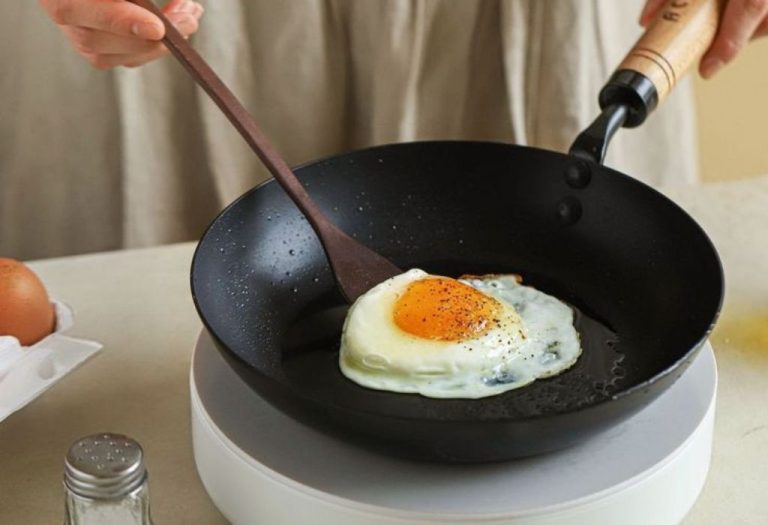
- Eggs: You might be able to fry an egg or two. This works best with a small amount of oil and low heat.
- Vegetables: Try lightly sautéing small pieces of vegetables, such as onions, peppers, or mushrooms. You want to cook them briefly without overdoing them.
- Some Small Fried Items: You could cautiously experiment with small pieces of pre-cooked foods like chicken nuggets or fish sticks.
- Pancakes: Some rice cookers can cook pancakes, if you pour a small amount of batter into the cooker.
Foods to Avoid
Some foods are a definite no-go for rice cooker frying. These are typically foods that need a lot of oil, high heat, or long cooking times. Avoid these to prevent potential risks.
- Deep-Fried Items: Things like French fries, donuts, or anything that requires being fully submerged in oil should be avoided.
- Large Portions: Trying to fry large amounts of food can overload the cooker and lead to uneven cooking.
- Foods That Spatter: Anything that splatters excessively, such as raw, breaded items, is best avoided to prevent burns.
- High-Moisture Foods: Avoid items that release a lot of water, like fresh vegetables with high water content, as this can cause steam buildup and uneven cooking.
Step-by-Step Guide: Trying to Fry in Your Rice Cooker
If you’re still determined to try, here’s a careful way to attempt it. Remember, this is about testing your limits, and it’s always better to err on the side of caution. Follow these steps, and keep a close eye on the process. Always do a test run first with a small portion of the food you want to cook.
- Prepare Your Ingredients: Cut any ingredients into small, even pieces. This helps with cooking.
- Add Oil: Put a small amount of oil into the rice cooker’s inner bowl. Just enough to lightly coat the bottom. Don’t add too much!
- Preheat (If Possible): If your rice cooker has a “slow cook” setting, use it. Otherwise, use the “cook” setting, but watch it carefully.
- Add Food Carefully: Place the food in the bowl. Don’t overcrowd it.
- Monitor Closely: Stay near the cooker to watch the food. Be ready to turn it off if you see smoking or problems.
- Remove the Food: When the food is cooked, carefully take it out. Use tongs to avoid burns.
- Clean Up: Let the rice cooker cool completely, then wash the bowl as usual.
Essential Safety Tips
Safety is the most important thing. Never leave the rice cooker unattended while trying to fry. Keep a fire extinguisher nearby and know how to use it. Be ready to deal with oil splatters and overheating. Prioritize a safe experience.
- Never Leave Unattended: Stay near the rice cooker while it’s in use. Don’t walk away.
- Use a Heat-Resistant Utensil: Always use tools that can handle heat to stir or remove food.
- Be Ready for Emergencies: Have a fire extinguisher or a lid nearby to cover the pot if the oil catches fire.
- Never Overfill: Put only a small amount of oil in the cooker. More oil might cause spills and make a mess.
- Watch for Overheating: If you see smoke or burning smells, turn off the cooker immediately.
Alternative Cooking Methods You Can Use
If you’re unsure or worried about frying, other methods are safer. These alternatives can help you cook delicious foods without putting your rice cooker at risk.
Sautéing and Pan-Frying
Sautéing and pan-frying give you more control over the cooking process. Using a proper pan allows you to get foods crispier. This method also lets you add more ingredients without overcrowding the cooking surface.
- Sautéing: Cook in a skillet over medium heat. Add a little bit of oil. Sauté veggies or meat for a quick meal.
- Pan-Frying: Use a frying pan and a bit more oil to cook food more deeply. Perfect for things like chicken or fish.
- Benefits: Better control over temperature and cooking time. Less risk of damage and easier cleanup.
Oven Baking and Air Frying
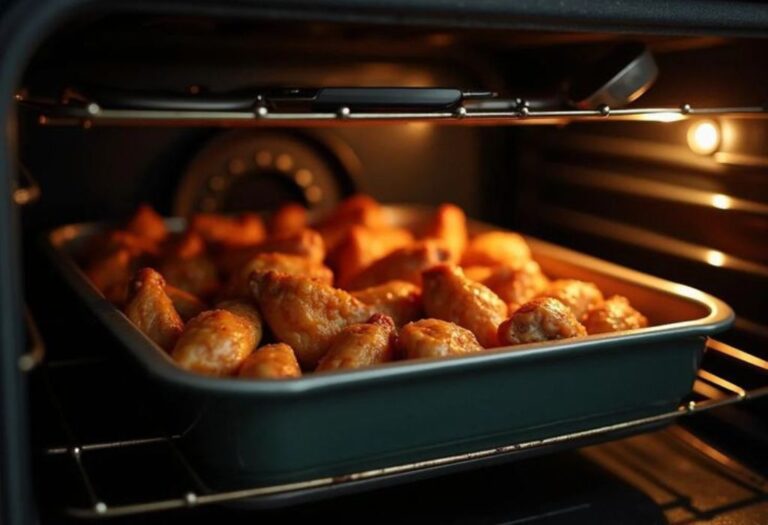
Baking in the oven or using an air fryer are great methods. The oven cooks foods more evenly, while an air fryer circulates hot air for crispy results. Both are much safer and better suited than rice cookers for preparing a wider range of dishes.
- Oven Baking: Use the oven for cooking things like chicken, vegetables, or even small batches of fries. It’s a great option for even cooking.
- Air Frying: Air fryers use hot air to make foods crispy with little to no oil. They’re great for replicating fried foods without the mess.
- Benefits: More even cooking, better results, and lower risk of accidents compared to rice cooker frying.
Frequently Asked Questions
Question: Is it safe to fry anything in a rice cooker?
Answer: It’s usually not recommended to fry anything in a rice cooker. The appliances aren’t built for high-heat cooking, and frying can damage them or cause safety issues.
Question: Can I deep fry in a rice cooker?
Answer: No, you should not deep fry in a rice cooker. Deep frying needs very high temperatures and a lot of oil, which rice cookers cannot handle safely.
Question: What’s the biggest risk with rice cooker frying?
Answer: The biggest risk is damaging the appliance, causing oil splatters, or potential burns. It is a good idea to always keep safety as the number one priority.
Question: Can I cook an egg in a rice cooker?
Answer: You can try to fry an egg in a rice cooker, but you should only use a very small amount of oil, and keep a close eye on it.
Question: What should I do if the oil starts smoking?
Answer: If the oil starts smoking, turn off the rice cooker immediately and let it cool. Carefully remove the food, and clean up the mess.
Final Thoughts
So, can you fry in a rice cooker? Technically, maybe, but there are better options. While it might be tempting to test out the limits of your rice cooker, it’s generally best to avoid frying in it. The potential for damage to your appliance and safety concerns outweigh the benefits. If you’re looking for crispy or fried foods, think about using a pan, oven, or air fryer instead. These cooking methods are safer and offer better results. Always remember to prioritize safety in the kitchen and use your appliances for what they’re designed for. Happy cooking!

I’m Emma J. Caldwell, the founder, lead writer, and home-cooking enthusiast behind KitchenGuideCo.com. With a background in culinary arts and over a decade of cooking experience in both professional and personal kitchens, I created this platform to demystify recipes, offer smart kitchen gadget reviews, and guide readers through meal prep with confidence and clarity.