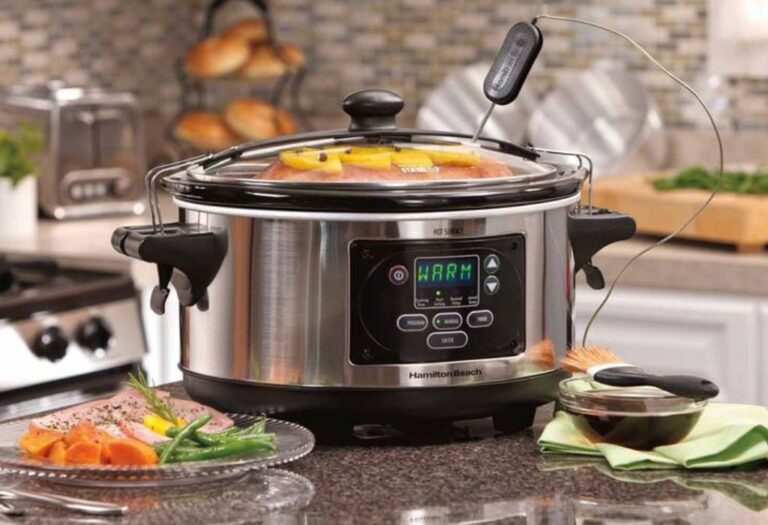
The question of can you open slow cooker while cooking often pops up for those new to slow cooking. It’s a common worry! You’re eager to check the food, maybe add something, or see how things are going. It’s understandable to wonder if peeking will ruin your meal. Don’t stress, this is easy to figure out. Let’s explore the ins and outs, so you can cook like a pro. We’ll examine the best practices to help you avoid common mistakes, and cook delicious meals.
What Happens When You Open Your Slow Cooker?
When you open a slow cooker, a few things happen that can affect your food. The primary issue is the loss of heat. Slow cookers work by maintaining a consistent temperature, which is key to cooking food slowly and evenly. When you lift the lid, a significant amount of the built-up heat escapes into the air. This sudden drop in temperature can disrupt the cooking process. As the heat diminishes, the cooking time will change.
The amount of time the lid is open is also a key factor. Briefly lifting the lid to stir or add ingredients may have a smaller impact than leaving it open for several minutes. Moreover, the type of food being cooked plays a role. Dishes that require high temperatures, such as roasts, could be affected more than stews or soups that simmer at lower temperatures. Understanding these elements can help you make informed decisions when cooking.
Heat Loss and Cooking Time
The most immediate effect of opening your slow cooker is heat loss. According to cooking experts, each time you open the lid, the slow cooker loses a significant amount of heat. This can take up to 20 minutes to recover. This heat loss can significantly extend the cooking time. The cooking process is designed to cook food at a consistent temperature, and by opening the lid, you are introducing variations in the temperature.
This heat fluctuation leads to inconsistency in cooking. For example, opening the lid too frequently when preparing a stew can lead to unevenly cooked ingredients. The meat might not be as tender, or the vegetables could be too firm. If you regularly interrupt the cooking cycle, it can significantly affect your overall outcome. This can result in food that is not cooked as expected. This makes it crucial to know how to open your slow cooker safely and efficiently.
- Impact on Food Texture: Repeatedly opening the slow cooker can impact the texture of the food. Opening the lid may cause food to become overcooked or dry.
- Extended Cooking Duration: The cooking time increases. When you open the lid, it can add extra time to ensure your meal is fully cooked.
- Uneven Cooking: Ingredients may not cook evenly. The temperature changes can affect how different parts of the dish cook.
- Flavor Development: The flavors might not blend well. Heat is important for the blending and enhancing of the flavors.
Airflow and Moisture
Opening the lid affects not just the temperature, but also the airflow and moisture levels within the slow cooker. The steam that builds up inside the cooker is a crucial part of the cooking process. This steam helps keep the food moist and also helps in tenderizing tougher cuts of meat. When the lid is opened, this steam escapes, which leads to a decrease in the moisture inside the cooker.
When the moisture level decreases, the food can dry out, and this is especially true for foods that require long cooking times. For example, a roast might become tough and chewy instead of tender and falling apart. Moreover, the steam also helps in the transfer of flavors between the different ingredients in the pot. It helps the various flavors to mix. So, when you open the lid, you might affect the final taste of your meal.
- Moisture Escape: Moisture is essential for proper cooking. It provides the steam that is key to tenderizing foods.
- Flavor Dilution: The steam helps in the transfer and mingling of flavors among the ingredients. Opening the lid can dilute the flavors.
- Dryness: Foods, especially meats, can dry out. The consistent moisture level is key to keeping food tender.
- Texture Changes: The texture of the food can change. Without enough moisture, the food can become tough.
Practical Implications for Cooking
The practical implications of opening your slow cooker can be significant. The most visible result is potentially extending the cooking time. A meal that was supposed to take six hours might end up needing seven or eight. This has the potential to throw off meal plans, especially when you are cooking for a specific time.
Opening the lid too often can lead to overcooked or undercooked food. For example, opening the lid frequently when making a soup might lead to overcooked vegetables or undercooked meat. If you are preparing a dish that has precise timing, it’s best to avoid opening the lid. Preparing a meal can become trickier. You might need to adjust your recipes to keep the food perfect.
- Plan Ahead: Consider ingredients and how often they’ll need checking. For example, if adding something late, place it at the top to add quickly.
- Minimize Lifts: Limit the number of times you open the lid. Planning your cooking process is important.
- Use Timers: Set timers. Use timers to remind yourself when to check the food.
- Monitor Carefully: Keep a close eye on your meal while it cooks. It will help to anticipate when you might need to make adjustments.
When Is It Okay to Open a Slow Cooker?
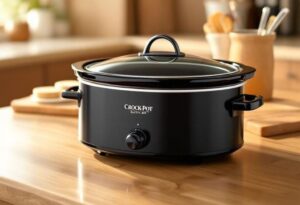
While opening the slow cooker should be kept to a minimum, there are times when it’s necessary or beneficial. Deciding when to open it depends on the recipe and the stage of cooking. Understanding the “why” behind each decision will help make sure your meal turns out great.
However, you should keep the lid closed. For instance, recipes that call for adding certain ingredients at specific times may require lifting the lid. Certain recipes for complex dishes may benefit from a mid-cook stir to ensure even cooking. Additionally, if the recipe specifies adding liquid or checking for doneness, you should feel free to open the cooker.
Adding Ingredients During Cooking
Adding ingredients is a common reason to open a slow cooker. Many recipes call for adding items at different stages. For example, vegetables that cook faster, such as peas or corn, are often added later in the process. This ensures they don’t become overcooked and mushy.
Opening the lid to add ingredients is fine if done strategically. Open the lid quickly. Have your ingredient ready to go, and add it promptly. By adding fresh herbs, spices, or sauces toward the end, it will maintain their freshness and flavor. You can add ingredients such as pasta, beans, or pre-cooked items when you are closer to the end. That way they are added at the appropriate time.
Checking for Doneness
Checking if food is cooked is another reason to open the slow cooker. This is especially important when cooking meat, where the internal temperature is a good indicator of doneness. You can use a meat thermometer. However, you should try to be quick to minimize heat loss.
Be aware that frequently opening the lid to check doneness can extend the cooking time. For example, if you open the lid every hour to test a roast, you will lose a lot of heat, thus increasing the cooking time. In some cases, opening the lid during cooking is necessary. It is important to know when to check without having it become a constant practice.
Stirring or Adjusting
Stirring or making adjustments can be necessary in some recipes. This is particularly true for dishes that contain ingredients that tend to settle or cook unevenly. Stirring can help to redistribute flavors. However, stirring isn’t always needed, depending on the recipe.
When you stir, carefully move the ingredients around, especially if there are layers of food or ingredients that can stick to the bottom. For example, you might need to stir a sauce to prevent it from sticking or burning. If you see signs of burning, stirring can help. It’s often enough to move the food around. Remember that the lid should be closed quickly after stirring to maintain the heat.
Best Practices to Follow
Following the right practices will help minimize negative effects. Planning ahead, choosing the right temperature, and using tools can make a difference in your slow cooking. These tips will help you cook great meals consistently and avoid common mistakes.
For example, knowing when to add ingredients and using a meat thermometer can improve your cooking. When you master these methods, you’ll find slow cooking to be both easier and more enjoyable. From planning meals to monitoring cooking times, a careful approach will help create delicious dishes every time.
Planning and Recipe Preparation
Good planning makes opening your slow cooker less frequent. Before you start cooking, read your recipe thoroughly. Make a list of all the ingredients, especially those to be added later. Then prep all ingredients before you start. Chopping vegetables, measuring spices, and preparing sauces in advance helps you avoid frequent lid lifting.
Consider the timing for adding ingredients. If the recipe calls for adding something late, place it at the top so that you can add it quickly. Understanding the recipe and setting up in advance ensures a smooth cooking process. For instance, when cooking a stew, chop your vegetables, measure your spices, and get everything ready. These preparations will reduce the need to open the lid.
Using the Right Temperature
Choosing the correct temperature setting can reduce the need to open your slow cooker. Most slow cookers have “low” and “high” settings. The “low” setting is perfect for long cooking times, like 6 to 8 hours. The “high” setting cooks food more quickly. Using the right setting for the recipe will help cook food evenly and make it tender.
Knowing your slow cooker’s settings will help you cook great meals. For instance, if a recipe suggests a long, slow cook, using the “low” setting is a good option. However, if you are short on time, you can use the “high” setting for a shorter cooking period. Adjust the settings based on your schedule to reduce the need to open the lid.
Utilizing Accessories and Techniques
Some accessories and techniques can help minimize the need to open your slow cooker. Using a meat thermometer can check the internal temperature of meats. This helps you avoid opening the lid constantly to see if it’s done. Also, consider using a slow cooker liner. This makes it easier to lift the food out and check.
A liner helps prevent food from sticking to the pot and makes clean-up easy. If you are preparing a large roast, consider using a rack. This rack helps separate the meat from the bottom, preventing it from burning. These accessories provide useful tools to improve cooking. The right accessories and methods can also make your cooking process easier.
Myths and Misconceptions
Many myths about slow cooking can lead to uncertainty about opening the lid. Some people believe that opening the lid ruins the entire meal, while others think it’s perfectly fine to check frequently. Setting these myths straight will help you cook great meals and use your slow cooker confidently.
For example, some believe that opening the lid frequently doesn’t affect the cooking time. It can increase the cooking time. The best part is that you can still open the lid when you need to. However, it is vital to know the truth behind myths, so you know how to cook a perfect meal.
Frequent Lid Lifting Doesn’t Matter
One common myth is that opening the lid does not significantly affect the cooking process. Many people assume that the temperature drop is minimal and that it doesn’t affect the final result. In reality, opening the lid often has a noticeable effect on cooking time and the final outcome of the dish.
Each time you open the lid, heat escapes. According to many experts, the cooking time can be extended by 15-30 minutes. The moisture level also changes, so you might end up with dry meat. You can check the recipe before you cook. A well-planned approach to opening the lid will ensure that you don’t ruin your cooking. Be aware that opening the lid often will affect your meal.
All Slow Cookers Are the Same
Another myth is that all slow cookers operate the same way. People assume that the temperature settings and heat retention are consistent across all models. The truth is that different slow cookers vary in their design and heat efficiency. Knowing the specifications of the slow cooker can lead to better meals.
Some slow cookers have better heat retention than others. Opening the lid on a less efficient model can lead to a more drastic temperature drop. Consider the model and its specifications when cooking. It will help you adjust the cooking time. Also, you should follow recipe instructions and consider your slow cooker’s specific features.
Adding Cold Ingredients Halts Cooking
Adding cold ingredients is something many cooks worry about. Some believe that adding cold ingredients halts the cooking process. The impact is relatively small. The slow cooker will quickly recover the temperature, and the overall effect on cooking time is minimal.
You can add cold ingredients during the cooking process. For instance, if you’re adding vegetables like peas or corn at the end, they won’t significantly lower the temperature. A brief temperature dip is insignificant compared to the overall cooking time. Do not worry about the temperature; it’s a minor inconvenience.
Slow Cooker Recipes with Limited Lid Lifting
Some recipes are designed to minimize lid lifting, which makes them perfect for those concerned about this. These dishes typically involve all ingredients at once, making it possible to set and forget. This section will help explore meals that are both flavorful and simple to prepare.
By preparing these recipes, you can enjoy tasty meals. Consider simple recipes that require minimal checking and stirring. It will help you cook great food without having to worry about opening the lid often. Preparing your meals is as simple as adding everything and letting the slow cooker work its magic. Here are some of those easy-to-cook recipes.
Simple Pot Roast
Pot roast is a classic slow cooker meal. Place a chuck roast in the slow cooker with some vegetables like potatoes, carrots, and onions. Add some beef broth, herbs, and spices. Set the cooker on low for 6 to 8 hours. The low and slow cooking method allows the meat to become very tender.
The beauty of this recipe is that all ingredients go in at once. There is no need for checking or stirring. This results in a flavorful, tender meal without opening the lid. You can add the ingredients, set the temperature, and let the slow cooker handle the rest. This meal is great for busy weeknights.
Chicken and Vegetable Stew
A chicken and vegetable stew is another great slow cooker option. Combine chicken breasts, various vegetables (such as carrots, celery, and potatoes), and broth. You can also add some herbs and seasonings to a slow cooker. Cook it on low for 6 to 8 hours, or on high for 3 to 4 hours. Stir in some fresh herbs at the end for an added flavor.
This recipe is easy to prepare because it calls for minimal lid lifting. Simply toss all the ingredients into the slow cooker. You can enjoy a hearty and satisfying stew without worrying about opening the lid. The low and slow cooking method is ideal for creating deep flavors and tender meat.
Pulled Pork
Pulled pork is great for the slow cooker. Place a pork shoulder or pork butt in the slow cooker with some spices and seasonings (such as salt, pepper, and paprika). Add some barbecue sauce. Then cook on low for 8 to 10 hours. The long cooking time breaks down the meat, making it tender.
For this recipe, you add the ingredients at the beginning of the cooking process. There is no need to open the lid during cooking. Once the cooking is done, shred the meat with forks and mix with sauce. You’ll get a very tender, delicious meal with minimal effort.
Troubleshooting Common Issues
Knowing how to handle common issues that occur during slow cooking is important. This includes troubleshooting undercooked food, dry results, and other problems. These tips will help you manage these issues to ensure a successful cooking experience. By knowing how to correct these problems, you can adjust your cooking.
Many of these problems can be fixed with quick adjustments. Be sure to use these techniques to improve the taste and texture of your dishes. These methods can help you turn any meal into a success. This will also help you save time and effort. Also, it’s better to understand how to fix these common issues.
Undercooked Food
Undercooked food is a common problem in slow cooking. If your meal is undercooked, it often means that the cooking time was too short or the temperature was too low. One solution is to increase the cooking time. The amount of time depends on the specific food and how undercooked it is.
If the food is nearly done, cooking on high for a short time can help. Otherwise, keep the lid on, and cook on low for about an hour. If the food is not done after cooking for more time, it is recommended to check the slow cooker and the food. Use a meat thermometer to ensure that the meat is cooked to the internal temperature.
Dry Results
Dry results can occur when cooking in a slow cooker. This usually happens when the cooking time is too long, or the dish lacks enough moisture. When the food dries out, there are several actions you can take to make the food moist. It is recommended to add more liquid like broth, water, or sauce.
After adding liquid, cook on low for an extra hour to allow it to rehydrate. You can also check if you are opening the lid too often. Avoid lifting the lid often. For example, add the liquid at the beginning or near the end. These steps should fix the problems and help you enjoy a delicious and satisfying meal.
Uneven Cooking
Uneven cooking occurs when some parts of the food are cooked faster than others. This is often because ingredients are not evenly arranged. Ensure that the ingredients are arranged in a way that promotes even heat distribution. For instance, put the bigger and tougher pieces at the bottom.
You can also use a rack to help distribute the heat more evenly. In addition, stirring the ingredients a few times during cooking helps. However, it is better to avoid opening the lid. If you must open the lid, close it as fast as possible to prevent heat loss. These steps will make sure all ingredients get cooked perfectly and evenly.
Frequently Asked Questions
Question: Does opening the slow cooker lid make a big difference?
Answer: Yes, opening the lid causes heat loss and can extend cooking time by 15-30 minutes, impacting food texture and flavor.
Question: Can I add ingredients during the cooking process?
Answer: Yes, but add them quickly and at the right time based on the recipe to minimize heat loss.
Question: How can I tell if meat is cooked in a slow cooker?
Answer: Use a meat thermometer to check the internal temperature, which is the most reliable method.
Question: Can I stir my food while it’s cooking?
Answer: Yes, stirring can help distribute flavors and ensure even cooking, but do it quickly to avoid heat loss.
Question: What’s the best way to prevent food from drying out?
Answer: Ensure sufficient liquid at the start, minimize lid lifting, and avoid overcooking.
Final Thoughts
So, can you open slow cooker while cooking? The answer is: yes, you can, but with careful consideration. Opening the lid does impact your cooking process, mainly through heat loss, and a decrease in moisture, but by understanding the how and why, you can still produce delicious meals. Knowing when to add ingredients, how to check for doneness, and using the right accessories makes all the difference. When you open it, do it quickly and efficiently, and the impact will be minimal.
Ultimately, by planning your recipes well, minimizing lid lifting, and applying a bit of know-how, you can confidently use your slow cooker. Slow cooking offers an excellent way to prepare delicious meals with minimal effort. Have fun trying new recipes, and don’t be afraid to experiment. With these tips, you can master slow cooking and enjoy great food every time.

I’m Emma J. Caldwell, the founder, lead writer, and home-cooking enthusiast behind KitchenGuideCo.com. With a background in culinary arts and over a decade of cooking experience in both professional and personal kitchens, I created this platform to demystify recipes, offer smart kitchen gadget reviews, and guide readers through meal prep with confidence and clarity.