Crystal glassware looks elegant on dining tables and special occasions, but its delicate nature raises many questions about proper cleaning. When people wash dishes after a celebration, the temptation to place crystal in the dishwasher feels strong because it saves time.
Moments later, doubt appears because crystal feels fragile compared to regular glass. People wonder whether the dishwasher heat or detergent might cause cloudiness or cracks.
Many families store crystal items for years and only use them during holidays, making it even harder to know the correct washing method. Some glasses feel light and thin, while others feel heavier and sturdier, adding to the confusion.
Stories circulate about crystal pieces turning cloudy or losing shine after only one dishwasher cycle. These stories make homeowners nervous about risking their valuable items.
Crystal can survive for decades when cared for correctly, but it can also be destroyed within minutes under the wrong conditions. Dishwasher settings and detergents affect it in different ways.
Understanding how crystal reacts to heat, pressure and chemicals helps protect its clarity and brilliance for years.
What Is Crystal And Why It Requires Special Care

Crystal contains minerals such as lead oxide or alternative materials that increase clarity and brilliance. These minerals make crystal sparkle but also make it more sensitive to temperature changes.
Because crystal is softer than regular glass, it scratches more easily. Even light friction from dishwasher racks can cause damage.
The thin walls on many crystal glasses make them vulnerable to cracking from sudden heat exposure. Dishwashers often change temperature quickly between wash and rinse cycles.
Strong detergents also react with crystal surfaces. This reaction creates a cloudy film that is difficult or impossible to remove.
Crystal requires careful washing to preserve its shine and prevent structural weakness.
Is crystal stronger than regular glass
Crystal is more delicate and prone to scratches.
Does mineral content affect durability
Yes, minerals increase beauty but reduce toughness.
Can dishwasher heat weaken crystal
Sudden temperature changes can cause cracks.
Is crystal safe with strong detergents
Harsh chemicals damage clarity.
Does crystal need gentler cleaning
Yes, it requires soft and controlled washing.
How Dishwashers Damage Crystal
Dishwashers use high heat during both washing and drying cycles. Crystal cannot tolerate these extreme changes without risk.
Rapid heating expands the glass surface. As it cools suddenly, the contraction causes stress that leads to cracking or chipping.
Fast water jets inside the dishwasher strike delicate crystal edges. Repeated pressure increases the chance of breakage.
Dishwasher detergents contain strong cleaning agents designed for tough food residues. These chemicals react with the mineral content in crystal and cause cloudiness.
Once crystal becomes cloudy, restoring its original clarity is almost impossible.
Why Crystal Becomes Cloudy In Dishwashers
Cloudiness appears when minerals react with detergents or hot water. The microscopic surface becomes etched over time.
Etching is a permanent change that dulls crystal surfaces. Cloudy spots interrupt the sparkle that makes crystal valuable.
High heat also damages the smooth outer layer of crystal. When the protective layer breaks down, the surface becomes rough.
Detergent particles may cling to this roughness, making cloudiness worse. The effect gets stronger with every dishwasher cycle.
Preventing cloudiness is easier than removing it.
Is cloudiness permanent
Etched crystal cannot regain full clarity.
Do all detergents cause clouding
Strong formulas increase the risk significantly.
Does heat worsen clouding
High heat accelerates the etching process.
Can cloudiness form after one wash
Yes, delicate pieces may react immediately.
Is prevention possible
Handwashing stops cloudiness entirely.
Temperature Shock And Crystal Breakage
Crystal expands when heated and contracts when cooled. Dishwashers often shift temperature rapidly, causing stress.
This shock weakens thin rims and stems, making them vulnerable to cracks. Even sturdy crystal can break under repeated temperature changes.
The dishwasher drying cycle uses extremely hot air. Crystal pieces may shatter as they cool suddenly when the cycle ends.
Fragile stems and thin bowls on wine glasses break more easily under temperature shock. The break may be invisible at first but worsen over time.
Crystal stays safest when cleaned in consistent warm water.
Water Pressure And Rattling Inside The Dishwasher
Dishwashers spray water at high pressure to remove dirt. Crystal cannot withstand this pressure without risk.
Water jets strike the sides and rims of delicate pieces. The force increases the chance of chips or cracks.
Dishwasher racks allow items to rattle during cycles. Even small movements cause friction between crystal surfaces.
Rattling also occurs when the machine vibrates. Vibrations make crystal clink against metal racks and nearby dishes.
Any contact can damage thin crystal layers.
Does rattling damage crystal
Yes, even light movement causes scratches.
Can pressure from water jets break crystal
High water force can chip delicate rims.
Is dishwasher vibration harmful
Vibration makes crystal hit the racks.
Do racks protect crystal fully
Most racks cannot stabilize fragile pieces.
Can padding help
Padding reduces movement but does not eliminate water pressure.
When Crystal Can And Cannot Go In The Dishwasher
Most crystal should never be placed in the dishwasher. The risks of clouding, cracking and breakage are extremely high.
Only some modern crystal labeled dishwasher safe can tolerate gentle cycles. Even then, manufacturers recommend cautious use.
Older crystal, heirloom pieces and items with thin stems should always be handwashed. These pieces are too fragile for machine cleaning.
Colored crystal also loses brightness when exposed to harsh detergent. Color fades faster under heat.
If the manufacturer label does not specify dishwasher safe, handwashing is the safest method.
How To Safely Wash Crystal By Hand
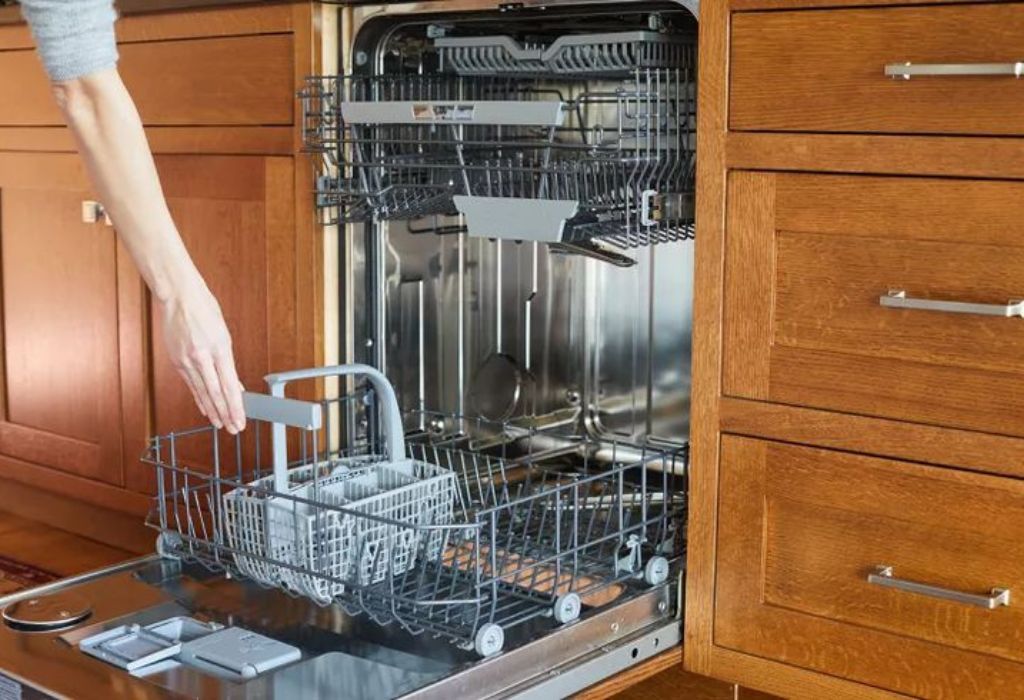
Wash crystal using warm water, never hot water. Warm temperatures protect the surface from shock.
Use a soft sponge or microfiber cloth. Hard scrubbers scratch crystal easily.
Mild dish soap cleans crystal without harming the minerals. Avoid strong or citrus based cleaners.
Rinse gently with warm water to remove soap completely. Sudden temperature changes must be avoided.
Dry crystal using a soft lint free towel to prevent water spots.
Should crystal soak in hot water
No, hot water causes expansion stress.
Can abrasive sponges be used
They scratch delicate surfaces quickly.
Is air drying safe
Air drying can leave mineral spots.
Should two hands be used
Yes, one hand supports the base while cleaning.
Do microfiber cloths protect shine
They prevent scratching and maintain clarity.
Storing Crystal To Prevent Damage
Crystal breaks easily if stored improperly. Upright storage keeps pressure off delicate rims.
Avoid stacking crystal because weight and friction cause structural damage. Each piece should stand separately.
Line storage shelves with soft padding. Padding absorbs vibration and protects the base.
Store crystal away from extreme temperatures. Hot cabinets or cold drafts weaken the material.
Keeping crystal stable prevents accidental cracks.
How To Fix Cloudy Crystal
Some cloudiness is temporary and comes from hard water spots. A vinegar rinse may remove mineral residue.
Permanent clouding from etching cannot be reversed completely. Etching changes the crystal structure permanently.
Gentle polishing may improve appearance but will not restore full brilliance. Most etched crystal loses value.
Avoid abrasive polishing creams because they scratch the surface. Use only soft cloths for light restoration.
Prevention is the best method for keeping crystal clear.
Can etched crystal be repaired
No, etched surfaces cannot return to original clarity.
Does vinegar fix cloudiness
It helps only with mineral spot residue.
Is polishing safe
Polishing improves appearance but must be gentle.
Are strong cleaners helpful
Harsh chemicals worsen the damage.
Should cloudy crystal be machine washed again
Never place it back in the dishwasher.
Conclusion
Crystal is beautiful, delicate and highly sensitive to the strong heat, pressure and detergents inside dishwashers. Even a single wash cycle can cloud or crack valuable pieces because crystal responds quickly to sudden temperature changes and chemical reactions.
Dishwasher jets, high temperatures and harsh detergents all contribute to damage that becomes permanent over time. These risks make dishwashers unsafe for almost all crystal items unless specifically labeled dishwasher safe.
Handwashing in warm water with mild soap remains the safest way to clean crystal. This method protects clarity, prevents cracking and preserves brilliance for years.
Proper care ensures your crystal glassware stays bright, elegant and ready for special occasions. Treating it gently guarantees long lasting beauty and prevents unnecessary damage.

I’m Emma J. Caldwell, the founder, lead writer, and home-cooking enthusiast behind KitchenGuideCo.com. With a background in culinary arts and over a decade of cooking experience in both professional and personal kitchens, I created this platform to demystify recipes, offer smart kitchen gadget reviews, and guide readers through meal prep with confidence and clarity.