A clogged dishwasher is frustrating, especially when water pools at the bottom or refuses to drain after a cycle. Many people reach for the strongest drain cleaner they know, and Drano seems like the fastest solution.
But the moment they hold the bottle near the dishwasher, a question appears: can Drano actually go inside the appliance without ruining it. The thought of pouring harsh chemicals into a machine filled with plastic, rubber and metal raises concern.
Dishwashers use sensitive components that are not designed to handle corrosive products. Harsh cleaners can melt seals, damage hoses and ruin the pump permanently.
Yet many homeowners are tempted to try Drano because it works well on sinks and bathtub drains. They assume it must work for a dishwasher too.
The risk becomes clear once you understand how dishwashers are built. Unlike simple pipes, dishwashers contain electrical systems and internal pathways that cannot tolerate strong caustic chemicals.
Knowing what Drano does inside a dishwasher helps protect your appliance from costly damage and prevents dangerous reactions.
Can You Put Drano In A Dishwasher
Drano should never be used inside a dishwasher under any circumstances. The product is formulated for open plumbing systems, not closed appliances.
Dishwashers contain plastic parts, rubber seals and electronic components that Drano can destroy. The strong chemicals break down materials quickly.
When Drano becomes heated during a wash cycle, it may release fumes that are unsafe. These fumes can damage the machine and harm the user.
The product may also splash into internal wiring. This creates electrical hazards that may cause short circuits.
Dishwashers require gentle cleaning solutions because they operate differently from sink drains.
Is Drano ever safe for dishwashers
No, it should not be used in any dishwasher model.
Can it damage the appliance immediately
Yes, Drano can melt seals and hoses quickly.
Does heat make the reaction worse
High temperatures intensify chemical damage.
Is this a safety issue
Using Drano in a dishwasher can be dangerous.
Does manufacturer warranty cover chemical damage
Most warranties exclude damage from harsh cleaners.
Why Drano Is Dangerous For Dishwashers
Drano contains sodium hydroxide and powerful cleaning agents designed to dissolve organic material. These chemicals react strongly with plastic.
Dishwashers are filled with plastic components, so Drano can melt or weaken them within minutes. Damaged parts lead to leaks and unsafe operation.
Rubber seals around the pump and door degrade quickly when exposed to caustic agents. Broken seals allow water to escape during cycles.
Internal hoses are also at risk. If they dissolve, the dishwasher may flood the kitchen floor.
Drano can also create dangerous fumes when heated inside the appliance.
What Happens If You Put Drano In A Dishwasher
If Drano is poured into a dishwasher, the first sign may be a strong chemical smell. This indicates a reaction with internal components.
Plastic parts may soften, warp or melt. Damage may not show immediately but becomes noticeable during future cycles.
Rubber gaskets may swell or crack. This disrupts sealing and causes leaks.
The circulation pump can corrode from chemical exposure. Pump failure leads to standing water and expensive repairs.
Water may begin to drip from the bottom of the machine.
Will the dishwasher still run
It may run but with hidden internal damage.
Can the pump survive Drano
No, the pump is extremely vulnerable.
Are hoses affected quickly
Yes, hoses degrade within hours.
Does melting cause leaks
Damaged parts allow water to escape.
Can Drano create toxic fumes
Yes, heated chemicals may release fumes.
Why Dishwashers Clog And How To Identify The Issue
Dishwashers clog when food particles collect in the filter or drain area. Over time, buildup restricts water flow.
Grease from dirty dishes also solidifies in hoses. This hardened grease slows drainage and produces odors.
Spray arms may become blocked by seeds and debris. Blocked spray arms prevent proper cleaning and cause residue buildup.
The drain pump may also fail or weaken with age. A weak pump cannot push water through the drain hose effectively.
Understanding the cause of the clog helps choose the safest cleaning method.
Safe Alternatives To Drano For Dishwasher Clogs
Vinegar and baking soda work as natural cleaners for mild clogs. They break down residue without harming plastic.
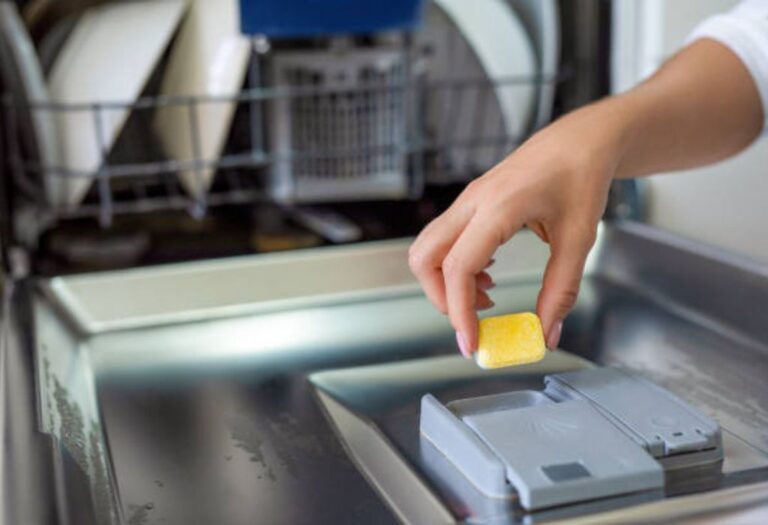
Dishwasher safe cleaning tablets help remove grease and buildup. These tablets are formulated for internal components.
Hot water flushes loosen grease inside hoses. Running a hot cycle helps clear mild blockages.
Manually cleaning the filter removes the majority of clogs. Filters trap food particles that often cause drainage issues.
Professional plumbers use safe tools for clearing deep blockages.
Is vinegar safe for dishwashers
Yes, it does not damage plastic or seals.
Do cleaning tablets work
They dissolve grease effectively.
Can hot water help
Hot cycles soften built up grime.
Is manual cleaning important
Most clogs begin in the filter area.
Should I call a plumber
Call a professional for deep or stubborn blockages.
How To Clean The Filter Instead Of Using Drano
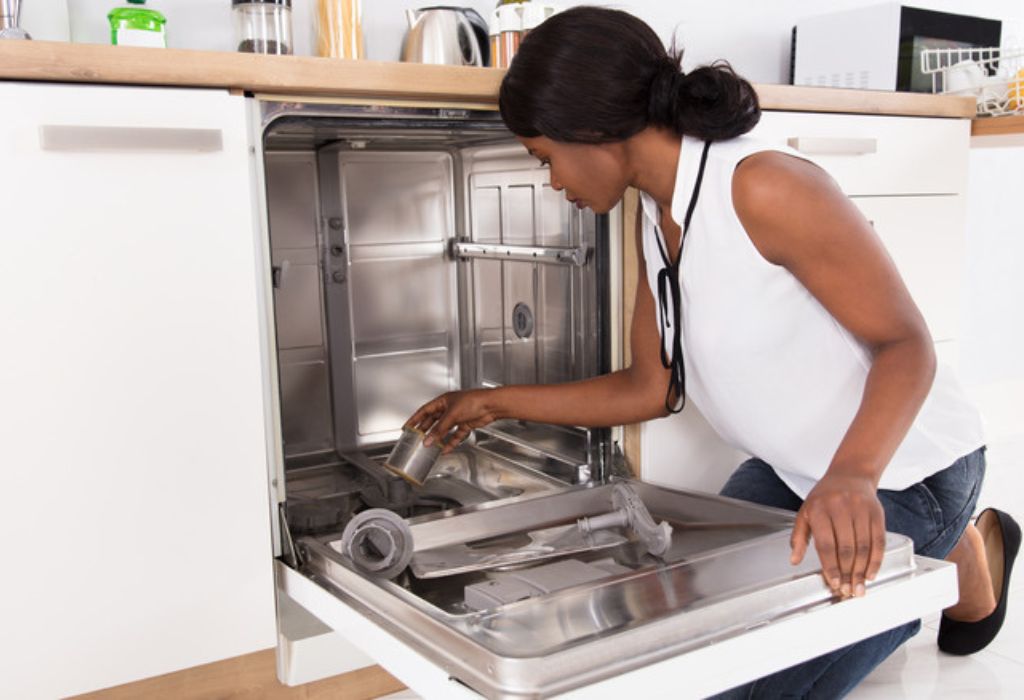
The dishwasher filter sits at the bottom of the machine. Removing it allows access to trapped debris.
Washing the filter under warm water clears most blockages. A soft brush helps remove sticky particles.
Grease and food residue often hide under the filter screen. Cleaning the screen prevents future odors.
The filter should be cleaned weekly for heavy dishwasher use. Frequent cleaning prevents major clogs.
Once the filter is clean, drainage improves immediately.
Cleaning The Drain Hose Safely
If the clog is inside the drain hose, safe methods can remove debris. Hot water helps soften hardened grease.
Disconnecting the hose gives full access to buildup. A plumber’s tool clears blockages without chemicals.
Hose cleaning is more effective than pouring liquid cleaners. Chemical use risks melting the hose entirely.
Regular maintenance prevents hose clogging. Rinsing dishes lightly reduces the chances of stuck food.
Reattaching the hose securely ensures no leaks during operation.
When To Call A Professional Instead Of Using Drano
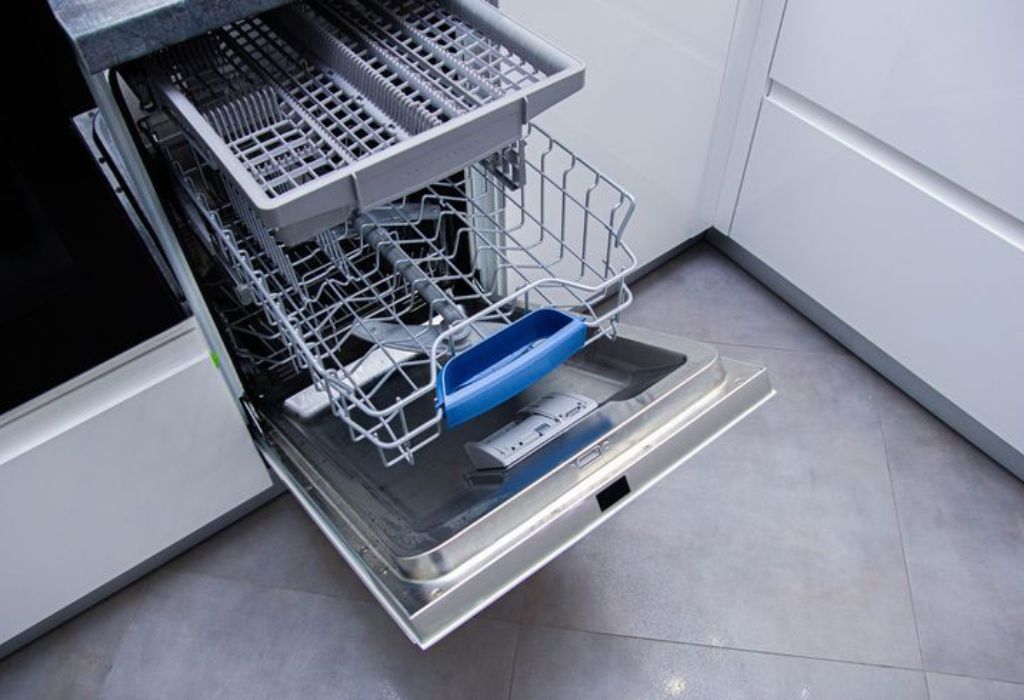
If water remains at the bottom of the dishwasher even after cleaning the filter, the clog may be deeper. A plumber can identify the clog location quickly.
If the drain pump makes noise or struggles to drain, calling a technician prevents further damage.
Plumbers use safe tools that protect internal dishwasher components. Their methods avoid chemicals entirely.
Attempting to fix deep clogs with Drano increases repair costs. Pump and hose replacements are expensive.
Professional help ensures long term safety and prevents appliance damage.
Is calling a plumber necessary
Yes, when clogs occur deeper in the system.
Can DIY attempts make things worse
Chemical cleaners may cause more damage.
Is pump failure fixable
Only with professional repair or replacement.
Should Drano be avoided completely
Always avoid Drano in dishwashers.
Do professionals use chemical cleaners
No, they use mechanical tools instead.
Conclusion
Drano should never be used in a dishwasher because its strong chemicals melt plastic, damage rubber seals, corrode pumps and create dangerous fumes. Dishwashers are built with sensitive components that cannot tolerate caustic drain cleaners designed for open plumbing systems.
When Drano enters the appliance, it can cause leaks, pump failure, cracked hoses and permanent interior damage. Understanding these risks helps homeowners choose safer cleaning methods that protect the dishwasher.
Cleaning the filter, flushing the hose, using dishwasher safe cleaners or calling a professional are the safest ways to remove clogs. These methods clear blockages without harming the appliance.
With proper care, a dishwasher remains efficient, safe and reliable for years. Avoiding Drano ensures long term performance and prevents costly repairs.

I’m Emma J. Caldwell, the founder, lead writer, and home-cooking enthusiast behind KitchenGuideCo.com. With a background in culinary arts and over a decade of cooking experience in both professional and personal kitchens, I created this platform to demystify recipes, offer smart kitchen gadget reviews, and guide readers through meal prep with confidence and clarity.