Figuring out can you put slow cooker in dishwasher is a common question, especially for new cooks. It seems tricky because of the different parts and materials. Don’t worry, though! The answer is usually pretty straightforward, and we’ll break it down into easy steps. We’ll explore the parts of your slow cooker, the dishwasher-safe components, and how to keep your appliance in good shape. Let’s get started!
Understanding Your Slow Cooker’s Components
Before you even think about the dishwasher, it’s important to know your slow cooker. Most slow cookers are made up of several parts, each with a different purpose and material. This section helps you familiarize yourself with the components so you can make informed decisions about cleaning. Knowing your cooker helps prevent damage, keeping it working well and safely for many meals.
The Main Components of a Slow Cooker
- The Crock (or Insert): This is the part that holds the food. It’s usually made of ceramic, stoneware, or a similar material. The crock is often the heaviest part and sits inside the slow cooker base. Its shape varies by size. Depending on the materials, its design allows for even heat distribution, critical for slow cooking. Its porous nature can sometimes absorb odors if not cleaned properly.This component is the heart of the slow cooker experience. It is where all the magic happens. The size of the crock varies, so it’s essential to choose one that fits the needs of your family or the amount of food you usually prepare. From small, individual-sized crocks to large ones that can cook for a crowd, the choice depends on your requirements.
- The Lid: This is the glass or tempered glass cover that sits on top of the crock. Its main job is to trap heat and moisture, which is essential for the slow cooking process. Lids are typically designed to be snug-fitting to help maintain a consistent temperature. They often have a handle for easy removal.The lid is often see-through, allowing you to check on your meal without lifting it. It also aids in preventing spills and maintaining the cooker’s internal climate. Keep your lid clean to maintain clear visibility and ensure your food cooks uniformly. A dirty lid can affect cooking times and overall effectiveness.
- The Base: This is the electric part of the slow cooker. It houses the heating element and controls. The base is usually made of metal or plastic. It’s where the crock sits and gets heated. The base typically includes controls like on/off, temperature settings (low, high, warm), and sometimes a timer.The base is the functional powerhouse. It contains the electrical components that make slow cooking possible. The base is not meant to be submerged in water. Proper care of the base ensures the longevity and safety of your slow cooker. The controls allow you to regulate the cooking process to fit your recipe.
- Handles: Many slow cookers have handles on the crock and sometimes on the lid. These make it easier to lift and move the components, especially when they’re hot and full of food. The handles should be heat-resistant and durable.Handles provide an easy and safe way to transport the slow cooker parts. They can be found on both the crock and the lid. Ensure the handles are secure before carrying the cooker. The design and material of the handles add to the cooker’s convenience and overall user experience.
Dishwasher Safety and Slow Cooker Parts
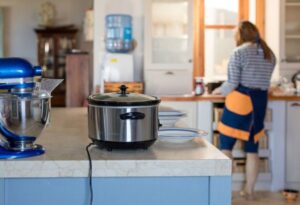
A crucial thing to know about can you put slow cooker in dishwasher is which parts are safe and which aren’t. Not all parts are made to withstand the high heat and strong detergents of a dishwasher. Knowing the materials helps you avoid damaging your cooker. This section details what is safe to put in the dishwasher and what should be hand-washed, helping maintain the lifespan of your appliance.
Dishwasher-Safe Components
- The Crock (or Insert): Generally, the crock is dishwasher-safe. However, this depends on the manufacturer and the material used. Ceramic or stoneware crocks are usually fine. Always check the manufacturer’s instructions to confirm.Ceramic and stoneware are durable materials often designed to withstand the heat and water pressure of a dishwasher. However, even if it is dishwasher-safe, check for any special warnings. Some may recommend placing it on the top rack. It’s always best to be sure. Dishwasher-safe crocks can simplify cleanup, especially after a big meal.
- The Lid: Glass lids are almost always dishwasher-safe. Tempered glass is designed to withstand high temperatures and can handle the dishwasher without breaking. Always place the lid in a secure position to avoid damage.Glass lids are designed for easy cleaning, and the dishwasher is perfect for this purpose. Be careful about placement to prevent bumping into other items. The dishwasher’s cleaning action gets rid of any food residue, keeping the lid clean and clear for use. Glass lids are designed to be strong, but careful handling is always a good idea.
Components That Are NOT Dishwasher-Safe
- The Base: The base should never go in the dishwasher. It contains the electrical components that could be damaged by water. Submerging the base can cause a short circuit or damage the heating element. It also puts you at risk of electric shock.The base needs to stay dry. Cleaning the base should only involve wiping it with a damp cloth. Make sure the slow cooker is unplugged before cleaning. This keeps the electrical parts safe and prevents potential harm. Protecting the base ensures the slow cooker functions correctly and safely.
- Some Crock Designs: Although many crocks are dishwasher-safe, those with special coatings or finishes might not be. Check the manufacturer’s directions. If unsure, hand-washing is the safer option.Certain crock designs include non-stick coatings or decorative elements. The dishwasher’s strong detergents and high heat could damage these. Check the product’s label or manual. It’s wise to use a gentle approach to cleaning, especially if you want to keep the coating in great shape. Hand washing helps to maintain the quality.
Step-by-Step Guide: Cleaning Your Slow Cooker
This section will walk you through how to clean your slow cooker, covering different cleaning methods based on the parts. This will help you keep your slow cooker in great shape, preventing any buildup of food residue or damage to the appliance.
Cleaning the Crock and Lid
- Cool Down: After cooking, let the crock and lid cool completely before cleaning. This prevents cracking or thermal shock. Never add cold water to a hot crock, as this could cause it to break. Let everything cool naturally.Giving the parts time to cool allows the materials to contract naturally. Thermal shock happens when a hot item is exposed to a sudden temperature change, such as cold water. This can cause the material to crack or break. Ensuring that everything is cool, helps maintain the longevity of the slow cooker.
- Dishwasher Cleaning: If the crock and lid are dishwasher-safe, load them into the dishwasher. Place the crock on the bottom rack and the lid on the top rack. Use regular dishwasher detergent and select a normal wash cycle.Placing items properly ensures they get cleaned efficiently and safely. Positioning the crock and lid correctly in the dishwasher maximizes the cleaning process. Follow the dishwasher manufacturer’s instructions. This avoids any possible damage to the parts or the dishwasher itself.
- Hand-Washing: If your crock is not dishwasher-safe, hand-wash it in warm, soapy water. Use a soft sponge or cloth to avoid scratching the surface. Rinse thoroughly and dry completely before storing.Hand-washing protects the cooker, especially parts with sensitive finishes. Washing by hand gives you control over the cleaning process. The soft sponge or cloth removes grime without harsh abrasives. Thorough rinsing removes soap residue, and complete drying prevents odors or mold.
Cleaning the Base
- Unplug and Cool: Before cleaning the base, unplug the slow cooker and let it cool. Never attempt to clean it while it is plugged in or still hot. Make sure you avoid burns from touching the heating element.Unplugging the slow cooker eliminates electrical hazards. Allowing the appliance to cool ensures safe handling. This preparation is a very important step. Ensuring the appliance is off and cool creates a safe setup to do a safe, reliable cleaning.
- Wipe Down: Use a damp cloth or sponge to wipe the exterior and interior surfaces of the base. Avoid getting water inside the base, especially near the electrical components.A damp cloth or sponge effectively removes food splatters and residue. Ensure no excess water enters the base to avoid damaging electrical parts. Be sure to dry the base fully. Then you can put the crock back inside and use the appliance again.
- Stubborn Stains: For tougher stains, use a little bit of mild soap on the cloth. Be sure to rinse it well. Then wipe the area again with a clean, damp cloth. Dry completely before using or storing.Soap helps lift grime and stains from the surface of the base. Gently scrub the areas with a damp cloth. A quick, clear rinse ensures the removal of any soap residue. After all of this, drying is key for any remaining moisture. Cleaning the base keeps your slow cooker looking great and prevents odors.
Tips for Maintaining Your Slow Cooker
Following a regular cleaning routine ensures that your slow cooker functions well and lasts for a long time. These tips help you to preserve your slow cooker’s quality and functionality. This helps your appliance maintain the lifespan and safe use of your slow cooker. Taking good care helps you keep your favorite recipes working.
Preventing Food Buildup
- Use Liners: Using slow cooker liners can make cleanup much easier. These disposable liners fit inside the crock, preventing food from sticking. This minimizes the mess and makes cleaning much simpler.Slow cooker liners create a barrier between the food and the crock. They’re a super way to prevent any food particles or residues from sticking. Because there’s less direct contact, cleanup involves simply removing the liner and discarding it. This is useful for preventing odors.
- Pre-Soak: If food does stick, fill the crock with warm, soapy water and let it soak for a while before washing. This helps to loosen food particles. This pre-soaking helps remove tough stains with little effort.Soaking is great for softening dried-on food. Warm, soapy water works to break down these particles, making them easier to wipe away. If food is stuck, soaking ensures all residue is removed easily and avoids a lengthy cleaning process.
- Avoid Abrasives: Don’t use abrasive cleaners or scrub pads, especially on the crock. These can scratch the surface and damage the non-stick coating (if any). Always use a soft sponge or cloth.Abrasive cleaners can scratch and damage the materials, potentially shortening the life of your appliance. A soft sponge or cloth gently cleans without harming the surface, ensuring the crock’s lifespan. Be sure not to scratch the coating. Keeping the finish intact improves its function.
Dealing With Stubborn Stains and Odors
- Baking Soda Paste: For stubborn stains, make a paste of baking soda and water. Apply this to the stained area, let it sit, and then gently scrub and rinse. Baking soda is a gentle abrasive and helps eliminate odors.Baking soda works to remove stains and odors. The gentle scrubbing action helps to lift stuck-on food. This paste is effective and helps to keep your slow cooker clean and fresh. Baking soda’s cleaning abilities will remove stains and neutralize odors.
- Vinegar Soak: To remove odors, fill the crock with a mixture of water and white vinegar (equal parts). Turn the slow cooker on low for a short time (about 30 minutes). Let it cool, then wash as usual. The vinegar neutralizes odors.Vinegar is a natural deodorizer and disinfectant. It’s safe to use and very effective in eliminating odors. The heating process helps the vinegar spread evenly, ensuring that all odor-causing particles are removed. Washing after this process guarantees a clean, fresh-smelling slow cooker.
- Lemon Juice: Add lemon juice to water when cleaning. This can help with both stains and odors. It also leaves a fresh scent.Lemon juice is a natural cleaning agent and leaves a pleasant scent. It helps eliminate bad smells. This creates a clean cooking surface. Lemon’s citric acid helps to remove stains and makes your slow cooker smell fresh. This process enhances the cooking experience.
Common Problems and Troubleshooting
Sometimes, despite your best efforts, problems may pop up with your slow cooker. This section covers common issues and provides easy troubleshooting tips. It can help you figure out what to do and resolve common issues. This is about making sure that you get the most out of your slow cooker.
Dealing with Food That Sticks or Burns
- Too High Heat: Make sure the setting is appropriate for the recipe. Sometimes, cooking on high can cause food to burn or stick. Try using a lower setting.Cooking at the proper temperature is key to good results. Cooking at too high temperatures may cause food to burn. Following recipe instructions carefully helps prevent this problem. Adjusting the setting can help you ensure the food is cooked to perfection.
- Not Enough Liquid: Some recipes require a certain amount of liquid. If there’s not enough liquid, food can stick or burn. Always follow the recipe, including the amount of liquid needed.The right amount of liquid is essential for even cooking. Not enough liquid can cause the food to stick and burn. Ensure that there is enough liquid. This will keep the food from drying out. Adequate liquid also helps to distribute heat evenly.
- Pre-Soaking the Crock: If food sticks after cooking, pre-soak the crock in warm, soapy water. Soaking loosens the food particles, making it easier to clean. This lessens the chances of a lengthy cleaning session.Pre-soaking softens the residue, making it easier to wipe away. This can save time and effort. It also helps to prevent damage to the crock from excessive scrubbing. You’ll be ready for your next meal in no time!
Dealing with Odors
- Clean Thoroughly: Always clean the slow cooker completely after each use. Leftover food particles can cause odors. Make sure you get rid of any food residue.Thorough cleaning prevents bad smells. Even small amounts of food can cause an unpleasant smell. Cleaning the appliance keeps your meals tasting fresh. A clean slow cooker enhances your cooking experience.
- Use Vinegar or Baking Soda: As mentioned before, vinegar and baking soda are great for removing odors. Fill the crock with a mixture of water and vinegar. Or make a paste of baking soda and water. Leave it for a while and rinse.Vinegar and baking soda are effective odor neutralizers. They have natural properties to help eliminate odors. This process leaves your slow cooker smelling fresh and ready for the next use. These ingredients help maintain the quality of your cooking.
- Check the Lid: Sometimes, the lid can absorb odors. Wash it thoroughly, and make sure it dries completely. Then, see if it helps.The lid often comes into direct contact with the food and any fumes. The lid must be cleaned thoroughly to remove any odors. Ensuring the lid is clean and dry prevents odors from coming back. Keep the flavors of your meals from being affected.
Does Your Slow Cooker Need Replacement?
Understanding when to replace your slow cooker is important for your cooking safety and experience. This information explores signs that indicate your appliance is at the end of its useful life. It can ensure you are safe and cooking efficiently. This section helps you make informed choices about your kitchen appliances.
Signs of Wear and Tear
- Cracks in the Crock: Cracks in the crock can be a sign that it needs to be replaced. These cracks can affect how the cooker heats and could even lead to uneven cooking. This is a potential safety hazard.Cracks can allow liquids to seep through, or even cause the crock to shatter when heated. This can result in potential food safety concerns or even lead to a fire hazard. So if you see cracks, replace the crock to guarantee your slow cooker’s ongoing safety.
- Base Issues: If you notice issues like erratic temperature control, the base is likely faulty. This includes the heating element and thermostat. These parts can wear out over time.An aging heating element may not reach the right temperatures. This can affect the quality of your food. Consistent and accurate temperature settings are crucial for the cooking process. If you notice any of these, consider replacing your slow cooker for your safety.
- Lid Problems: Cracks in the glass lid can also be a sign of wear and tear. A damaged lid can trap steam. This means heat can escape.Cracked lids affect the cooking process by preventing even heating. If you see cracks, it means you can lose heat. If you see the lid is damaged, this can cause food to cook unevenly or take longer. Consider replacing the lid to maintain cooking results.
Frequently Asked Questions
Question: Can I put the slow cooker base in the dishwasher?
Answer: No, you should never put the base in the dishwasher. It contains electrical components that can be damaged by water. Always wipe the base clean with a damp cloth.
Question: Are all slow cooker crocks dishwasher-safe?
Answer: Most crocks are dishwasher-safe, but it’s best to check the manufacturer’s instructions. Some crocks with special coatings might not be.
Question: How do I clean stuck-on food from the crock?
Answer: Fill the crock with warm, soapy water and let it soak for a while. You can also use a paste of baking soda and water to scrub the stubborn areas.
Question: Can I put the lid in the dishwasher?
Answer: Yes, glass lids are generally dishwasher-safe. Always check the manufacturer’s instructions for any specific recommendations.
Question: How do I remove odors from my slow cooker?
Answer: Mix equal parts of water and white vinegar and heat it in the crock for about 30 minutes. Let it cool, then wash as usual. You can also use baking soda.
Final Thoughts
Knowing can you put slow cooker in dishwasher is important for any cook. We’ve covered everything from recognizing the different parts of your slow cooker to cleaning and maintaining them. We’ve explored which parts can go in the dishwasher. You also know how to hand wash parts and deal with any issues. By following the cleaning steps outlined, you’re not just ensuring your appliance works well. You’re also keeping it safe and hygienic for all of your cooking adventures. Regular maintenance helps your slow cooker last longer, giving you years of delicious, home-cooked meals. So next time, clean with confidence. Enjoy!

I’m Emma J. Caldwell, the founder, lead writer, and home-cooking enthusiast behind KitchenGuideCo.com. With a background in culinary arts and over a decade of cooking experience in both professional and personal kitchens, I created this platform to demystify recipes, offer smart kitchen gadget reviews, and guide readers through meal prep with confidence and clarity.