While tempting, reheating food in a slow cooker is generally not recommended due to significant food safety risks. Its primary design for slow cooking means it takes too long to rapidly heat food past the “danger zone” (40°F-140°F), creating an ideal environment for harmful bacteria. Always prioritize methods that quickly reach 165°F to ensure your leftovers are safe to eat.
Can You Reheat Food in Slow Cooker Safely Explained
Have you ever found yourself with delicious leftovers from a slow-cooked meal and wondered, “Can I just pop this back in the slow cooker to reheat it?” It’s a tempting thought, right? You want to enjoy that warmth and flavor again without much fuss. Well, let’s get straight to it: generally, no, it’s not recommended to use your slow cooker for reheating food. While it’s a fantastic kitchen companion for cooking and keeping food warm, using it to bring cold food back up to a safe eating temperature presents some food safety risks.
Think of your slow cooker as a marathon runner, not a sprinter. It’s designed to heat slowly over many hours. When you’re dealing with leftovers, speed and even heating are key to preventing bacteria growth. So, while it feels like a convenient option, we need to prioritize safety over convenience here.
So, can you really reheat food in a slow cooker safely, and what are the best practices?
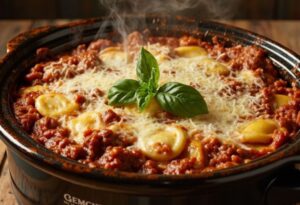
Let’s tackle this head-on. As I mentioned, using your slow cooker to reheat food in a slow cooker directly from cold is generally a big no-no from a food safety standpoint. The main reason? It takes too long for the food to pass through what we call the “danger zone.” This temperature range, between 40°F and 140°F (4°C and 60°C), is where harmful bacteria can multiply rapidly. A slow cooker, by its very design, spends a significant amount of time in this zone when reheating cold food, giving bacteria a perfect party environment.
I remember once trying to warm up some leftover soup this way, thinking it would be gentle and easy. After a couple of hours, the edges were warm, but the center was still quite cool, and I realized I was just risking foodborne illness. That’s when I really dug into understanding why it’s not a safe practice. Slow cookers simply don’t heat food evenly or quickly enough to reach the safe internal temperature of 165°F (74°C) needed for reheated leftovers within a safe timeframe. Uneven heating means some parts of your food could still be a breeding ground for bacteria while other parts seem warm.
Here’s what I’ve learned are the safest and best practices for reheating your delicious slow-cooked creations:
* Microwave Magic: This is my go-to for speed and convenience. The microwave heats food quickly and efficiently, moving it out of the danger zone fast. Just be sure to stir halfway through and check the internal temperature in several spots to ensure it reaches 165°F (74°C).
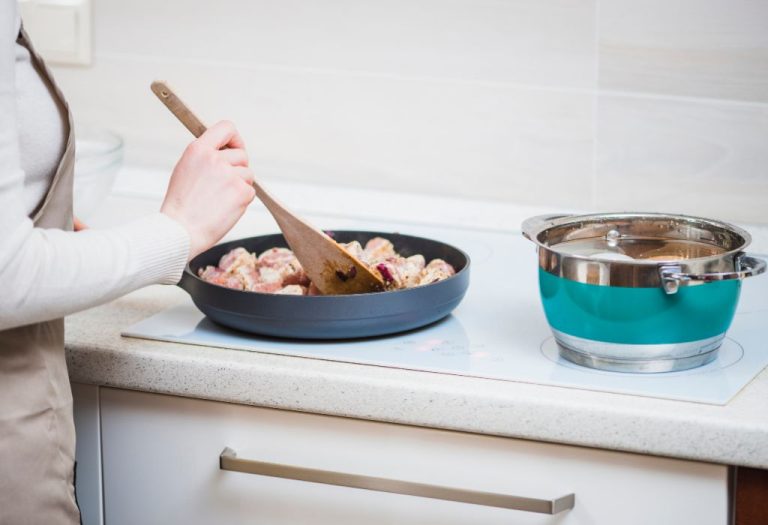
* Stovetop Savvy: For soups, stews, or chili, reheating on the stovetop is fantastic. Use a medium heat, stir frequently, and bring it to a rolling boil for at least one minute. Again, confirm with a food thermometer that it hits 165°F (74°C). This also helps distribute heat much more evenly.
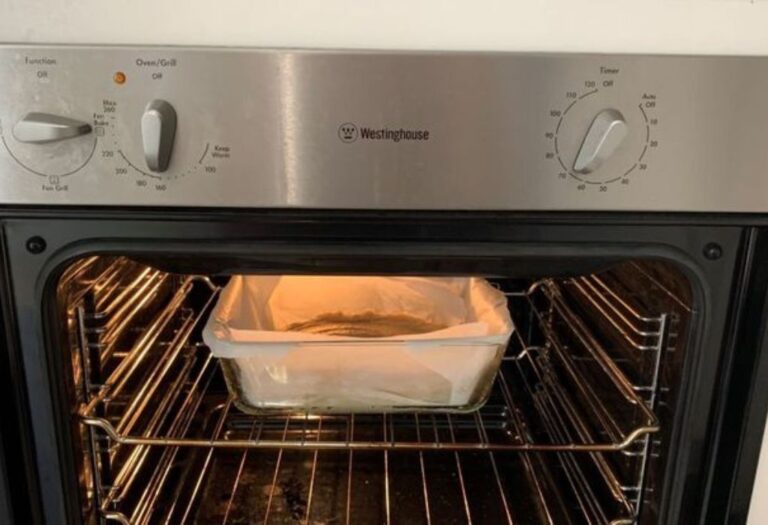
* Oven Options: If you’re reheating a larger casserole or a bigger portion, the oven works well. Cover the dish to prevent it from drying out, and set the temperature to at least 325°F (160°C). Remember to check that all parts of the food reach 165°F (74°C) before serving.
Now, here’s a crucial distinction: while you shouldn’t use your slow cooker to reheat food from cold, it is absolutely perfect for keeping already hot food warm. If you’ve just cooked a dish in the slow cooker, or if you’ve reheated it safely using one of the methods above, you can then switch your slow cooker to its “warm” setting. This keeps the food above the 140°F (60°C) threshold, preventing bacterial growth for a few hours until you’re ready to serve. My rule of thumb is to only keep food on “warm” for no more than 2-4 hours.
When I make a big batch of chili, I always make sure to portion out what we’ll eat right away and then quickly cool and refrigerate the rest. When it’s time for leftovers, I microwave it. The slow cooker then becomes my best friend only for keeping that initial pot warm during a gathering.
So, while the idea of a one-pot reheating solution is appealing, remember that your slow cooker shines brightest when it’s cooking low and slow, or simply holding temperature. For bringing cold food back to life, stick to faster, more direct heating methods to ensure your meals are not just delicious, but also perfectly safe to eat.