Lots of people wonder, can you use rice cooker for steaming? It’s a common question, especially for those who are new to cooking or just got a rice cooker. It can seem tricky at first, as rice cookers are often thought of just for making rice. But don’t worry! This guide will make it super easy. We’ll explore how to get the most out of your rice cooker. Let’s get started and learn some cool things.
Steaming Basics with Your Rice Cooker
Before jumping in, let’s look at what’s involved in steaming food. Steaming is a cooking method where food is heated by the steam from boiling water. It’s a healthy way to cook, as it helps food keep its vitamins and minerals. Think of it like this: your rice cooker creates a small sauna for your food! This gentle method cooks food evenly and preserves its natural flavors. This is perfect for beginners and anyone looking for a quick, simple way to cook.
What You Need to Begin Steaming
To begin steaming, you need a few essential items. Most rice cookers come with a steaming basket or tray, often made of plastic or metal. If yours didn’t, you can easily find one online. Water is the next key ingredient – it’s what creates the steam. You’ll also need the food you want to steam, like vegetables, fish, or dumplings. Finally, you might want some seasonings or marinades to add extra flavor. It’s really simple and gives you many options!
- Rice Cooker: The main tool for steaming. Make sure your model has a steaming function or a steaming basket.
- Water: This is crucial for generating steam. Use tap water or filtered water for the best results.
- Steaming Basket/Tray: Placed inside the cooker to hold your food above the water.
- Food: Select your favorite foods to steam, such as vegetables, fish, or dumplings.
- Seasonings: Spices, herbs, or marinades to add flavor to your steamed dishes.
Once you gather these ingredients, you’re ready to start steaming. It is important to know that different foods need different amounts of time to cook. We’ll look at that later. Let’s explore how to prepare your cooker.
Preparing Your Rice Cooker for Steaming
Preparing your rice cooker for steaming is straightforward. First, pour water into the inner pot, usually up to the recommended level for steaming. Don’t add too much water; the correct amount depends on the food and cooking time. Next, place your steaming basket or tray inside the pot. Make sure the water level is below the basket, so your food doesn’t sit in the water. Arrange your food in a single layer to ensure even cooking. Then, close the lid. Now you are ready to start.
Remember: Always check the cooker’s manual for specific instructions for your model. It is important to know where the water level should be. When you are ready, turn the cooker on, and let the magic happen! The steam will do its work to cook the food perfectly. Always test your food’s readiness by checking for your desired tenderness.
Foods That Are Perfect for Steaming
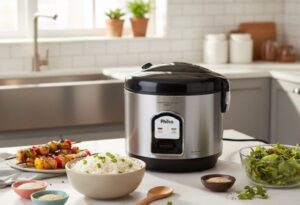
You can steam a wide variety of foods in a rice cooker. It is a great method for both experienced cooks and beginners. Steaming preserves nutrients and flavors. From fresh veggies to tender seafood, the possibilities are vast. This versatile method gives you great cooking options. It’s also super easy to do and a healthy way to eat.
Vegetables That Steam Well
Steaming vegetables in a rice cooker is simple and fast. Almost any vegetable can be steamed. Broccoli, carrots, and asparagus are excellent choices. They retain their bright colors and firm textures. It’s important to cut the vegetables into similar sizes so they cook evenly. You can also add some seasoning, like a sprinkle of salt, pepper, or herbs. The results are delicious and nutritious every time!
- Broccoli: Cut into florets, steam for 5-7 minutes.
- Carrots: Sliced or chopped, steam for 8-10 minutes.
- Asparagus: Trimmed and whole, steam for 5-7 minutes.
- Green Beans: Trimmed, steam for 6-8 minutes.
- Brussels Sprouts: Halved, steam for 8-10 minutes.
It’s important to remember that cooking times can vary depending on the vegetable and your preference. Test for tenderness by using a fork. Steaming keeps vegetables from becoming soggy, and you get great results.
Steaming Fish and Seafood
Steaming fish and seafood in a rice cooker is a gentle method that preserves delicate flavors. Steaming is especially good for flaky white fish like cod or tilapia. You can also steam shellfish, such as shrimp or mussels. A simple marinade of lemon juice, herbs, and garlic can add extra flavor. It’s important to cook fish until it’s cooked through but still moist.
- Cod: Steam for 8-10 minutes.
- Salmon: Steam for 10-12 minutes.
- Shrimp: Steam for 3-5 minutes, until pink.
- Mussels: Steam for 5-7 minutes, until the shells open.
- Scallops: Steam for 3-5 minutes.
Make sure the fish is cooked through and not undercooked. The cooking time will vary depending on the thickness of the fish. Steaming seafood in a rice cooker will give you great results every time. It is a simple way to cook a healthy meal.
Steaming Other Foods
Beyond vegetables and seafood, your rice cooker can cook other foods. Dumplings, potstickers, and even some types of tofu are great for steaming. Steaming dumplings keeps them soft and juicy. Tofu becomes tender and absorbs flavors well. You can experiment with different marinades and sauces to add excitement to the meals. It is a fantastic method for easy and healthy meals.
- Dumplings/Potstickers: Steam for 8-10 minutes.
- Tofu: Cubed, steam for 10-15 minutes.
- Bao Buns: Steam for 5-7 minutes.
- Eggs: Place in basket, add water, steam for 10-15 minutes.
- Tamales: If they fit, steam until the masa is firm.
Steaming is a good method for keeping food moist. With a rice cooker, you can easily cook various foods. The options are endless, letting you explore different flavors and textures!
Using Your Rice Cooker for Steaming Successfully
To use your rice cooker for steaming, a few steps will ensure success. From getting the water level right to figuring out cooking times, small things can make a huge difference. By following these steps, you’ll be able to create perfectly steamed dishes in your rice cooker. It is a way to make cooking easy and enjoyable.
Getting the Right Water Level
The water level is important for steaming in a rice cooker. The key is to add enough water to create steam, without letting the food sit in the water. The best advice is to follow your rice cooker’s manual. Most models have marks to indicate the correct water level for steaming. If you are unsure, start with about 1-2 cups of water. It is usually best to check the food during cooking.
If you don’t have a basket, you can improvise, using a plate or a heat-resistant bowl. Make sure the food is elevated above the water. A good rule of thumb is that the water level should be about 1 inch below the steaming tray or basket. This will prevent your food from getting soggy. After a few tries, you will get the hang of it!
Cooking Times and Temperature Tips
Cooking times can vary depending on what you’re steaming. Different foods need different cooking times to reach the correct texture and temperature. It is a good idea to check the food periodically. For vegetables, start with the cooking times listed in the guides. Use a fork to test their tenderness. For meat and seafood, ensure they’re cooked through. This helps avoid the risk of foodborne illnesses.
Consider the size and thickness of the food. Thicker pieces of food will need longer cooking times. Also, keep the lid on during steaming to trap the steam. Most rice cookers have a setting for cooking rice. This often works well for steaming, too. When done, always let the food sit for a few minutes. Then, remove it safely.
The cooking time varies. The following are examples:
- Vegetables: Start with shorter times. Test with a fork for desired tenderness.
- Fish and Seafood: Make sure it’s cooked through.
- Dumplings/Potstickers: Follow the package instructions.
Flavor Enhancement Techniques
You can add flavor to your steamed dishes in many ways. You can use herbs, spices, and marinades. Start by marinating meats and seafood before steaming. This will infuse them with flavor. You can add herbs like thyme or rosemary to the water. This infuses the steam with their scents. You can also add lemon slices, garlic, or ginger to the steaming water. This will add flavor to everything. Try experimenting with different flavor combinations to find your favorites!
Another option is to brush your food with sauces or seasonings after steaming. Soy sauce, teriyaki sauce, or even a simple vinaigrette can add a burst of flavor. For vegetables, a sprinkle of salt and pepper can enhance their natural taste. Get creative and explore different options. Have fun and explore the world of flavors.
Troubleshooting Common Steaming Problems
Even with careful planning, things can sometimes go wrong. Sometimes the food is undercooked, overcooked, or the texture isn’t right. It is important to know how to deal with the problems. This will ensure great results. With a few tricks, you can avoid common issues and improve your steaming skills.
Food Is Undercooked
If your food is undercooked, it often means it needs more time. Always check the cooking time recommendations. If your food is undercooked, it needs to steam longer. Check the water level to make sure there’s enough water left to create steam. You can usually add a little more water. Also, consider the thickness of the food. If it’s thick, it may need more time. Next time, add a few minutes to the cooking time.
Food Is Overcooked
Overcooked food is a common problem. It typically happens when the cooking time is too long. If the food is overcooked, it may be too soft. To avoid this, set a timer and check your food periodically. Once it reaches your preferred doneness, remove it from the rice cooker. If you notice your food is close to being overcooked, you can remove it earlier. You can also use a lower temperature setting if your cooker has one.
Uneven Cooking
Uneven cooking can happen when the food isn’t arranged correctly. Make sure the food is in a single layer in the steaming basket. This allows the steam to reach every part evenly. You may need to flip the food halfway through the cooking time. If you are cooking a lot of food, consider doing it in batches. Use your rice cooker correctly, and you will get great results every time!
Here are some examples:
- Undercooked: Add more time.
- Overcooked: Use a shorter cooking time.
- Uneven Cooking: Arrange food in a single layer.
Can you use a rice cooker for steaming: A Case Study
Let’s look at a case study involving a person new to using a rice cooker for steaming vegetables. This person was used to boiling or stir-frying vegetables, but they wanted a healthier way to cook them. The challenge was that the vegetables often came out either too soft or unevenly cooked. The solution was simple. The person learned how to arrange the vegetables in a single layer in the steaming basket and adjust cooking times. They started with short times and tested the vegetables. The person also added some fresh herbs to the water.
Results: The steamed vegetables were perfectly cooked and full of flavor. The person discovered steaming was easy. They now steam vegetables daily, and their meals are healthy and delicious.
Lessons Learned: This person shows how important it is to follow the basic steps. It helps to experiment with cooking times and different flavors. Also, steaming is easy and great for a healthy lifestyle. Now, the person has a new way to enjoy their food.
Frequently Asked Questions
Question: Can I steam rice and vegetables at the same time?
Answer: Yes, you can steam vegetables while the rice is cooking, using the steaming basket. However, add the vegetables towards the end of the rice cooking time, so they don’t overcook.
Question: What is the best way to clean my rice cooker after steaming?
Answer: Allow the rice cooker to cool down. Remove the steaming basket and wash it with warm, soapy water. Clean the inner pot and the lid. Rinse and dry all parts well before putting them back together.
Question: Can I use aluminum foil in my rice cooker for steaming?
Answer: It’s generally not recommended to use aluminum foil in a rice cooker, as it can interfere with the cooker’s heating elements. It’s best to use the steaming basket or a heat-resistant container designed for steaming.
Question: Can I steam frozen vegetables in my rice cooker?
Answer: Yes, you can steam frozen vegetables. They may take a few extra minutes to cook compared to fresh vegetables. Keep an eye on them to ensure they reach your preferred doneness.
Question: What if my rice cooker doesn’t have a steamer basket?
Answer: If your rice cooker doesn’t have a steamer basket, you can improvise. Use a heat-resistant plate or bowl to hold the food above the water. Make sure the food is not touching the water.
Final Thoughts
So, can you use rice cooker for steaming? Absolutely! It’s a fantastic, easy way to cook various foods. From vegetables and seafood to dumplings and more, your rice cooker can do it all. The key is in preparation. This includes getting the right water level and adjusting cooking times. Experimenting with seasonings and marinades can boost the flavors. Remember that you can learn by getting started. Don’t be afraid to try new things and figure out what works best for you. With these steps, you will enjoy tasty, healthy meals made in a simple way. Get ready to enjoy the benefits of steaming with your rice cooker!

I’m Emma J. Caldwell, the founder, lead writer, and home-cooking enthusiast behind KitchenGuideCo.com. With a background in culinary arts and over a decade of cooking experience in both professional and personal kitchens, I created this platform to demystify recipes, offer smart kitchen gadget reviews, and guide readers through meal prep with confidence and clarity.