Buying a used oven can be a smart financial decision when the inspection is done properly and no major defects are hidden inside the appliance. Many used ovens still have years of functional life left, especially if they were used lightly in a small household.
However, without proper inspection, a cheap used oven can quickly become an expensive repair project.
Used ovens often hide problems such as weak heating performance, faulty thermostats, gas leaks, damaged wiring, worn door seals, and electronic control failure.
These issues are not always visible during a quick visual check and may only appear after the oven is installed and powered on. Repairing these components can cost nearly as much as a new oven.
This guide explains in detail what to check before buying a used oven so you can avoid wasted money and safety risks. Each section focuses on one major inspection area.
Embedded questions inside the guide will also help you quickly evaluate the condition of the oven while inspecting it in person.
Check the Overall Physical Condition
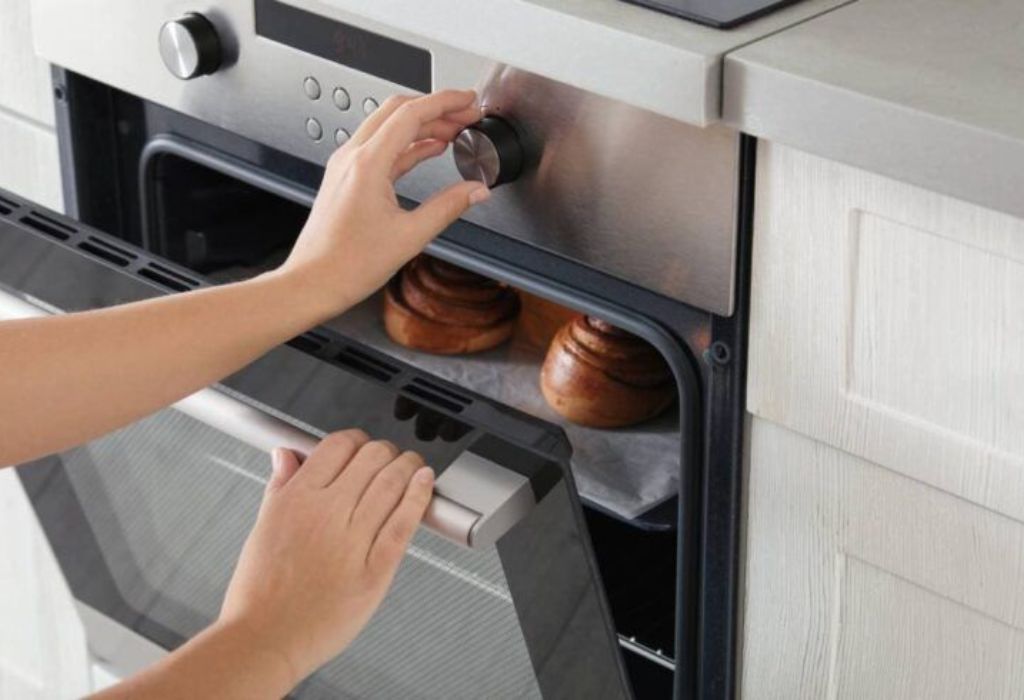
The overall physical condition of the oven gives the first major clue about how well it was treated by the previous owner. Dents, deep scratches, rust patches, chipped enamel, or deformed panels usually indicate rough handling or long-term neglect.
While cosmetic damage does not always affect performance, severe structural damage often points to internal wear as well.
Surface rust on outer panels can sometimes be cleaned, but deep rust along the frame edges, bottom panel, or rear panel is a serious warning sign.
Rust weakens metal and can affect ventilation, door alignment, and even electrical grounding safety. A warped body frame may also prevent proper door sealing.
Loose handles, missing knobs, and cracked glass panels indicate careless use or poor maintenance. These parts are replaceable, but the cost adds up quickly.
Does cosmetic damage always mean poor performance?
No, minor scratches do not affect functionality, but structural dents and rust usually signal deeper internal damage.
Is a bent back panel dangerous?
Yes, it may expose wiring or gas components and create serious safety hazards.
Verify the Heating Performance
Heating performance is the most important functional test when evaluating a used oven. A good-looking oven is worthless if it cannot heat properly or maintain stable temperatures. Always insist on testing the oven with power or gas connected.
Turn the oven on and set it to a moderate baking temperature such as 180 degrees Celsius or 350 degrees Fahrenheit.
Observe how quickly the oven starts producing heat and how long it takes to reach the set temperature. An oven that heats very slowly may have weak heating elements or gas burner issues.
Once the oven reaches the target temperature, let it run for at least ten minutes. Watch for temperature drops, fluctuations, or repeated cycling noises.
These signs indicate thermostat failure or sensor problems. Also test the broil function separately because broil elements often fail earlier than baking elements.
How long should a normal oven take to heat up?
Most healthy ovens reach baking temperature within 10 to 15 minutes.
What if the oven heats but does not stay hot?
This usually points to thermostat or control board failure.
Inspect the Oven Door and Door Seal
The oven door is responsible for trapping heat inside the cavity and protecting the user from direct exposure to extreme temperature. A damaged door causes uneven cooking, energy waste, and serious burn risk. Always check door movement and sealing pressure carefully.
Open and close the door slowly while observing its motion. A door that drops suddenly, sticks at certain angles, or feels loose usually has damaged hinge springs. Worn hinges prevent proper sealing and allow heat to escape continuously during baking.
Next, inspect the rubber gasket that runs around the oven opening. This gasket compresses against the door to seal heat inside. If it is flattened, cracked, brittle, or missing sections, heat will escape and temperature stability will suffer.
A simple test involves closing the oven door on a thin strip of paper and pulling it gently. If the paper slides out easily, the seal is weak.
Check Control Knobs and Digital Display Panel
The control system is the brain of the oven, whether it uses mechanical knobs or a digital control panel. All knobs should turn smoothly without excessive stiffness or grinding. Stiff knobs often indicate internal shaft corrosion or grease contamination behind the panel.
Turn each knob through its full range and verify that the indicator marks respond correctly. If numbers are faded or unreadable, accurate temperature selection becomes difficult and unsafe.
If the oven uses a digital control panel, test every button individually. Delayed response, flickering display segments, or partial number visibility usually indicate a failing control board. Control boards are among the most expensive oven components to replace.
Also test the oven timer, clock, interior light button, and child safety lock if present. Weak interaction with any of these features signals electrical deterioration.
Is a flickering oven display a serious issue?
Yes, it usually means control board failure is developing.
Do missing control labels matter?
Yes, they increase the risk of incorrect temperature setting.
Inspect Electrical Wiring or Gas Connections
The type of oven determines what safety checks are required at this stage, but both electric and gas models demand careful inspection.
For electric ovens, examine the entire length of the power cord. Look for melted insulation, exposed copper, burn marks, or stiff brittle sections that indicate heat damage. Any of these problems creates a serious fire and shock hazard and should be treated as a deal breaker.
Check the plug head as well, because loose prongs or scorched terminals indicate overload or poor electrical contact. Also inspect the rear access panel where wiring enters the oven. Missing screws, bent metal, or exposed connectors suggest previous unsafe repair attempts.
For gas ovens, inspect the gas inlet pipe and hose carefully. Cracked rubber hoses, rusted steel lines, or loose fittings can all cause dangerous gas leaks. Use your sense of smell near the connection points and regulator area.
Is even a small gas smell dangerous?
Yes, even a faint gas odor signals a leak and makes the oven unsafe to use.
Can damaged power cords be repaired cheaply?
Sometimes yes, but often the cord is model-specific and costly to replace.
Look for Internal Rust and Structural Panel Damage
The inside of the oven reveals how it has truly aged. Open the door and examine the interior walls, ceiling, and floor closely.
Flaking enamel, bubbling metal, or deep rust pits indicate long-term moisture exposure. These conditions weaken the structure and can also contaminate food during cooking.
Check the bottom oven panel for sagging or warping. A warped base affects pan stability and causes uneven heat distribution. This problem is often caused by overheated cookware or years of thermal stress.
Inspect side rack rails and shelf supports carefully. Bent rails prevent trays from sitting level and increase the risk of spills. Broken welds mean the metal has lost structural integrity.
Also inspect the top interior where broil elements and fan housings are mounted. Rust in this area weakens mounting points and increases the risk of element detachment.
Is light surface rust inside the oven acceptable?
Yes, very light surface rust can be managed, but deep rust is unsafe.
Can warped oven floors be repaired?
Usually no, warped bases typically require full panel replacement.
Test Temperature Accuracy With an Oven Thermometer
Temperature accuracy is critical for proper cooking, baking consistency, and food safety. Many used ovens show the correct number on the display while operating at a completely different internal temperature. This problem often goes unnoticed until food repeatedly burns or undercooks.
Place a good quality oven thermometer in the center of the oven cavity. Set the oven to a standard temperature such as 180 degrees Celsius or 350 degrees Fahrenheit. After full preheating, compare the thermometer reading with the displayed setting.
Allow the oven to run for at least 15 minutes and observe temperature fluctuations. Minor swings of 5 to 10 degrees are normal. Repeated swings of 20 degrees or more indicate thermostat or sensor failure.
In some ovens, temperature can be recalibrated through the control panel. In older models, full thermostat replacement may be required.
How much temperature difference is acceptable?
Differences within 10 to 15 degrees are usually acceptable.
Is thermostat replacement expensive?
It can be moderately expensive depending on brand and availability.
Test the Oven Light, Convection Fan, and Airflow
The oven light and internal fan are often ignored during used oven inspections, yet both affect usability and performance.
Turn on the oven light and observe whether it illuminates fully without flickering. A nonworking light may seem minor, but it sometimes indicates deeper electrical faults.
If the oven has a convection fan, activate the fan mode and listen carefully. The fan should start quickly and spin smoothly without grinding, rattling, or buzzing sounds. Loud or delayed startup usually signals worn bearings or a failing motor.
Check airflow direction by placing a thin strip of paper near the air vents while the fan is running. Consistent airflow indicates healthy circulation, which ensures even cooking.
Poor airflow causes uneven baking and overheating in some areas of the oven. Fan motor replacement is often costly.
Can an oven be used safely without a working fan?
Yes for conventional baking, but convection features will not work properly.
Is fan noise always a serious problem?
Yes, loud noise usually means internal mechanical wear.
Ask About the Oven’s Usage History and Past Repairs
An oven’s usage history provides valuable insight that visual inspection alone cannot reveal. Always ask the seller how frequently the oven was used. Daily commercial-style usage wears out components far faster than occasional home use.
Ask whether any major repairs have already been performed. Replacement of heating elements, thermostats, control boards, or fan motors reveals prior failures. Repeated repairs often indicate ongoing reliability problems.
Find out exactly why the seller is getting rid of the oven. Honest sellers usually provide clear reasons such as remodeling or upgrading. Vague answers or avoidance often signal hidden defects.
Also ask for any service records or repair receipts if available. These documents help confirm maintenance quality and part replacement authenticity.
Is buying an oven with previous repairs safe?
Yes, if good quality parts were used and problems were fully resolved.
Should commercial-used ovens be avoided for home use?
Usually yes, because heavy use greatly reduces remaining lifespan.
Evaluate Energy Efficiency and Insulation Quality
Energy efficiency is one of the most overlooked aspects when buying a used oven, yet it strongly affects long-term operating cost.
Older ovens often lack modern insulation technology and consume significantly more electricity or gas to reach and maintain cooking temperature. Poor insulation allows heat to escape quickly, forcing the oven to run longer and harder.
Inspect the oven walls and door thickness. A thin, lightweight door often signals weak insulation. Close the door during operation and carefully feel for excessive heat leaking through the front glass and outer panel.
While some warmth is normal, extreme heat on the exterior indicates insulation breakdown.
Check the door seal again from an energy perspective. Even a slightly weakened gasket can waste large amounts of heat over time. Energy loss also leads to unstable internal temperature and uneven cooking results.
Ask the seller to share recent electricity or gas usage if possible. While not always available, this can hint at efficiency.
Do older ovens always use more energy?
Not always, but most older models are less efficient than modern insulated designs.
Can insulation be replaced easily?
No, insulation replacement is usually complex and expensive.
Inspect Self-Cleaning System and Built-In Safety Features
If the used oven includes a self-cleaning feature, it must be tested carefully because this system puts extreme stress on internal components.
Activate the self-clean cycle briefly and observe whether the control panel locks the door properly. A door that fails to lock during self-cleaning creates a serious safety risk.
Also listen for abnormal noises during activation. Clicking, buzzing, or power interruption suggests faulty relays or control boards. Many ovens with broken self-clean systems appear fine during normal baking but fail under extreme heat.
Check for automatic shutoff systems, temperature limiters, and overheating protection if the model includes them. These hidden safety layers prevent fire hazards and electrical overload.
Child safety locks should also be tested if present. The locking mechanism must engage smoothly and release correctly without sticking.
Is self-cleaning failure a serious deal-breaker?
Yes, because it points to possible control board or thermal sensor failure.
Can safety features be bypassed safely?
No, disabling safety systems increases fire and injury risk.
Check for Unusual Smells, Sounds, and Vibration
When the oven is running, your senses provide powerful diagnostic information. Sniff around the back, sides, and front of the oven while it heats. Burning plastic smell, sharp electrical odor, or gas smell are all major warning signs of internal danger.
Listen closely during heating and cooling cycles. Clicking from normal relay switching is acceptable, but continuous buzzing, snapping, or arcing sounds indicate failing electrical components. Grinding noise from fan motors also signals mechanical wear.
Pay attention to vibration as well. Excessive shaking during fan operation usually comes from misaligned fan blades or worn motor mounts. This not only affects performance but also shortens motor lifespan.
Let the oven operate long enough to reach full temperature. Some electrical and gas problems only appear under sustained heat.
Is a slight metal expansion sound normal?
Yes, mild popping during temperature changes is normal.
Are electrical burning smells ever acceptable?
No, any electrical burning smell is dangerous.
Compare Repair Cost Versus Replacement Value
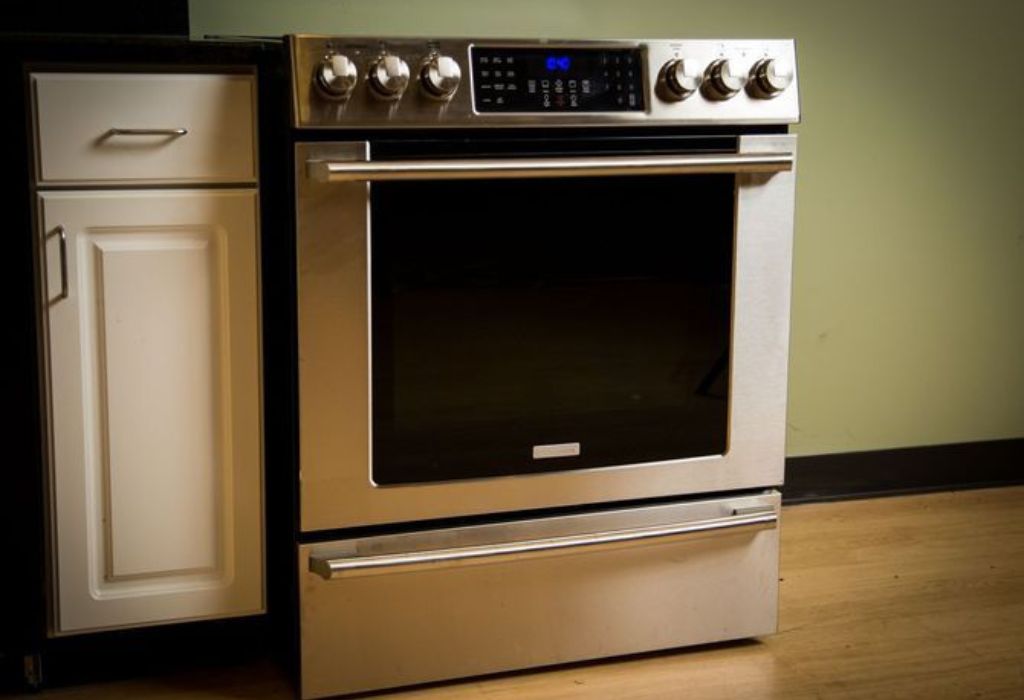
Before finalizing the purchase, calculate the realistic repair cost versus the replacement value of a new oven.
Many used ovens appear cheap because major repairs are approaching soon. Door hinge replacement, gasket replacement, thermostat repair, and control board replacement are among the most expensive fixes.
Ask repair technicians for estimated costs if you are uncertain. Adding these potential costs to the purchase price often reveals whether the deal is truly worth it. In many cases, a slightly higher upfront investment in a new oven becomes cheaper long-term.
Minor cosmetic damage is usually acceptable. Functional damage is not. If heating, sealing, or electronic control problems exist, you must factor replacement cost immediately.
Never ignore repeated small problems. Multiple minor defects often signal full system wear.
Is it worth buying a used oven that needs one major repair?
Usually no, because one major repair often leads to more failures later.
Can repair cost exceed oven value?
Yes, control board and fan motor repairs often exceed resale value.
Final Safety and Fit Checklist Before Purchase
Before making payment, perform one final safety and compatibility check. Verify that the oven matches your kitchen’s electrical voltage or gas type exactly. Incorrect voltage causes immediate electrical failure and voids safety.
Measure the oven dimensions carefully and compare them with your cabinet cutout size. Poor fitting causes ventilation blockage, overheating of surrounding cabinets, and possible fire risk. Built-in ovens are particularly sensitive to dimensional mismatch.
Confirm that all original mounting brackets and support legs are included. Missing hardware makes safe installation difficult. Also verify that all accessories such as racks, trays, and user manuals are present.
If possible, request a short testing warranty from the seller. Even a three to seven day testing period significantly reduces purchase risk.
Is it risky to buy a used oven without testing it live?
Yes, live testing is the only reliable way to detect heating and control issues.
Does missing oven rack matter?
Yes, replacement racks can be surprisingly expensive.
Conclusion
Buying a used oven can be a financially smart decision only when it passes a thorough inspection across all safety, performance, and structural areas.
Heating consistency, door sealing, temperature accuracy, wiring or gas safety, fan operation, and insulation quality all directly affect how safely and efficiently the oven will perform in your kitchen. Ignoring even one of these areas can turn a low purchase price into a long series of costly repairs.
A careful buyer looks beyond cosmetic appearance and focuses on functional health. Asking the right questions about usage history, past repairs, and part availability protects you from hidden reliability risks.
Testing every system before purchase ensures that you are paying for real performance rather than future problems.
By following this detailed multi-step inspection guide, you greatly reduce the chance of buying an unsafe or inefficient appliance. A properly evaluated used oven can serve reliably for many years. A rushed purchase, however, often leads to regret, wasted money, and safety concerns.

I’m Emma J. Caldwell, the founder, lead writer, and home-cooking enthusiast behind KitchenGuideCo.com. With a background in culinary arts and over a decade of cooking experience in both professional and personal kitchens, I created this platform to demystify recipes, offer smart kitchen gadget reviews, and guide readers through meal prep with confidence and clarity.