When Maria tried chopping bell peppers for her salad, she spent nearly fifteen minutes slicing each pepper by hand. The process was slow, messy, and tiring, especially after a long day of work. Then she remembered her food processor and wondered if it could save her time.
She placed a few pieces inside, pressed the pulse button, and within seconds the peppers were chopped perfectly. That moment changed the way she prepared vegetables, making her kitchen work faster and easier.
Like many home cooks, she realized that a food processor can transform meal prep when used correctly.
Bell peppers have a unique texture that can sometimes confuse beginners using a processor for the first time. Too much pulsing turns them mushy, while improper preparation leads to uneven pieces.
But with the right method, you can chop bell peppers quickly, cleanly, and consistently in just a few steps.
This complete guide will show you how to prepare bell peppers, place them correctly in the food processor, and pulse them to get perfect pieces every time. Whether you are cooking stir fry, making salsa, or preparing salad, this tutorial will help you master the process easily.
Why Use a Food Processor to Chop Bell Peppers
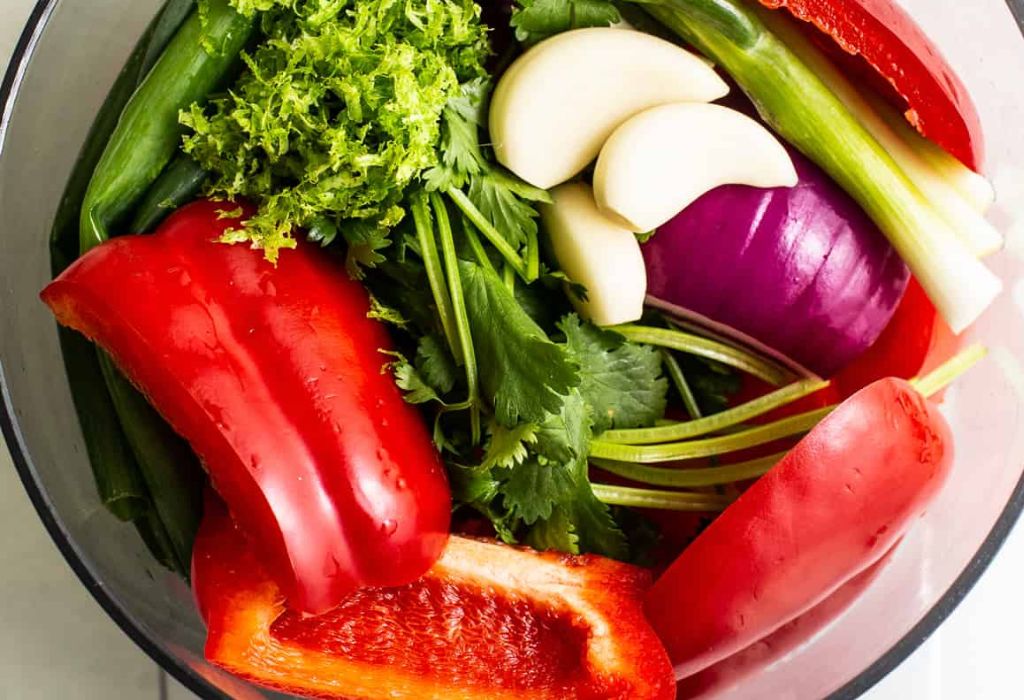
Using a food processor to chop bell peppers saves time because the machine works faster than hand chopping.
The powerful blades slice through the pepper walls effortlessly and produce uniform pieces within seconds. This speed is helpful when cooking large meals or preparing vegetables in bulk.
A food processor also reduces hand fatigue because chopping with a knife requires repeated effort. Bell peppers have firm outer skin and soft interior flesh, which can be tiring to cut manually for extended periods. The machine allows you to chop multiple peppers without strain.
Another advantage is consistency because each pulse cuts the peppers evenly. Even pieces cook better and present nicely in recipes like salads, salsas, and stir fries. Properly chopped peppers improve both texture and taste.
Using a processor also helps minimize mess because the pieces remain inside the bowl until you are ready to use them. Knife chopping scatters seeds and juices across the cutting board. Keeping everything contained makes cleanup easier.
Food processors are especially useful when working with large quantities because the bowl can hold several peppers at once. This makes them ideal for batch cooking, meal prep, or preparing ingredients for parties. Using a processor keeps the process efficient.
Overall, a food processor provides speed, consistency, and convenience when chopping bell peppers. With the right technique, you can achieve perfect results every time.
Understanding Bell Pepper Texture and Structure
Bell peppers are hollow vegetables filled with seeds and soft inner membranes. The outer skin is firm while the inside is moist and delicate. This structure must be understood before using a food processor.
The firm outer walls help the pepper maintain shape during chopping. They resist pressure slightly and allow the blades to slice cleanly. However, overprocessing can break the firm structure and turn it mushy.
The inner membrane is softer and absorbs moisture quickly. When chopped too long, it releases juices that make the mixture watery. This can affect recipes that require dry, firm pieces.
Bell peppers also contain natural water which makes them react differently from harder vegetables like carrots. Too much pulsing breaks cell structure and causes liquid buildup. Gentle pulsing protects the texture.
The shape of bell peppers also influences chopping. Their curved walls create uneven pieces if they are placed whole in the bowl. Cutting them into smaller chunks solves this problem.
Understanding texture helps control the final result. Proper preparation and pulsing preserve firmness and maintain ideal consistency.
Tools You Need to Chop Bell Peppers Efficiently
A good food processor is the most important tool because it provides power and control. Choose a processor with sharp stainless steel blades for clean cutting. Dull blades crush vegetables instead of slicing them.
A sharp knife is needed during preparation to remove stems, seeds, and membranes. Good prep ensures even processing. Clean cuts give the processor a better starting point.
A cutting board helps stabilize the peppers during preparation. A non slip board keeps the pepper steady and reduces accidents. Stability improves accuracy.
A bowl or container is useful for collecting chopped peppers. Storing them immediately prevents oxidation and maintains freshness. Containers keep the prep area organized.
A spoon or scoop helps remove seeds from inside the pepper. Removing seeds reduces bitterness and improves texture. Clean interiors also reduce mess inside the processor.
These simple tools ensure smooth chopping. Each one contributes to a clean, efficient, and safe preparation process.
Safety Precautions Before Using a Food Processor
Using a food processor safely is essential because the machine uses sharp blades that move at high speed.
You must always secure the lid properly before turning the processor on because an unlocked lid can cause splashing or uneven chopping. Keeping your hands away from the bowl while it operates is extremely important for safety.
Never insert utensils inside the processor while it is running because this can damage the blade or cause injury. Always stop the machine completely before opening the lid to check the texture. Following these steps keeps the process smooth and controlled.
Your work surface should be dry and stable so the machine does not slide during operation. A slipping processor can spill the ingredients and create a mess or imbalance. Keeping the area clean helps maintain focus and safety.
Electrical safety is also important because food processors run on high wattage. Make sure the cord stays away from wet areas to prevent electrical hazards. Using a dry outlet ensures safer operation.
Proper blade handling is another essential safety point. When inserting or removing blades, hold them by the center column rather than the edges. This technique prevents accidental cuts and ensures safe cleaning.
Food processors are safe tools when used correctly. Following basic precautions protects both you and the machine. With careful use, the chopping experience becomes faster, safer, and much more enjoyable.
Preparing Bell Peppers Before Processing
Preparing bell peppers properly ensures even chopping and better texture in the final result. Start by washing the peppers thoroughly to remove dirt and waxy residue from the surface. Clean peppers also taste fresher and mix better with other ingredients.
Next, slice off the top where the stem is located because this section contains seeds and a tough core. Removing the core makes the pepper easier to process and prevents bitterness in the final dish. A clean interior also helps the blade move smoothly.
Cut the bell pepper into large flat panels by slicing downward along the natural curves. This step helps remove the inner membrane easily and creates flat pieces that fit better inside the processor. Flat panels ensure the blades reach each section evenly.
Once the panels are ready, cut them into smaller chunks so they distribute evenly in the food processor bowl. Smaller pieces reduce the risk of overprocessing because they chop more uniformly. Even distribution leads to cleaner pulses.
Always dry the pieces lightly with a paper towel to remove excess moisture. Wet peppers release too much liquid and can cause mushy results. Dry pieces maintain better structure during pulsing.
Proper preparation is the foundation of successful chopping. When peppers are cleaned, trimmed, and cut correctly, the food processor performs at its best. This step ensures consistent results in every recipe.
Step by Step Method to Chop Bell Peppers in Food Processor
Begin by placing the chopped pepper chunks evenly inside the food processor bowl because overcrowding leads to uneven results. Spreading the pieces ensures each part reaches the blades during pulsing. Even distribution creates more consistent chopping.
Secure the lid tightly before starting because the processor cannot function safely without a locked lid. Once secured, set the machine to pulse mode instead of continuous running. Pulse mode gives you full control over the chopping texture.
Press the pulse button for one or two short bursts and check the texture. Short pulses help maintain firmness because they slice the peppers gradually. Longer pulses may begin to break down the structure.
If the pieces are still too large, pulse again in short intervals. Avoid holding the button down because continuous running liquefies the peppers. Slow adjustments ensure clean chopping without overprocessing.
Stop frequently to check the mixture and scrape down the sides if needed. This prevents large pieces from staying on top without touching the blades. Each adjustment improves uniformity.
Should I use continuous mode?
No, pulse mode provides better control.
Can I add more peppers halfway?
Yes, but stop the machine fully first.
Why are my peppers watery?
You may be overprocessing.
Can the blade crush seeds?
Yes, but removing seeds tastes better.
How many pulses do I need?
Usually four to six short pulses work best.
How to Control Texture and Avoid Overprocessing
Controlling texture is important because bell peppers become watery when chopped too long. To maintain a firm texture, always use short pulse bursts instead of continuous blending. These bursts help the blades cut cleanly without crushing the peppers.
Space the pulses evenly and check the mixture frequently to avoid creating pepper puree. Frequent checking ensures that the peppers reach the exact size you want. This method keeps the mixture crisp and fresh.
Never overload the processor because too many pieces reduce blade movement. Limited blade movement leads to inconsistent chopping and mushy results. Small batches produce cleaner pieces.
If the peppers start releasing liquid, stop immediately and remove some pieces from the bowl. Reducing the load improves airflow and blade efficiency. Better efficiency means better texture.
You can also add a dry ingredient like onion or carrot to absorb excess moisture if needed. This helps maintain structure while maintaining the flavor profile. Using dry vegetables balances the mixture naturally.
Why do peppers turn mushy?
Overprocessing or high moisture causes mushiness.
How do I fix watery peppers?
Drain excess liquid or add drier vegetables.
Does the blade type matter?
Yes, sharp blades chop cleaner and faster.
Can I freeze peppers before chopping?
Yes, slightly chilled peppers firm up well.
Is pulsing always necessary?
Yes, pulsing provides full texture control.
Best Ways to Use Chopped Bell Peppers in Recipes
Chopped bell peppers add color, texture, and sweetness to many dishes. They work beautifully in salads where crisp pieces give freshness to every bite. Their natural flavor blends well with tomatoes, cucumbers, and leafy greens.
Peppers are excellent for stir fry because small pieces cook quickly without losing texture. Evenly chopped peppers distribute heat more evenly and release flavor throughout the pan. Their sweetness enhances both meat and vegetable dishes.
They are also ideal for soups and stews because chopped sizes dissolve gradually into the broth. This slow cooking process deepens flavor and enriches the overall texture. Adjusting chop size changes how quickly they soften.
Chopped peppers are perfect for omelets, scrambles, and breakfast wraps. Their soft crunch mixes well with eggs and cheese. The bright colors make breakfast plates more appealing.
You can also use chopped peppers for tacos, salsas, and vegetable dips. Their natural sweetness balances spicy and tangy flavors. Food processors help prepare these ingredients quickly for larger gatherings.
Common Mistakes People Make When Chopping Peppers
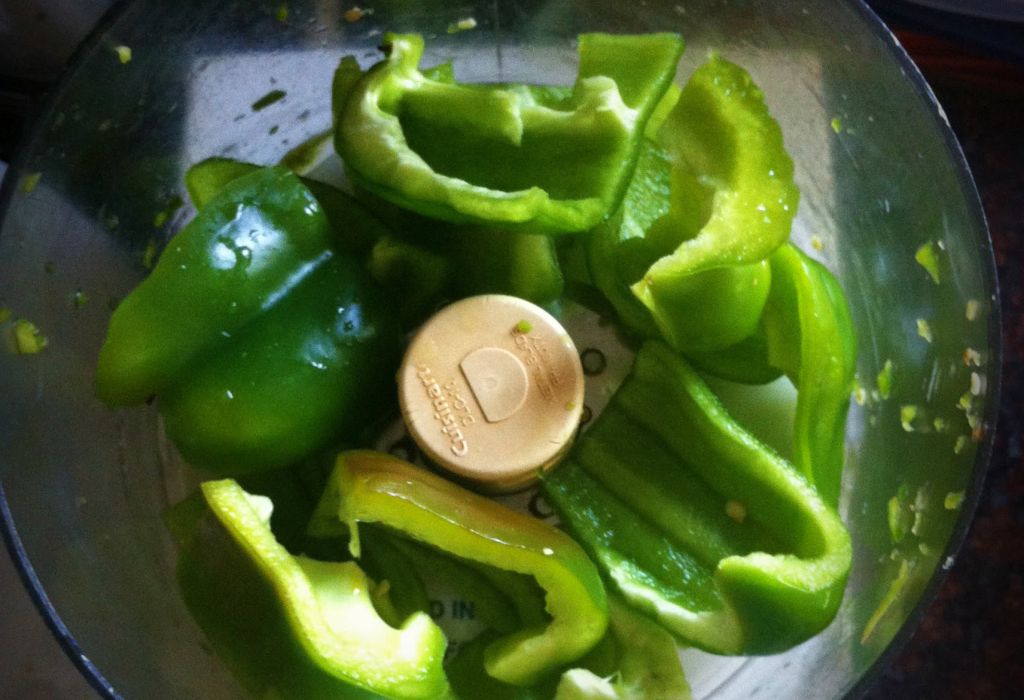
One of the most common mistakes is overloading the food processor bowl, which prevents the blades from cutting evenly. When the bowl is too full, large pepper pieces stay on top while smaller pieces get crushed at the bottom. This results in a watery and uneven mixture.
Another mistake is using continuous processing instead of pulse mode, a method that often turns peppers into puree. Continuous running creates friction and heat that break down the delicate texture of bell peppers. Pulse mode provides better control and preserves firmness.
Some people forget to remove seeds and inner membranes before processing, causing bitterness in the final dish. Seeds also create unwanted specks in the mixture, reducing aesthetic quality. Removing them ensures smoother flavor and cleaner texture.
Cutting peppers into large pieces before processing is another error that affects chopping performance. Large pieces make it difficult for the blade to catch the pepper surface properly. Smaller, evenly sized chunks create more consistent results.
Skipping moisture control is also a major problem because wet peppers become mushy inside the processor. Drying them lightly with a paper towel helps preserve their crispness. Excess water always weakens the final texture.
Why are my peppers turning mushy?
They are being overprocessed or contain excess moisture.
Should I remove seeds before chopping?
Yes, seeds create bitterness and affect texture.
Why does the mixture look uneven?
The bowl may be overloaded with too many pieces.
Is pulse mode better?
Yes, pulse mode gives more control over texture.
Why are there large chunks left?
The pepper pieces may be too big for the blade to grab.
Final Tips for Fresh and Evenly Chopped Bell Peppers
Always start by preparing the peppers correctly because the right preparation reduces processing time and improves texture.
Clean, trimmed, and evenly cut pieces allow the processor blades to work efficiently. Consistency in shape leads to consistency in the final result.
Use pulse mode in short bursts to maintain firmness and prevent excess moisture from being released. Each pulse helps chop gradually without crushing the peppers. Avoid long runs because they break down cell walls too quickly.
Do not chop peppers ahead of time for long term storage because they release moisture and soften when left too long. Freshly processed peppers maintain crispness and taste better in recipes. If needed, store them in airtight containers lined with paper towels.
Work in small batches to keep chopping even and controlled. Smaller loads give blades enough space to rotate freely and chop all pieces uniformly. This also helps prevent mushiness caused by overcrowding.
If your recipe requires dry peppers, drain any extra liquid after processing. This helps maintain the right texture for salads, stir fry, and sandwiches. Proper draining improves flavor and presentation.
Conclusion
Chopping bell peppers in a food processor becomes fast and effortless when you use the right method and tools. A food processor offers speed, convenience, and uniform results, but only when peppers are prepared properly and pulsed with control.
Understanding how peppers react to pressure, moisture, and blade movement helps you achieve the perfect texture every time.
Preparation always matters because removing seeds, slicing peppers into even chunks, and drying excess moisture make the processing smoother.
These simple steps allow the blades to chop instead of crush, creating clean and balanced pieces. With proper preparation, you reduce mess, improve efficiency, and prevent overprocessing.
Using pulse mode is the key to controlling the final texture. Short bursts help maintain firmness and prevent the peppers from becoming watery or mushy. Checking the mixture frequently ensures that each batch reaches the exact size you want for salads, soups, stir fry, sauces, or toppings.
Avoiding common mistakes such as overloading the bowl, running the processor continuously, or chopping wet peppers helps protect both flavor and texture. With a little practice, you can adjust chopping time, batch size, and moisture control to suit any recipe. The more you practice, the more confident and efficient you become in the kitchen.
By following the steps and tips shared in this guide, you can chop bell peppers quickly, safely, and consistently for all kinds of meals. Mastering this simple technique saves time, reduces stress, and elevates your cooking with beautifully chopped, fresh vegetables every time.

I’m Emma J. Caldwell, the founder, lead writer, and home-cooking enthusiast behind KitchenGuideCo.com. With a background in culinary arts and over a decade of cooking experience in both professional and personal kitchens, I created this platform to demystify recipes, offer smart kitchen gadget reviews, and guide readers through meal prep with confidence and clarity.