Chopping celery by hand can be time consuming, especially when preparing large quantities for soups, salads, or meal prepping.
Many home cooks turn to a food processor to save time, but celery behaves differently from other vegetables. Its long fibers and hollow structure require specific techniques for clean chopping.
Imagine preparing a recipe that calls for several cups of chopped celery. You line up the stalks on the cutting board, but your knife keeps hitting the stringy fibers. The slicing feels uneven and the process becomes slow and tiring.
Using a food processor helps eliminate manual effort and speeds up preparation. However, without proper technique, celery can turn watery, stringy, or unevenly chopped. Learning how to prepare and process celery correctly makes the machine far more efficient.
This guide explains step by step how to chop celery in a food processor, including preparation, blade selection, speed control, and proper pulsing technique.
It also covers mistakes to avoid and how to store chopped celery for future use. With these tips, you will gain confidence and achieve consistent results.
Chopped celery is used in countless dishes such as stuffing, chicken salad, pasta sauces, stir fries, and soups.
Using a food processor helps maintain uniform size, which improves texture and cooking performance. Understanding the correct method ensures clean chopping without damaging the vegetable.
By the end of this article, you will know how to choose the right attachments, prepare celery properly, and use the food processor safely.
This guide helps beginners and experienced cooks improve their kitchen efficiency. Perfect celery chopping becomes an easy routine with the right approach.
Why Celery Requires Proper Technique When Using a Food Processor
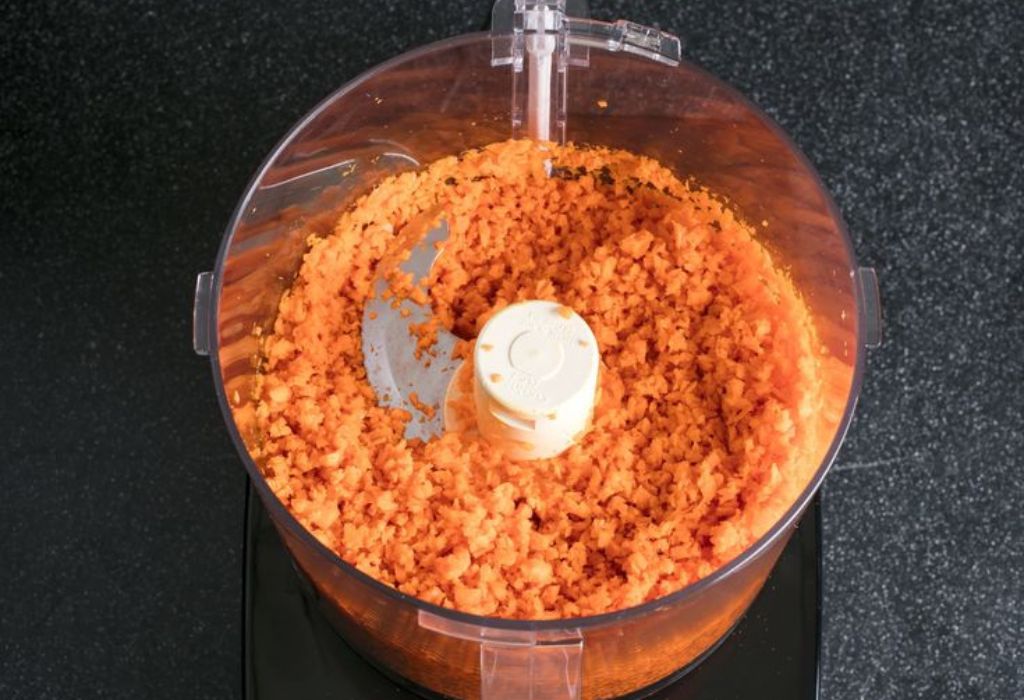
Celery has a unique structure compared to other vegetables. Its long fibers run throughout the stalk, making it stringy when cut improperly. These strings can wrap around blades if celery is processed incorrectly.
The hollow channels inside celery carry water. When chopped incorrectly, this water releases quickly, making celery mushy. Proper chopping prevents excess moisture release.
Celery also varies in thickness along the stalk. The base is firm and dense, while the top is lighter and leafier. These differences affect chopping consistency unless the stalks are prepared correctly.
Unlike carrots or potatoes, celery requires pulsing rather than continuous processing. Continuous processing creates uneven pieces. Pulsing gives control over chopping size.
The natural shape of celery causes it to bounce around in a food processor bowl if cut too large. Cutting the stalks into smaller pieces helps the blades catch them evenly. Proper size makes a big difference.
Celery leaves behave differently from stalks. Leaves chop quickly and become small within seconds. Mixing leaves and stalks without planning causes uneven results.
Understanding why celery needs a specific approach helps prevent common mistakes. When technique is correct, chopping becomes smooth and efficient. This knowledge ensures consistent texture for any recipe.
Tools and Attachments Needed to Chop Celery in a Food Processor
A food processor with a sharp chopping blade is essential for processing celery. The standard S-shaped blade works best for chopping and dicing. Other blades such as shredding discs do not create the correct texture.
A medium sized food processor bowl is ideal for most celery quantities. Small processors work for small recipes but may get overloaded. Large processors provide more uniform results when working with bigger batches.
You need a sharp knife to trim and prepare celery before processing. Cutting off ends and removing blemishes ensures even chopping. A clean cutting surface helps maintain food hygiene.
A colander helps wash celery thoroughly. Dirt gets trapped between stalks, making proper washing important. Clean celery improves final results.
A clean kitchen towel or paper towel helps dry celery slightly before processing. Drying prevents extra moisture from entering the bowl. Less moisture makes celery chop more cleanly.
Optional attachments include slicer discs for recipes that require sliced rather than chopped celery. These discs create consistent slices quickly. They are perfect for salads and stir fries.
Having the right tools ensures a smooth chopping process from start to finish. Preparation tools work together for cleaner, faster cooking. Choosing the right attachments improves chopping efficiency.
Can I chop celery in a mini food processor?
Yes, but small batches work best.
Do I need special blades for celery?
No, the standard S blade is perfect.
Does processor size affect results?
Yes, larger bowls chop more evenly.
Can I process whole celery stalks?
No, cut them first for consistency.
Does sharpness matter?
Yes, sharp blades prevent mushy texture.
How to Prepare Celery Properly Before Processing
Start by separating the celery stalks from the bunch. Removing each stalk allows better cleaning. Grouped stalks may trap debris between layers.
Wash each stalk under running water. Dirt often hides in the creases. Proper washing ensures hygienic results.
Cut off the root end and trim the leafy tops. The base is tough and rarely used in chopping. The leafy end becomes soft quickly in a processor.
Peel away any visible long strings using a knife. Removing strings improves chopping speed. It also reduces blade resistance.
Cut each stalk into 1 to 2 inch pieces. Smaller pieces move easily in the food processor bowl. Large pieces bounce around and chop unevenly.
Dry the celery lightly using a towel. Excess water increases mushiness during chopping. Dry stalks give cleaner cuts.
Preparing celery properly improves both texture and processing speed. Good preparation ensures a more pleasant cooking experience. Clean and trimmed celery responds better to processing.
How to Load the Food Processor for Even Chopping
Place celery pieces evenly around the bowl rather than piling them in one spot. Even distribution helps the blade catch everything uniformly. Uneven placement produces irregular cuts.
Avoid overloading the processor. Too much celery restricts blade movement. A half filled bowl works best.
If processing large amounts, work in batches. Small batches maintain consistent texture. Overfilling makes celery watery.
Ensure the lid is locked securely before starting. Safety features prevent accidental activation. Locked lids ensure smooth operation.
Add celery leaves separately if needed. Leaves chop faster than stalks. Mixing both at once leads to uneven results.
Consider adding a few carrot pieces if you want firmer texture. Carrots help distribute force and stabilize chopping. This technique helps balance the bowl.
Loading the processor correctly shapes the final outcome. Small placement adjustments improve performance greatly. Proper loading creates cleaner chop sizes.
Can I fill the bowl completely?
No, half full gives best results.
Why do leaves chop too fast?
They are softer than stalks.
Does placement affect texture?
Yes, even placement improves uniformity.
Can celery jump during processing?
Yes, if pieces are too large.
Should I add water while chopping?
No, water increases mushiness.
Best Speed and Pulse Settings for Chopping Celery
The pulse setting is the most important feature for chopping celery. Pulsing gives control over chopping size. Continuous running produces uneven pieces.
Start with short pulses to break the stalks into coarse chunks. Short pulses prevent overprocessing. This creates a base texture for further chopping.
Pause between pulses to check consistency. This helps avoid turning celery into puree. Monitoring progress ensures clean cuts.
Use medium pulse bursts once pieces become smaller. Medium bursts help reach the desired size efficiently. Controlled pulses maintain ideal texture.
Avoid using high speed settings. High speed releases too much water. The result becomes mushy and inconsistent.
If the processor struggles, stop and redistribute celery in the bowl. Even distribution makes processing more effective. Stubborn pieces blend better after repositioning.
Mastering the correct pulse rhythm ensures perfect results. With practice, you will know exactly how many pulses you need. This improves kitchen efficiency greatly.
How to Prevent Celery from Becoming Watery or Mushy
Avoid overprocessing because celery releases water quickly. Too many pulses cause the stalks to soften. Mushiness affects texture in salads and soups.
Dry celery lightly before processing to reduce moisture. Wet celery adds extra water to the bowl. Less moisture improves chop quality.
Do not use continuous processing because it breaks down the fibers too much. Continuous speed treats celery like soft vegetables. Pulsing maintains structure.
Use sharp blades because dull blades crush rather than slice. Crushing forces water out. Sharp blades create clean cuts.
Work in small batches to avoid crowding. Crowded bowls increase friction and heat. Heat softens celery quickly.
Add firmer vegetables if needed. Carrots help create resistance during processing. Resistance keeps celery firm.
Focus on texture for the final recipe. Soups can tolerate smaller pieces. Salads need larger pieces to maintain crunch.
Why does celery release water?
Its structure contains high moisture.
Does drying help?
Yes, drying reduces mushiness.
Can blade sharpness affect texture?
Yes, sharp blades prevent crushing.
Is mushy celery still usable?
Yes, it works well in soups.
Does batch size matter?
Yes, smaller batches chop cleaner.
How to Chop Celery for Different Recipes
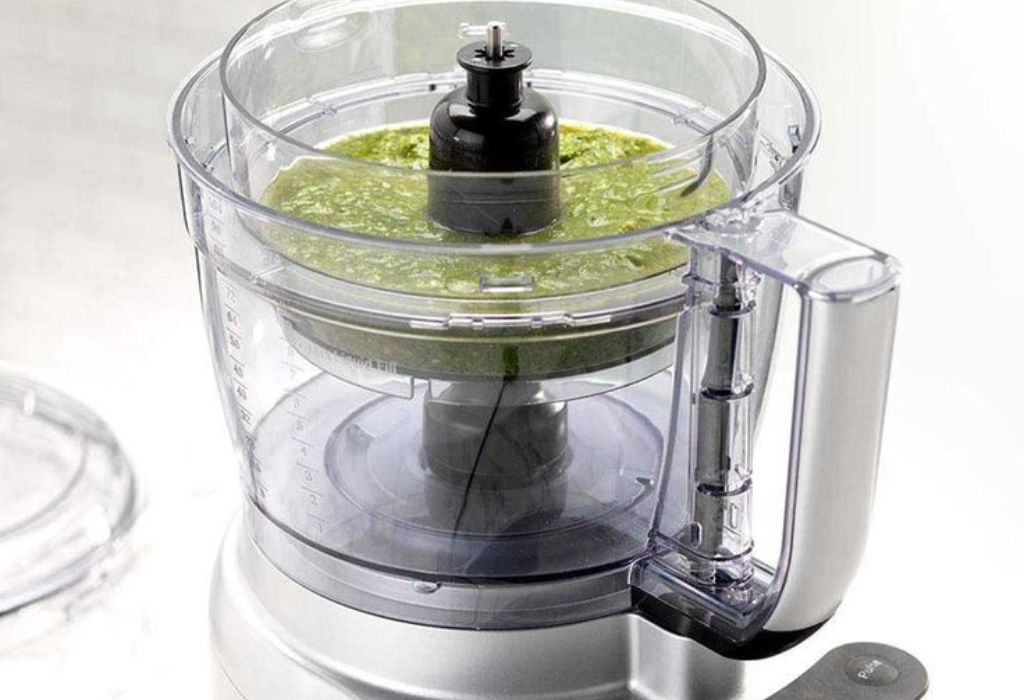
For soups and stews, chop celery smaller because smaller pieces dissolve faster into the broth. Small pieces add flavor efficiently. This produces a richer base.
For salads, keep celery pieces medium sized. Medium pieces maintain crunch. This improves salad texture.
For stuffing or casseroles, aim for fine chopping. Fine pieces distribute flavor evenly. They blend well with other ingredients.
For stir fries, chop celery into slightly larger pieces. Larger cuts hold structure during fast cooking. They also add visual appeal.
For sauces, finely minced celery works best. Minced celery softens quickly. This creates smooth texture in sauces.
For baby food or purees, continuous processing works because softness is required. Use caution not to include leaves. Leaves may add bitterness.
Choosing chop size based on recipe improves results. Celery behaves differently depending on cooking method. Adjusting size improves texture and flavor.
How to Store Chopped Celery for Freshness
Place chopped celery in an airtight container. Airtight containers prevent moisture loss. This keeps celery crisp.
You can refrigerate celery for up to five days. After that, texture begins to change. Freshness decreases.
Adding a dry paper towel inside the container helps absorb extra moisture. Excess moisture makes celery soft. Towels maintain crispness.
If freezing, spread celery on a tray first to prevent clumps. Freeze until firm. Transfer to a freezer safe bag afterward.
Frozen celery works best in cooked dishes. Freezing changes texture. Avoid using frozen celery in salads.
Do not store chopped celery uncovered. Exposure to air dehydrates the stalks. Dehydrated celery loses flavor.
Proper storage ensures celery lasts longer. These simple techniques reduce waste and improve convenience. Fresh celery improves meal quality.
CONCLUSION
Chopping celery in a food processor becomes simple once you understand the correct technique. With proper preparation, loading, and pulsing, celery maintains its texture without becoming mushy. This process saves time and improves kitchen efficiency.
From choosing the right size pieces to adjusting chopping speed, every step helps create clean and consistent results. Avoiding common mistakes ensures your celery stays crisp and flavorful. The food processor becomes a powerful tool when used correctly.
Whether preparing soups, salads, sauces, or meal prep, knowing how to chop celery properly enhances cooking performance. With this knowledge, you can confidently use your food processor for many recipes. Clean, efficient celery chopping becomes part of your daily routine.

I’m Emma J. Caldwell, the founder, lead writer, and home-cooking enthusiast behind KitchenGuideCo.com. With a background in culinary arts and over a decade of cooking experience in both professional and personal kitchens, I created this platform to demystify recipes, offer smart kitchen gadget reviews, and guide readers through meal prep with confidence and clarity.