Many people believe that great pizza can only be made in a professional pizza oven. This belief stops countless home cooks from trying to make pizza on their own. In reality, delicious pizza can be cooked at home using simple kitchen tools with the right techniques.
A pizza oven creates extremely high heat that cooks pizza quickly and evenly. At home, normal ovens and stovetops cannot reach those extreme temperatures. However, smart heat management, proper surfaces, and correct timing can recreate very similar results.
This guide explains in detail how to cook pizza without a pizza oven. It covers oven methods, pan techniques, stovetop cooking, heat control, crust textures, and finishing tricks. With the right approach, home pizza can taste just as satisfying as pizzeria pizza.
Understanding Why Pizza Ovens Work So Well

Pizza ovens work so well because they produce intense and consistent heat from all directions. Stone floors store massive heat energy that transfers instantly into the dough. This creates rapid crust rise and crisp texture.
The dome shape of a pizza oven reflects heat downward. This cooks toppings and cheese quickly without over-drying the crust. The balance between top and bottom heat creates the classic pizza texture.
Home kitchens do not have stone floors or dome heat reflection. However, similar heat behavior can be simulated using heavy pans, baking stones, cast iron, and smart rack placement.
Once the fundamentals of heat transfer are understood, home pizza cooking becomes much more predictable and controllable.
Using a Regular Oven to Cook Pizza Successfully
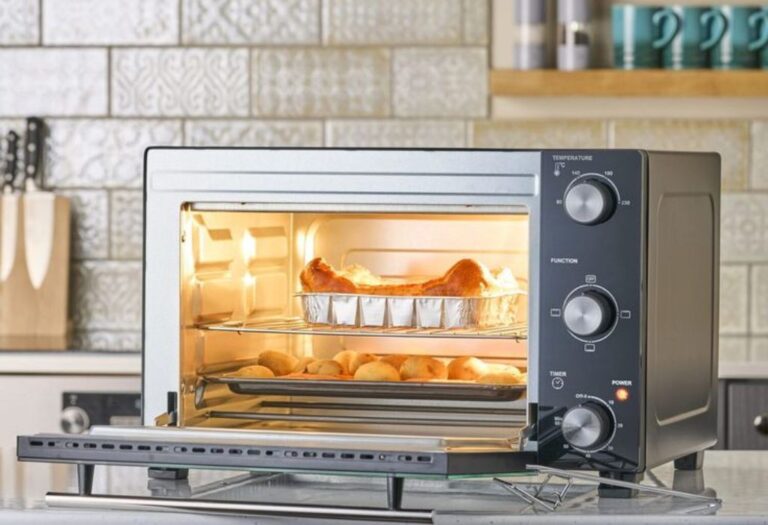
A regular home oven is the most common alternative to a pizza oven. While it cannot reach extreme temperatures, it can still deliver excellent pizza with the right setup.
Preheating is extremely important when using a regular oven. The oven should be preheated for at least 30 to 45 minutes to allow internal surfaces to store heat. Rushing this step leads to weak crust texture.
The rack should be placed in the lower middle position. This allows stronger bottom heat without burning the toppings. Avoid placing the pizza on the top rack where cheese can burn before the crust sets.
A fully preheated oven creates consistent internal airflow that helps bake the pizza evenly across the entire surface.
Why Baking Surface Matters for Home Pizza
The surface on which pizza is baked plays a major role in texture. Thin baking sheets produce softer crust because they lose heat quickly. Heavy surfaces store heat and deliver stronger bottom browning.
A pizza stone absorbs moisture and transfers steady heat into the dough. This mimics the stone floor of a pizza oven and improves crust crispness.
Cast iron pans store extremely high heat and produce thick, crispy pizza bases. They also allow stovetop to oven transitions for more heat control.
Even an upside-down heavy baking tray can act as a pizza stone substitute. The goal is always to maximize heat transfer from below.
Better baking surfaces reduce soggy crust problems and improve structure.
Cooking Pizza on a Baking Stone Without a Pizza Oven
A baking stone is one of the most effective substitutes for a pizza oven floor. It absorbs moisture from the dough and transfers intense heat instantly.
The stone must be preheated for at least 45 minutes at the highest safe oven temperature. Placing pizza on a cold stone results in weak, pale crust.
Once the stone is hot, pizza should be transferred quickly to prevent heat loss. The stone immediately begins cooking the base while the oven air cooks the toppings.
After baking, the stone should cool naturally inside the oven. Sudden temperature changes can crack it permanently.
With proper care, a baking stone produces crisp, well structured pizza crust every time.
Cooking Pizza on a Baking Sheet or Tray
Many homes do not have pizza stones or cast iron pans. In that case, a standard baking sheet still works with small adjustments.
The baking sheet should be preheated upside down inside the oven. This gives a smoother, hotter surface for better heat transfer.
Lightly oiling the sheet improves crust helps release and browning. It also prevents sticking for high moisture doughs.
Thin crust pizza works best on baking sheets because thick dough struggles to cook through without deeper stored heat.
Rotating the sheet halfway through baking ensures even browning across the entire pizza.
Using Cast Iron Skillets for Pizza Without a Pizza Oven
Cast iron skillets are one of the best home substitutes for pizza ovens. They store and release massive heat energy directly into the crust.
The skillet should be preheated in the oven before the dough is added. This immediate heat contact creates rapid crust rise and crispness.
After placing the dressed pizza dough in the skillet, it can be returned to the oven for top cooking. This combination of pan heat and air heat produces excellent results.
Cast iron also allows stovetop pre-cooking before oven finishing. This helps control bottom browning independently from toppings. This method is especially effective for thick crust and pan style pizzas.
Cooking Pizza on the Stovetop Without Any Oven
Pizza can even be cooked without using an oven at all. Stovetop pizza relies entirely on pan heat and lid steam control.
A heavy nonstick or cast iron pan works best. The dough is cooked directly on medium heat until the bottom sets.
After adding sauce and toppings, the pan is covered with a lid. This traps heat and steam to melt cheese and cook toppings.
This method produces crispy bottoms and soft tops with careful timing. It works best for thin crust personal pizzas. Stovetop pizza is a powerful technique for homes without oven access.
Using Broiler Function Instead of Pizza Oven Heat
The broiler setting in a home oven provides intense direct heat from above. This can help recreate top heat found in pizza ovens.
When used carefully, the broiler helps melt cheese rapidly and add surface browning. However, it does not cook the crust effectively from below.
The best approach is to bake the pizza first using normal bake mode. Then switch to broiler for the final one to two minutes.
Constant monitoring is required during broiling. Cheese can burn very quickly under extreme radiant heat. Used properly, the broiler adds professional looking finish to home cooked pizza.
Can I make pizza without any oven at all?
Yes, stovetop pan pizza works very well using a covered skillet.
Is a pizza stone better than a baking sheet?
Yes, a stone stores heat better and produces crispier crust.
Do I need to preheat my oven for pizza?
Yes, proper preheating is critical for good crust structure.
Can cast iron replace a pizza oven?
It cannot fully replace one but it comes very close in crust quality.
Is broiler safe for finishing pizza?
Yes, but only for short final browning with close supervision.
Preparing the Right Dough for Oven-Free Pizza Cooking
Dough quality becomes even more important when cooking pizza without a pizza oven. Since home heat levels are lower, the dough must be formulated to rise and crisp properly at moderate temperatures. A balanced hydration level helps create both softness and structure.
High-hydration dough works well for baking stone and cast iron methods. Lower hydration dough performs better for stovetop or tray baking because it sets faster without turning soggy. Choosing the right hydration prevents undercooked centers.
Resting time also matters. Dough that has fermented slowly develops better structure and flavor. Cold fermented dough browns more easily and improves crust texture in ordinary home ovens.
Room temperature dough stretches more evenly and cooks more predictably. Cold dough resists expansion and often bakes unevenly.
Good dough preparation solves many home pizza cooking problems before baking even starts.
Managing Sauce and Topping Moisture Without a Pizza Oven
Excess moisture is the enemy of home baked pizza. Without extreme pizza oven heat, water released from sauce and toppings can prevent proper crust cooking. Moisture control becomes essential for crisp results.
Sauce should be thick and lightly applied. Heavy layers of wet sauce soak into the dough and slow down crust formation. A thin, even spread keeps balance.
Vegetables should be pre-cooked or dried before topping. Mushrooms, onions, tomatoes, and bell peppers release large amounts of water under heat. Pre-roasting removes excess moisture and concentrates flavor.
Cheese selection also affects moisture. Fresh mozzarella contains high water content and must be drained well before use. Low moisture mozzarella melts cleanly and helps preserve crust structure.
Controlling moisture is one of the most important adjustments for cooking pizza without a pizza oven.
Temperature and Timing Charts for Home Pizza Methods
Different oven-free methods require different temperature strategies. Regular oven pizzas perform best between 475 and 550 degrees Fahrenheit depending on the baking surface. Higher temperatures produce faster crust rise and better browning.
Baking stone pizzas usually finish in 6 to 10 minutes at high heat. Baking sheet pizzas often take 10 to 14 minutes depending on thickness. Cast iron skillet pizzas typically require stovetop pre-cooking followed by 6 to 8 minutes in the oven.
Stovetop only pizzas usually cook the base in 4 to 6 minutes and finish toppings under a lid in another 3 to 5 minutes. Broiler finishing takes only 60 to 120 seconds for surface browning.
Watching visual cues is always more reliable than the clock. Bubbling cheese, lifted crust edges, and golden underside indicate doneness better than any timing chart.
Secrets to Getting a Crispy Crust at Home
Crispy crust comes from strong bottom heat combined with moderate moisture removal. Without a pizza oven, this balance must be engineered carefully.
Preheating all baking surfaces is essential. Cold trays or pans steal heat from the dough and delay crust formation. A fully heated surface transfers energy instantly and creates the initial crisp structure.
A small amount of oil on the baking surface increases heat transfer and promotes browning. Olive oil also adds flavor to the base.
Thin dough crisps more easily than thick dough. Thick crust styles require cast iron or longer heat exposure to fully crisp.
Letting the baked pizza rest on a wire rack for one minute after removal prevents steam from softening the bottom crust.
Crispness is achieved through heat management more than ingredient choice.
Using a Grill as a Pizza Oven Alternative
Outdoor grills can function as powerful pizza oven substitutes. Both gas and charcoal grills create high heat environments that mimic traditional pizza ovens closely.
Pizza stones can be placed directly on grill grates and preheated. Once hot, the stone delivers concentrated bottom heat similar to a wood-fired oven. Lid closure traps upper heat for full cooking.
Direct grilling without a stone also works for thin crust pizza. The dough is cooked briefly on one side, flipped, topped, and finished with lid closed.
Charcoal grills add light smoke flavor to pizza that many people enjoy. Gas grills offer more predictable and adjustable heat control.
Grilling expands pizza cooking beyond indoor limitations when a pizza oven is unavailable.
Fixing Common Problems When Cooking Pizza Without a Pizza Oven
Soggy crust is one of the most common problems. This is usually caused by excess sauce, wet toppings, or insufficient surface heat. Reducing moisture and increasing preheat solves most sogginess issues.
Burnt cheese happens when top heat is too strong compared to bottom heat. Lower rack placement and delayed cheese addition help rebalance the heat relationship.
Undercooked center occurs when dough is too thick for the chosen surface. Thinner dough or heavier pans correct this problem.
Pale crust often means surface temperature is too low. Increasing oven temperature and preheating longer solves poor browning.
Each common failure usually points to one heat imbalance that can be fixed with small adjustments.
Storing and Reheating Pizza Cooked Without a Pizza Oven

Leftover pizza should be cooled fully before refrigeration. Storing pizza while hot traps condensation and softens the crust.
Reheating on a stovetop skillet restores crispness better than microwave reheating. The pan re-crisps the bottom while gentle heat melts the cheese.
Reheating in the oven at 375 degrees Fahrenheit with pizza placed directly on the rack restores balance between crust and toppings. This method works best for multiple slices.
Avoid reheating pizza at high microwave power. This leads to rubbery cheese and soggy crust.
Proper reheating methods preserve the quality of home cooked pizza almost as well as fresh baking.
Professional Finishing Tricks for Home Cooked Pizza
Professional looking pizza finishes can be achieved without a pizza oven through small techniques. Brushing olive oil on the crust edge just before final baking adds shine and crispness.
Sprinkling a pinch of cornmeal or semolina on the baking surface prevents sticking and adds texture to the base. This mimics traditional pizza oven flour dusting.
Adding fresh herbs after baking keeps flavors bright and prevents burning. Basil, oregano, and chili flakes shine brightest when added post-bake.
A brief broiler finish adds extra color and surface blistering. This step should be watched constantly for safety. Professional finishes elevate home baked pizza from simple to impressive.
Can I cook pizza on a gas stovetop only?
Yes, pan pizza can be fully cooked on a covered stovetop skillet.
Why does my home pizza crust stay pale?
Insufficient preheating or low surface heat is usually the cause.
Is it better to bake pizza on the rack or the tray?
Direct rack baking with a stone or steel produces better crust than a cold tray.
Can frozen dough be used without a pizza oven?
Yes, but it must be fully thawed and properly stretched before cooking.
Does adding sugar to dough help browning?
Yes, small amounts of sugar promote browning at lower temperatures.
Conclusion
Cooking pizza without a pizza oven is not a limitation but an opportunity to master heat control, surface selection, and timing.
With regular ovens, baking stones, cast iron pans, stovetop skillets, and even outdoor grills, home cooks can recreate high-quality pizza using smart techniques. Understanding how heat flows from below and above is the foundation of great pizza results.
Proper dough preparation, moisture control, surface preheating, and temperature management solve most problems people face when making pizza at home.
Thin crust, thick crust, pan pizza, and skillet pizza all succeed when the method matches the dough and topping style. Professional finishing tricks further enhance appearance and texture.
Once these methods are learned, the absence of a pizza oven no longer stands in the way of great pizza. With practice, home baked pizza becomes consistent, crispy, flavorful, and just as satisfying as restaurant-level results.

I’m Emma J. Caldwell, the founder, lead writer, and home-cooking enthusiast behind KitchenGuideCo.com. With a background in culinary arts and over a decade of cooking experience in both professional and personal kitchens, I created this platform to demystify recipes, offer smart kitchen gadget reviews, and guide readers through meal prep with confidence and clarity.