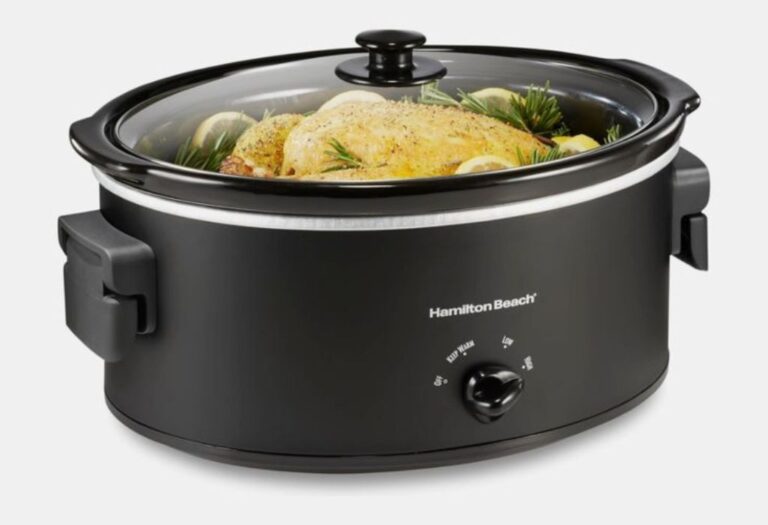
Casseroles have always been one of the most comforting meals in home cooking. They combine layers of flavor, texture, and warmth into a single dish that feeds both the body and the mood.
When cooked in a convection oven, casseroles reach a new level of even baking and consistent browning.
Many home cooks switch to convection without fully understanding how it changes cooking behavior.
They notice faster cooking, drier heat, and crispier tops but often struggle with timing, moisture balance, and pan placement. These small differences shape the final result more than most people expect.
This guide explains in full detail how to cook casseroles successfully in a convection oven. It covers temperature control, pan selection, moisture management, layering, browning, safety, and timing.
With the right approach, convection turns any casserole into a perfectly baked centerpiece.
What Makes a Convection Oven Different for Casseroles
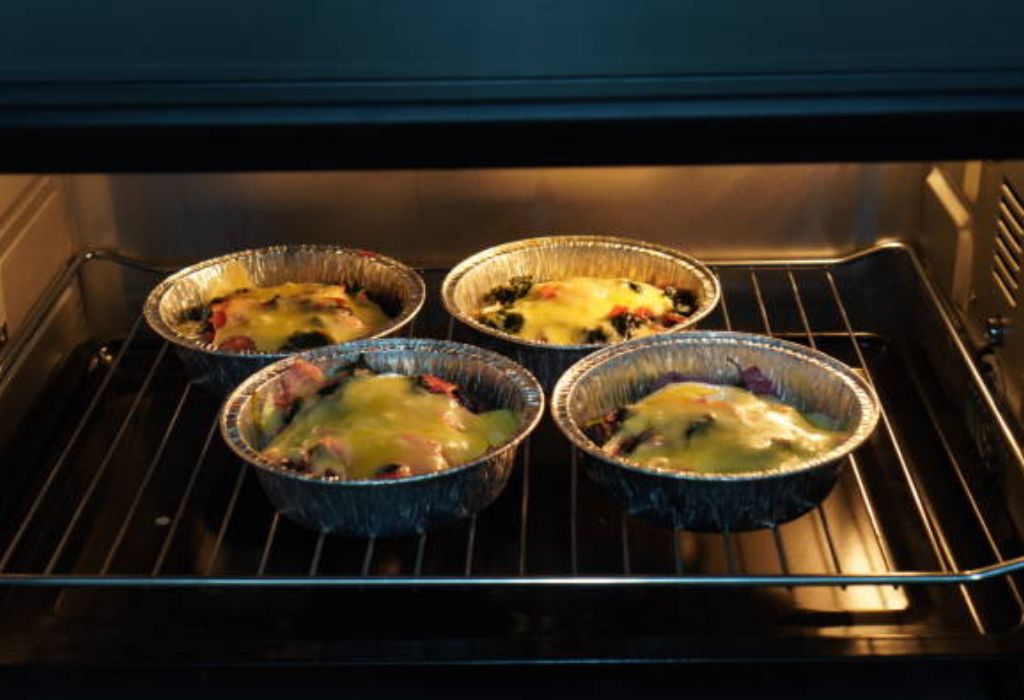
A convection oven uses a fan to circulate hot air evenly around the food. This constant airflow removes cold spots that exist in traditional ovens. As a result, casseroles bake more evenly from edge to center.
In a conventional oven, heat climbs naturally and may overcook the top before the center is fully done. In a convection oven, moving air keeps temperature balanced across the dish. This reduces soggy centers and undercooked layers.
Because hot air transfers heat more efficiently, convection usually cooks food faster. Casseroles that take 60 minutes in a regular oven might finish in 45 to 50 minutes in convection. Without adjustment, this speed can lead to overbrowning.
Another difference is moisture behavior. The circulating air dries surfaces faster. This gives beautifully golden crusts but can dry out delicate ingredients if moisture is not properly managed.
Choosing the Right Casserole Dish for Convection Cooking
The baking dish plays a major role in how well a casserole cooks in a convection oven. Glass, ceramic, metal, and cast iron all behave differently under circulating heat.
Metal pans heat fastest and promote strong browning on the bottom and sides. They work well for casseroles that benefit from crisp edges. However, they can overbrown if not watched carefully.
Glass and ceramic heat more slowly and retain heat longer. They protect against sudden temperature spikes and help prevent bottom scorching. These materials are ideal for creamy and layered casseroles.
Dish depth also affects results. Deep dishes slow down heat penetration and require longer cooking time. Shallow dishes allow faster and more even baking.
Selecting the right pan material and depth creates the foundation for a well cooked convection casserole.
How to Adjust Temperature for Convection Casseroles
One of the most important rules of convection cooking is temperature reduction. Most casseroles designed for conventional ovens require a reduction of about 20 to 25 degrees Fahrenheit when switching to convection.
For example, a recipe calling for 375 degrees in a conventional oven usually works best at 350 degrees in convection. This prevents excessive browning while still allowing proper internal cooking.
High sugar and dairy casseroles need even greater care. These ingredients brown rapidly under convection airflow. A slightly lower temperature protects the surface from burning.
Not all convection ovens behave exactly the same. Some run hotter, while others regulate more gently. The first few convection casseroles should be monitored closely to fine tune temperature adjustments.
Once the correct temperature range is learned, convection offers exceptional consistency from one dish to another.
Rack Placement Rules for Casseroles in Convection Ovens
Rack position becomes more important with convection cooking due to continuous air movement. Placing casseroles too close to the fan causes uneven browning and surface drying.
The middle rack provides the most balanced airflow and heat distribution. This position allows the air to circulate evenly over and under the dish.
Lower racks increase bottom browning and work well for dense casseroles with heavy starch layers. Upper racks intensify top browning and are best reserved for final cheese topping melts.
Crowding racks limits airflow and creates uneven results. Convection performs best when air can move freely around each dish.
Correct rack positioning prevents scorching while encouraging uniform cooking.
Moisture Control in Convection Casserole Cooking
Moisture behaves differently under convection airflow. The moving air strips surface moisture faster than still heat. This leads to crisp tops but can dry out the interior if liquid balance is off.
Sauce based casseroles should contain slightly more liquid than traditional recipes. This compensates for faster evaporation and prevents dryness in rice, pasta, and vegetables.
Covering casseroles loosely with foil during the first half of cooking traps internal steam. This keeps ingredients tender while still allowing later browning.
Uncovering during the final stage promotes golden crust formation. Timing this transition correctly preserves internal moisture while finishing the surface perfectly.
Mastering moisture control transforms convection casserole texture from dry to decadent.
Layering Ingredients for Even Convection Cooking
Layer construction affects heat penetration and doneness. Dense ingredients like potatoes and raw meats belong near the bottom where heat is strongest.
Vegetables with high water content should be layered near the center. This allows moisture to circulate evenly rather than pooling at the base.
Cheese toppings should be applied late or protected by foil initially. Convection airflow browns cheese rapidly and can cause premature burning.
Uniformly cut ingredients cook more evenly. Mixed sizes cause uneven cooking where small pieces overcook before larger ones finish.
Correct layering ensures consistent texture from top to bottom.
Preheating and Its Importance for Casseroles
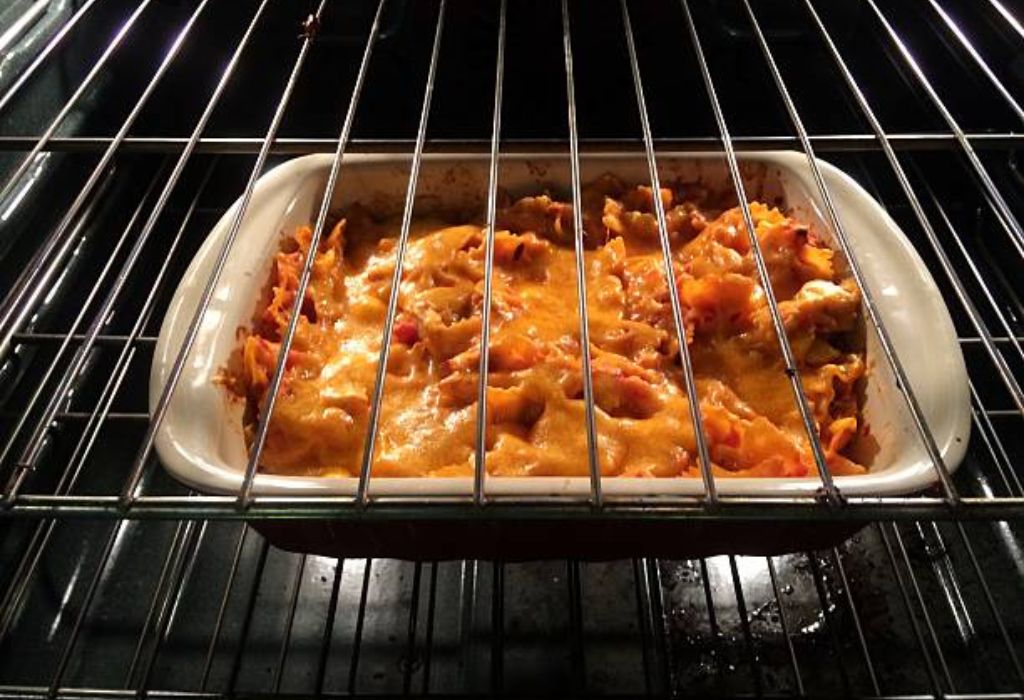
Preheating a convection oven is critical for proper casserole structure. Placing a dish into a cold oven causes uneven heat rise and disrupts internal texture development.
When casseroles enter a fully preheated oven, their starches set properly and proteins begin cooking immediately. This maintains clean layers and stable structure.
Many convection ovens preheat faster than traditional models. However, visual indicators sometimes signal readiness before internal air temperature fully stabilizes.
Allowing an extra five minutes after the preheat signal ensures consistent results. This small habit greatly improves baking accuracy.
Skipping preheat often leads to soggy centers and uneven browning patterns.
Should I always lower the temperature for convection casseroles?
Yes, most casseroles need about 20 to 25 degrees lower than conventional settings.
Can I cook two casseroles at once in a convection oven?
Yes, as long as airflow is not blocked and both dishes fit with space around them.
Do glass dishes work well in convection ovens?
Yes, they retain heat evenly and help prevent bottom burning.
Will convection dry out cream based casseroles?
It can if moisture is not adjusted or if the dish stays uncovered too long.
Is preheating still necessary with convection?
Yes, preheating remains essential for proper structure and texture.
Exact Time Adjustments for Convection Casseroles
Cooking time is one of the first changes people notice when switching to convection. Because hot air moves continuously around the dish, casseroles cook faster than in conventional ovens. Most convection casseroles finish about 20 to 25 percent sooner than traditional baking times.
A casserole that normally takes 60 minutes in a standard oven may finish in 45 to 50 minutes in convection. However, this depends on dish depth, ingredients, and starting temperature. Cold ingredients straight from the refrigerator will still need additional time.
Checking the casserole 10 to 15 minutes before the original recipe time is the safest method. Visual cues such as bubbling edges, firm center, and golden top help confirm doneness. Timing becomes predictable after a few convection bakes.
Relying only on the clock without visual inspection often leads to overcooked tops and dry interiors. Convection rewards active observation more than blind timing.
How to Prevent Burnt Tops and Dry Edges
Burnt cheese and dry edges are common when convection airflow is not controlled properly. The moving hot air aggressively targets exposed surfaces. This creates faster browning but can dry out the perimeter.
Covering the casserole with foil for the first half of cooking shields the top from direct airflow. This allows internal layers to cook evenly before surface browning begins. The foil should be removed during the final 10 to 15 minutes for proper color.
Lowering rack position slightly also reduces direct heat exposure to the surface. Middle rack placement offers the safest balance for most casseroles.
Adding a thin moisture barrier such as sauce or extra cheese near the edges helps protect against drying. Small ingredient adjustments make a major difference under convection heat.
Cheese Browning Control in Convection Casseroles
Cheese behaves differently in convection ovens than in conventional ones. The airflow dries the cheese surface quickly and accelerates browning. This creates beautiful crusts but can lead to bitterness if overexposed.
Hard cheeses like cheddar and Parmesan brown faster and require later application. Soft cheeses like mozzarella melt more smoothly and tolerate earlier placement.
An effective technique is to reserve half of the cheese topping for the final baking stage. This creates fresh melt without overbrowning.
If the cheese browns too quickly, a loose foil tent can be placed over the dish while allowing airflow around the sides. This protects the surface while internal cooking continues.
Cheese control is the defining factor between a dull casserole and a visually striking one.
Using Foil and Venting Techniques Properly
Foil is a powerful moisture control tool in convection casserole cooking. Fully covering traps steam and slows surface browning. Loose covering allows partial venting while still protecting the top.
Venting is created by slightly lifting one corner of the foil. This allows excess steam to escape without exposing the entire surface to drying airflow.
For casseroles with pasta and rice, early full coverage prevents dehydration. For vegetable based casseroles, partial venting helps avoid sogginess.
Removing foil too early causes moisture loss and surface hardening. Removing it too late prevents proper browning. The correct timing depends on ingredient density and liquid content.
Foil timing is one of the most precise skills convection cooks develop over time.
Meat Doneness Control in Convection Casseroles
Meat cooks faster in convection due to efficient heat transfer. This is beneficial for food safety but increases the risk of drying.
Ground meats such as beef and turkey should reach safe internal temperature early in the cooking process. However, prolonged convection exposure can cause moisture loss.
Larger meat chunks like chicken thighs and sausage retain moisture better and tolerate longer convection cycles. Their fat content helps regulate internal juiciness.
Using a food thermometer is the most reliable way to confirm doneness without overcooking. Visual cues alone are often misleading in convection environments.
Balancing safety and tenderness is essential when cooking meat based casseroles under fan forced heat.
Vegetable Texture Control in Convection Casseroles
Vegetables release moisture quickly under convection airflow. High water vegetables such as zucchini, mushrooms, and tomatoes can flood the casserole base if not prepared correctly.
Pre-roasting watery vegetables before layering removes excess moisture. This prevents soggy textures and uneven consistency later.
Dense vegetables like carrots and potatoes require thinner slicing to ensure full internal cooking within shortened convection time.
Staggering vegetable layers improves heat penetration. Mixing all vegetables into one thick layer often leads to uneven texture.
Controlling vegetable moisture and thickness ensures uniform doneness and balanced flavor throughout the dish.
Food Safety Temperatures for Convection Baked Casseroles
Food safety remains a top priority regardless of oven type. Poultry based casseroles must reach 165 degrees Fahrenheit at the center. Beef and pork based casseroles should reach at least 160 degrees Fahrenheit for safety.
Seafood casseroles require internal temperature near 145 degrees Fahrenheit. Egg based casseroles must be cooked until completely set with no liquid center.
Convection heat may brown the surface before the internal temperature becomes safe. A golden top does not guarantee proper internal doneness.
Thermometer verification remains the most accurate safety check. This is especially critical in thick or layered casseroles.
Never rely solely on appearance when convection cooking mixed protein dishes.
Storing and Reheating Convection Baked Casseroles
Leftover casseroles should cool to room temperature before refrigeration. Rapid sealing traps steam and creates condensation that leads to soggy texture.
Properly stored casseroles remain safe for three to four days in the refrigerator. Freezing extends storage time but may change texture depending on ingredients.
Reheating in a convection oven restores crispy surfaces better than microwave reheating. Lower temperature with light foil coverage prevents excessive drying.
Individual portions reheat more evenly than full pans. Slicing before reheating helps maintain texture consistency.
Correct storage and reheating preserve the original quality of convection baked casseroles.
Professional Finishing Techniques for Convection Casseroles
Professional cooks use finishing steps to refine texture and appearance. A short uncovered blast at slightly higher temperature during the final minutes creates crisp tops.
Brushing melted butter or olive oil on breadcrumbs enhances golden browning. Herbs added at the final stage remain fresh and aromatic.
Resting the casserole for 10 minutes after baking stabilizes internal structure. This prevents collapse and allows clean serving.
Professional finishes focus on contrast between crisp surface and tender center. Convection heat is ideal for developing this contrast with precision.
Finishing transforms a simple baked dish into a visually appealing centerpiece.
Common Mistakes to Avoid When Cooking Casseroles in Convection Ovens
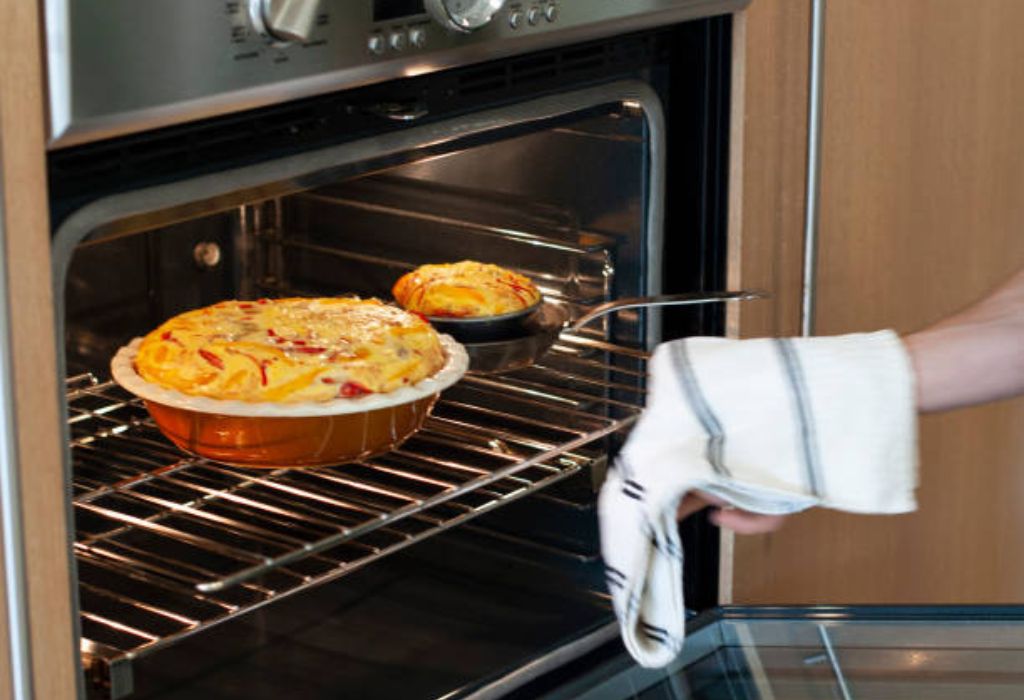
Failing to reduce temperature is the most frequent mistake. This leads to scorched tops and undercooked centers.
Overcrowding the oven blocks airflow and destroys the convection advantage. Even spacing is essential for uniform heat circulation.
Skipping foil use causes premature drying and excessive browning. Foil should be viewed as a moisture control tool, not just a cover.
Using unfamiliar pan materials without testing leads to unpredictable results. Each dish reacts differently under convection airflow.
Avoiding these mistakes significantly improves consistent casserole performance.
Do casseroles always cook faster in convection ovens?
Yes, in most cases they finish about 20 to 25 percent sooner.
Can I use the broil function to finish casserole tops?
Yes, but only for very short final browning with close supervision.
Should casseroles rest after convection baking?
Yes, resting stabilizes internal layers and improves serving texture.
Does convection make casseroles crispier than normal baking?
Yes, airflow enhances surface browning and crispness.
Is convection better for frozen casseroles?
Yes, but temperature and foil management become even more important.
Conclusion
Cooking casseroles in a convection oven transforms the way heat moves through the dish. The circulating air improves evenness, speeds up cooking, and produces beautifully browned surfaces.
However, this powerful efficiency also demands better control of temperature, moisture, and timing than conventional baking.
By choosing the correct pan, adjusting temperature downward, managing moisture with foil, and controlling cheese and layering strategies, convection casseroles become consistently reliable.
Attention to rack placement, food safety temperatures, and vegetable moisture balance ensures both flavor and safety at every stage.
With practice, convection baking turns casseroles into perfectly structured meals with crisp tops and tender interiors.
Once mastered, it becomes difficult to return to traditional oven results because the consistency and visual appeal of convection cooked casseroles are simply superior.

I’m Emma J. Caldwell, the founder, lead writer, and home-cooking enthusiast behind KitchenGuideCo.com. With a background in culinary arts and over a decade of cooking experience in both professional and personal kitchens, I created this platform to demystify recipes, offer smart kitchen gadget reviews, and guide readers through meal prep with confidence and clarity.